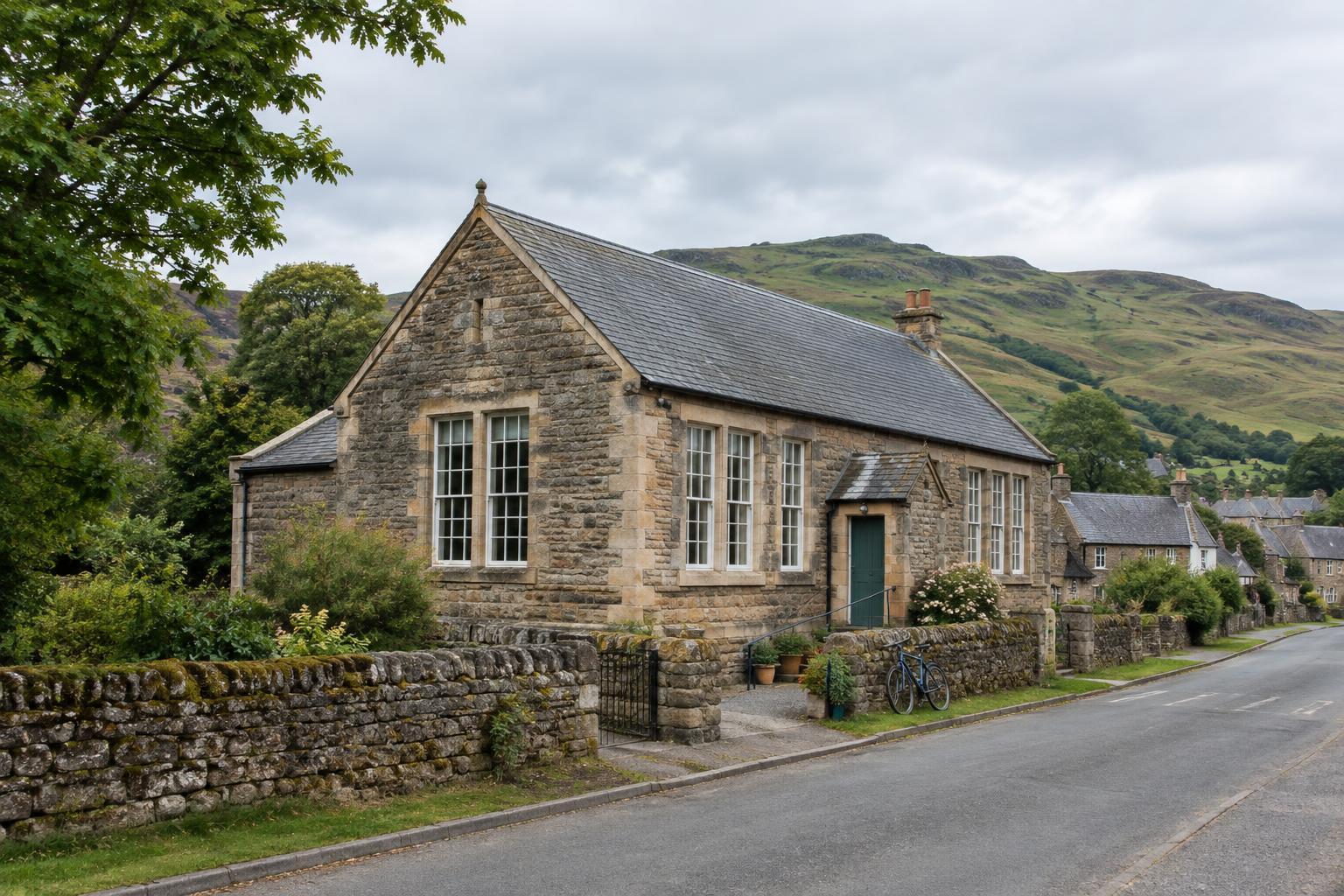
Regional HeritageA former school can tell a story about the community that built it and the generations that adapted it. Learn how to read its location, design and changing use without assuming every old building followed the same path.
Read article · 3 min↗
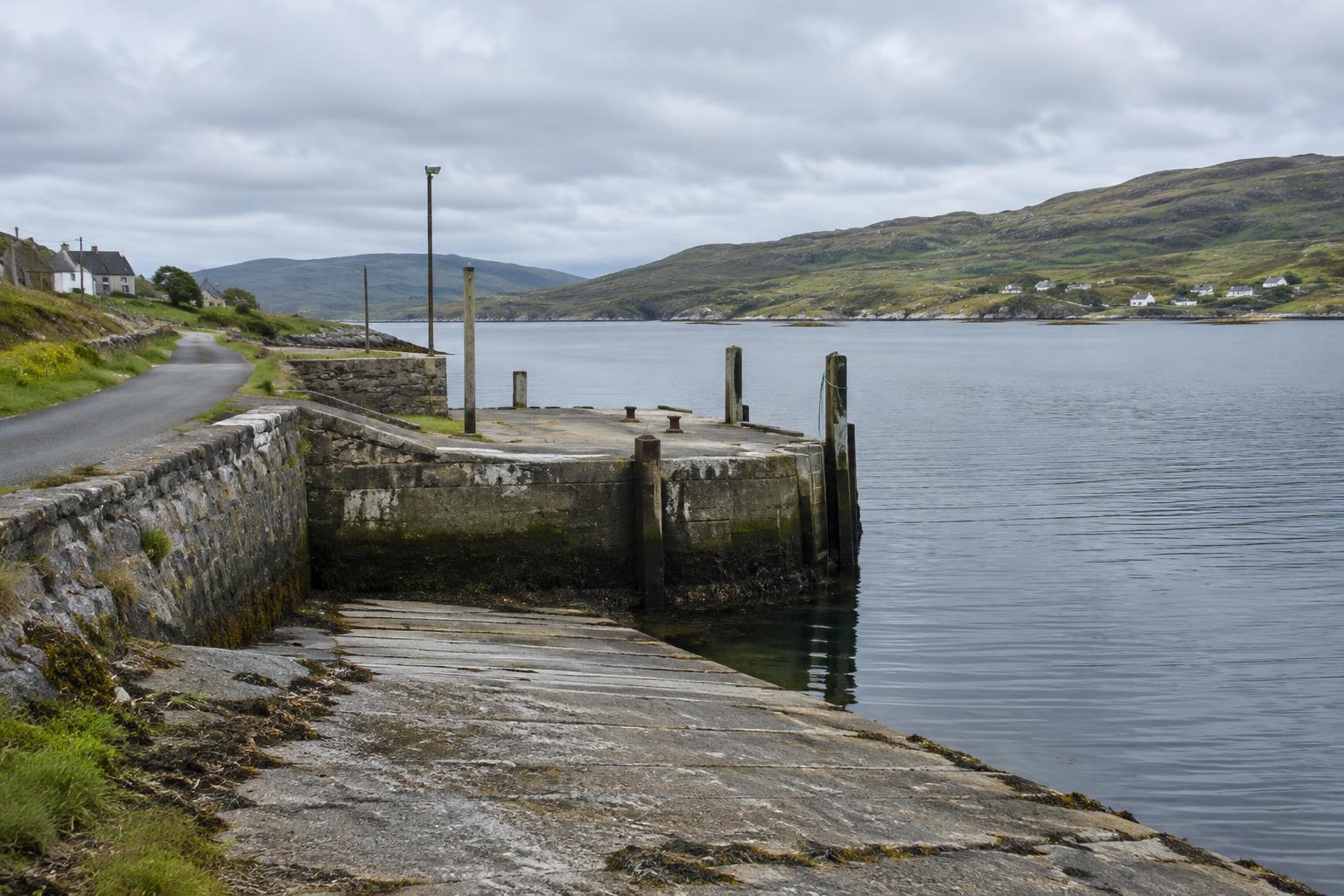
Regional HeritageA small ferry pier can reveal how a community connected to neighbouring shores. Learn to read its approaches, structures and changing uses without mistaking today’s landscape for the past.
Read article · 4 min↗
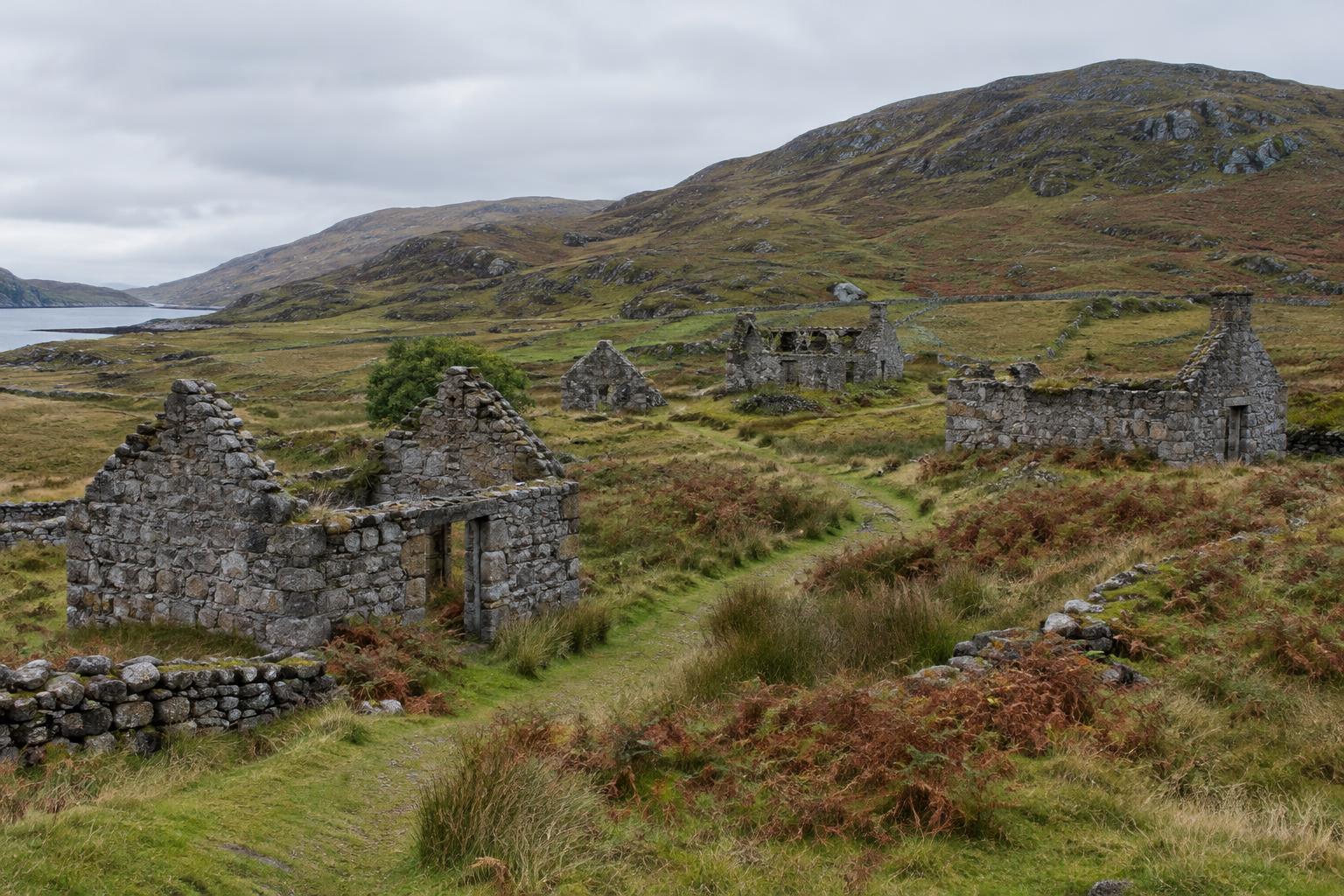
Regional HeritageEmpty houses and overgrown tracks can seem to tell a clear story, but abandoned Scottish settlements rarely have a single explanation. This guide looks at common interpretive mistakes and shows how to read the landscape with care.
Read article · 4 min↗
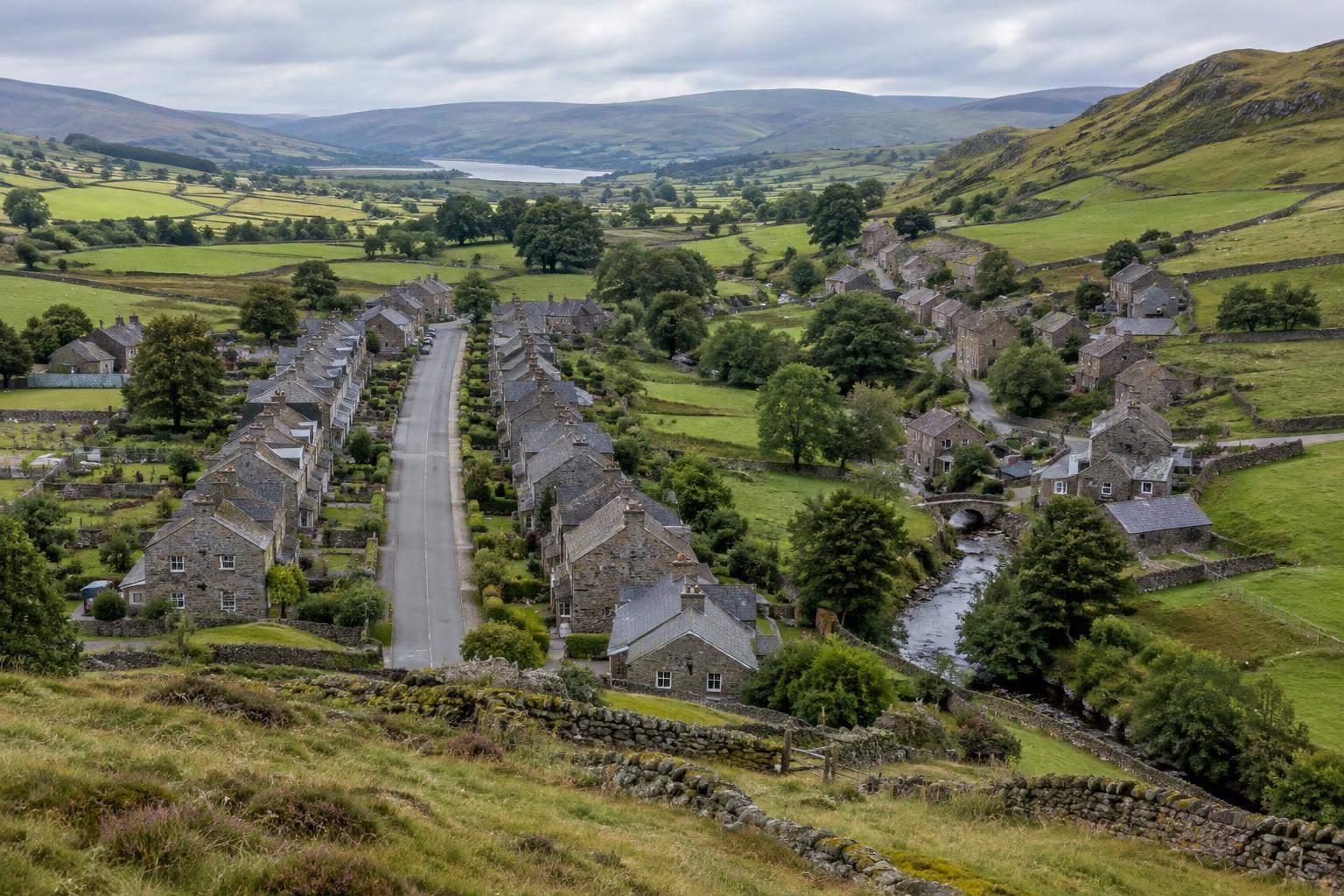
Regional HeritageA straight street does not tell the whole story of a Scottish village. Comparing planned settlements with places that grew over generations reveals how landowners, work, geography and local communities shaped the landscape.
Read article · 4 min↗
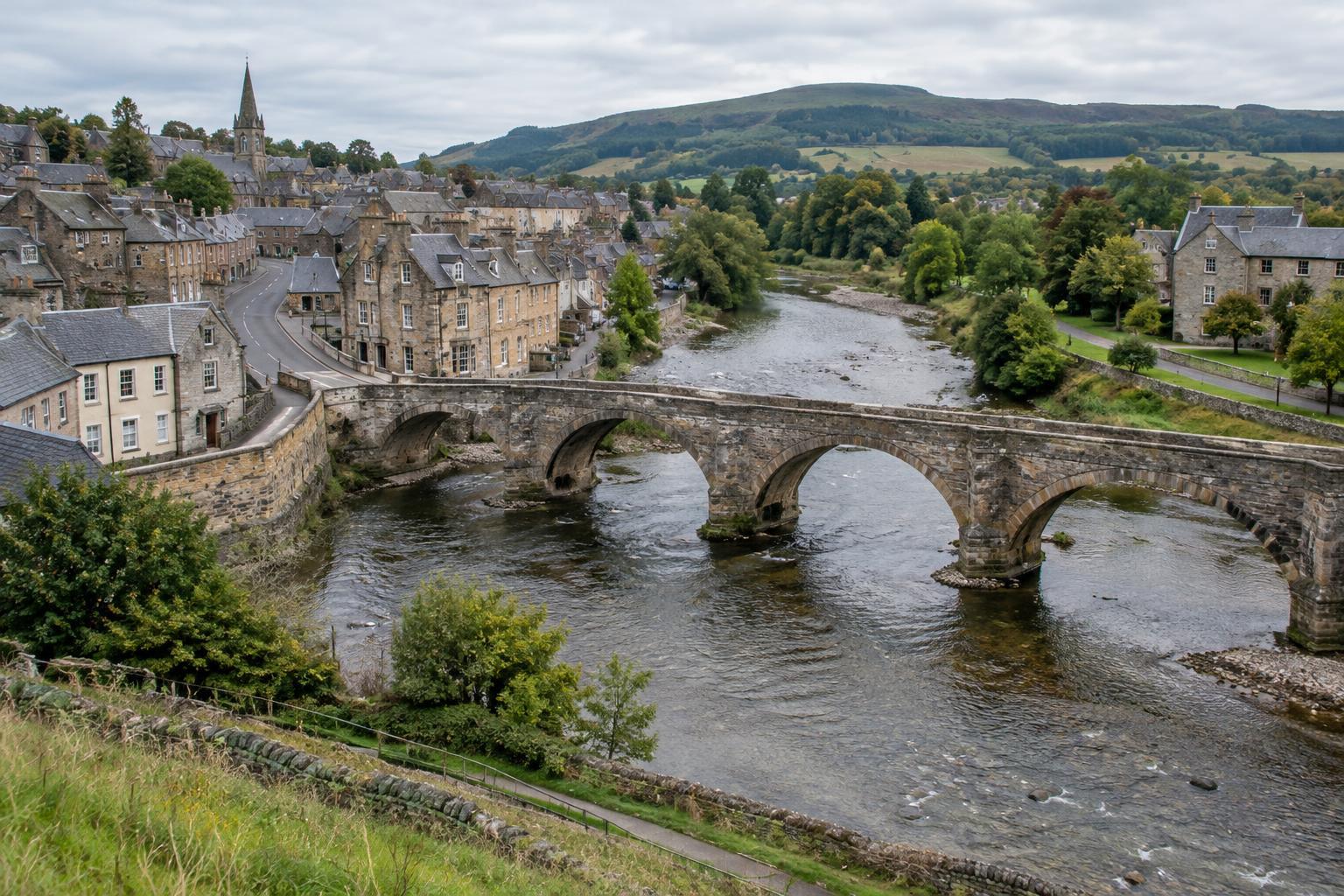
Regional HeritageFords, ferries and bridges did more than carry travellers across Scottish rivers. They brought routes together, encouraged trade and influenced where streets, markets and public buildings took shape. Reading a settlement through its crossings reveals both the opportunities and limits of its location.
Read article · 4 min↗
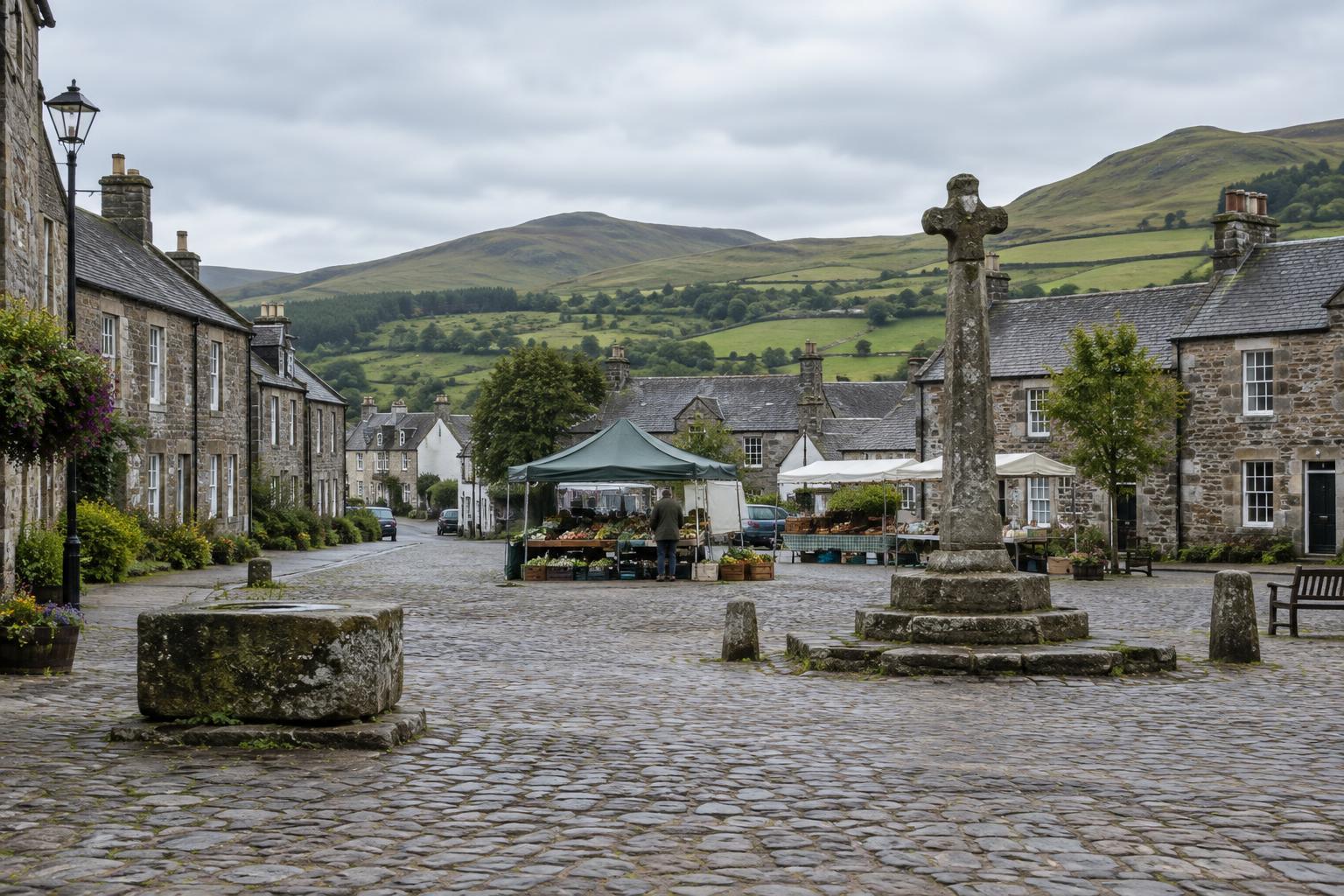
Regional HeritageScotland’s rural fairs and markets have left traces in streets, place names, objects, memories and local archives. Reading those traces together reveals how trading days shaped community life—and where the evidence leaves questions open.
Read article · 4 min↗
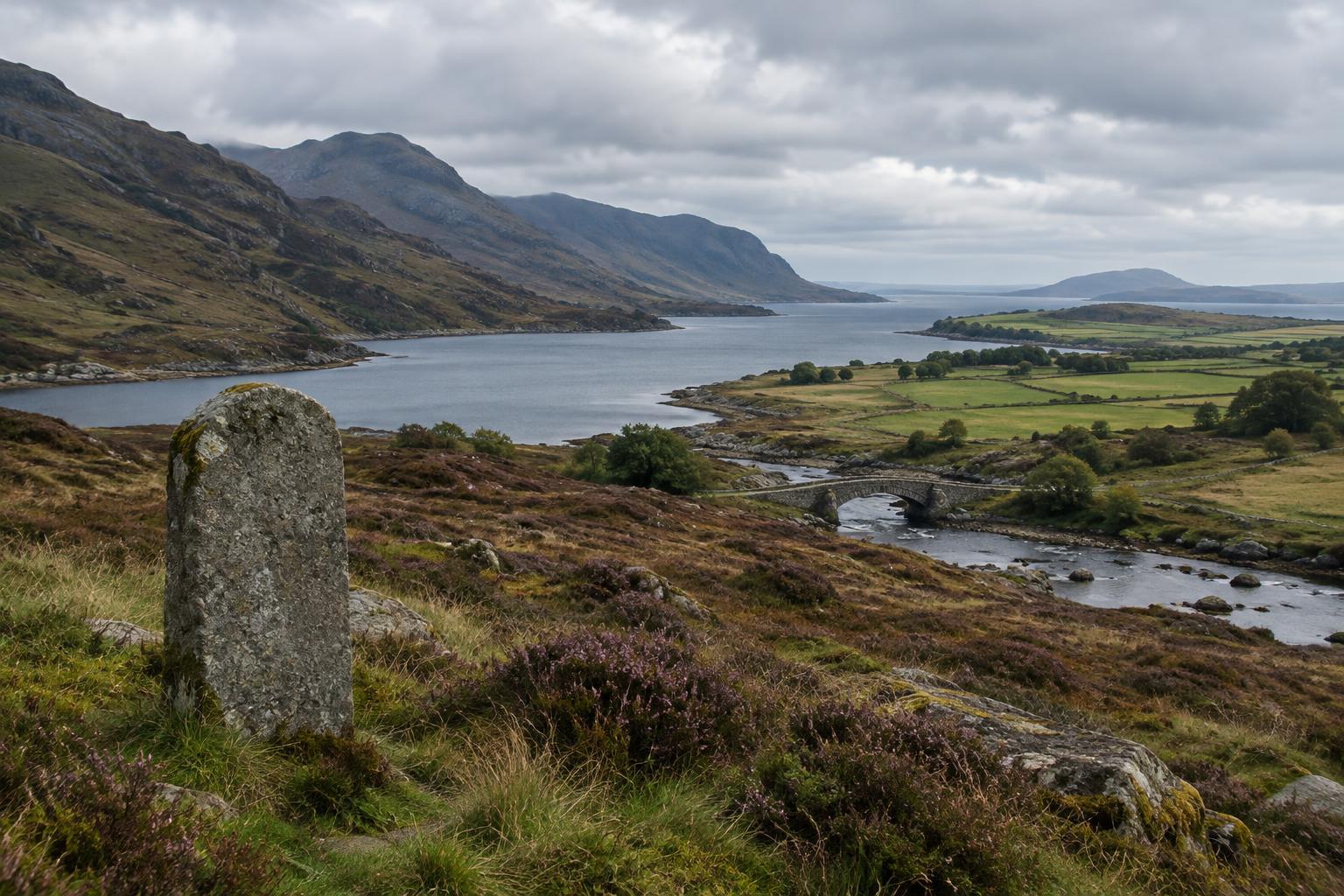
Regional HeritageA place-name can preserve traces of landscape, language and changing local use. Learn how to read Gaelic, Scots and English naming layers without treating any one name as a complete history of a place.
Read article · 4 min↗
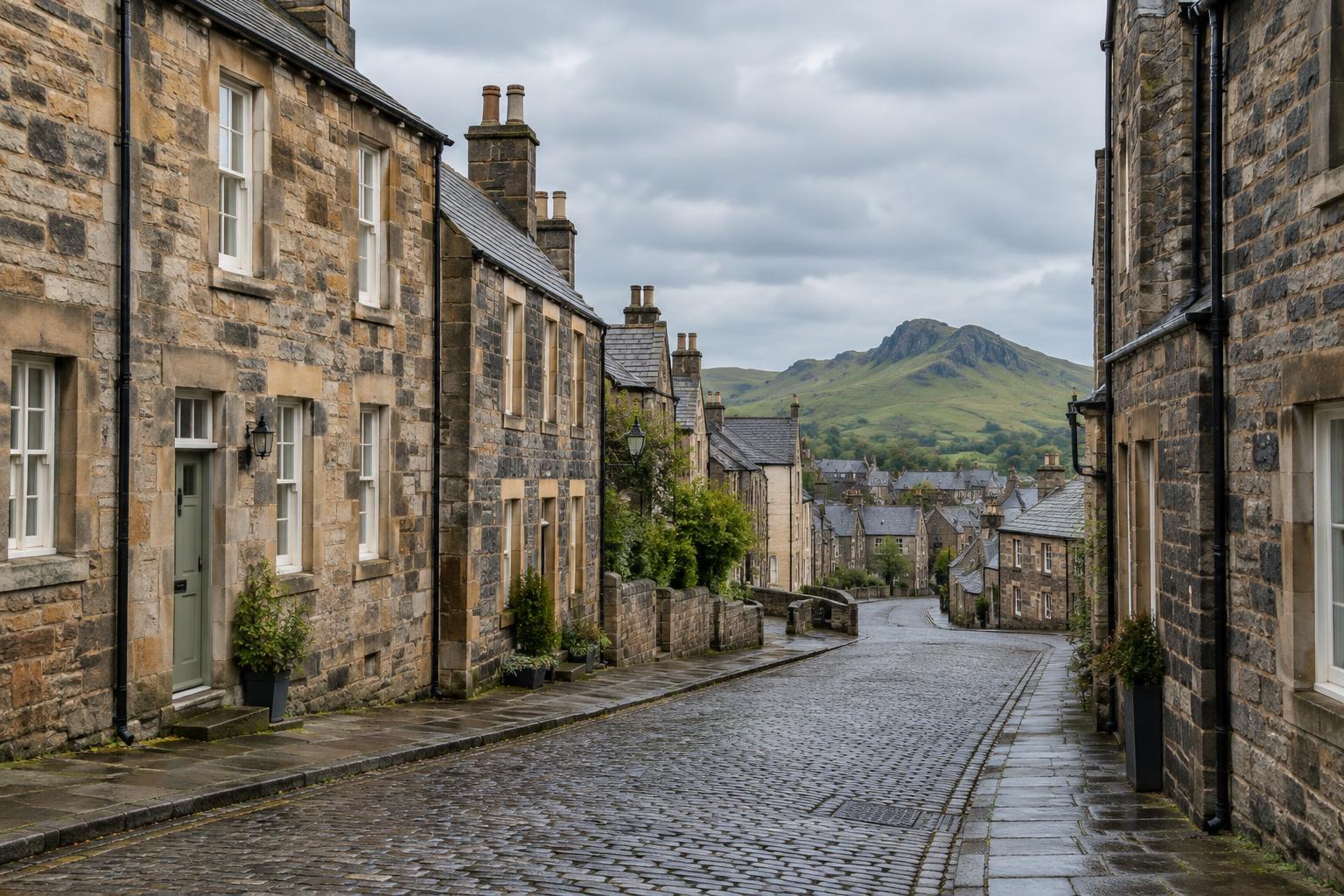
Regional HeritageThe stone used in a town’s buildings can reveal more than a preference for colour. It connects streets to nearby landscapes, past trades and choices about repair. Here is a practical guide to reading those connections without assuming every building was made from local materials.
Read article · 4 min↗
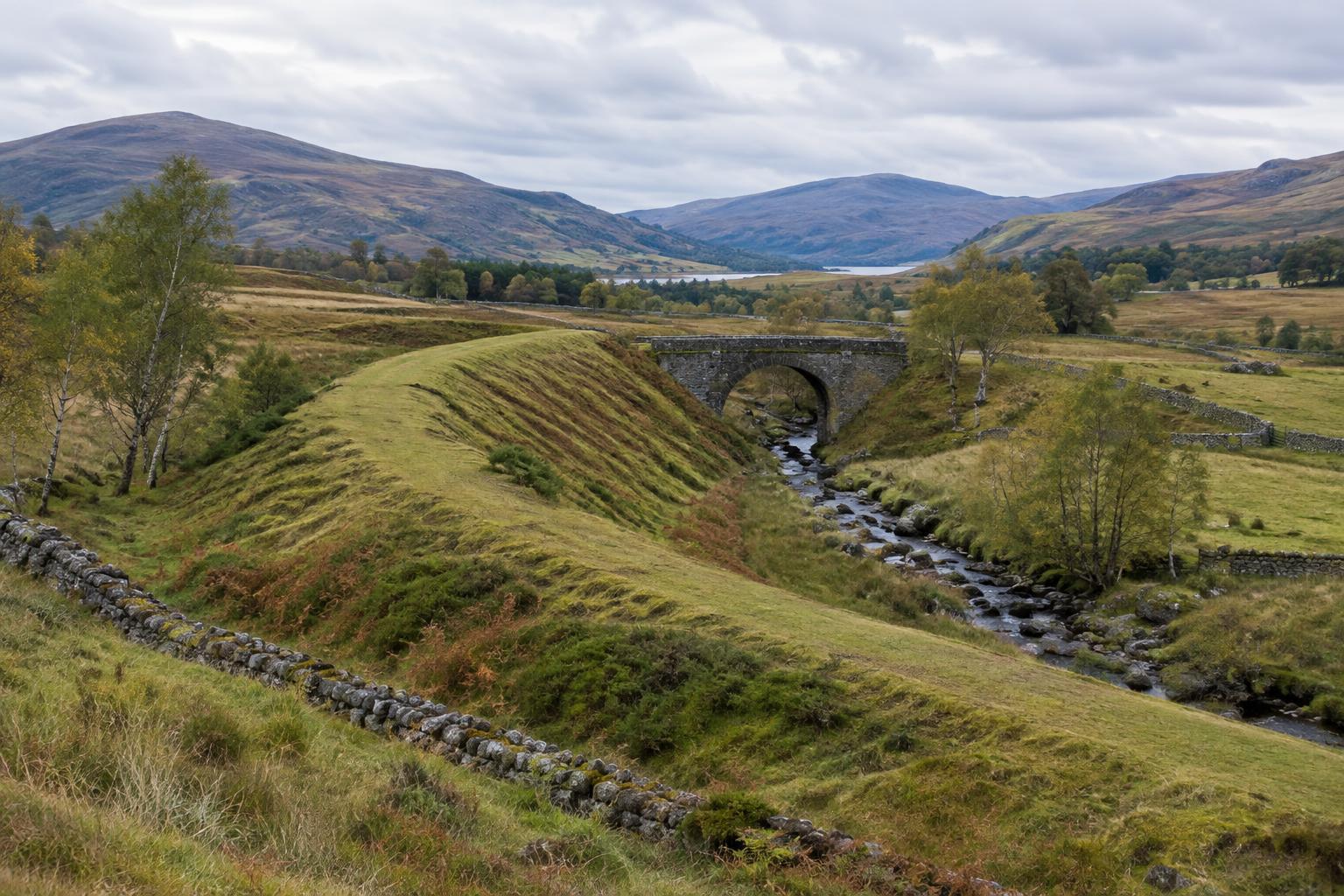
Regional HeritageA disused railway can remain visible long after its tracks have gone. Learn how to recognise old routes in embankments, bridges and settlement patterns, and how to interpret them without mistaking every straight path for a railway.
Read article · 4 min↗
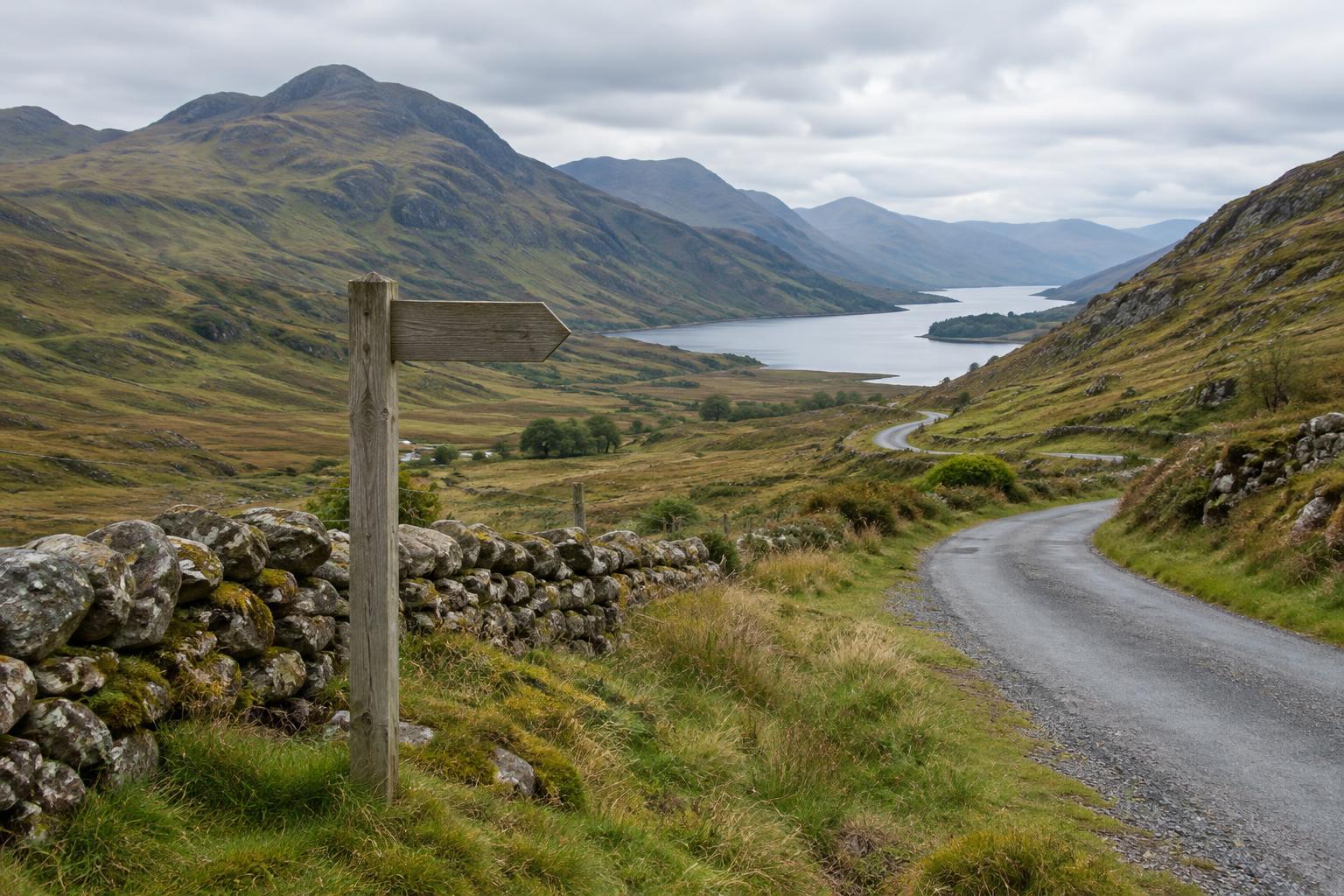
Regional HeritageA name on a sign can be old, new, translated or chosen to help visitors find their way. Here is a practical way to investigate Scottish place-names without mistaking a useful tourist label for historical evidence.
Read article · 4 min↗
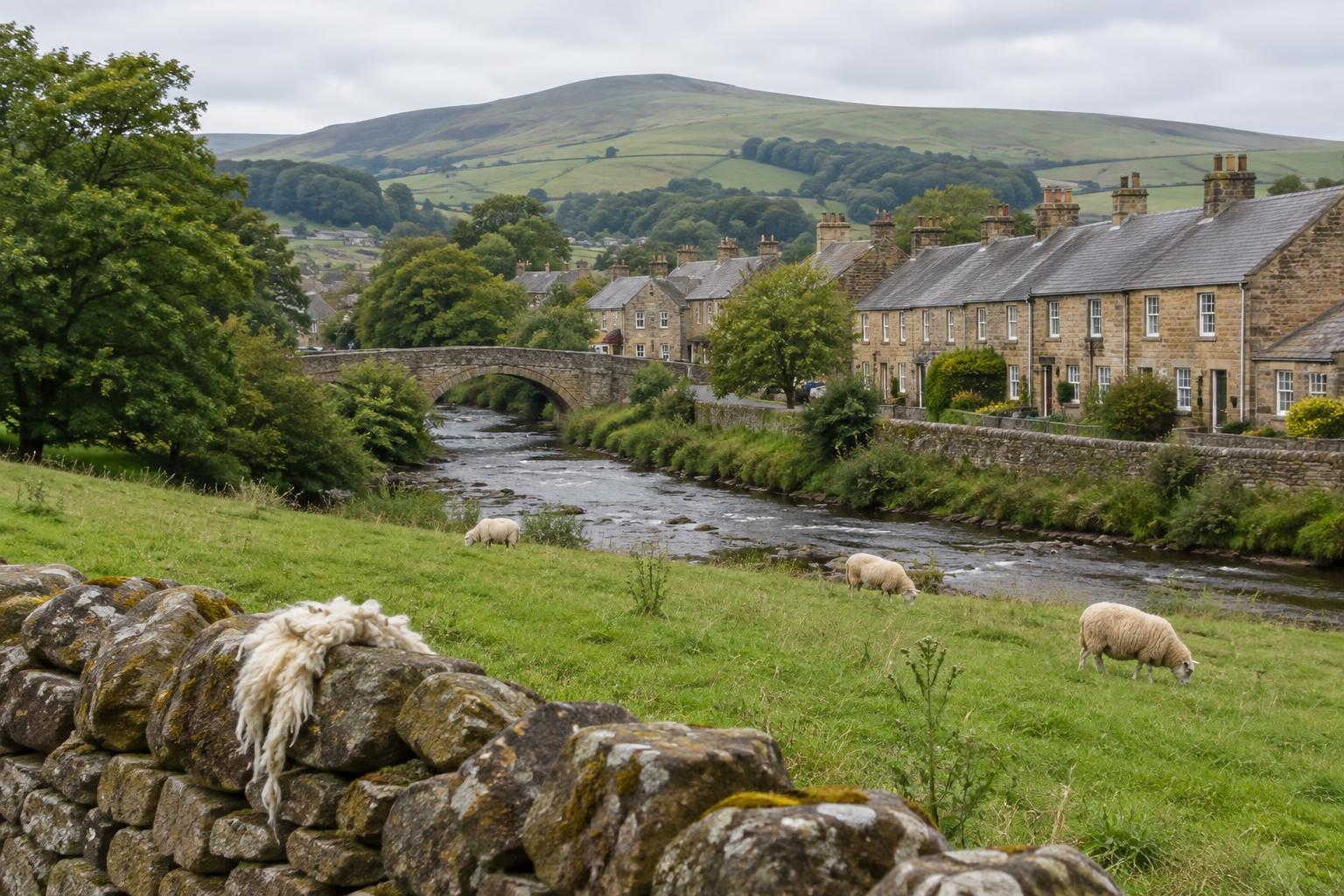
Regional HeritageThe textile story of the Scottish Borders extends beyond its mills. Follow the connections between fields, rivers, workers’ homes, town streets and surviving skills to see how cloth helped shape the region.
Read article · 4 min↗
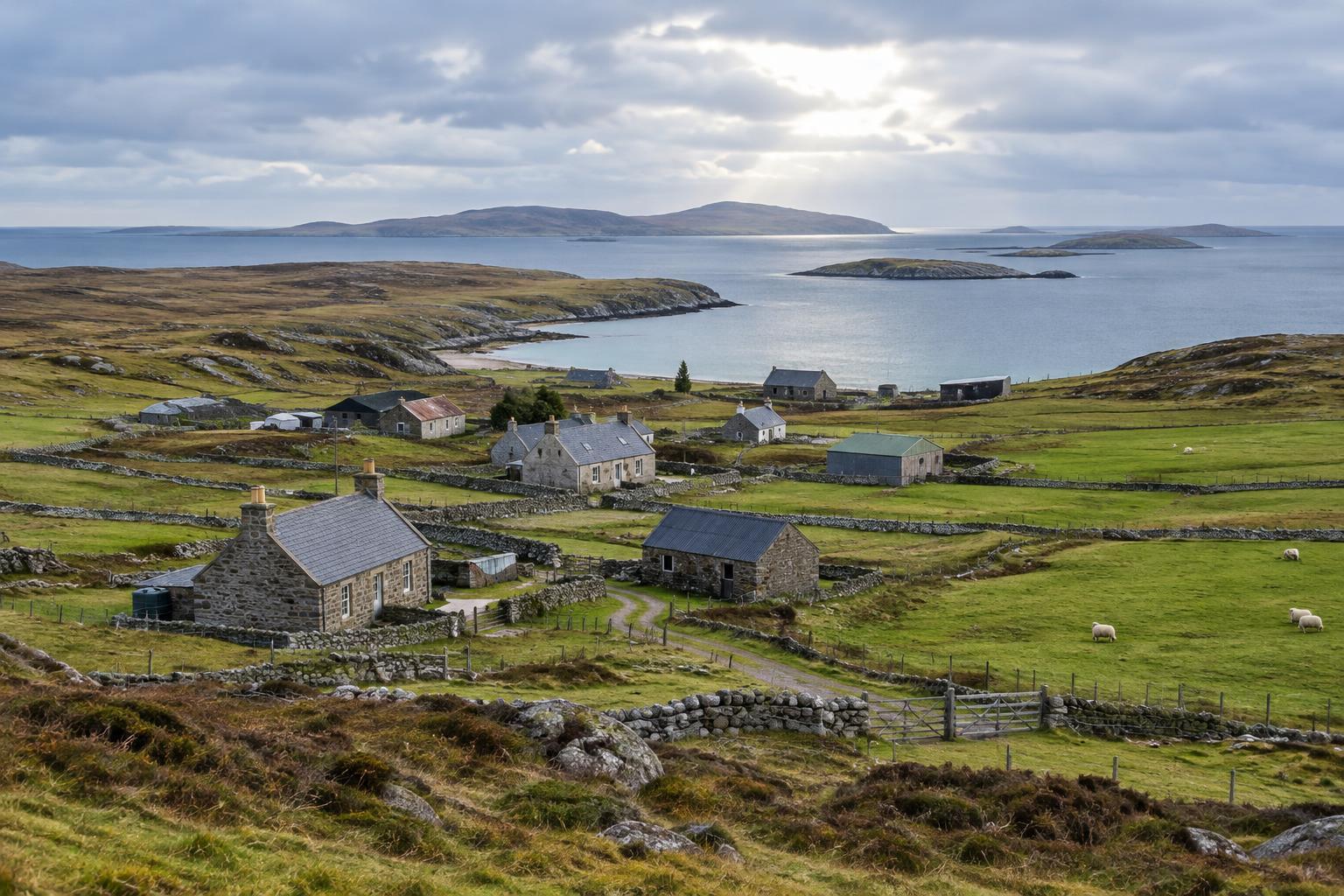
Regional HeritageCrofting has shaped both the landscape and community life of the Western Isles. Understanding the difference between a croft, a township and common grazing land reveals a history of land use that is still unfolding.
Read article · 4 min↗
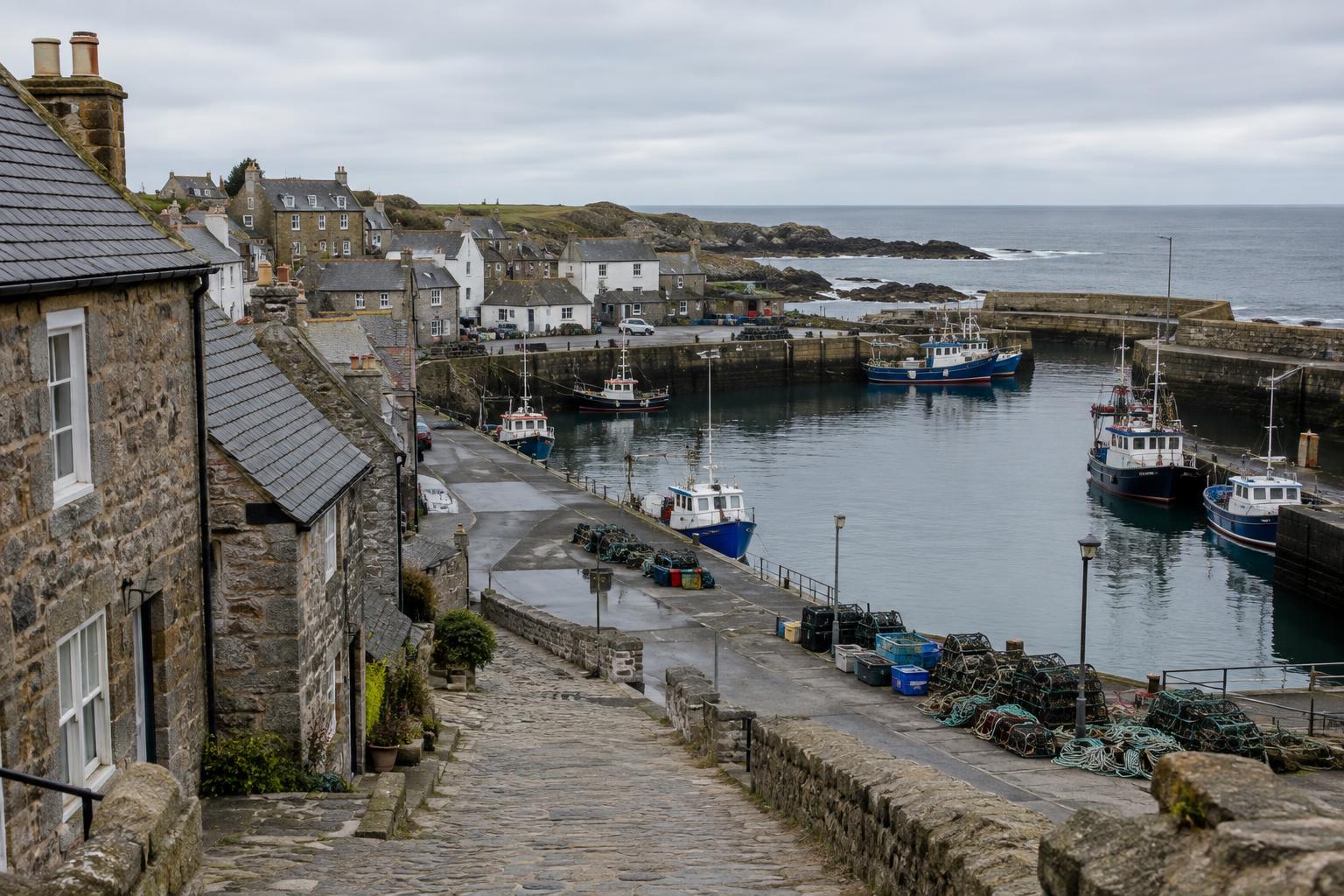
Regional HeritageIn northeast Scotland, fishing helped determine where harbours grew, how streets connected shore to town, and where work was done. Reading these places means looking beyond the boats to the quays, lanes, open spaces and changing waterfronts around them.
Read article · 4 min↗
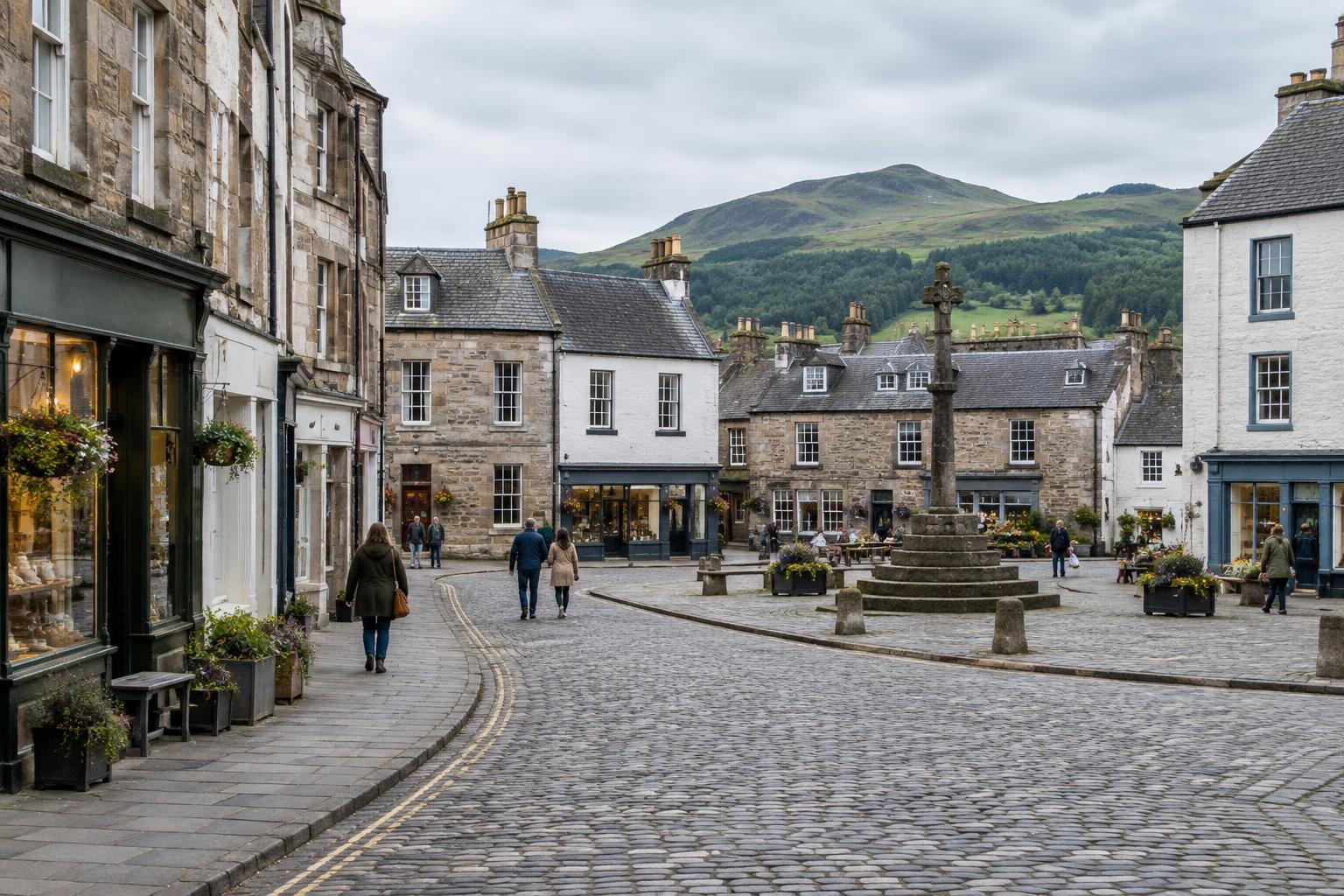
Regional HeritageScotland’s market towns grew around exchange, but their heritage reaches beyond market squares. Streets, buildings, place names and local records can reveal how trade shaped daily life—and how those places continue to change.
Read article · 4 min↗
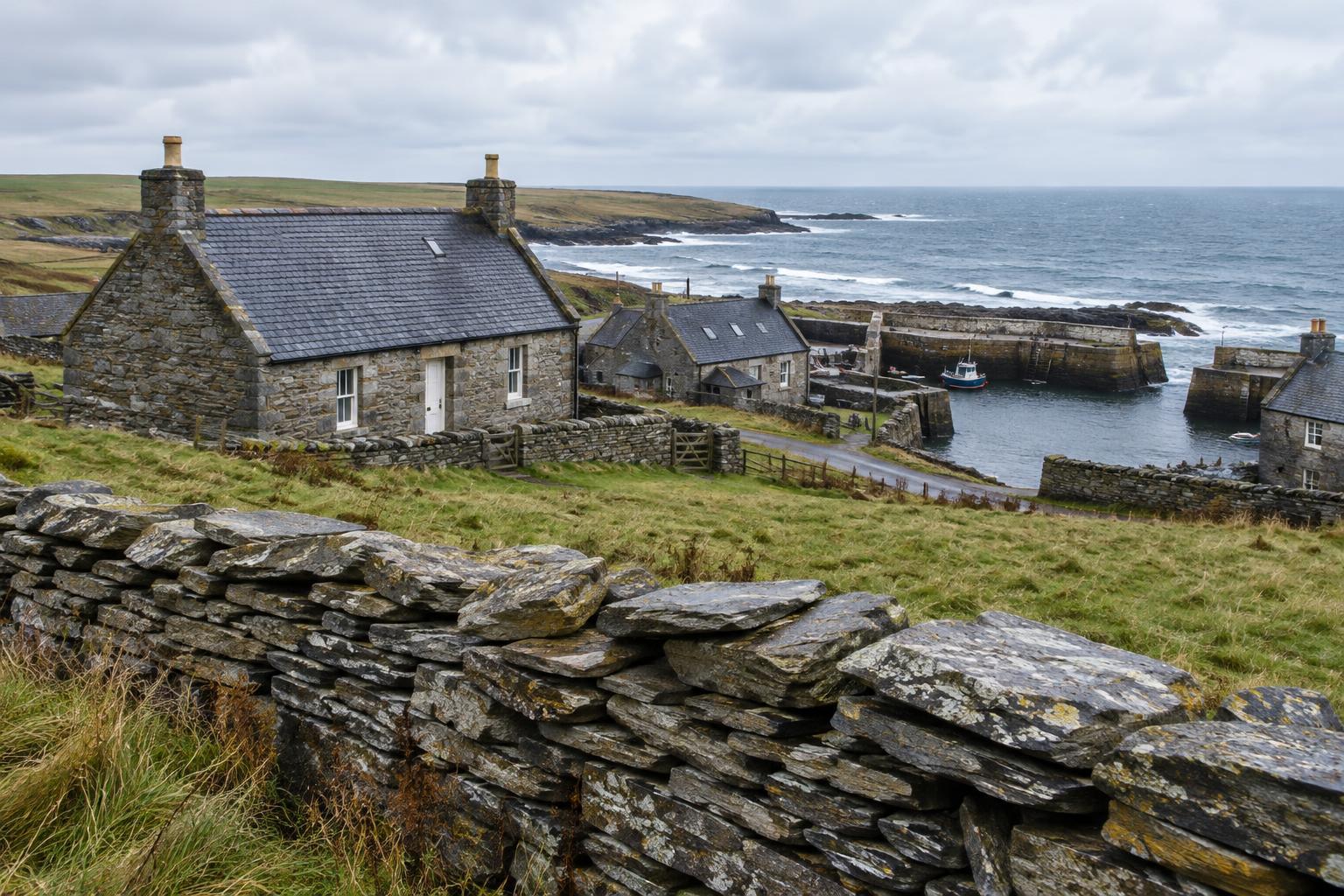
Regional HeritageCaithness has a distinctive built landscape, from stone field boundaries to houses and harbour structures. Its character comes not from one material alone, but from the way local flagstone, exposed weather and generations of building practice shaped what people made and how they maintained it.
Read article · 4 min↗
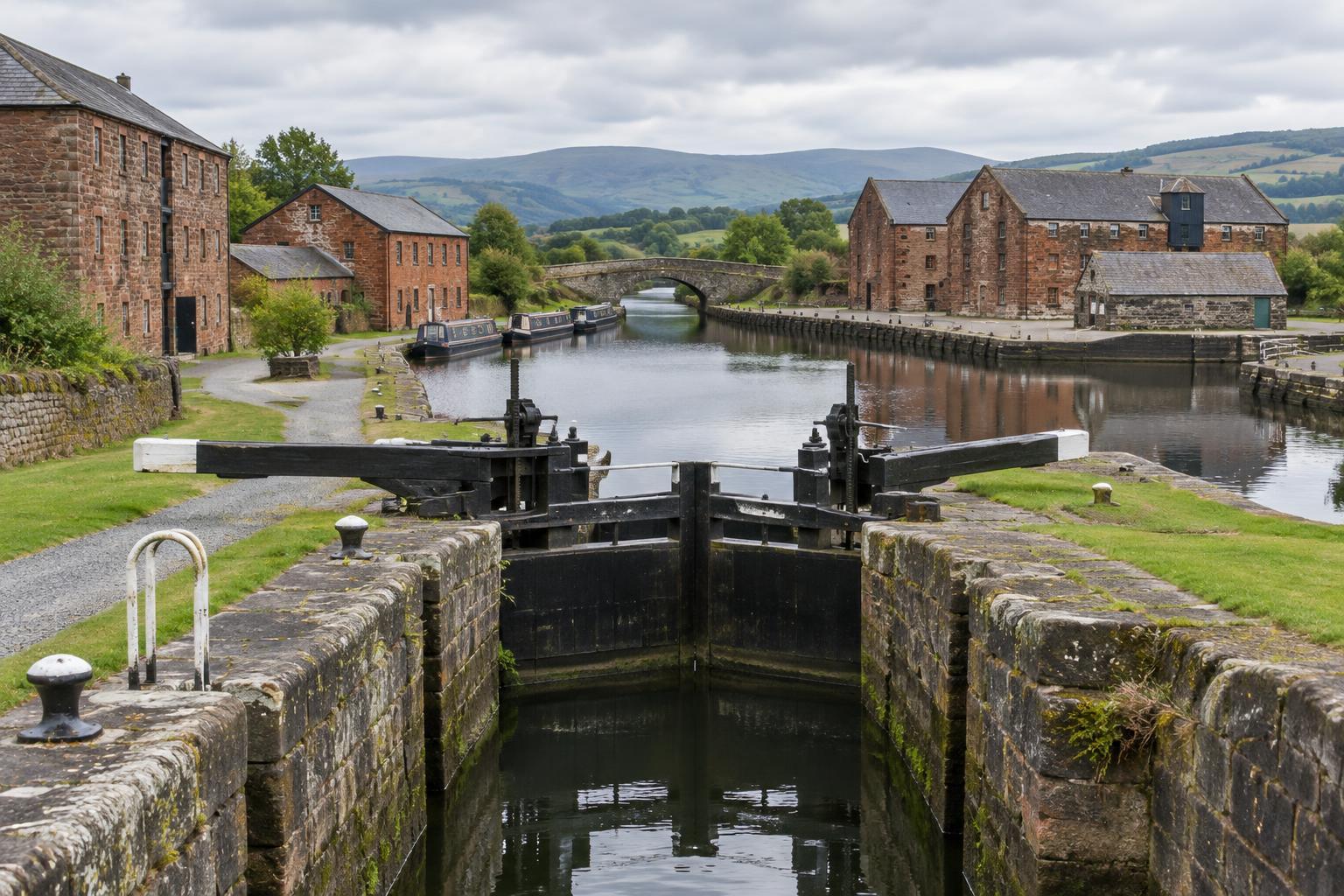
Regional HeritageA canal walk can reveal more than a route across the landscape. Locks, basins, towpaths and nearby buildings offer clues to how goods and people moved, where work gathered, and how places have changed since commercial traffic declined.
Read article · 5 min↗
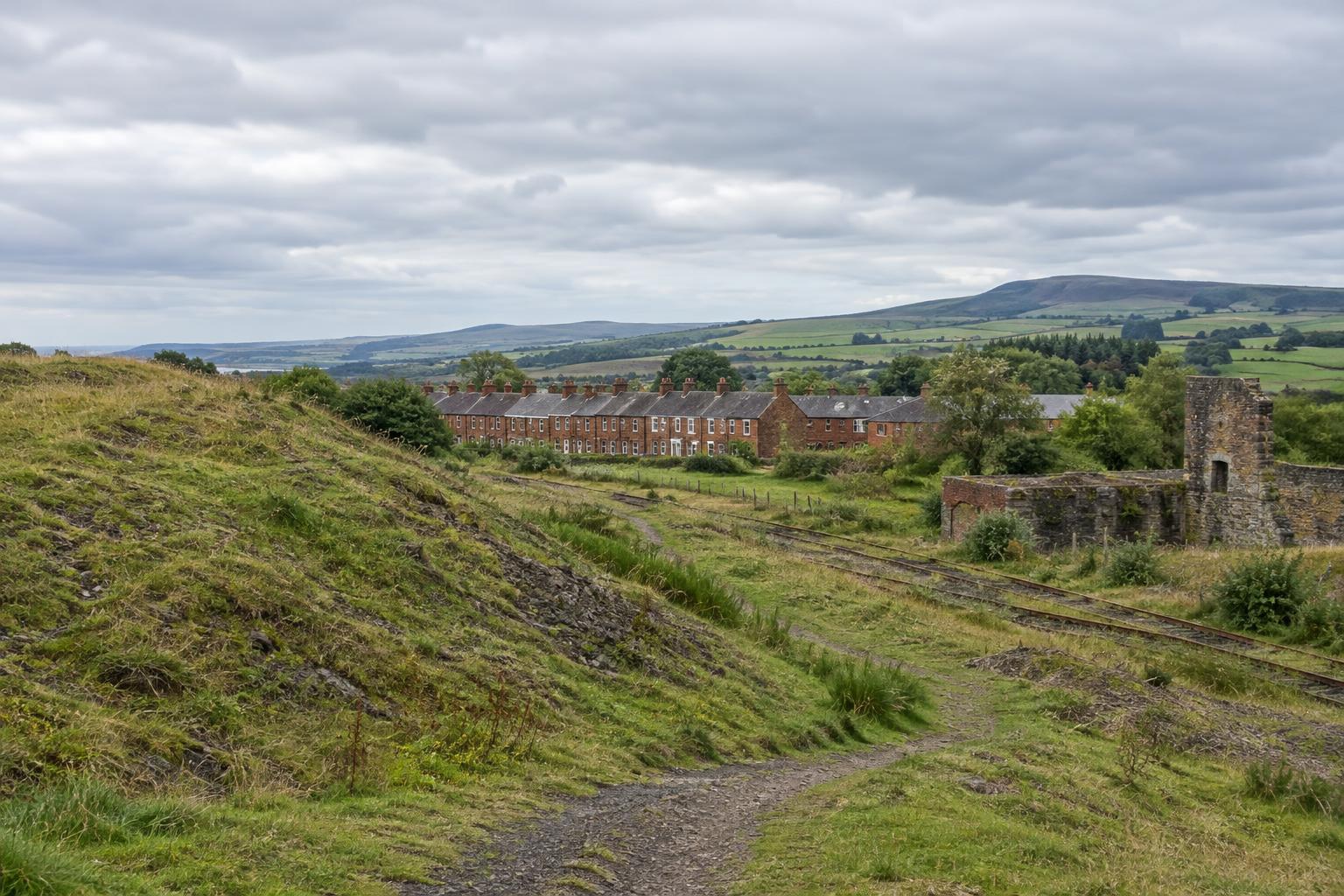
Regional HeritageAyrshire’s coalfield history remains visible in former pit sites, miners’ housing, transport routes and reclaimed land. Reading these places together reveals how coal shaped communities—and how those communities adapted as the industry changed.
Read article · 5 min↗
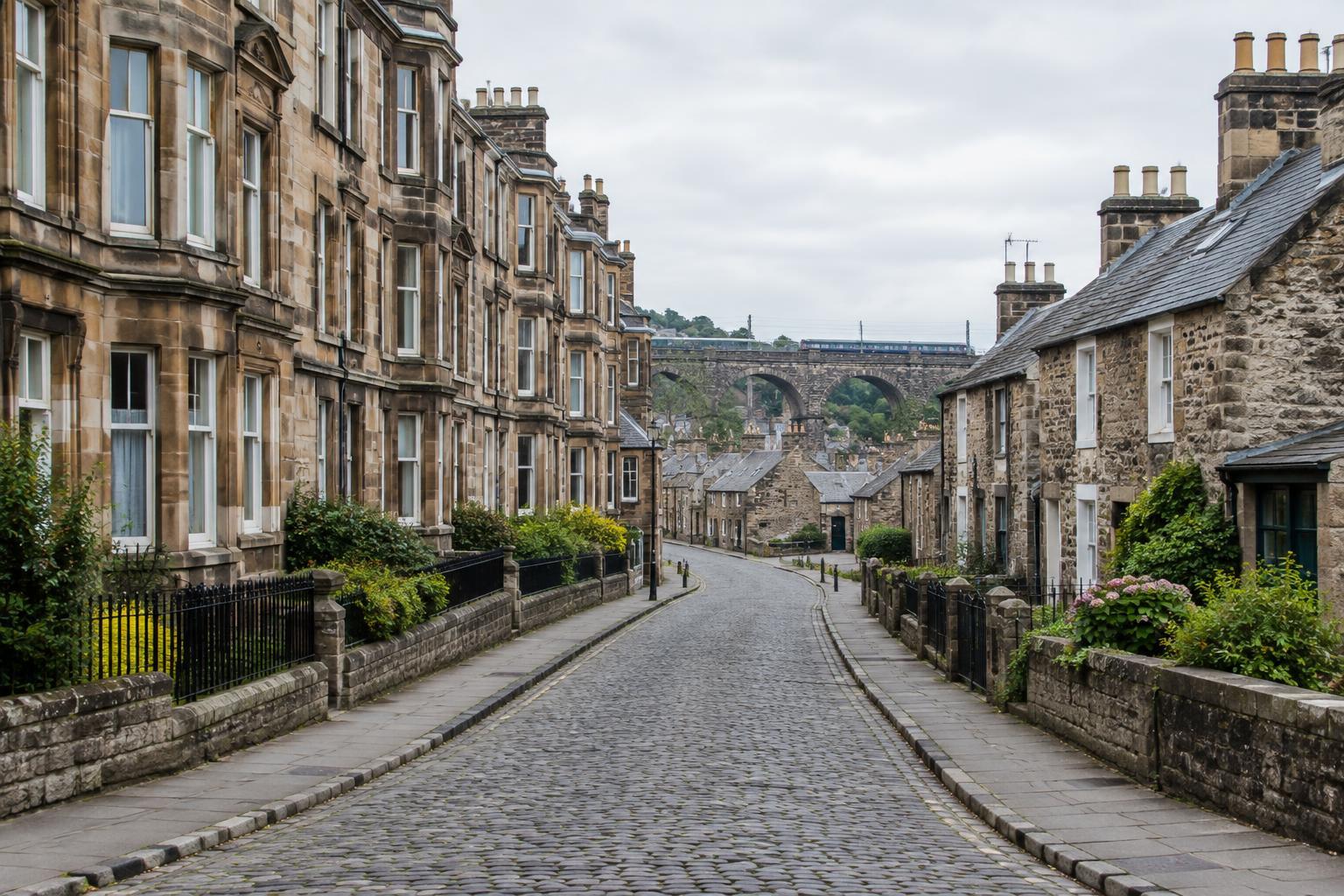
Regional HeritageScotland’s tenements, terraces and workers’ cottages offer clues to how industrial towns expanded. Their layout, materials and location can reveal the relationship between work, transport and daily life—provided we look beyond the familiar image of the factory skyline.
Read article · 4 min↗
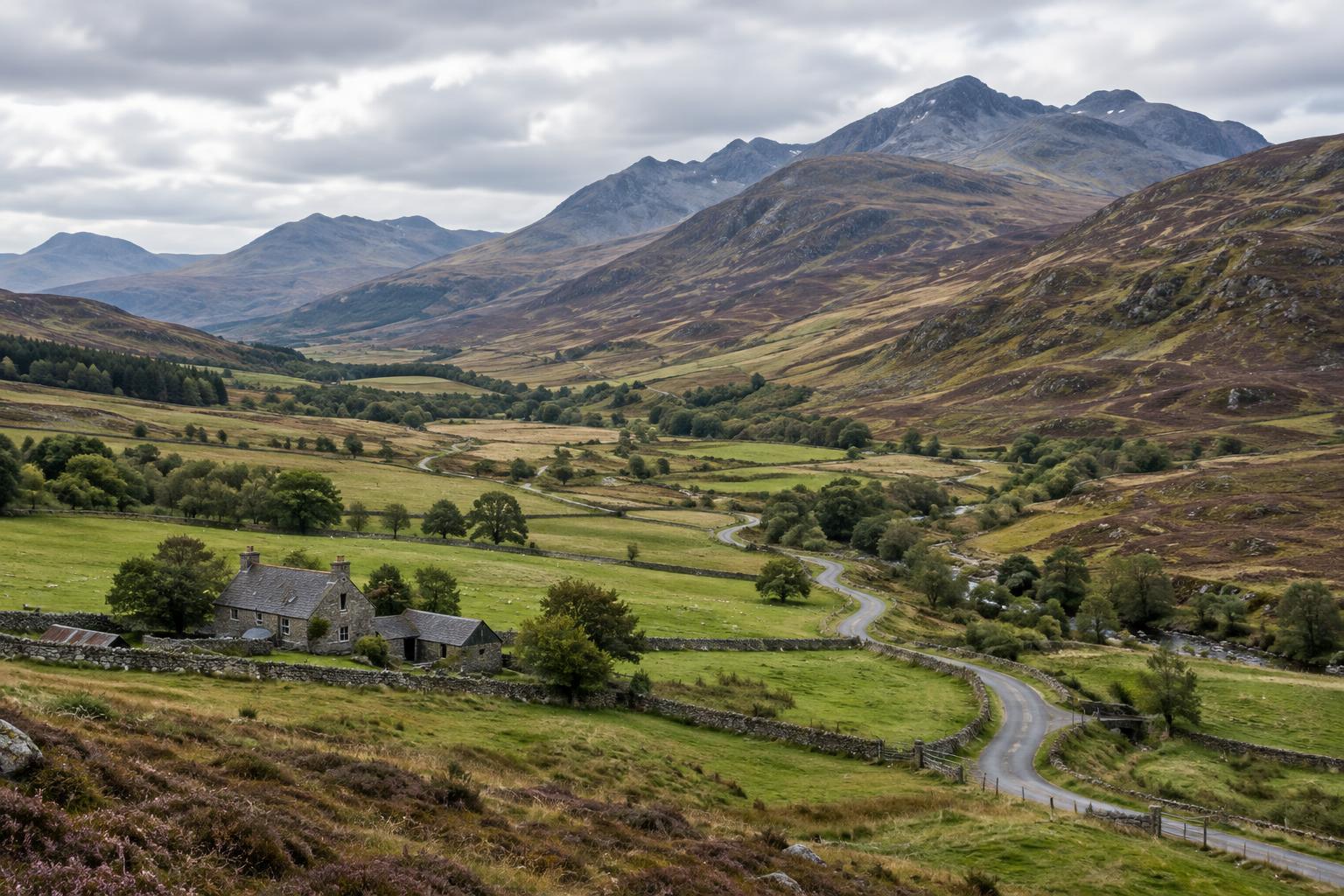
Regional HeritageThe Highland–Lowland divide can help explain patterns in Scotland’s landscape and history, but it can also flatten the experiences of communities on either side. Here is how to use the distinction without letting it become the story.
Read article · 4 min↗
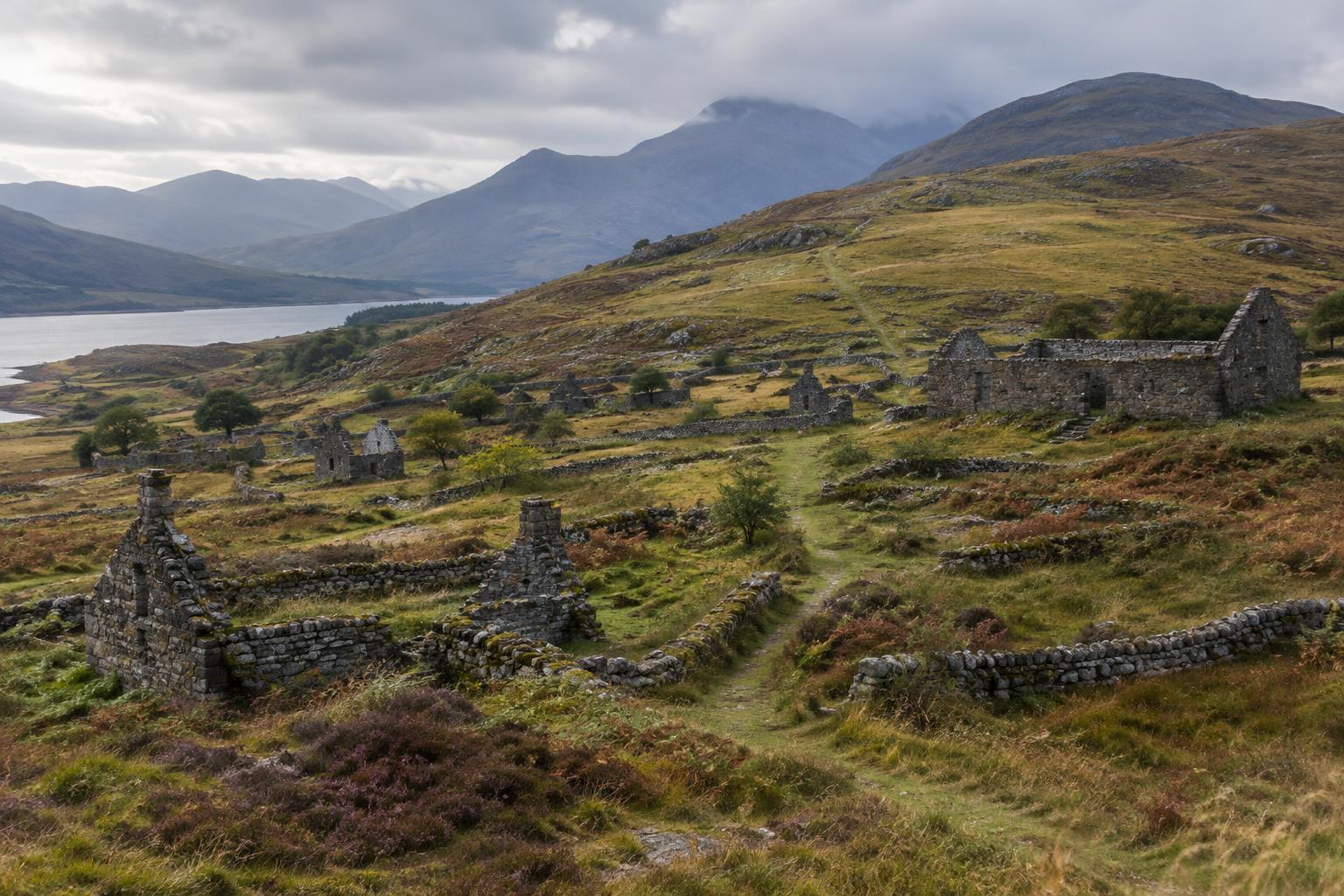
Regional HeritageA Highland township is more than a cluster of old buildings. Croft boundaries, steadings, paths and grazing ground can reveal how people used the land together—and why the landscape visible today may represent several different periods.
Read article · 4 min↗
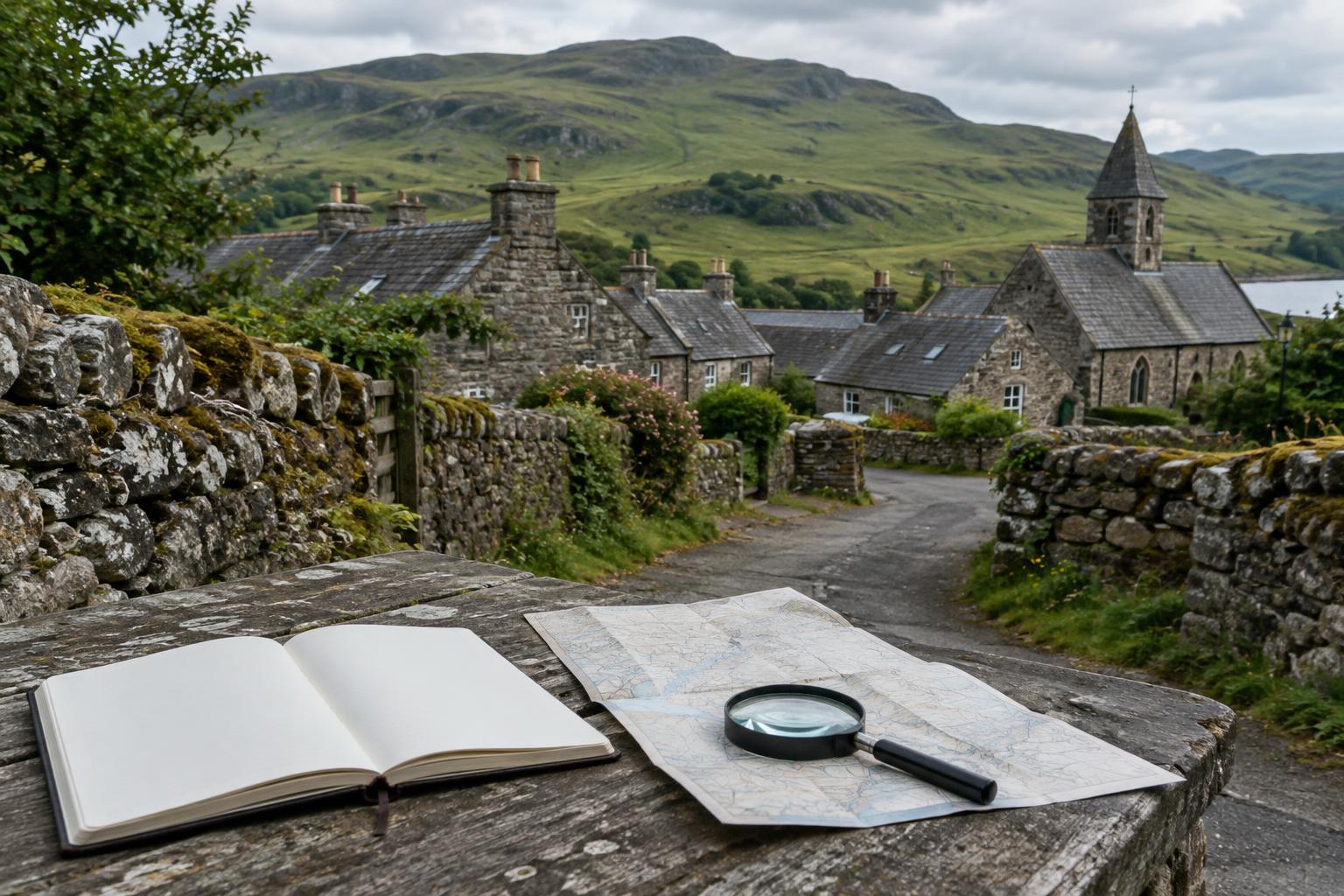
Regional HeritageA village’s history is rarely held in one archive. Learn how to build a careful account by comparing old maps, reading the buildings that remain and checking what local records can—and cannot—tell you.
Read article · 4 min↗
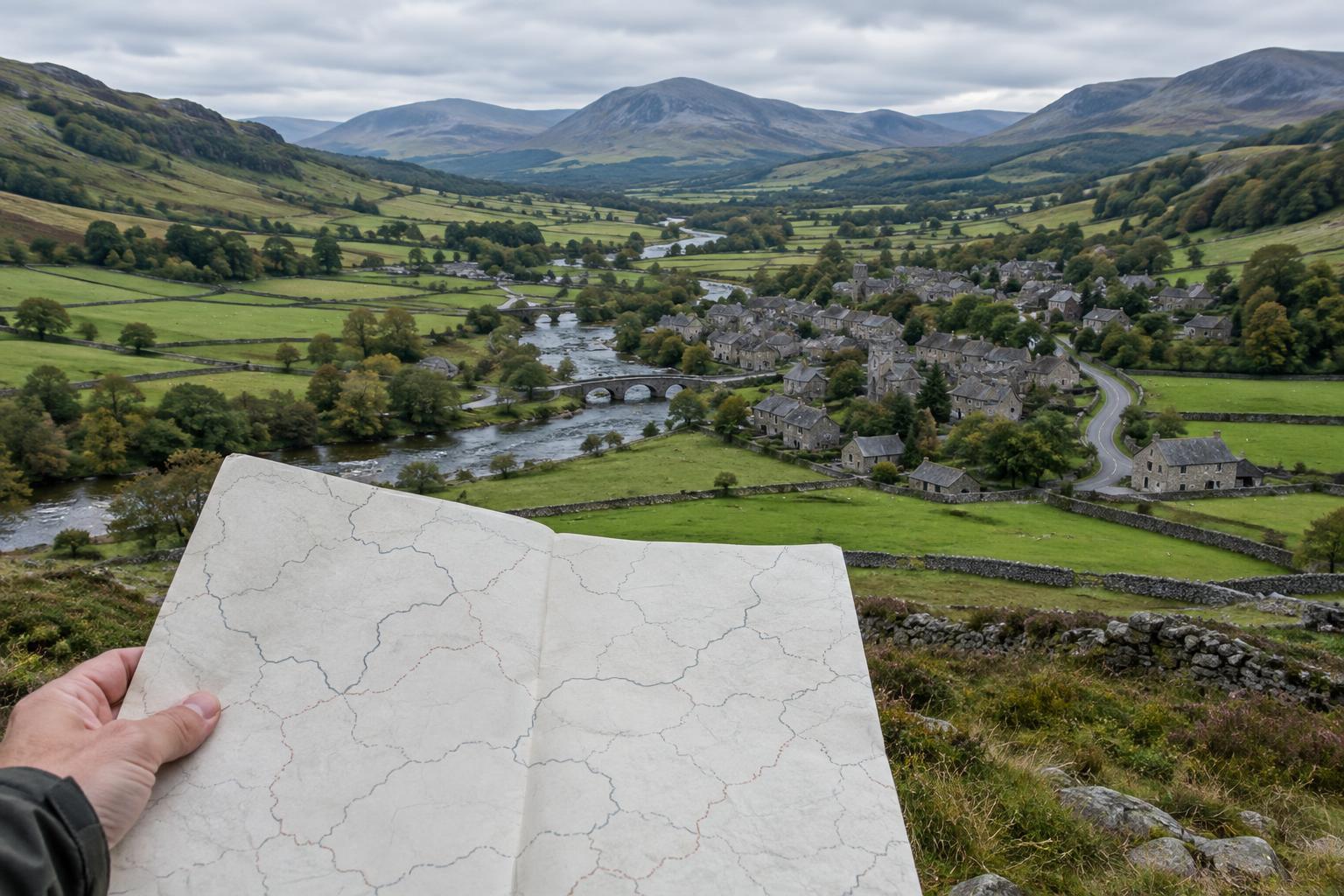
Regional HeritageA place in Scotland can belong to several regions at once, depending on whether you mean a historic county, a modern council area or a community’s own sense of home. Here is a practical guide to reading those different geographies, especially in maps, archives and films.
Read article · 4 min↗