A landscape built from what was close at hand
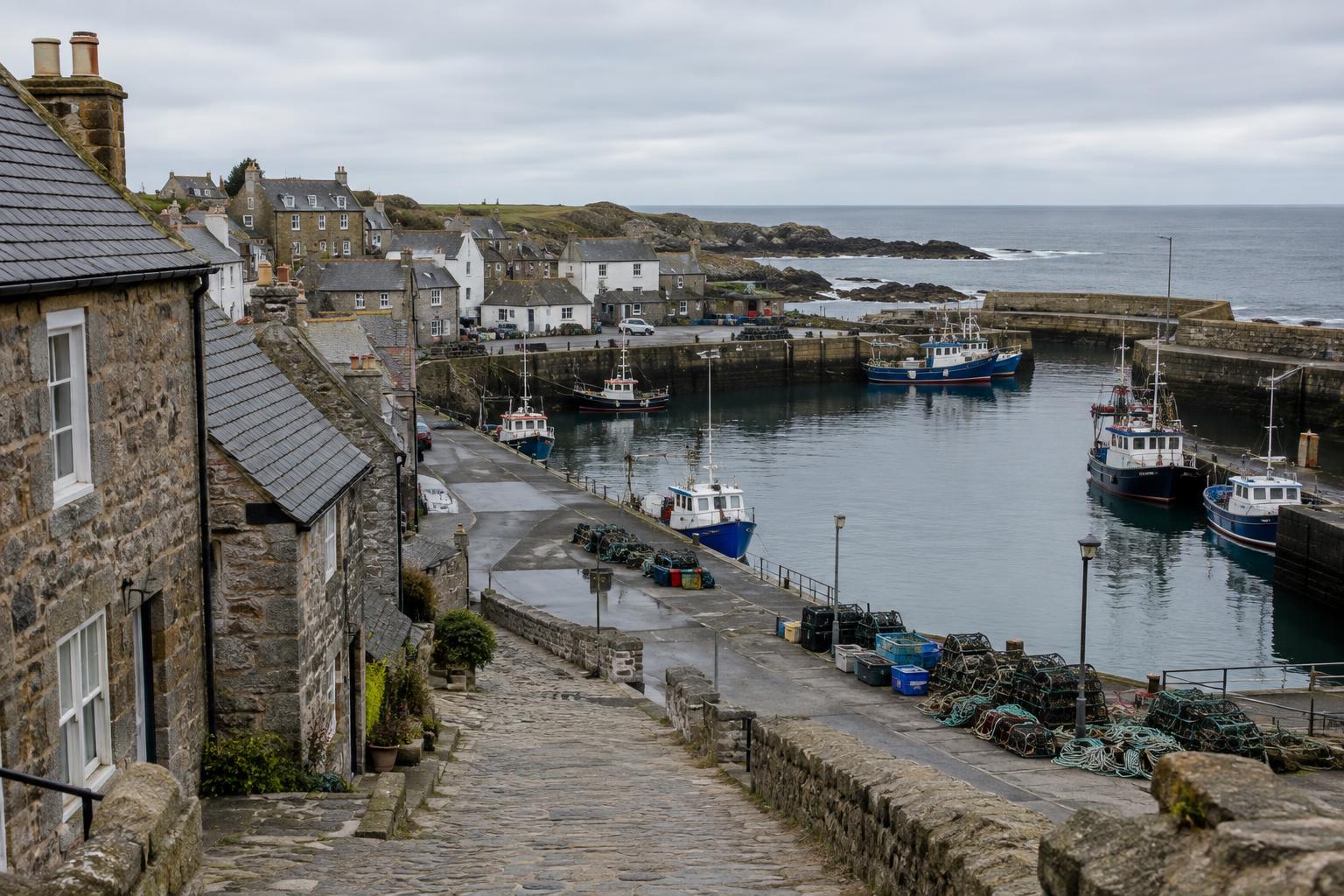
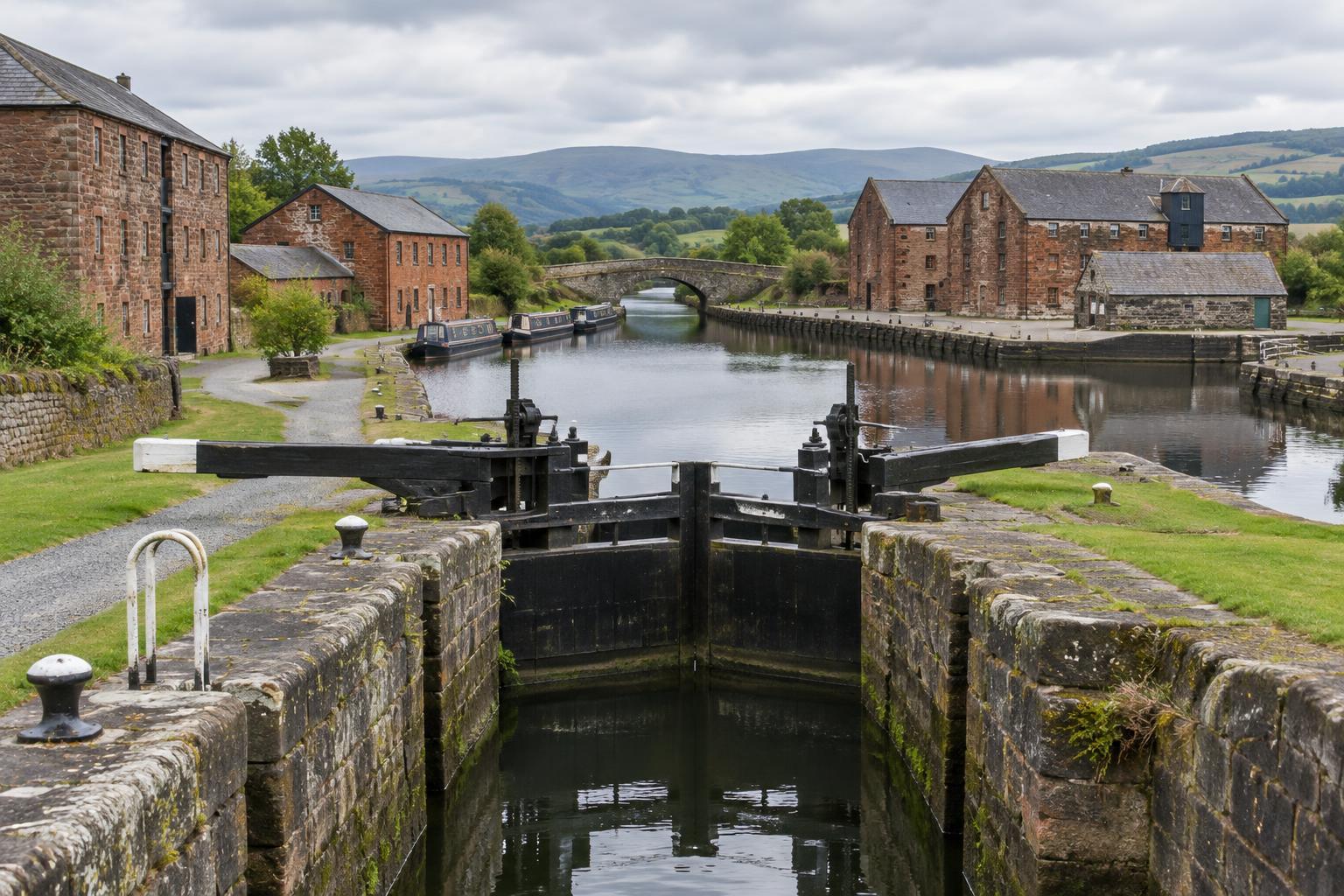
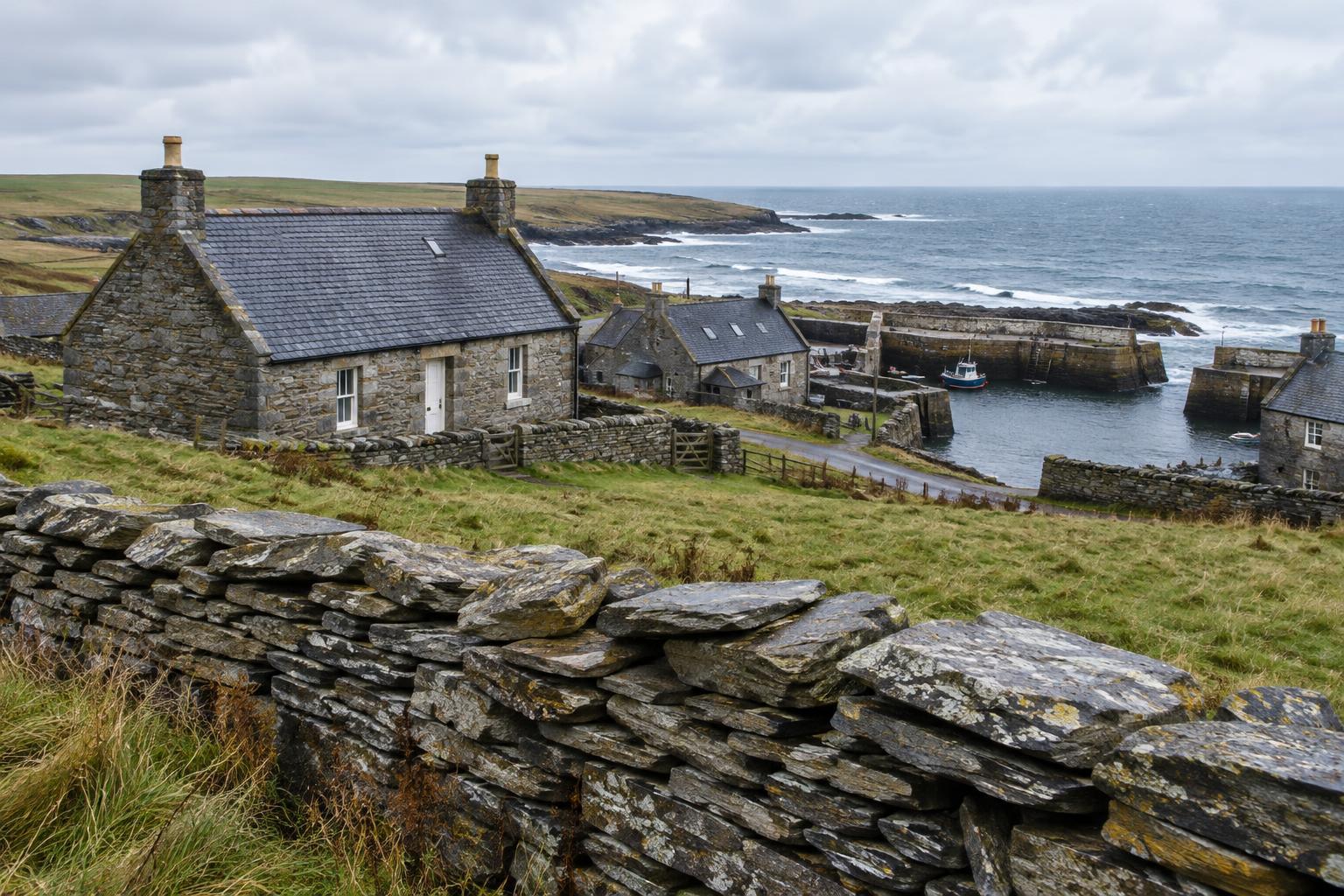
Buildings in Caithness often seem closely related to the ground around them. Stone appears in walls, outbuildings, boundary dykes, paving and harbour works, giving settlements and working landscapes a shared texture. That resemblance is partly practical: before materials could be moved easily over long distances, builders made use of stone available nearby. The results still varied from place to place, depending on the stone, the building’s purpose and the resources of its owner.
Flagstone is an important part of this story. The term describes stone that can be split into relatively flat pieces along natural layers. In Caithness, it offered builders useful slabs as well as smaller pieces for masonry. Yet “built of flagstone” does not describe a single style. A carefully finished house, a rough agricultural wall and a paved surface might draw on the same local geology while looking and functioning quite differently.
What flagstone made possible
The shape of the material influenced the shape of the work. Broad, flat pieces could make paving, steps, lintels and copings; smaller stones could be laid in courses to form walls. Selecting a slab for a particular job required judgment about its size, thickness and soundness. A stone suitable underfoot might not be the right choice to span an opening, and a wall depended on how its pieces were fitted and supported, not simply on their being local.
Quarrying and dressing also left their mark on appearance. Some stonework has regular edges and even courses, while other work makes visible use of irregular pieces. These differences can reflect budget, intended use, the period of construction and the skill available to the builder. They are clues rather than a reliable way to date a building by sight. Repairs and alterations may have brought materials and techniques from several periods into the same wall.
Building for wind and wet
Caithness’s exposed coast and open landscapes make weather an important part of understanding its buildings. Wind-driven rain tests joints, roofs and openings, while persistent moisture makes drainage and maintenance especially valuable. Stone provides a durable structure, but it does not make a building weatherproof on its own. The performance of a wall also depends on its construction, pointing, surface finishes and the condition of its roof and gutters.
Roof forms and coverings are worth looking at alongside the walls. Heavy stone slabs could be used as roofing where the design and structure could carry them, but they were not the answer for every building. Other roofing materials and later replacements are also part of the regional picture. Rather than assuming every feature was designed solely to resist the climate, it is more useful to ask how weather, cost, available materials and changing expectations worked together.
The craft behind an everyday appearance
Much of Caithness’s built character lies in ordinary decisions made well: choosing stones that sit securely, forming a stable corner, protecting the top of a wall or shaping an opening that can take a door or window. These details can be easy to miss because they are not decorative. They show how builders adapted a material with its own strengths and limits to the needs of homes, farms and places of work.
The visible result was also shaped by people who used and repaired buildings after their first construction. A widened doorway, a patched roof or a rebuilt section of boundary wall may tell a story of changing work rather than careless inconsistency. Preserving that story calls for attention to the particular building. Replacing a weathered detail with something tidier can sometimes erase evidence of how it was made or adapted.
How to read the built landscape
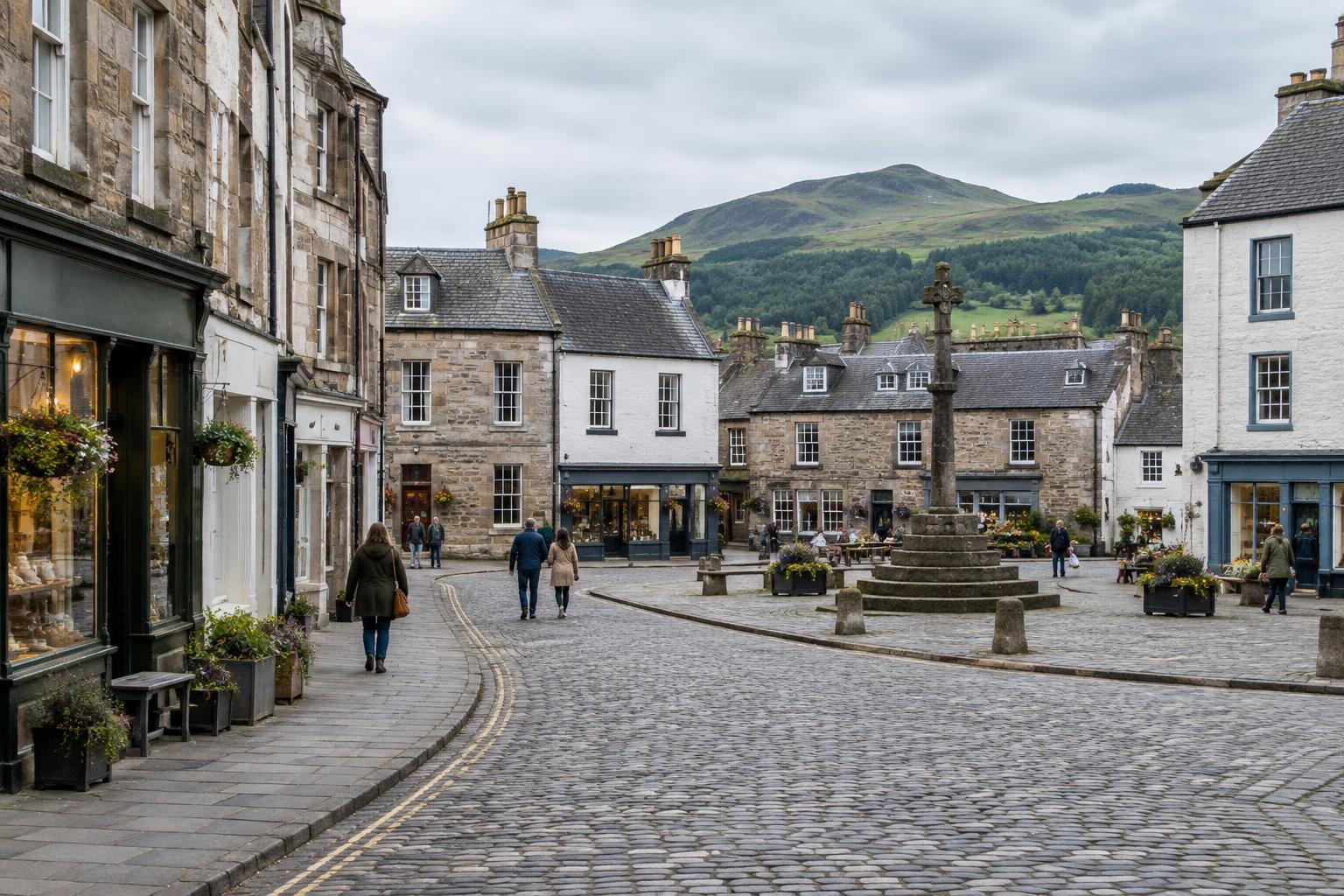
A useful way to explore Caithness is to compare buildings with their surroundings rather than search for one “typical” house. Notice where broad slabs are used and where smaller stones do the work. Look at the relationship between a dwelling, its outbuildings, field boundaries and routes to the shore. In a town or village, compare prominent buildings with simpler working structures. The contrasts reveal different needs and means within the same region.
Photographs and film can help document those relationships, especially when they show a building in its landscape as well as its individual details. A close view of stonework may reveal craft; a wider view can show exposure, access and nearby sources of material. Neither image proves a complete history by itself. Caithness buildings look distinctive because geology, weather, work and human choices meet in them—and each building holds its own version of that encounter.