A name is a clue, not a complete history
Place names are among the most visible traces of Scotland’s past. They appear on road signs, railway maps and walking routes, often long after the circumstances in which they arose have changed. A name may point towards a language once spoken locally, a feature of the landscape or an activity associated with a site. It is a useful starting point for asking historical questions, but rarely a complete answer.
Names can remain in use while the people using them change their pronunciation, spelling or understanding of them. A familiar-looking word may also have a less obvious origin than it seems to have today. That makes the question “What does this name mean?” different from “What happened here?” Even a well-supported interpretation of a name does not, by itself, establish when a settlement began, who lived there or how people understood their own identity.
Listen for Scotland’s layers of language
Scotland’s place names reflect a history in which Gaelic, Scots, English, Norse and other languages have been spoken in different places and periods. Their patterns are not uniform. A name associated with one language may sit beside names associated with another, and the spellings seen on modern maps may have passed through several hands before becoming standard.
Some elements offer a promising first clue. Inver, for example, commonly appears in names associated with river mouths or confluences and is linked to Gaelic inbhir. Kirk often points to a church in Scots place names. Yet recognising an element is only the beginning: similar sounds can have different origins, and the rest of a name may be difficult to interpret. It is better to say that a proposed meaning fits the evidence than to treat a quick translation as a settled fact.
Language also cannot be mapped neatly onto a single community. People may continue to use a name borrowed from an earlier language, adapt it to their own speech or use different names for the same place. The survival of a name is evidence worth investigating, not proof that one group occupied a place continuously or exclusively.
Check the name against the place and the record
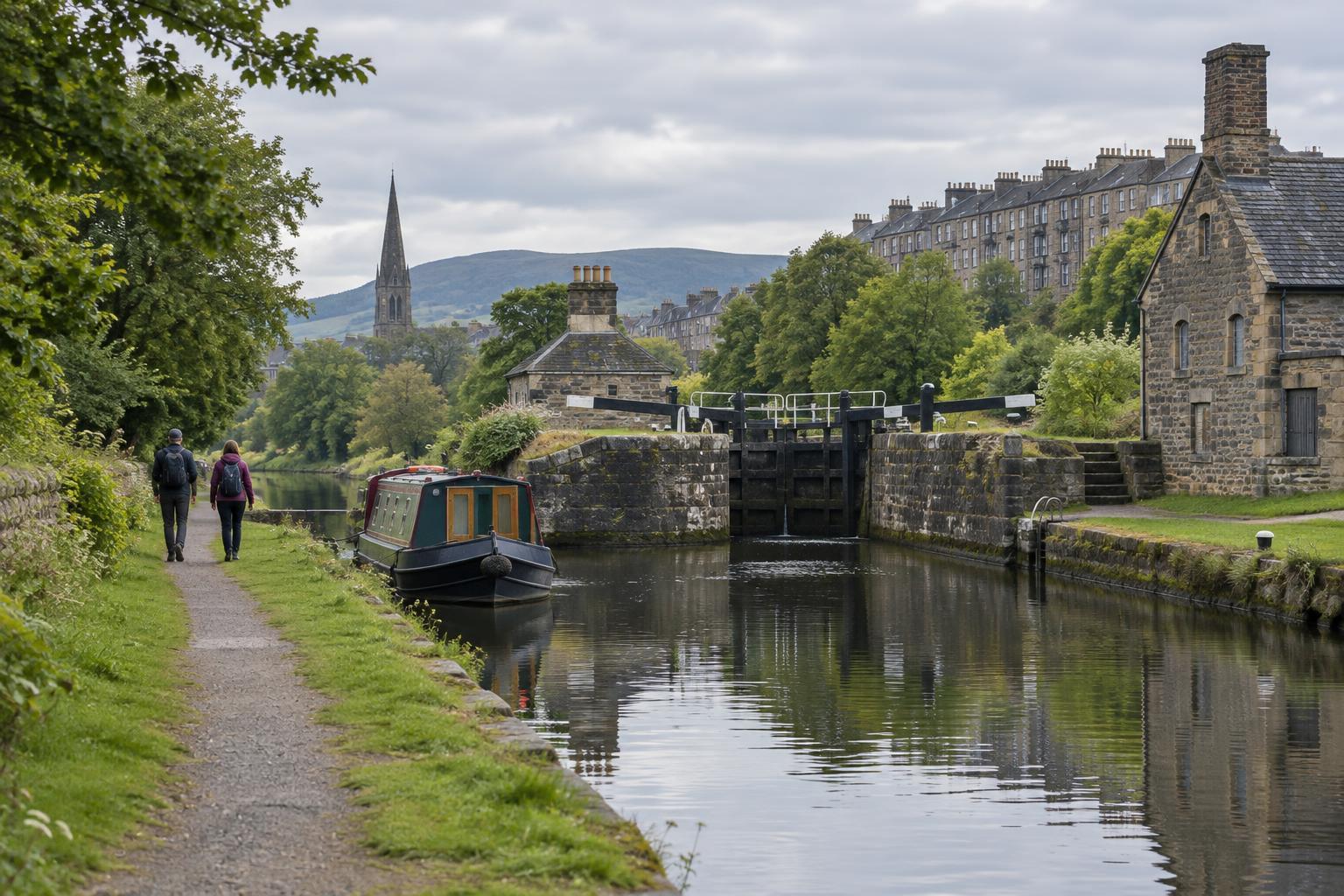
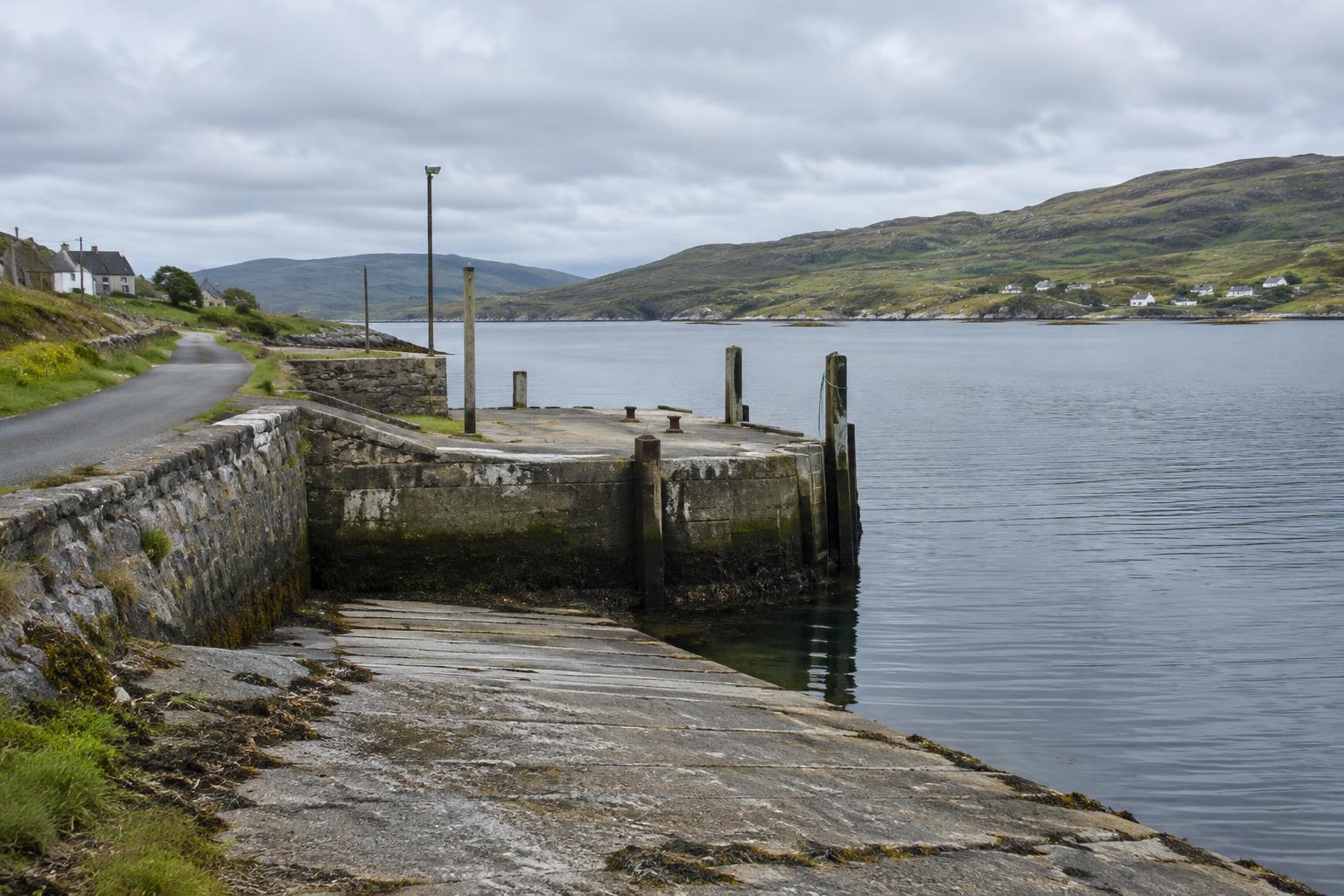
The landscape is often the first useful comparison. If a proposed meaning refers to water, a hill or a route, look at the terrain rather than relying only on a modern street plan. Rivers can be redirected and built-up areas can conceal older features, so an apparent mismatch does not automatically disprove an interpretation. Equally, a plausible landscape match is not enough to confirm it.
Older written forms can help show how a name changed. Maps, estate papers and other local records may spell the same place differently, sometimes reflecting the recorder’s language or best attempt at a spoken name. A sequence of spellings can be more informative than any one version. It also calls for care: an old document records a name as someone wrote it, not necessarily as everyone nearby said it.
Where an interpretation matters to a historical account, compare more than one kind of evidence. The name, its recorded forms, the physical setting and what is known about local history may support one another—or leave room for several explanations. That uncertainty is worth stating. It tells readers where interpretation begins rather than weakening the story.
Tell the story without making the name do too much
Place names make effective openings for films, walks and local-history articles because they invite viewers to look again at an ordinary setting. A camera can move from a sign to the landform a proposed meaning describes, while narration explains what the connection suggests and what remains unknown. The strongest version of that scene distinguishes a visible feature from an interpretation of a word.
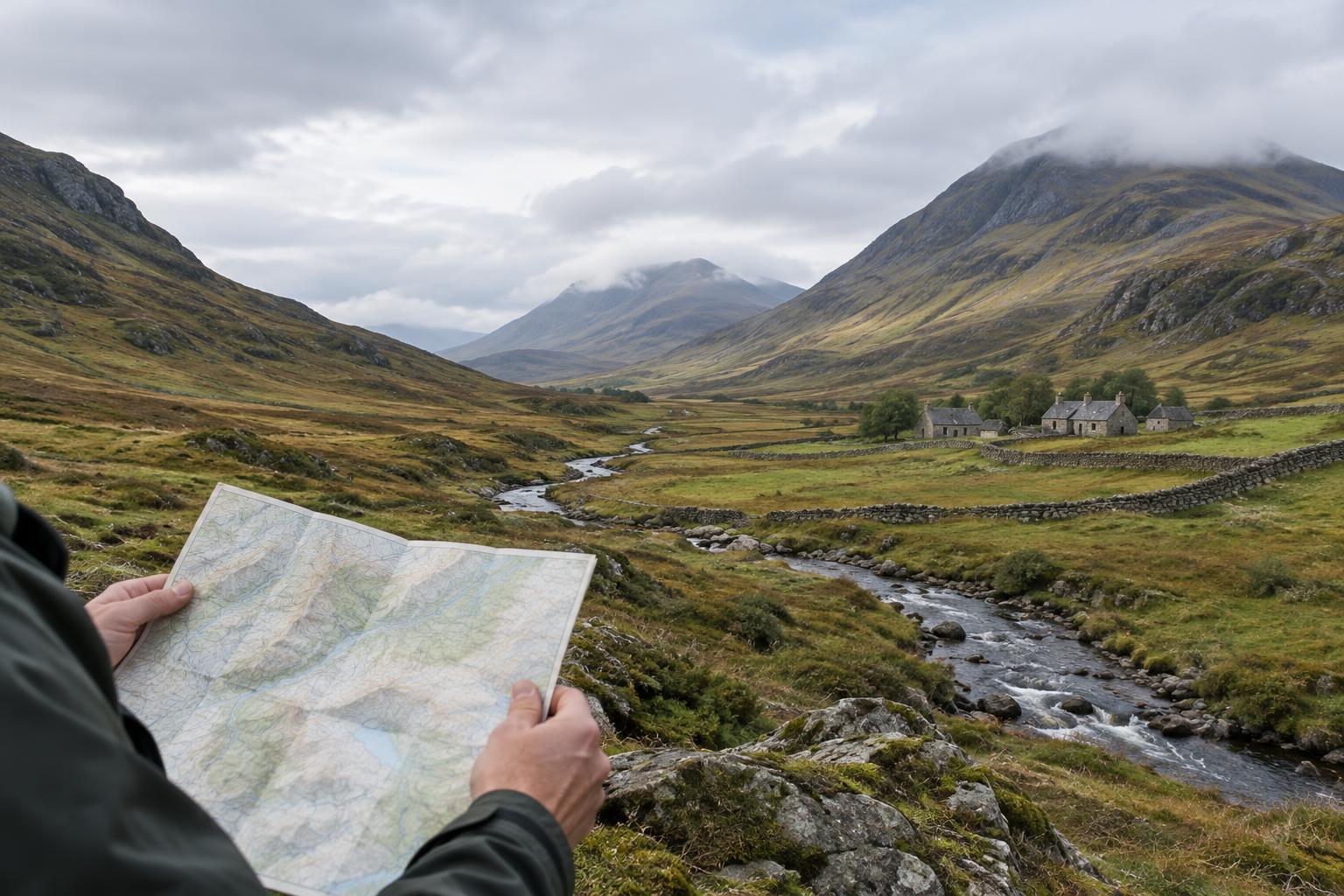
If you are working from a map or transcription, reading each label in its original context helps prevent an attractive phrase from carrying more weight than it should. For further browsing on that habit, explore Reading Closely · Wordcraft Journal. When turning research into a script, creative approaches can help you build a scene around a question rather than inventing a past conversation or presenting imagined details as evidence; Creative Writing · Wordcraft Journal offers a place to browse writing ideas.
Before publishing, check whether words such as “means,” “suggests” and “may” match the strength of the evidence you have. You can browse Editing and Clarity · Wordcraft Journal for more on making that distinction clear in prose. A place name can give a story its starting point and its sense of place. The history becomes richer when the name leads to further investigation instead of being asked to tell the whole story alone.