Start with the school’s place in the settlement
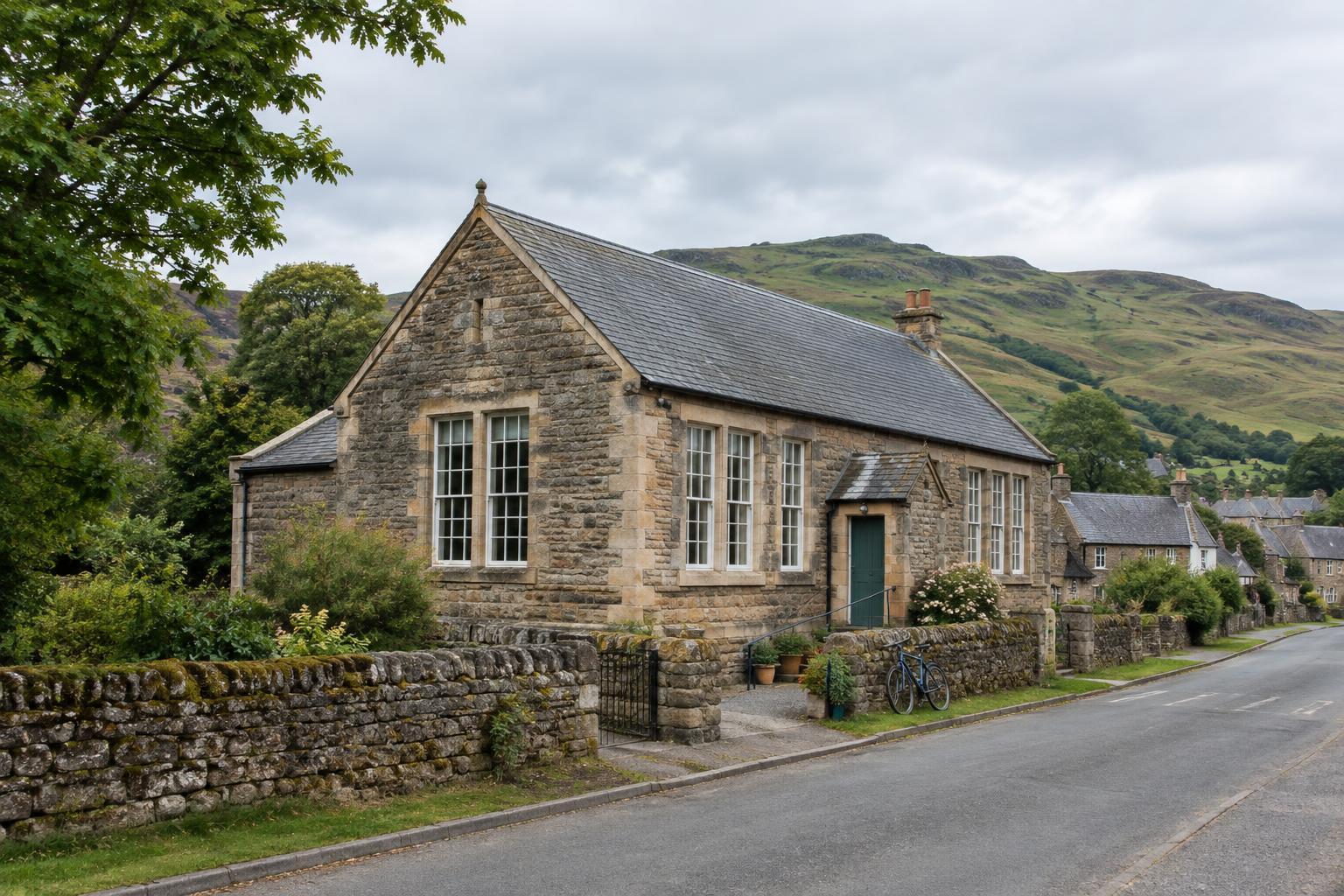
A former school is often easy to spot: a prominent doorway, generous windows or a playground wall may set it apart from nearby houses. Its position is the better place to begin. Is it close to the centre of a village, beside a church or set between smaller settlements? Location can suggest whom the building was intended to serve, though it cannot establish that on its own.
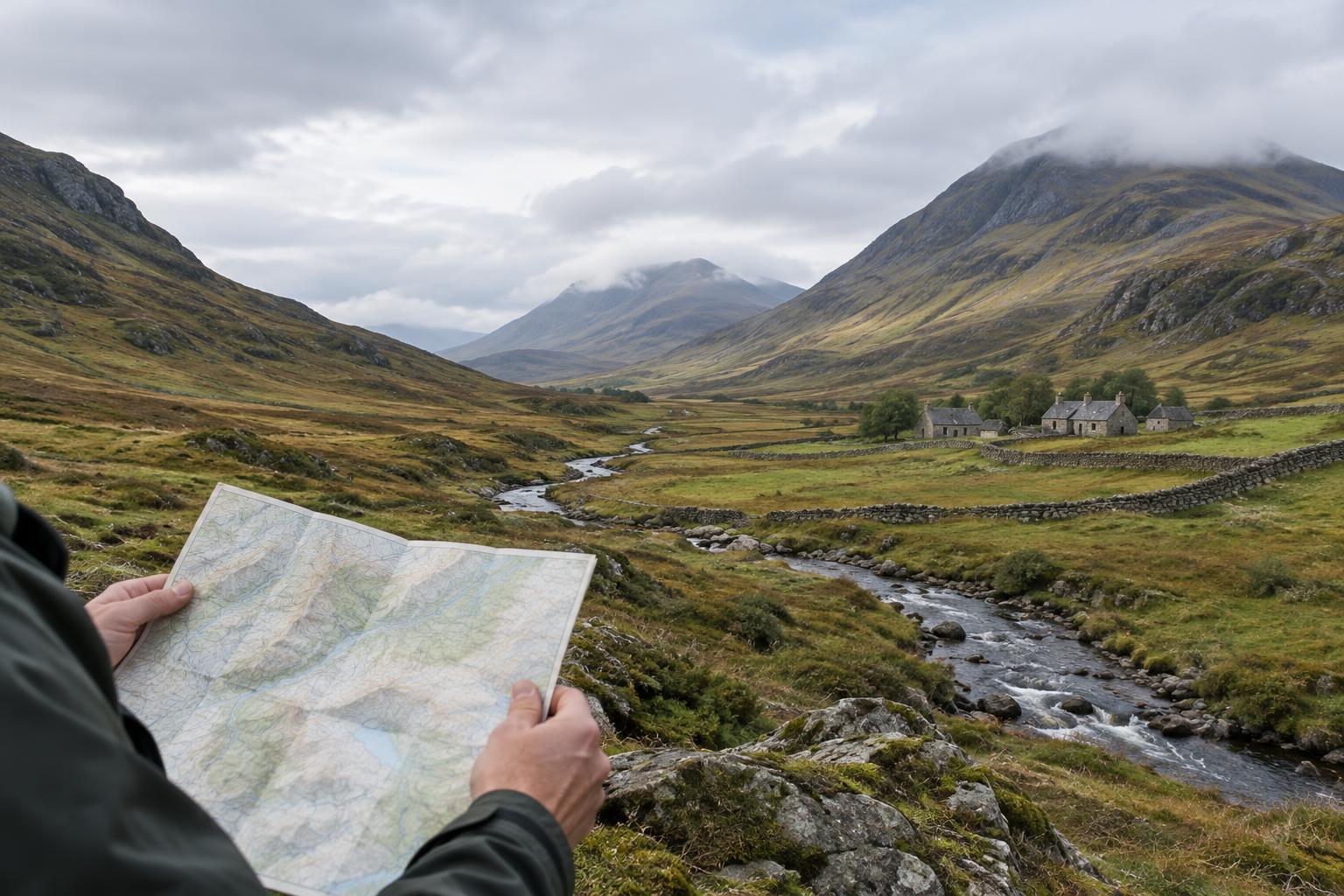
Look at the routes leading to the site. A school reached by several lanes may have drawn pupils from a wider area than its address suggests. In a town, a building now surrounded by housing may once have stood near its edge. Comparing maps from different periods can help distinguish the school’s original setting from later development.
Read the building without treating it as a fixed type
School buildings were shaped by their sites, budgets and the needs of their communities. One may have a single modest teaching space; another may have several entrances, wings added at different times or a separate house associated with a teacher. Materials can reflect local building traditions, but repairs and later extensions may tell a different story from the oldest walls.
Windows are worth noticing because daylight mattered in teaching spaces, yet a large window does not prove that a room was a classroom. Equally, a blocked doorway might mark an altered circulation route rather than an original division between pupils. Photograph visible features, note where changes meet older masonry and leave uncertain interpretations open until other evidence is available.
Ask what changed around the school
A building’s history does not end when its first pupils leave. Schools may have expanded, moved to new premises, merged with others or taken on entirely different uses. These changes can reflect shifts in population, transport and expectations of school facilities. They do not, by themselves, show that a community declined: a growing settlement might also replace a small school with a larger one.
The surrounding ground can hold clues to those changes. A former playground may have become parking or a garden, while a newer boundary might conceal an earlier entrance. Compare what you can see with dated maps and photographs where available. If a feature appears on one map but not another, the maps can narrow the period of change without necessarily explaining why it happened.
Bring local memories and records together
An old school can be a focus for strong personal memories: a route walked each morning, a room used for a community event or a building remembered under a former name. Such accounts add detail that a map cannot show. They may also differ. Ask which period someone remembers, and distinguish firsthand experience from stories passed down through a family.
Local archives, libraries and heritage groups may hold photographs, plans or written accounts, though what survives varies from place to place. When comparing a remembered scene with a photograph, check whether the date and location are clear before drawing conclusions. An undated image can still prompt useful questions, but it should not be presented as proof of a particular year or event.
Tell the story of a place still in use
Many former schools are now homes, workplaces or shared community spaces. Their heritage remains visible, but they are not open-air exhibits. View buildings from public places, respect signs and boundaries, and seek permission before photographing private interiors or speaking with occupants. A careful account can describe what is visible without suggesting access to spaces that are not public.
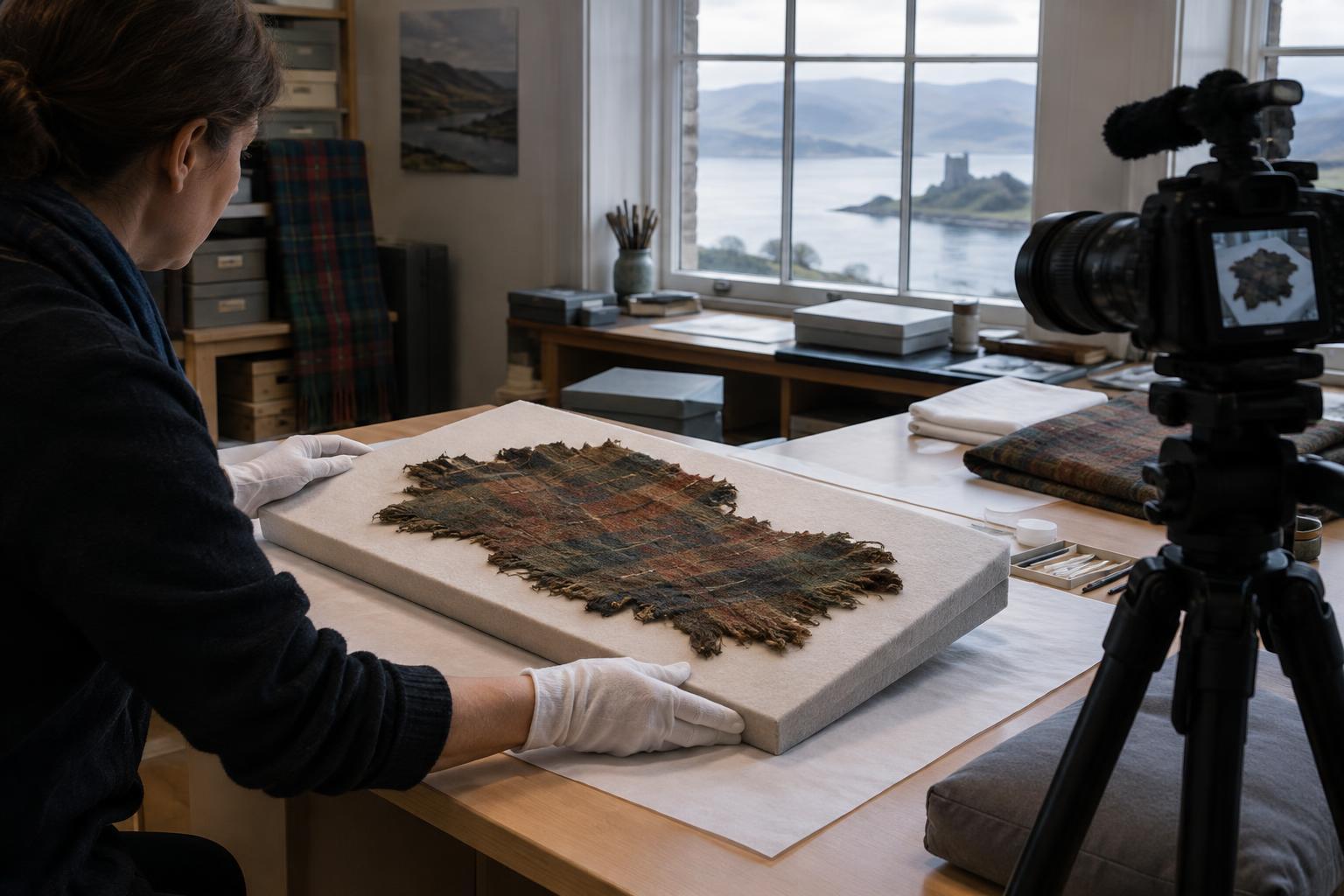
If you are making a short film or photo essay, pair wide views of the building and its setting with details that illustrate a specific question: an extension, an altered gate or the route from nearby houses. Label archival images according to what is actually known, and separate observation from interpretation in captions. The most useful story may not be a complete history of one school, but a clear account of how its building and community have changed together.