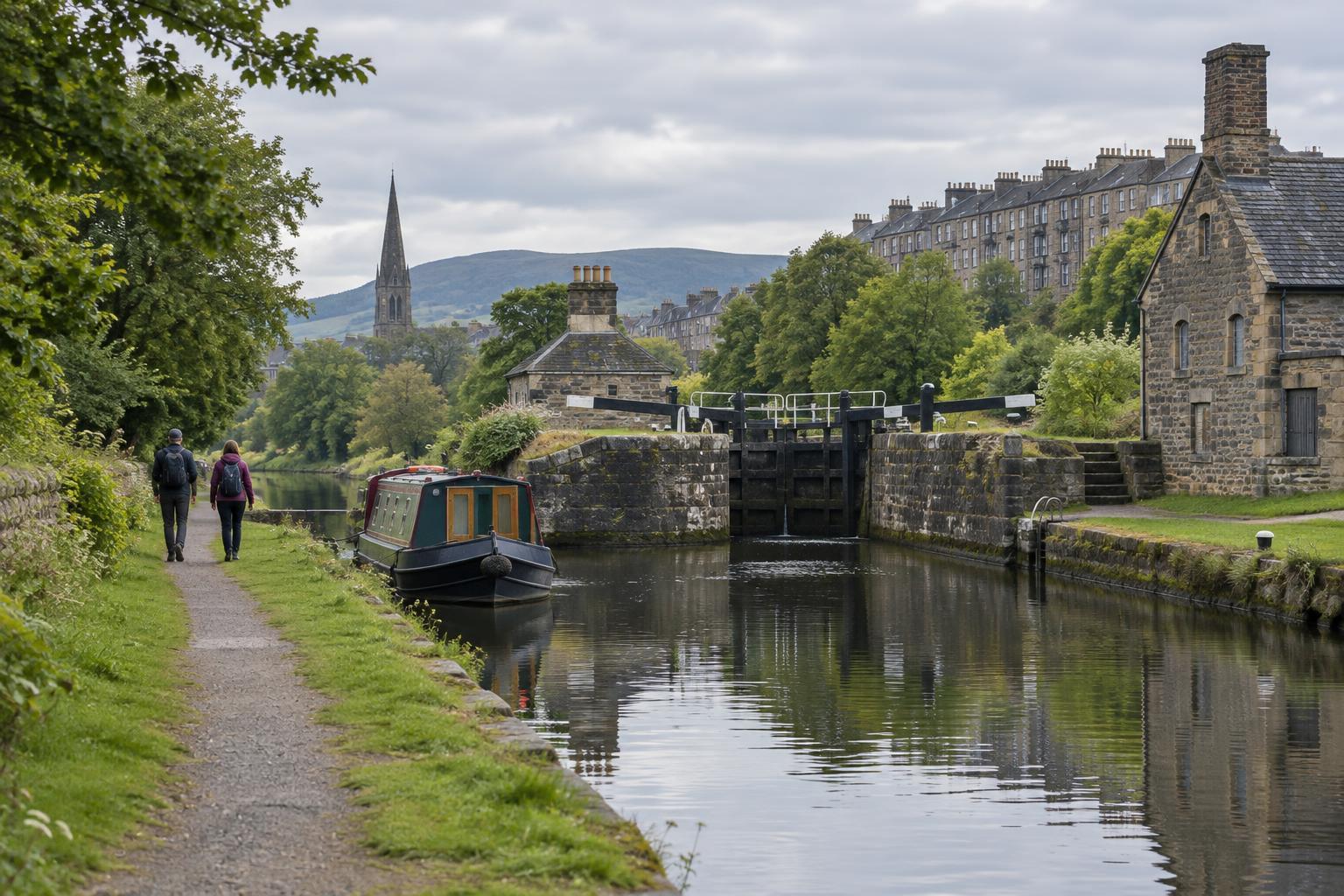
Cultural TravelA canal walk can reveal more than engineering. Learn how to plan a manageable Scottish heritage outing that makes room for transport history, changing neighbourhoods and the people who use the waterway today.
Read article · 4 min↗
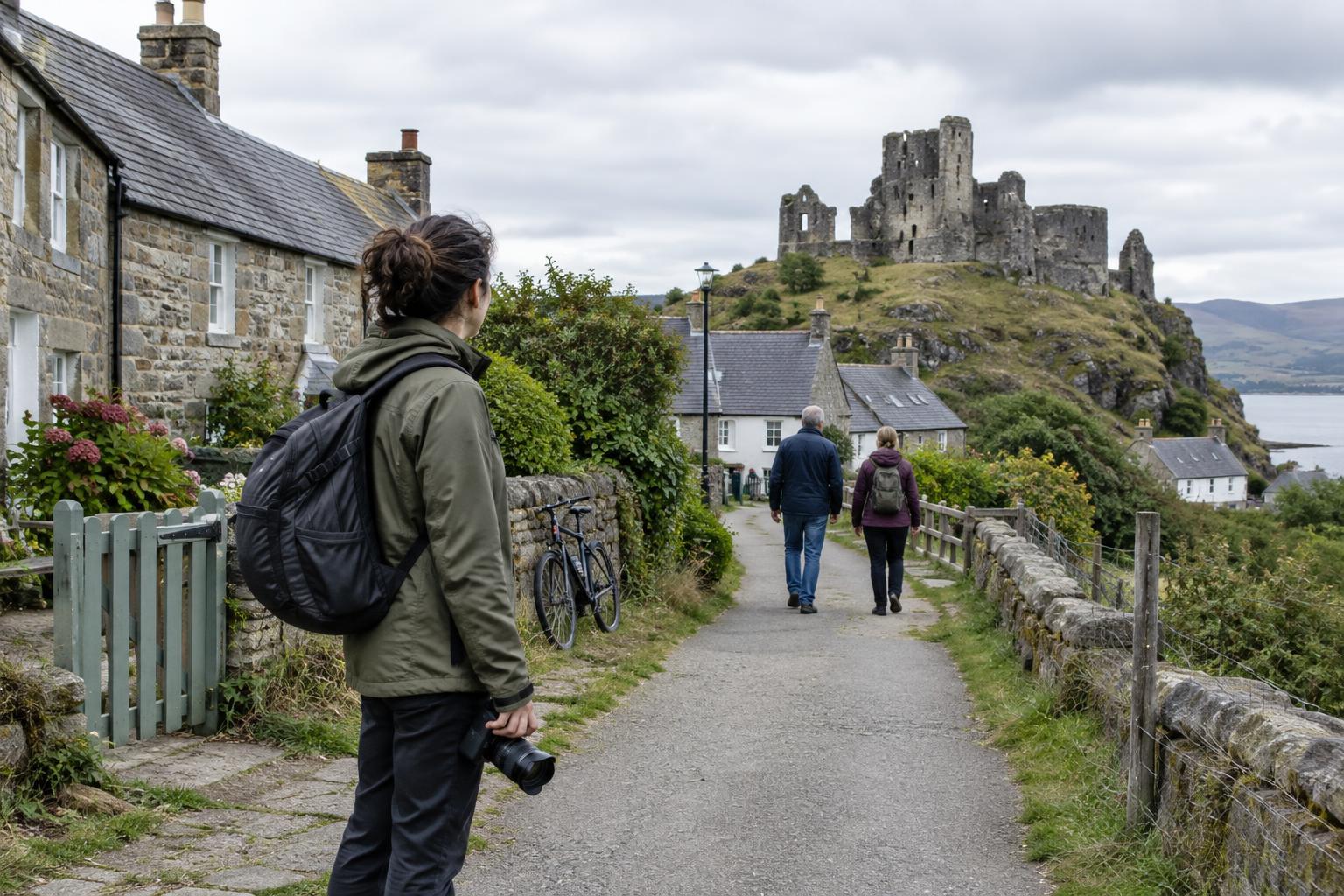
Cultural TravelA historic site can make a compelling photograph, but it is rarely an empty stage. Avoid common mistakes with access, portraits, context and captions so your images respect both the place and the people who live around it.
Read article · 4 min↗
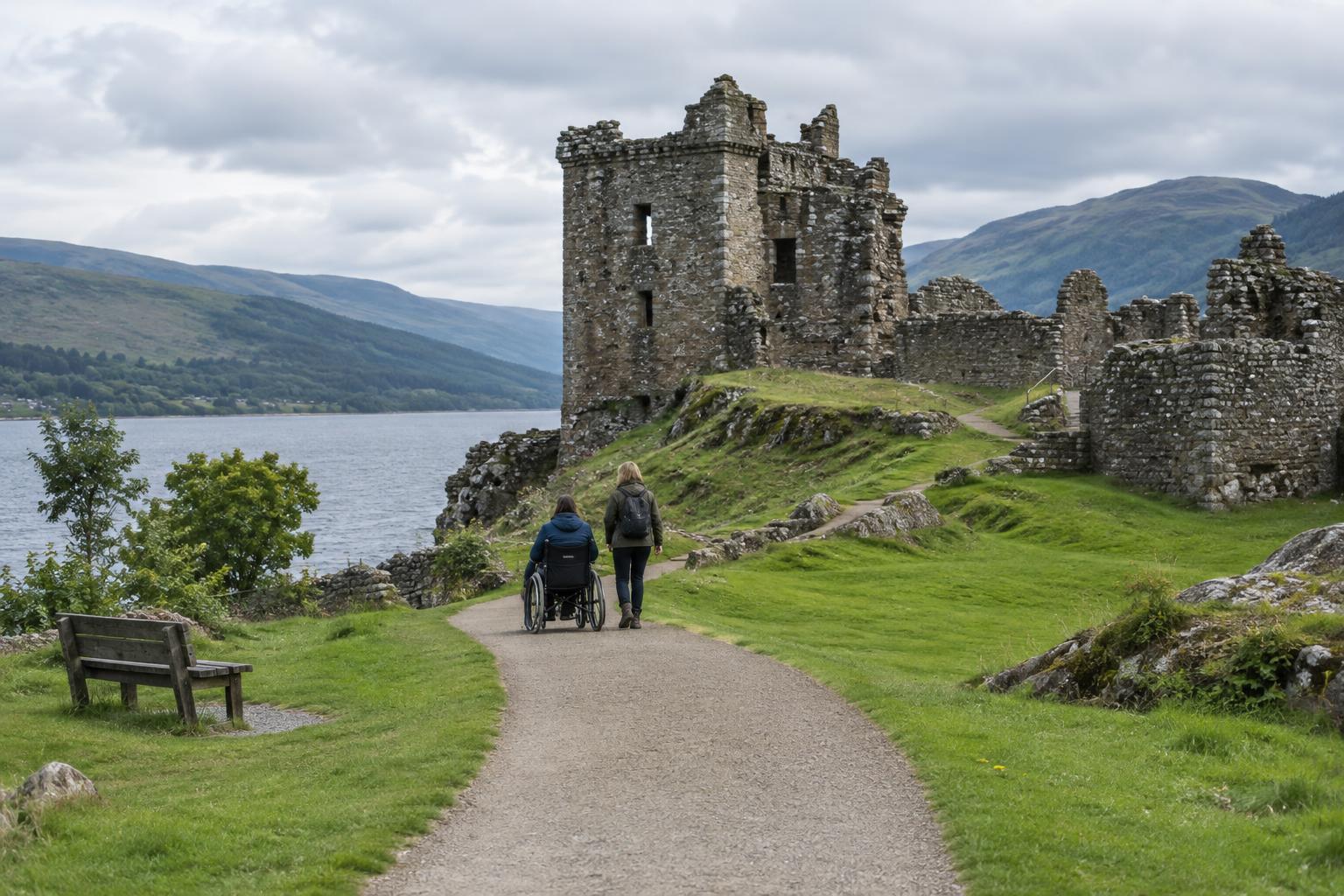
Cultural TravelCastles, abbeys and other historic places can be rewarding to explore, but access varies from site to site—and sometimes from one part of a site to another. A flexible plan can help visitors enjoy the history without making the most difficult route the measure of a successful day.
Read article · 4 min↗
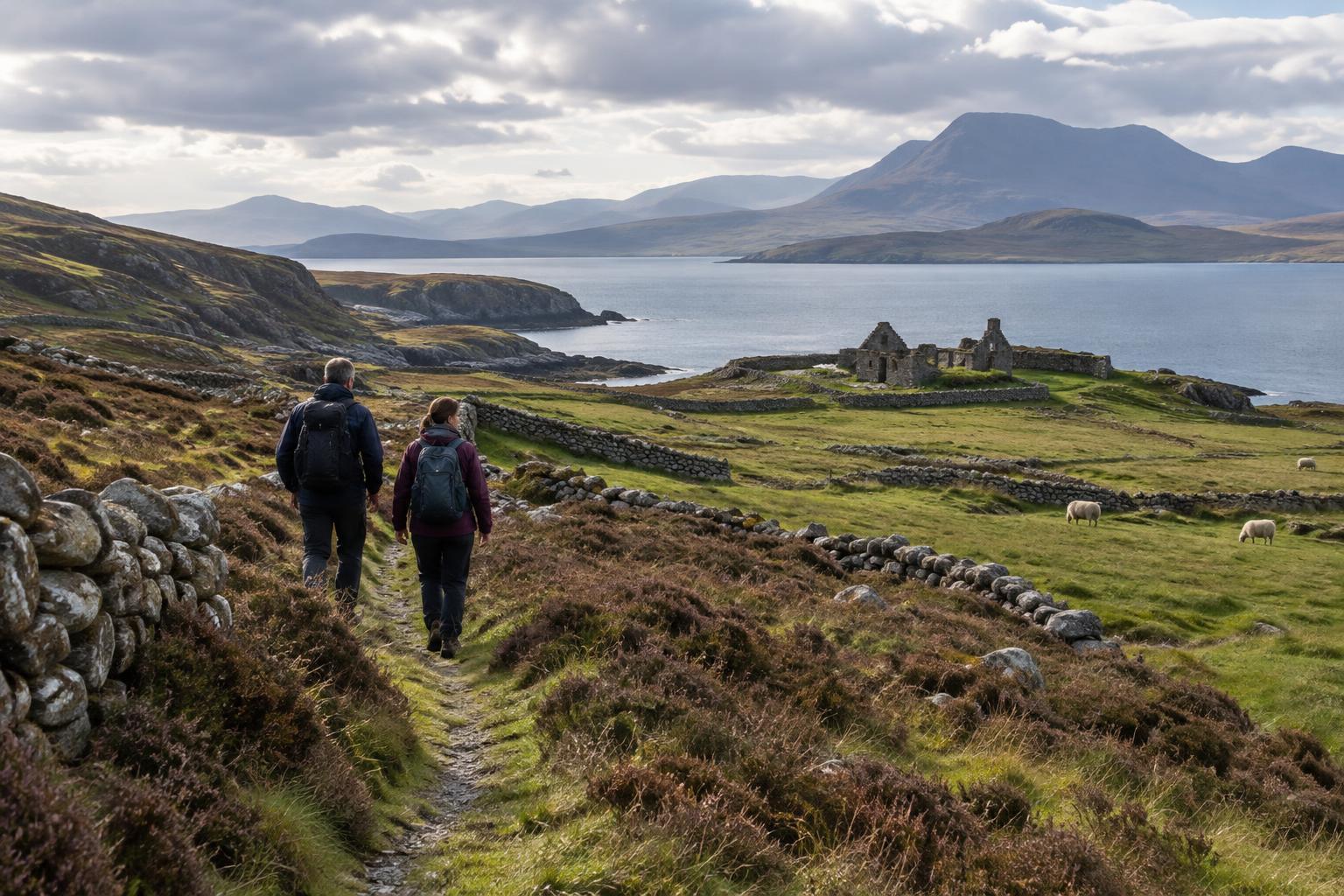
Cultural TravelA walk through a Scottish landscape can bring history into view, from old routes and field boundaries to harbours and ruined settlements. Understanding responsible access helps visitors explore thoughtfully while protecting the places, people and wildlife they encounter.
Read article · 4 min↗
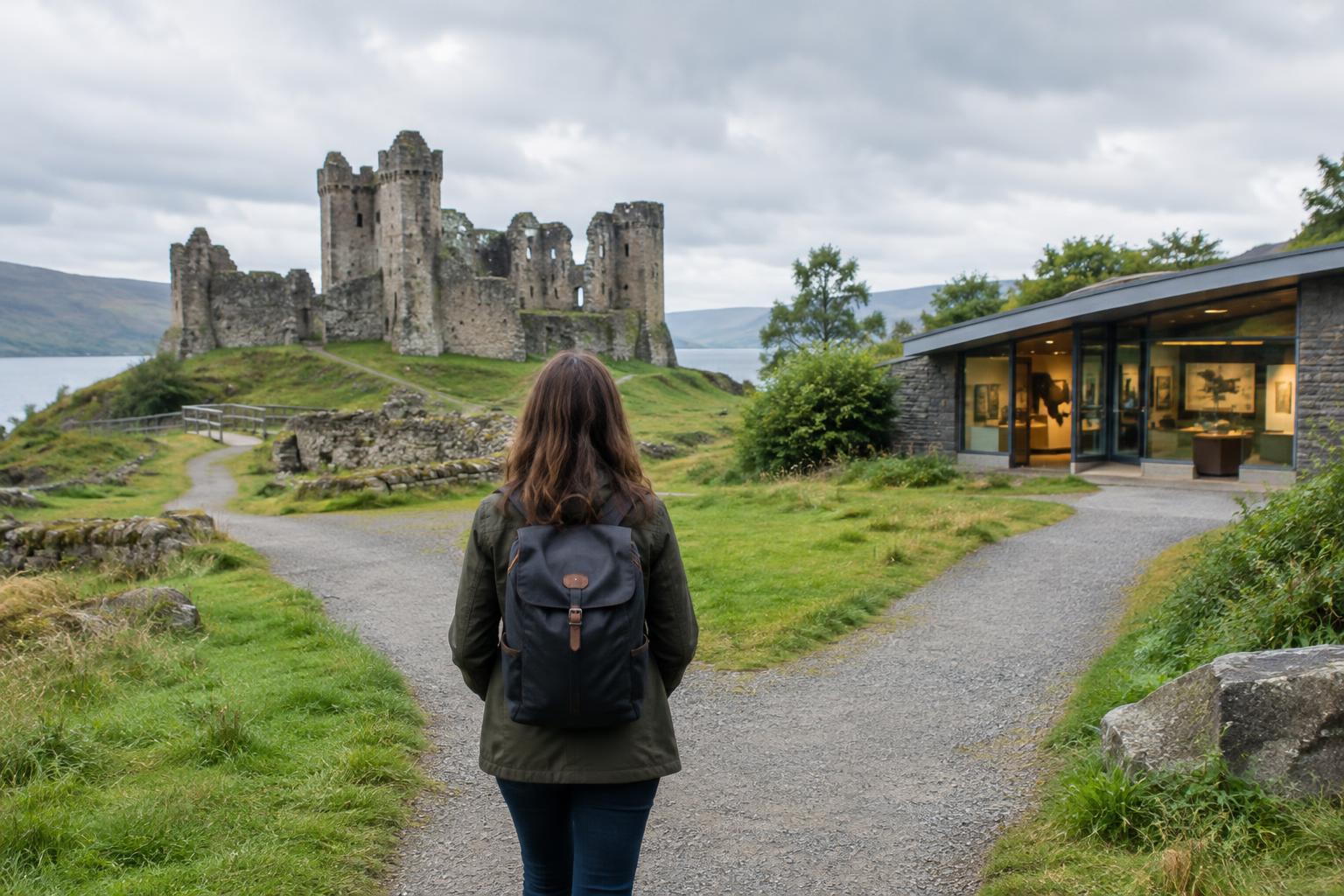
Cultural TravelShould you begin with display cases and maps, or with the place itself? The most useful order depends on what you already know, what the landscape can tell you, and how much time you have. Here is a simple way to plan a Scottish history visit that leaves room for both context and discovery.
Read article · 4 min↗
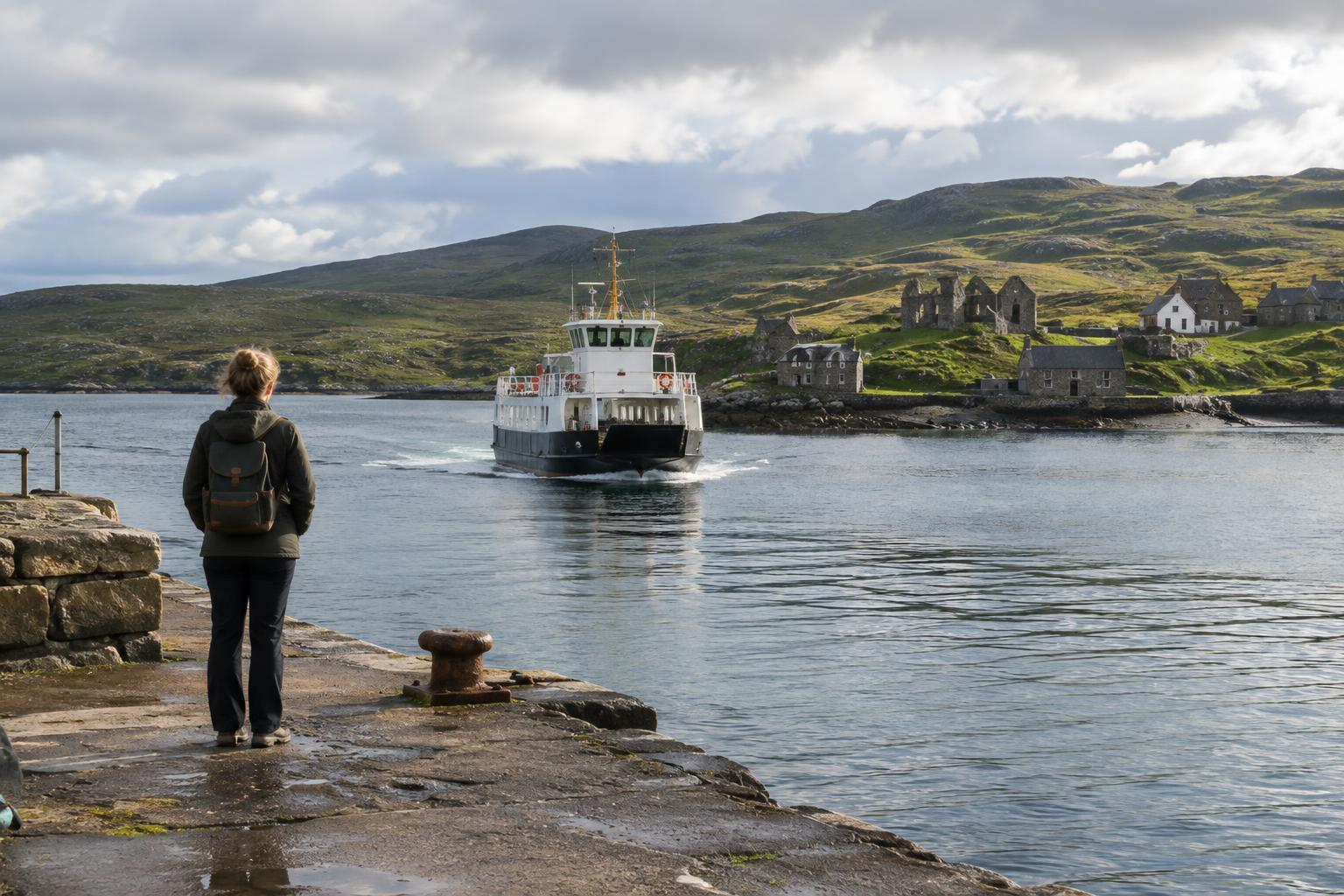
Cultural TravelA Scottish island heritage trip works best when the journey is part of the plan. Start with ferry connections, build in room for disruption, and choose a few meaningful places to explore rather than trying to cover everything.
Read article · 4 min↗
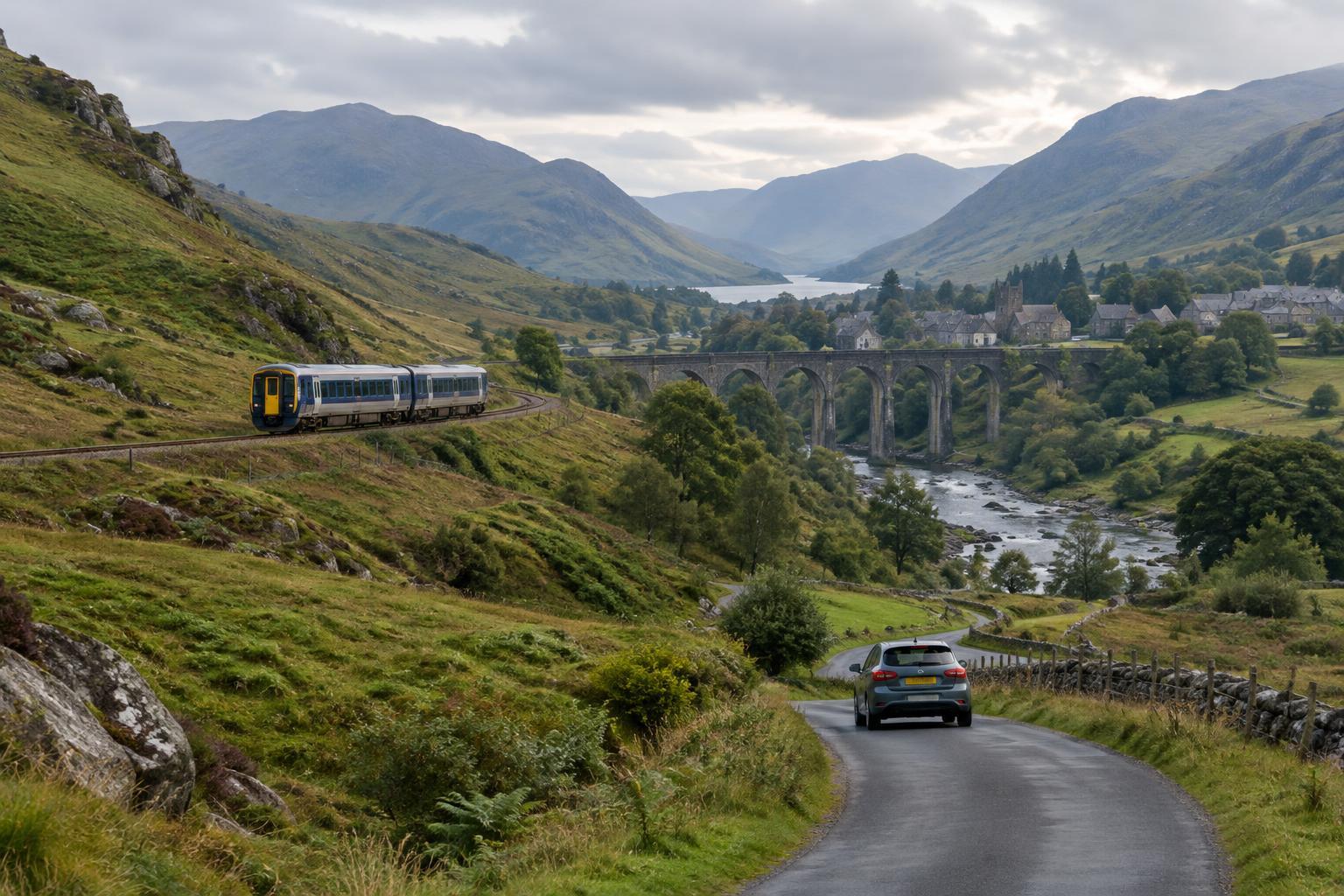
Cultural TravelA heritage trip is shaped by the journey as well as the places you visit. Rail can connect a route to the history of movement and industry, while a car can help you reach dispersed sites. Here is how to choose a practical mix without letting the timetable take over the story.
Read article · 4 min↗
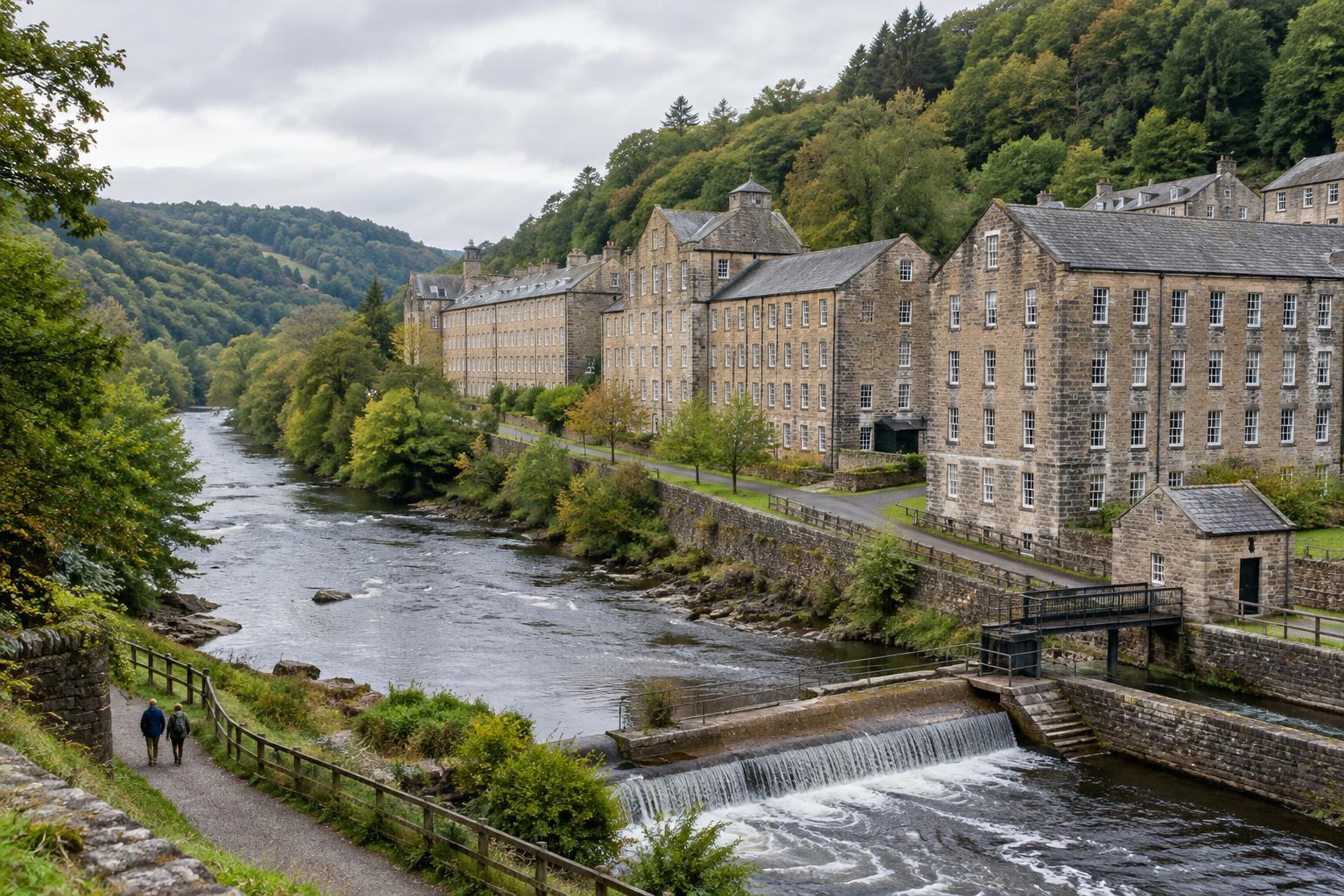
Cultural TravelNew Lanark is more than a picturesque mill village. Plan a day trip that connects its buildings, river setting and visitor displays to the working lives and social experiments that shaped this corner of industrial Scotland.
Read article · 4 min↗
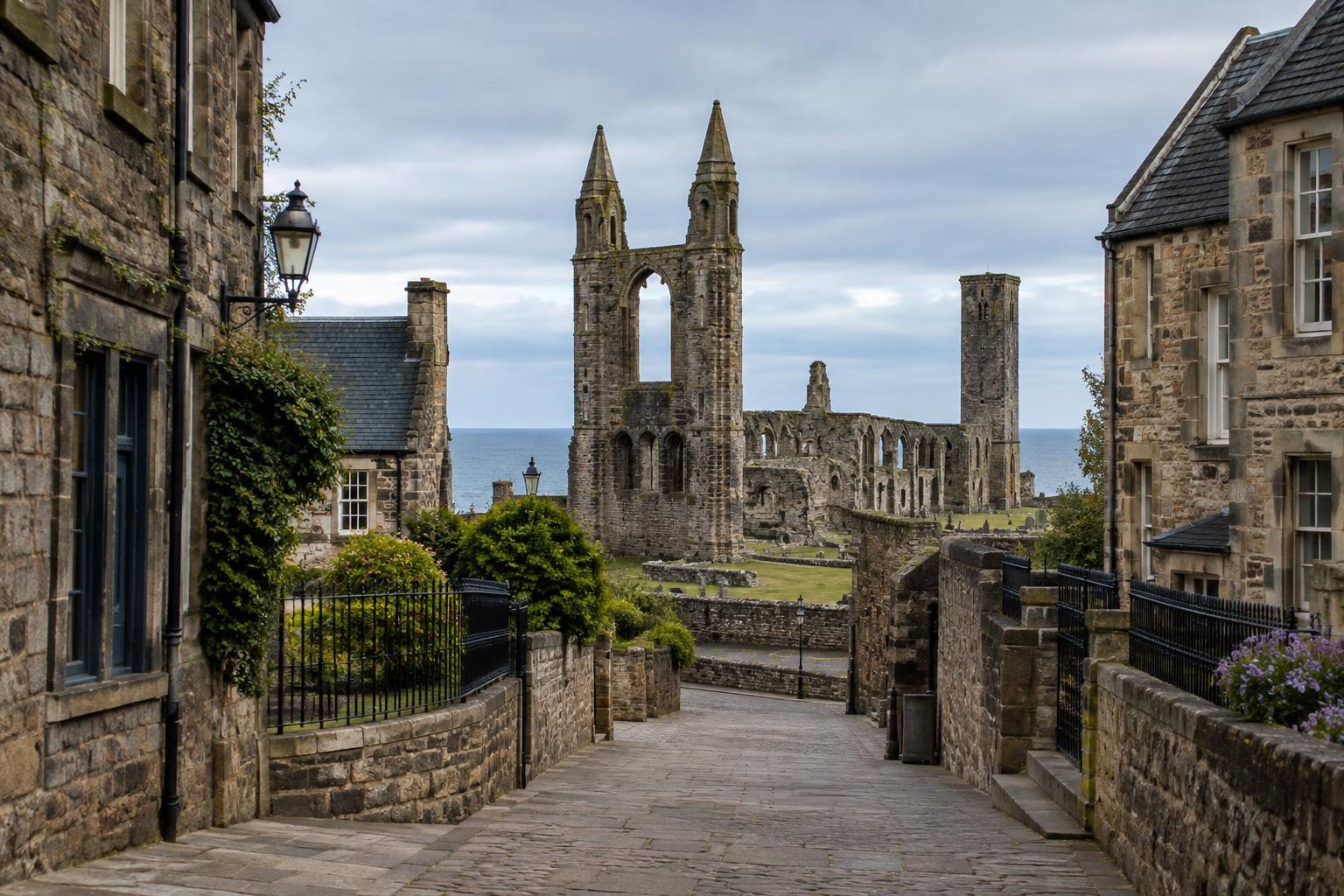
Cultural TravelBeyond its beaches and golf courses, St Andrews offers a compact walk through centuries of learning and religious change. The cathedral, castle, university buildings and parish church reveal how closely scholarship and faith shaped the town—and how carefully their surviving traces need to be read.
Read article · 3 min↗
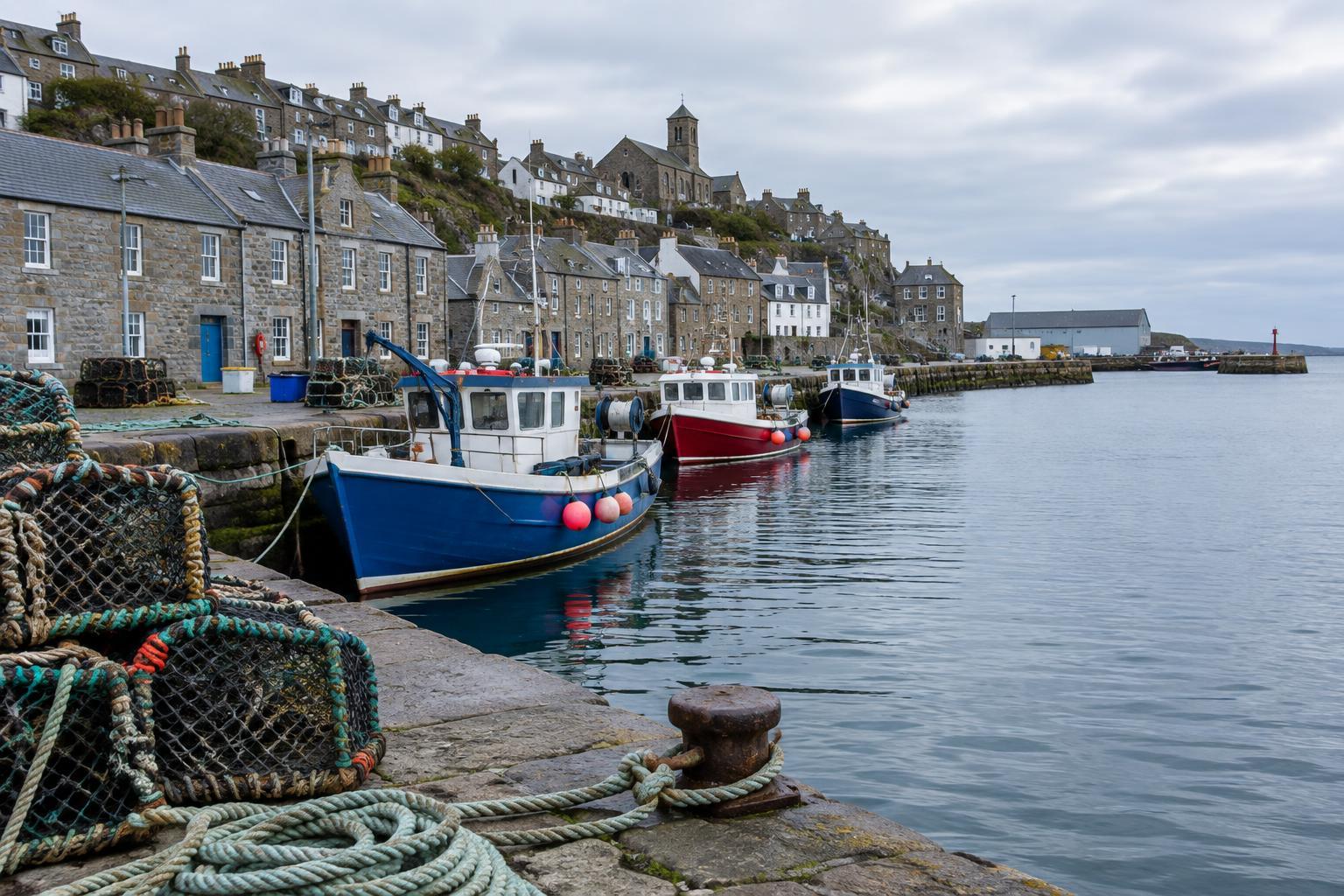
Cultural TravelShetland’s waterfronts tell stories of fishing, trade, boatbuilding and journeys between islands. Begin at Lerwick’s harbour and museum, then look beyond the capital to see how local places preserve different parts of a maritime past.
Read article · 4 min↗
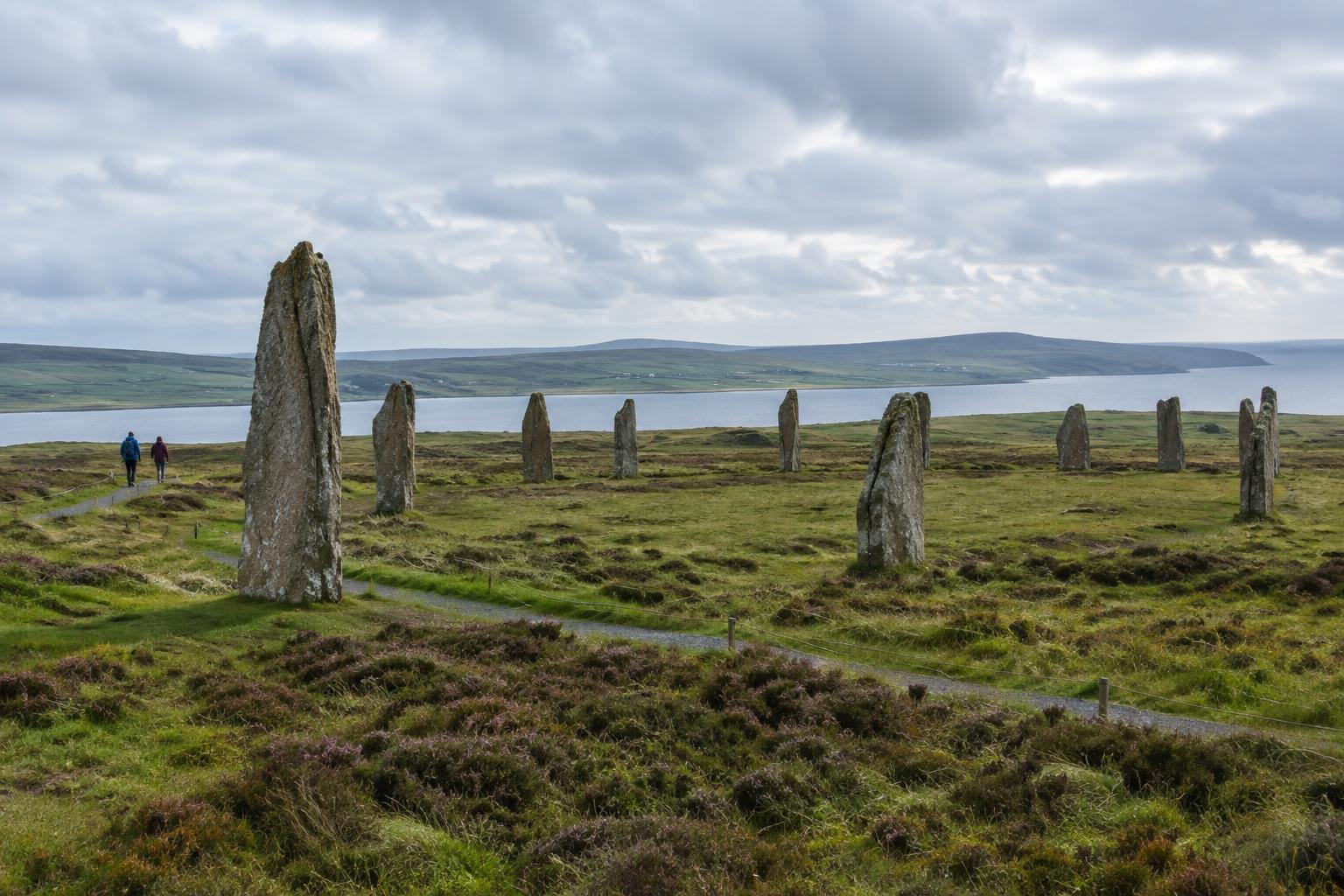
Cultural TravelOrkney’s prehistoric places reward a slower kind of travel. Learn how to plan a visit to sites such as Skara Brae and the Ring of Brodgar, protect fragile remains, and make thoughtful photographs without treating the landscape as a backdrop alone.
Read article · 4 min↗
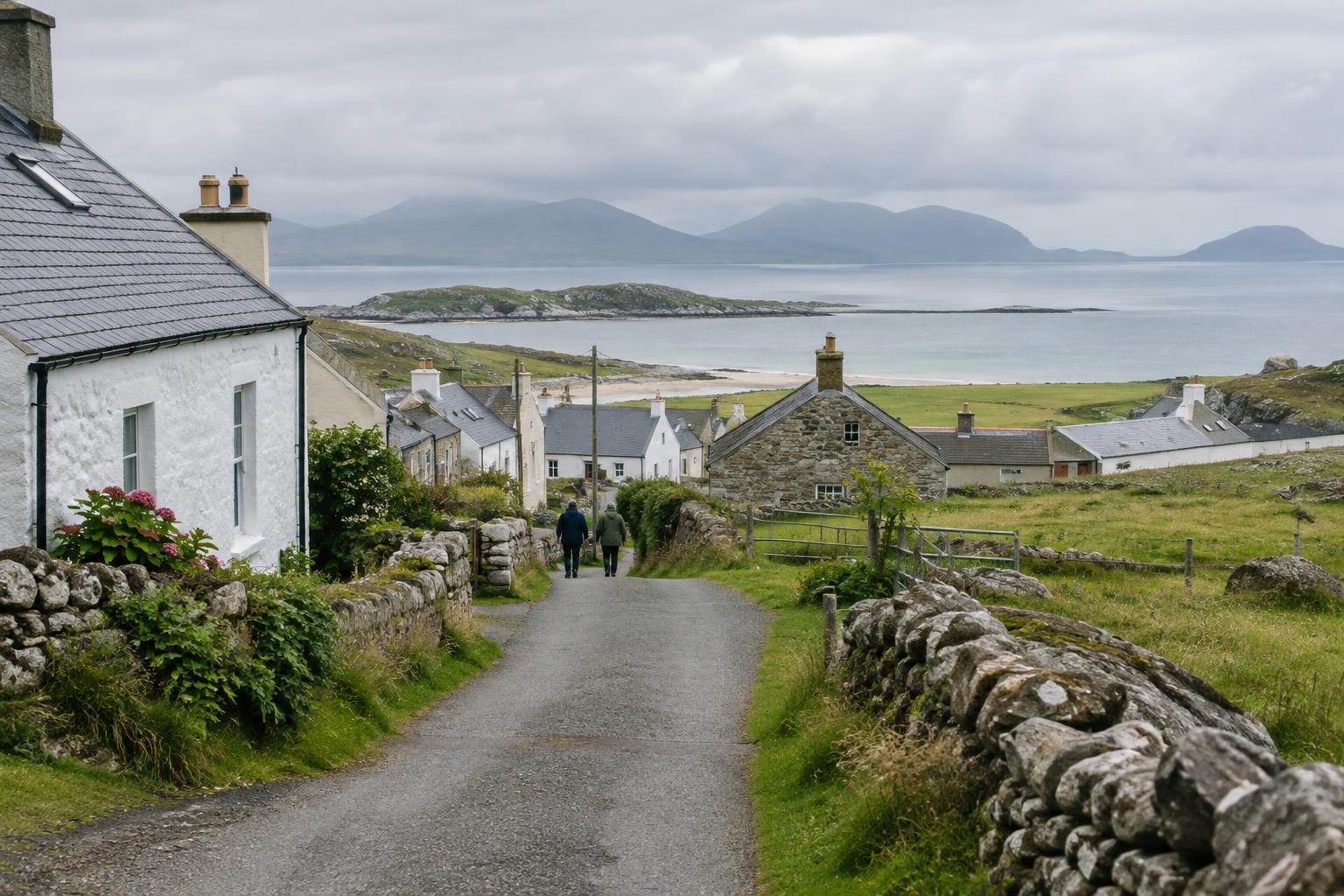
Cultural TravelGaelic heritage in the Outer Hebrides is not confined to museums or historic sites. It is part of life in communities that welcome visitors while also needing space to live and work. Here is a practical way to listen, learn and travel respectfully.
Read article · 4 min↗
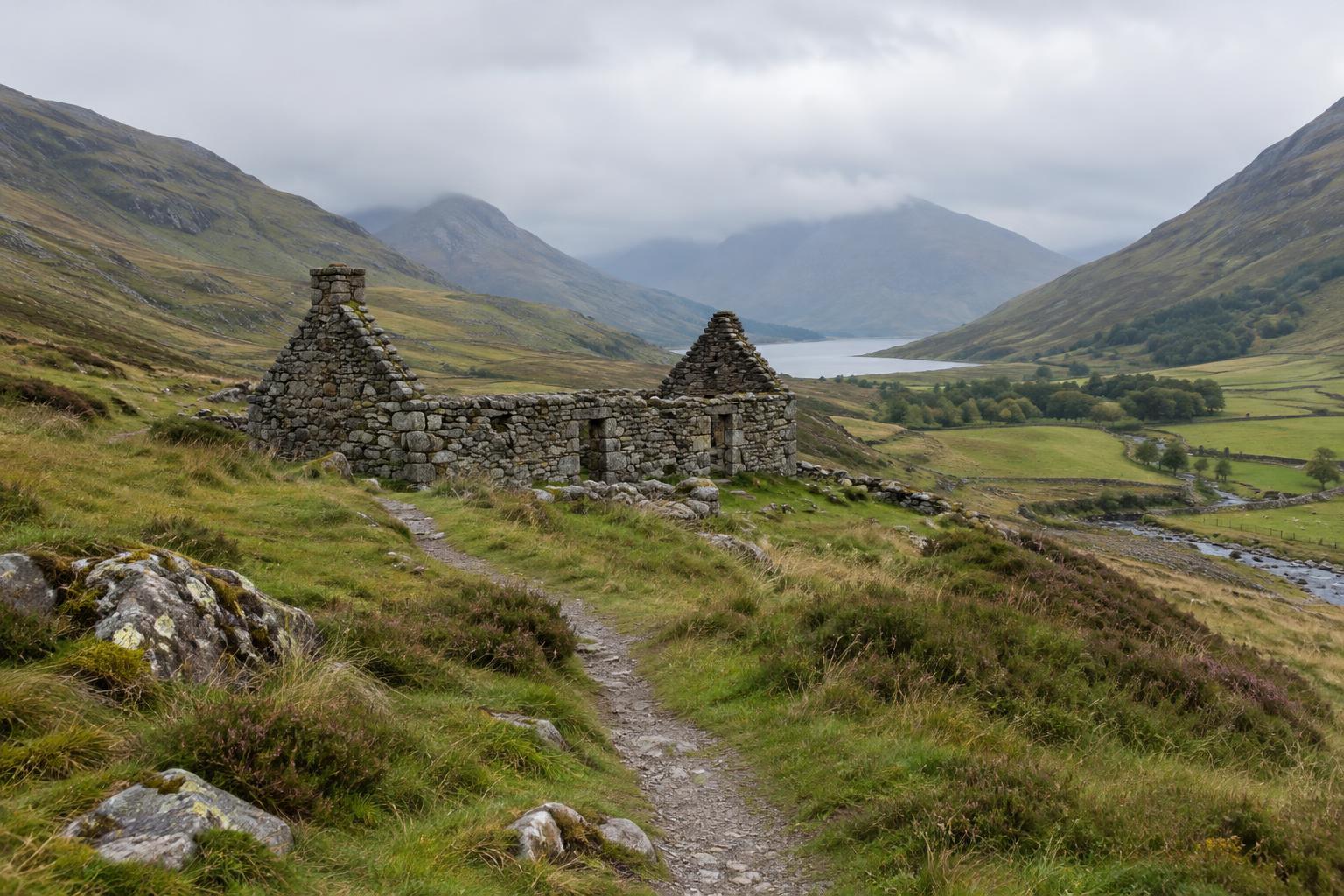
Cultural TravelHighland Clearance history is visible not only in museum displays but also in the places where people lived, worked and left. A thoughtful journey combines local interpretation, memorials and careful attention to the landscape—without treating every ruin as evidence of the same story.
Read article · 4 min↗
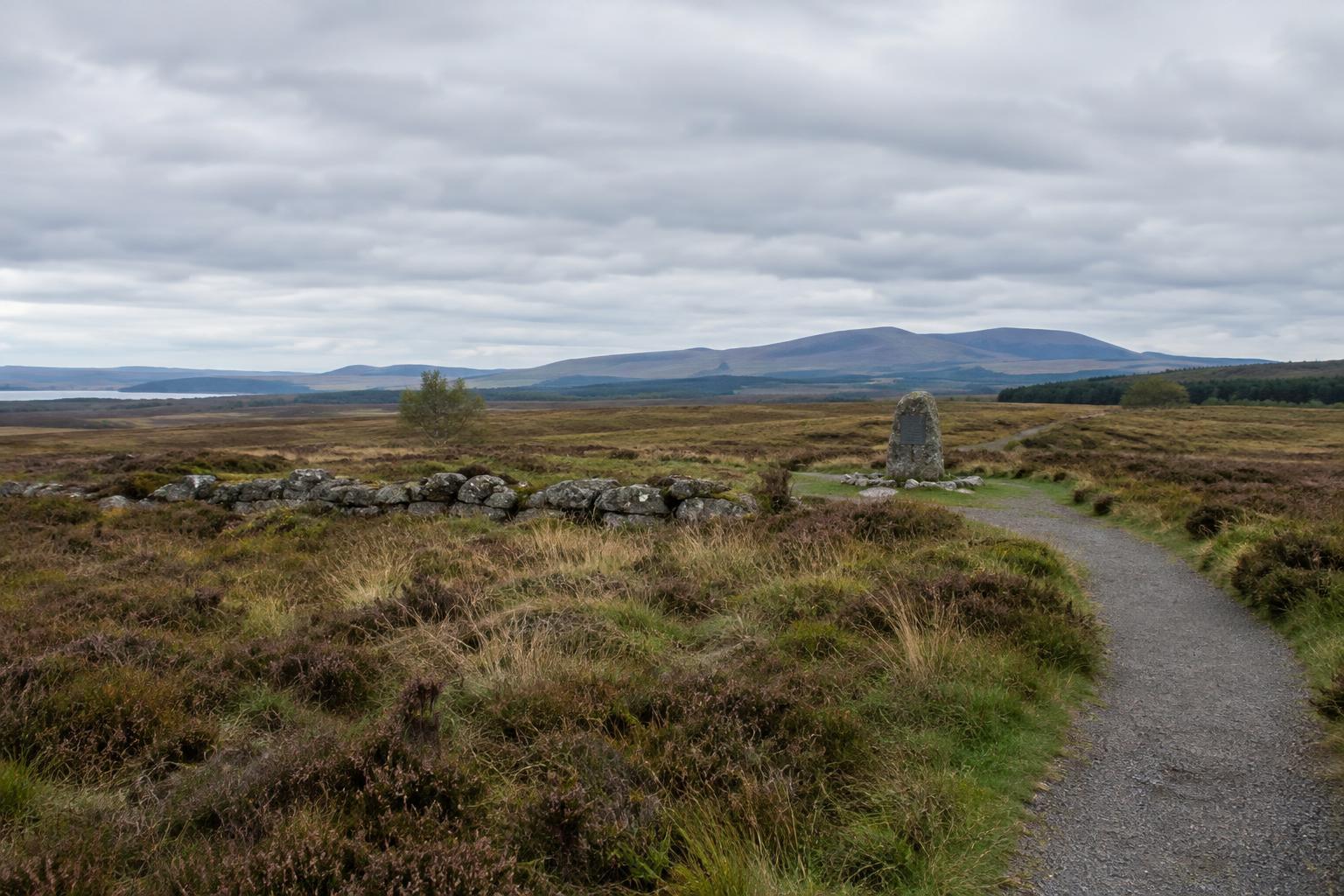
Cultural TravelCulloden is both a place to learn and a place of remembrance. A thoughtful visit begins with the history, leaves room for the landscape to speak, and treats paths, memorials and other visitors with care.
Read article · 3 min↗
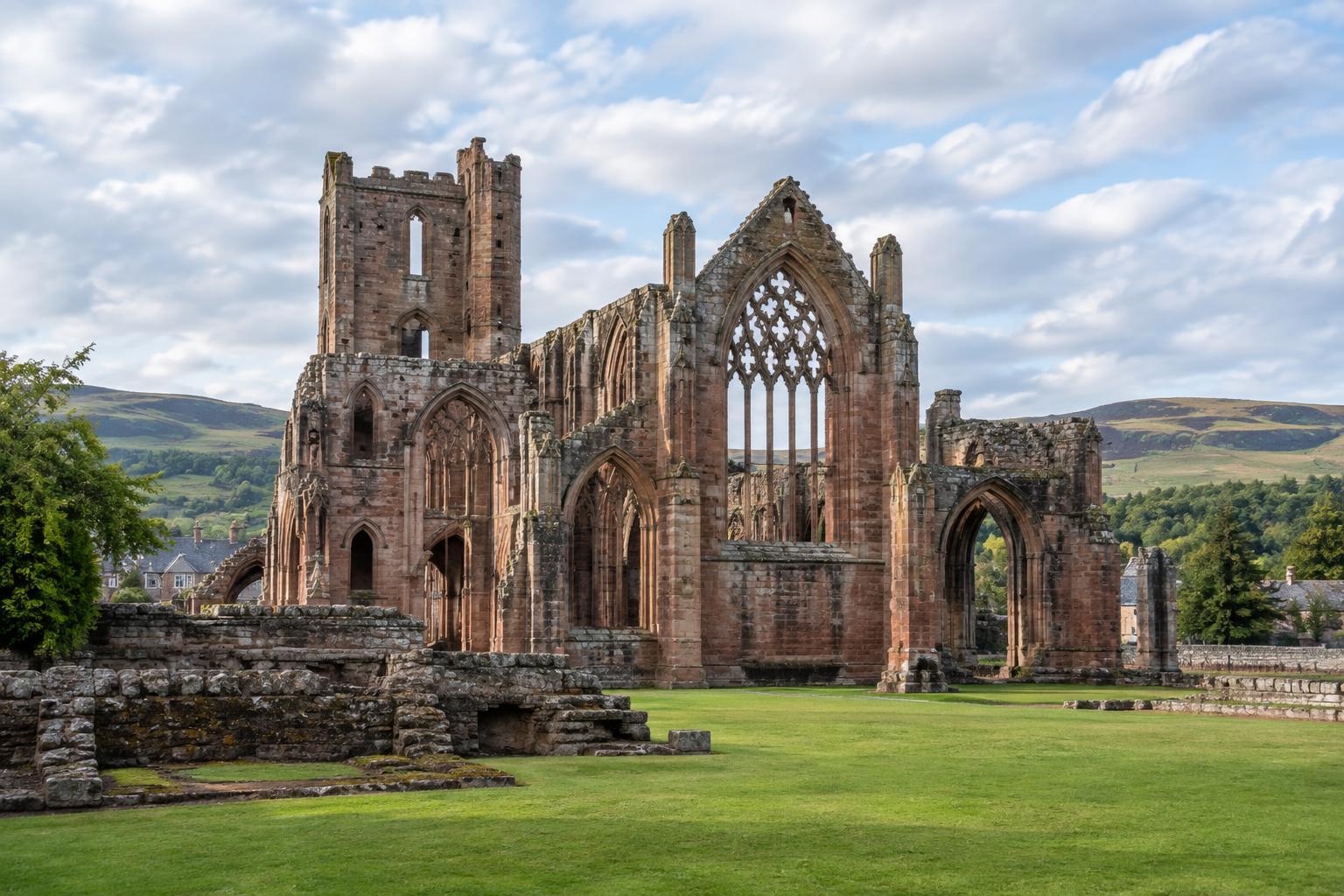
Cultural TravelMelrose, Dryburgh, Kelso and Jedburgh offer four different encounters with the medieval Borders. Here is how to plan a flexible abbey route that leaves room for nearby towns, changing weather and the stories visible in the ruins.
Read article · 4 min↗

Cultural TravelStirling Castle makes more sense when you look beyond its walls. This guide connects the royal rooms and ramparts with the Old Town, the River Forth, Stirling Bridge and nearby landmarks, helping first-time visitors plan a visit that leaves room for both history and the views.
Read article · 4 min↗
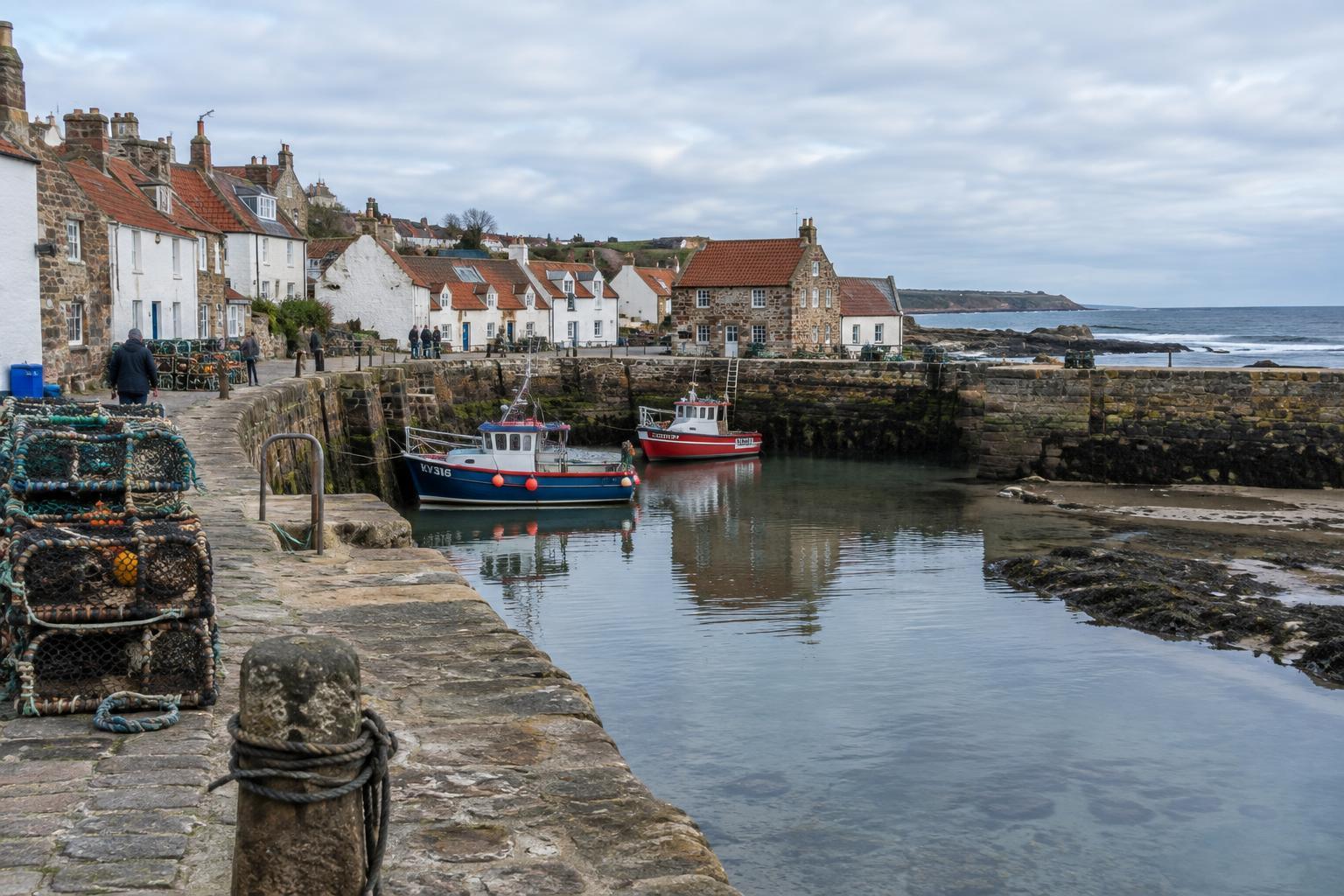
Cultural TravelFife’s East Neuk villages reward a slower visit. Follow the harbours from St Monans to Crail, look for traces of fishing life in the streets and shoreline, and use local museums to put what you see in context.
Read article · 4 min↗
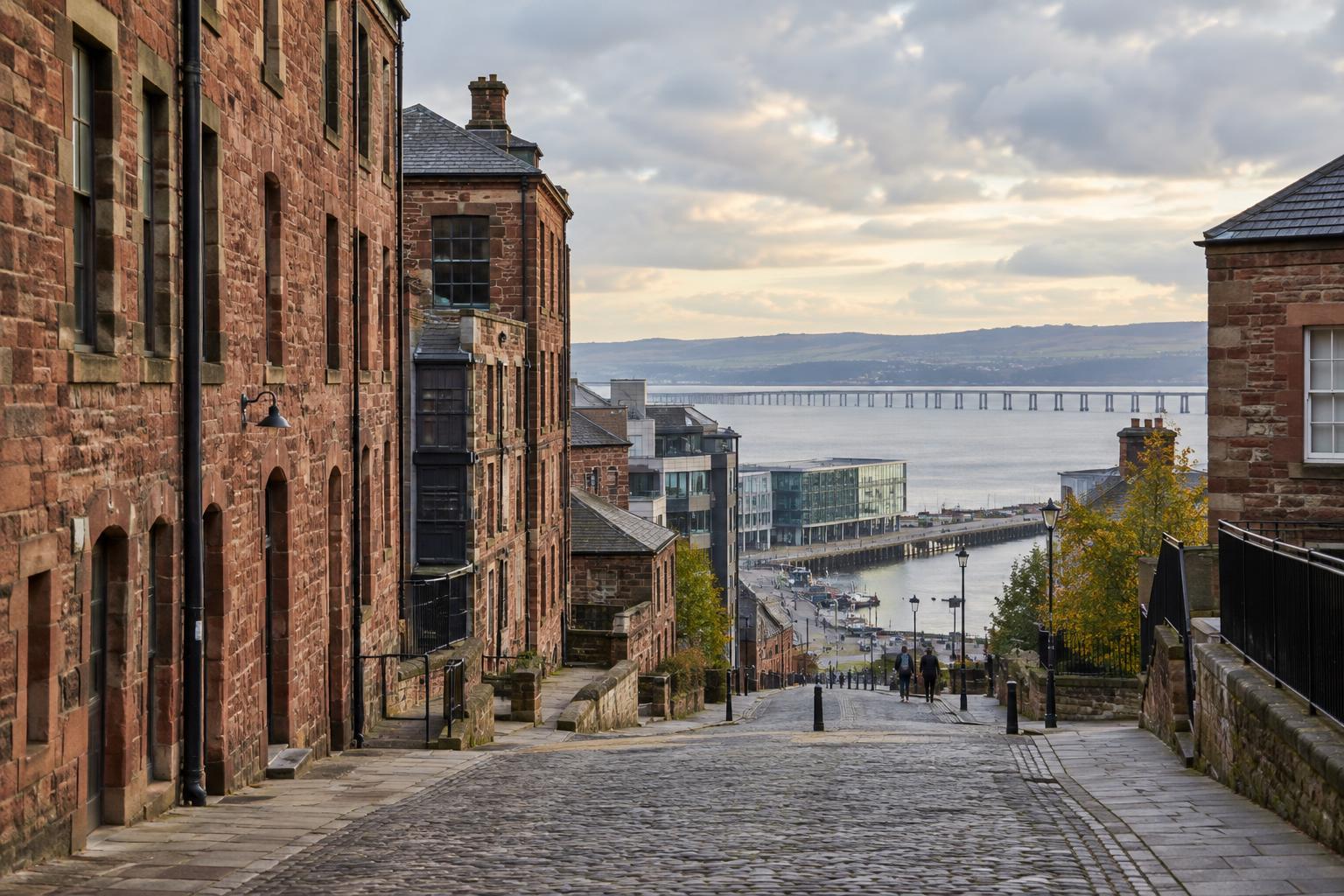
Cultural TravelWalk from Dundee’s former jute-making district to its regenerated waterfront, using mill buildings, city streets and the Tay to explore how industrial history remains visible in a changing city.
Read article · 4 min↗
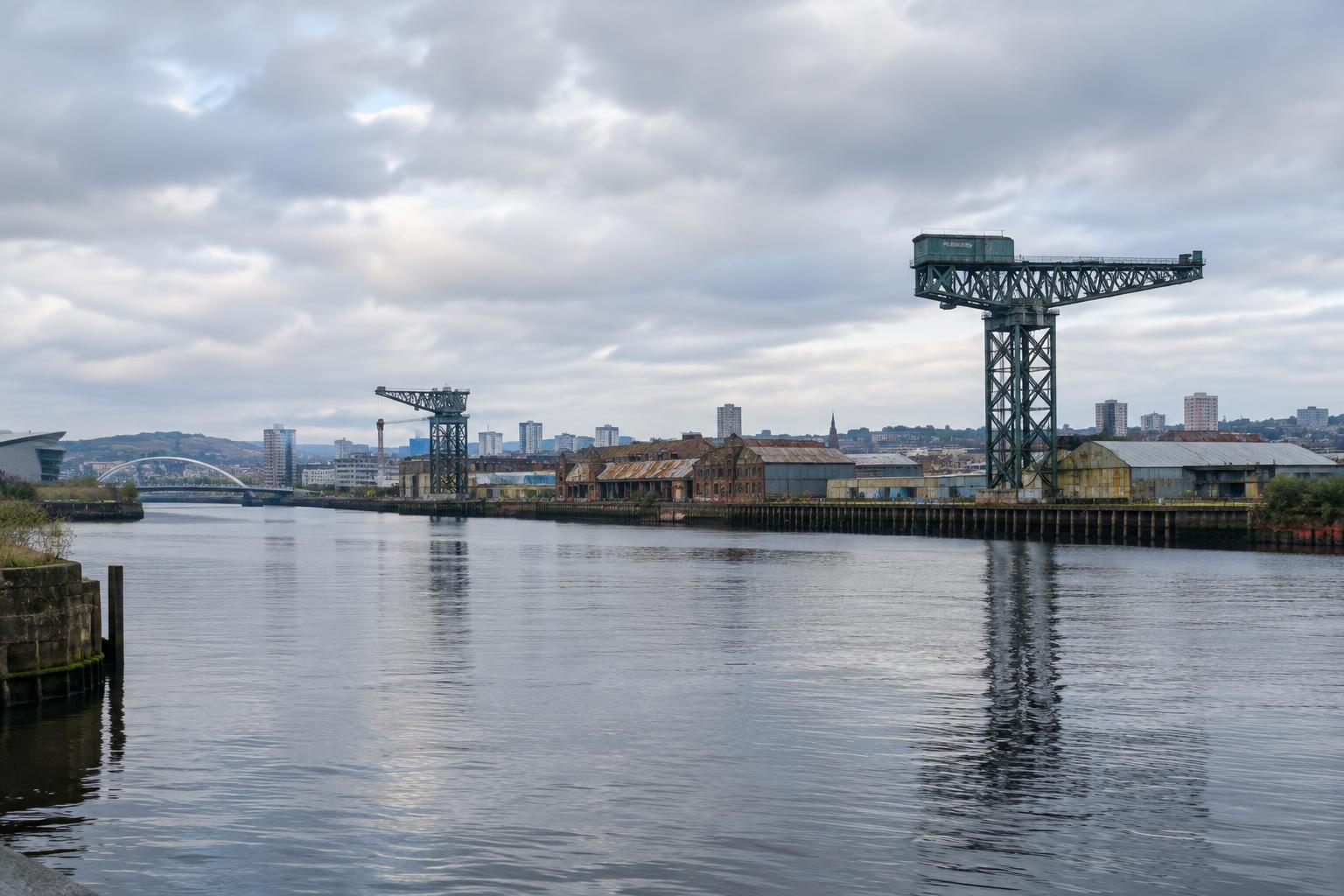
Cultural TravelGlasgow’s waterfront offers a way to read shipbuilding history in the landscape. From Govan’s former yards to the Riverside Museum and Clydebank’s Titan crane, this guide suggests a flexible route and explains what surviving places can—and cannot—tell us about work on the river.
Read article · 4 min↗
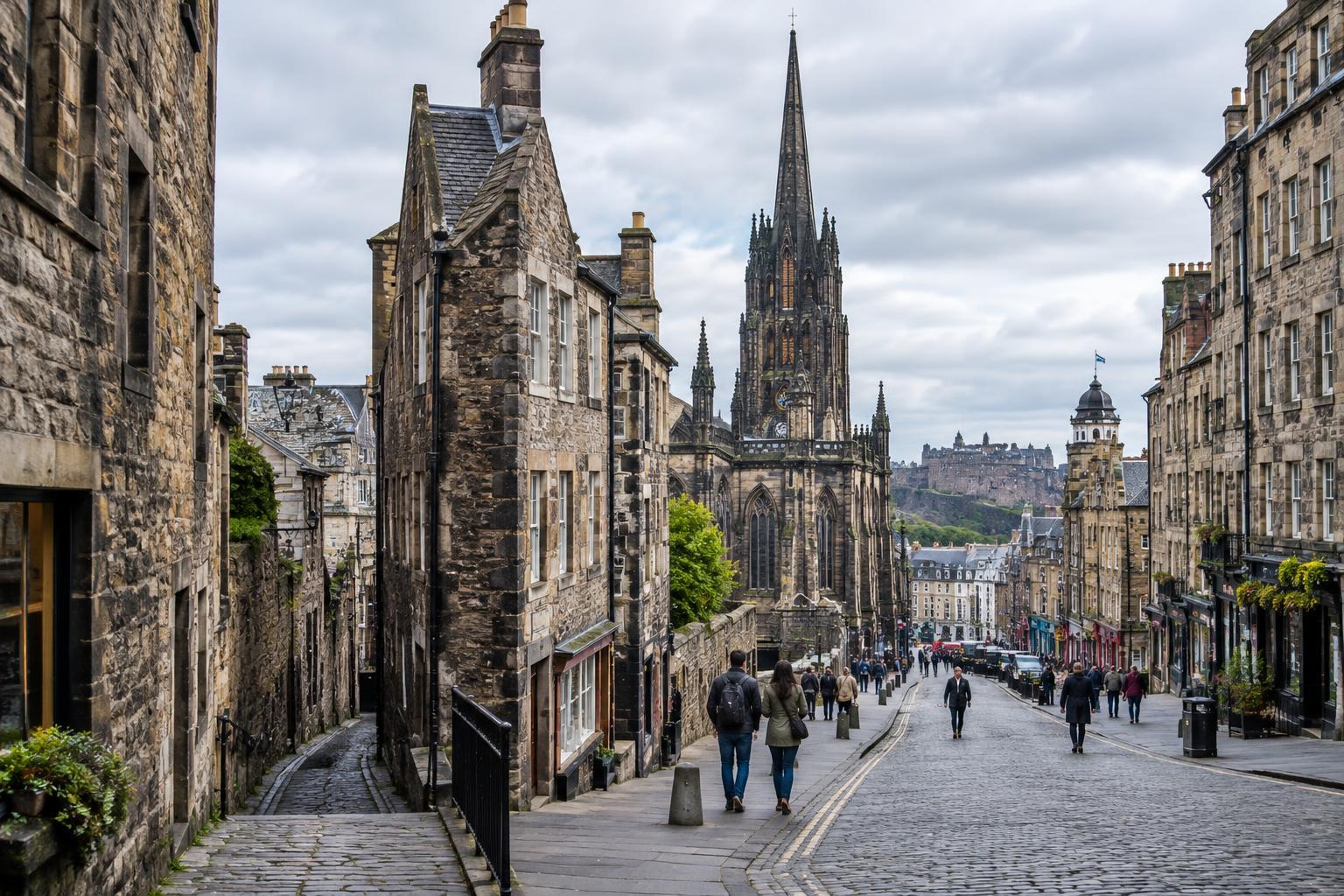
Cultural TravelFollow the Royal Mile from the Castle to the Canongate, using its narrow closes, changing street levels and civic landmarks to read the Old Town as a place shaped by many periods—not a scene frozen in the Middle Ages.
Read article · 4 min↗
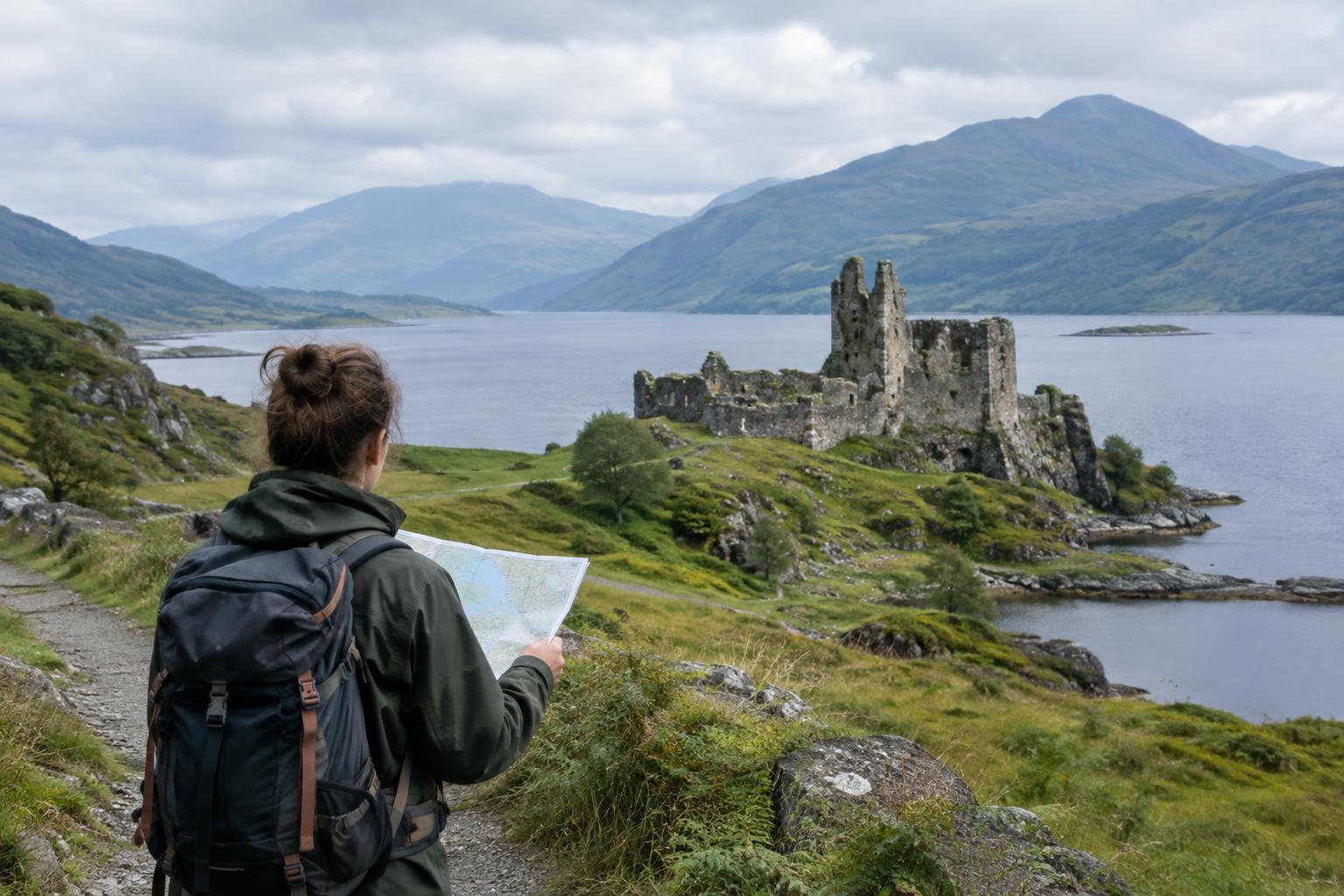
Cultural TravelA documentary can spark a journey through Scotland, but the place on screen is not always the place where history happened. Learn how to separate filming locations from historical sites and build an itinerary that gives both the story and the landscape their due.
Read article · 4 min↗