Understand the place before you go
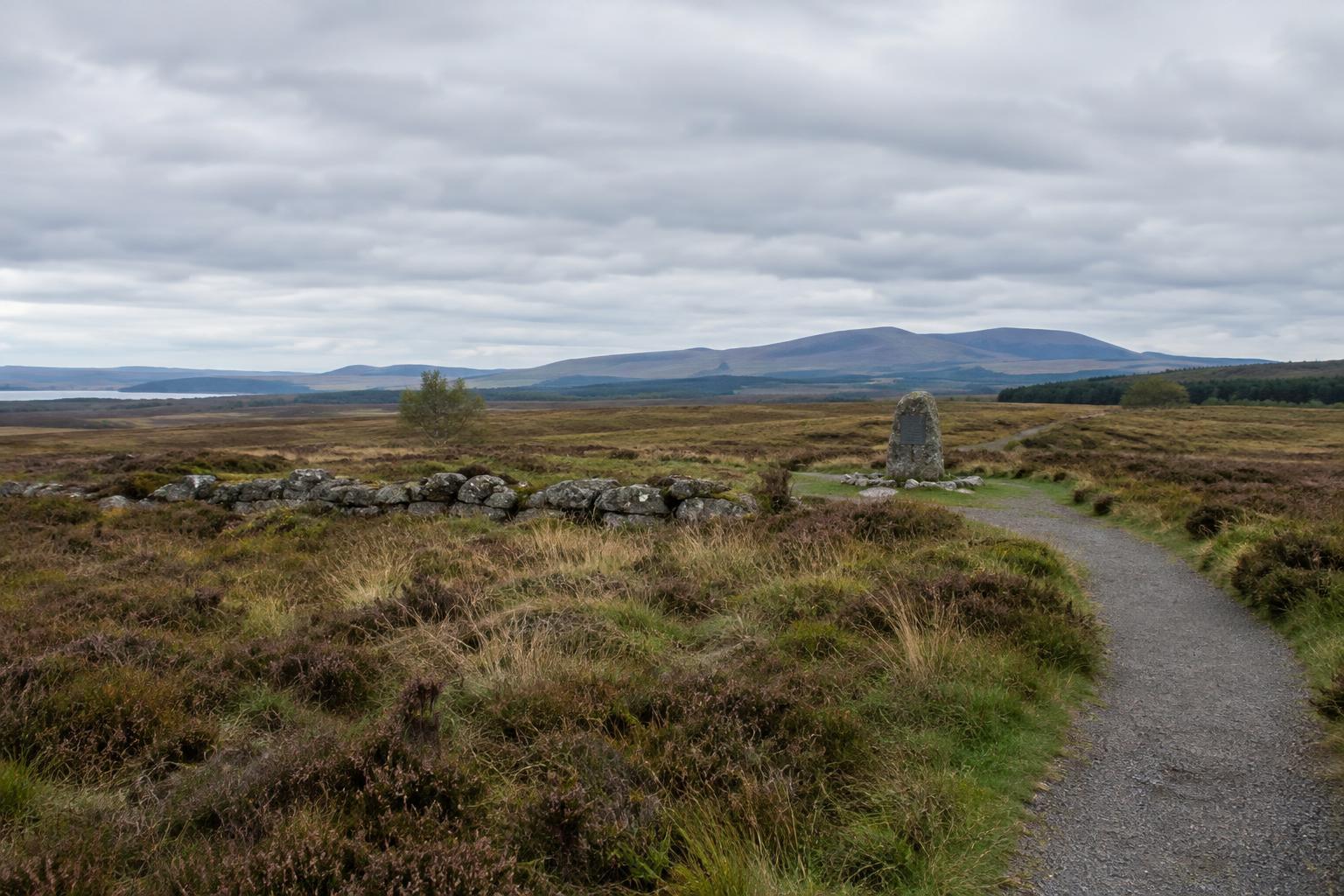
Culloden Battlefield, near Inverness, was the site of the final battle of the Jacobite rising of 1745. On 16 April 1746, Jacobite forces faced a government army on the moor. The fighting and its aftermath make this more than a stop on a Highland itinerary: it is a place where people died, and one that remains meaningful to many visitors.
A little preparation helps you look beyond a familiar shorthand. Culloden was not simply Scotland fighting England. People from different parts of Britain served on both sides, and their reasons for doing so varied. Reading an introductory account of the rising before your visit can make the battlefield easier to understand without turning every person who fought there into a character in a single, tidy story.
Plan for a visit, not just a photograph
Allow time to walk and pause rather than fitting the battlefield into a hurried sequence of stops. Check the site’s current visitor information before travelling, including access arrangements, opening times, any admission details and available facilities. If you have mobility needs, look for current guidance on routes and ground conditions; a historic landscape may be uneven even where some paths are accessible.
The moor is exposed, so clothing and footwear suited to changeable weather can make a substantial difference. Bring what you need to be comfortable outdoors, but travel lightly enough to pay attention to your surroundings. If you are visiting with children, explain beforehand why this is a place for quiet curiosity rather than games among the memorials.
Read the landscape with care
At first glance, an open battlefield can seem difficult to interpret. Begin with any available orientation material, then consider what you can actually see: the breadth of the ground, the distance between points and how weather affects your sense of exposure. Signs and marked routes can help connect those observations to the battle. They are a guide to interpretation, not a substitute for imagining the limits of what any one participant could have known.
Memorials and grave markers deserve particular care. They help visitors remember the dead, but should not be treated as a precise map of every individual’s final moments. Stay on permitted routes, follow site guidance and avoid climbing on markers or disturbing stones, plants or soil. Leave everything where it is; taking an object from the ground is not a meaningful way to keep a memory of the visit.
Make space for other visitors
People come to Culloden for different reasons. Some are exploring family history; others are learning about the Jacobite period or paying their respects. Give others room to read, reflect and move at their own pace. Keep conversation considerate near memorials, and avoid assuming that another visitor wants to share a personal connection to the place.
Photography can be part of thoughtful travel, but a camera changes how you behave. Before making an image, ask whether you are blocking a path, intruding on someone’s quiet moment or using a grave marker merely as a dramatic backdrop. Follow the site’s photography rules, and check permissions before using a drone or bringing equipment that could disrupt others. A few carefully observed images may tell you more later than a rushed record of every marker.
Carry the questions beyond the battlefield
Culloden can prompt questions that the ground alone cannot answer. What happened to the people who survived? How did the rising and its aftermath affect communities in the Highlands? How have later generations chosen to remember the battle? A visitor exhibition, a reliable history book or another heritage site can help you follow those questions without asking the battlefield to stand for the whole of Scottish history.
Before leaving, take a moment to notice what you learned and what remains uncertain. Respectful engagement does not require a particular emotional response or a perfect interpretation. It means giving the history enough time, treating the site as a place rather than a prop, and recognising that remembrance and careful questioning can belong together.