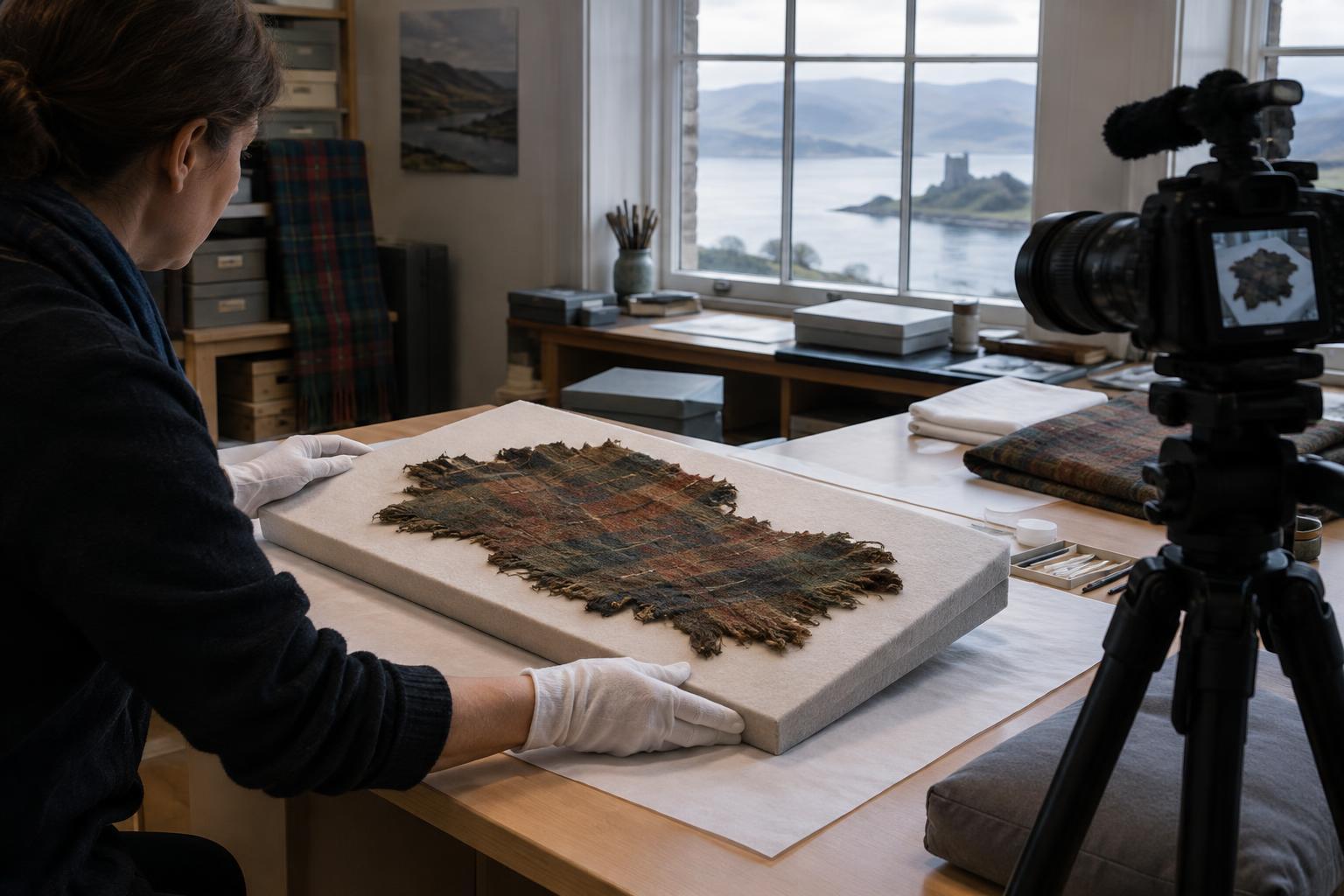
Documentary StorytellingA letter, tool or piece of clothing can give a Scottish history documentary a compelling point of focus. The challenge is to film its details while making clear what the object can—and cannot—tell viewers about the past.
Read article · 4 min↗
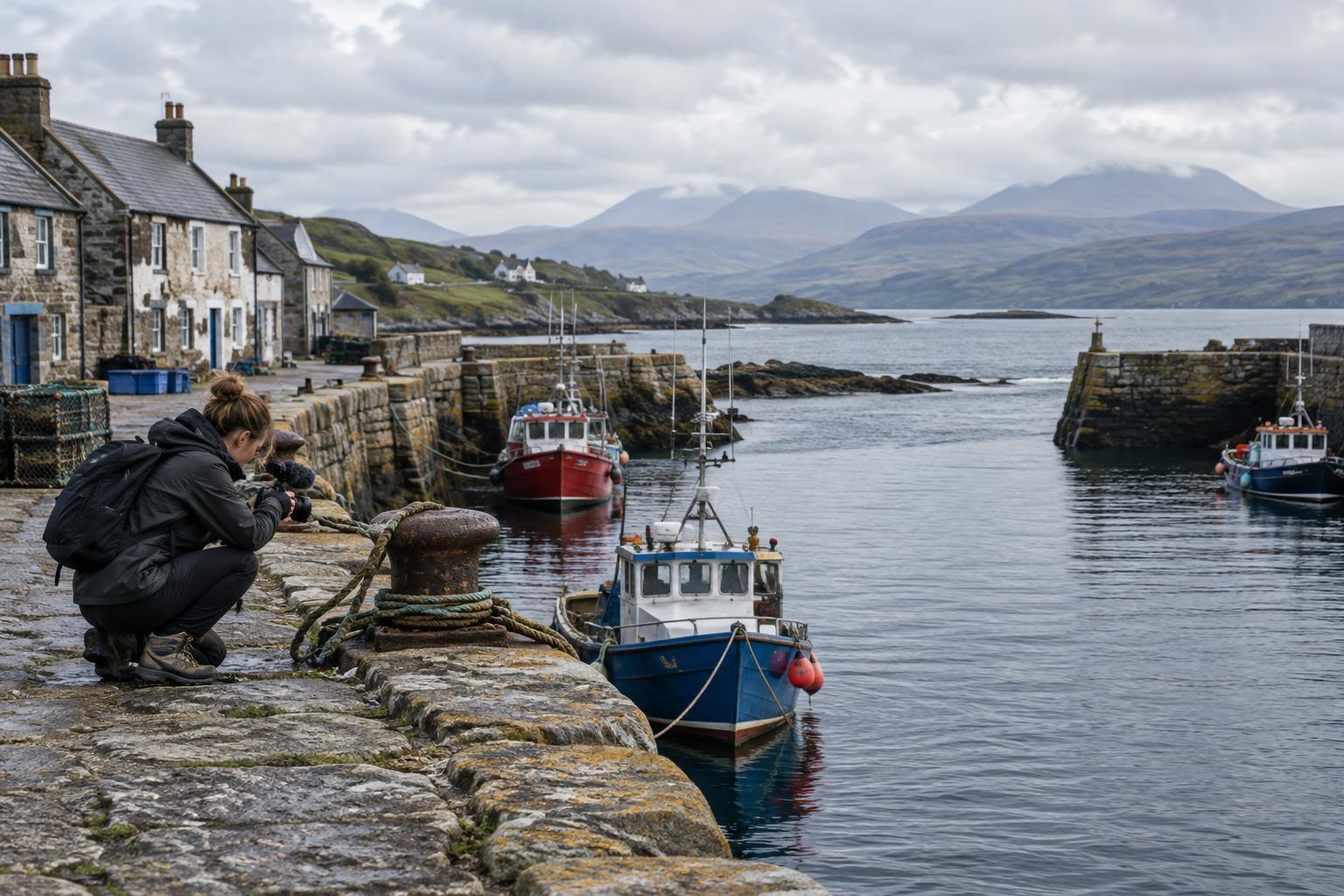
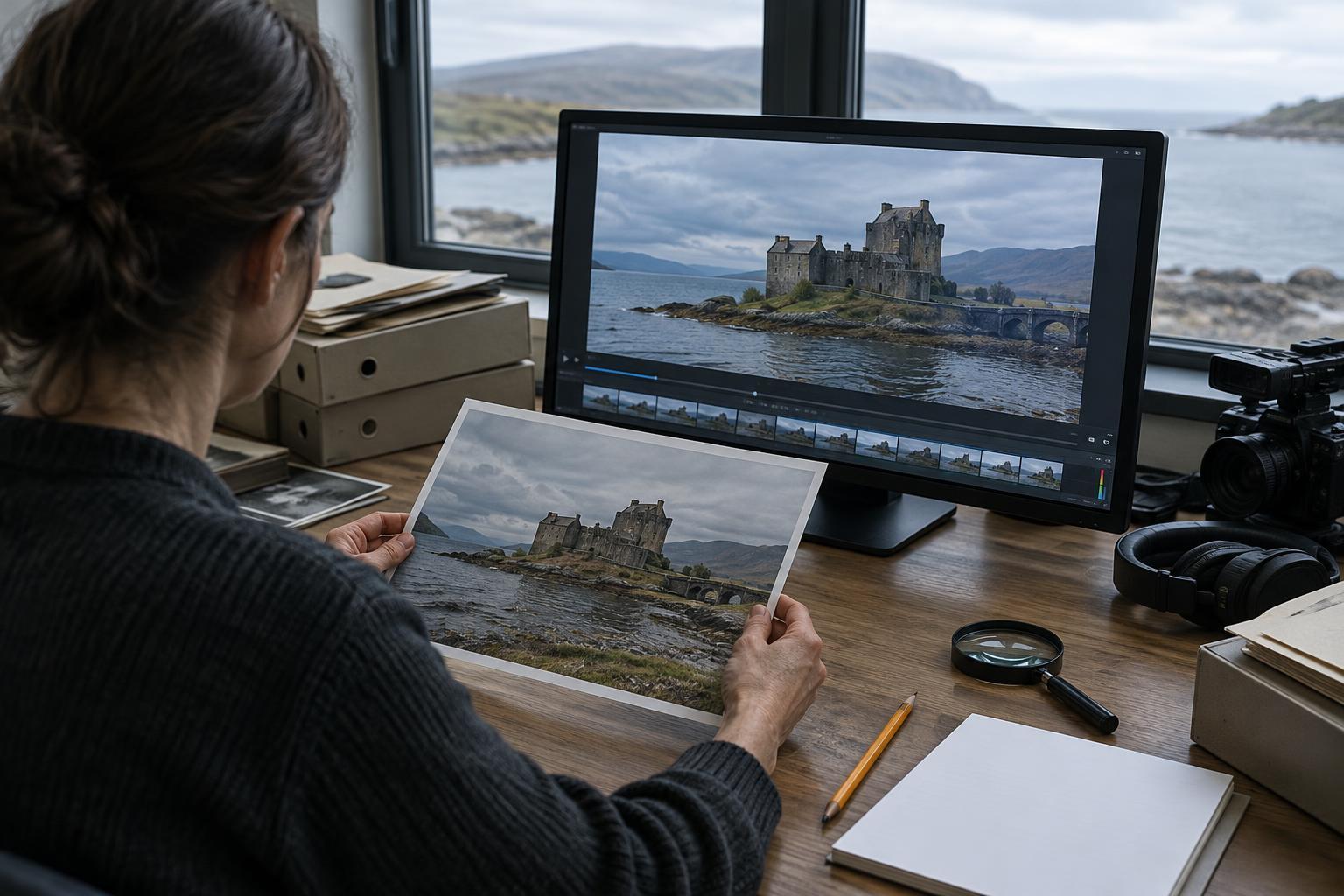
Documentary StorytellingA Scottish history documentary makes claims through more than its narration. Archive footage, maps, captions, music and editing can all shape what viewers believe happened. This practical pre-publication process helps filmmakers check evidence, represent uncertainty and make corrections while there is still time.
Read article · 4 min↗
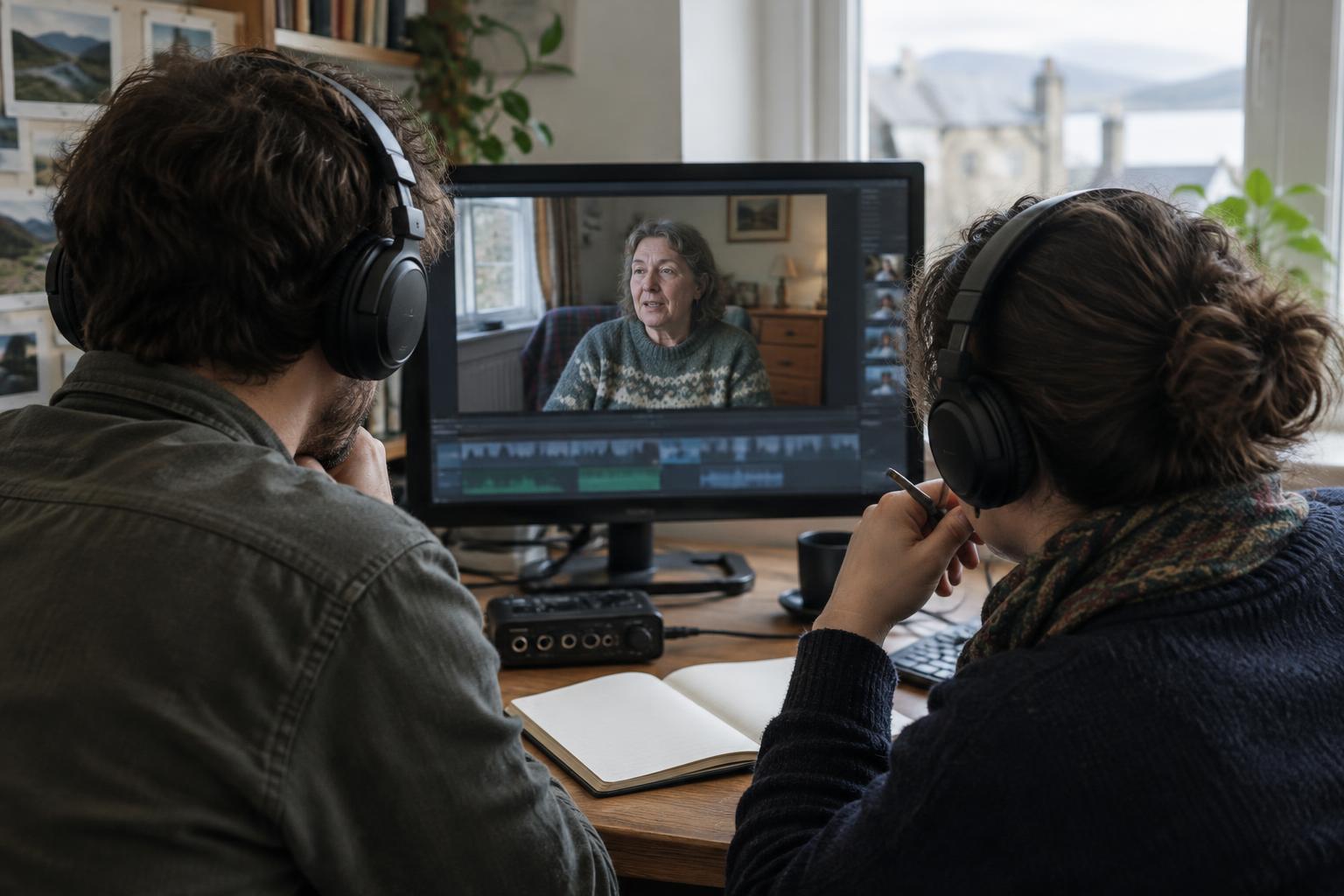
Documentary StorytellingSubtitles can make Scots and Gaelic speech accessible without treating either as background colour. A careful workflow starts with accurate transcription, works with speakers and language specialists, and makes clear where translation involves a choice.
Read article · 4 min↗
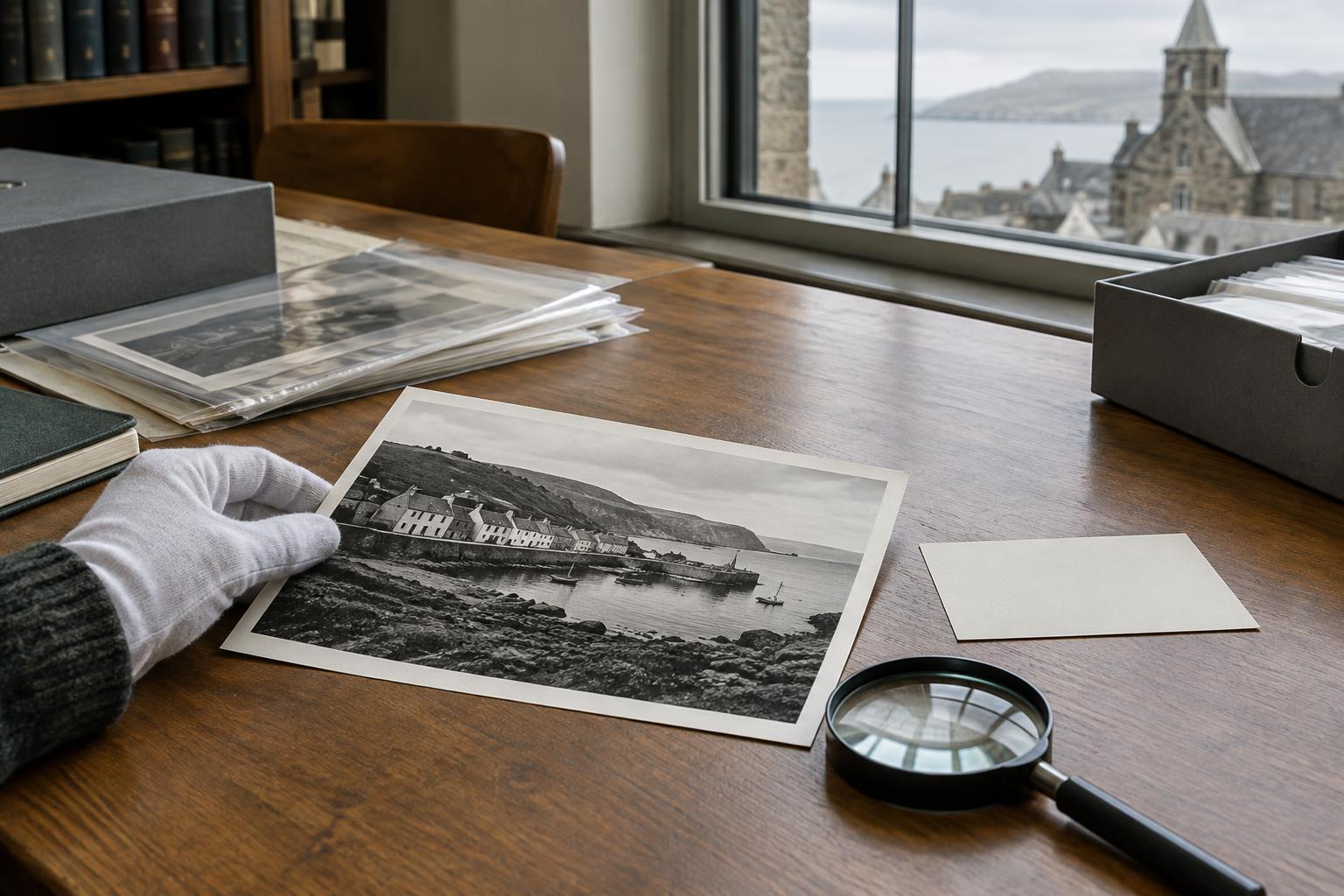
Documentary StorytellingA caption can tell viewers what a film or photograph shows without pretending that every meaning is settled. Learn how to distinguish documented details from later interpretations, signal uncertainty and give Scottish historical images useful context.
Read article · 4 min↗
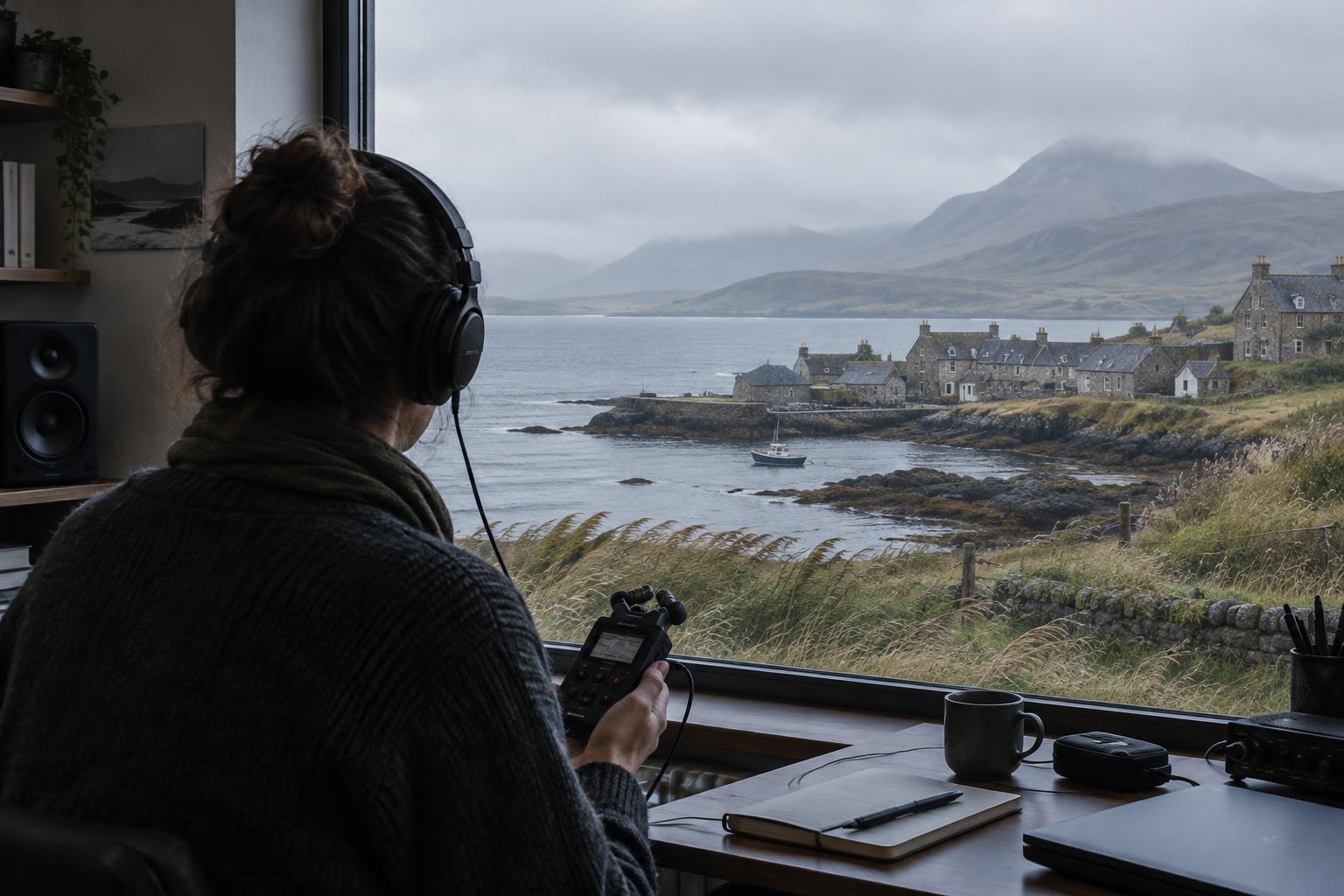
Documentary StorytellingA historical documentary does not have to fall silent when a scene predates recorded sound. Thoughtful sound design can convey place and atmosphere while making clear what is known, what is inferred and what has been created for the film.
Read article · 4 min↗

Documentary StorytellingMusic can help viewers enter a historical story, but it can also tell them what to feel before the evidence has had a chance to speak. A careful soundtrack begins with the film’s sources, setting and point of view—not with a ready-made idea of what Scotland should sound like.
Read article · 4 min↗
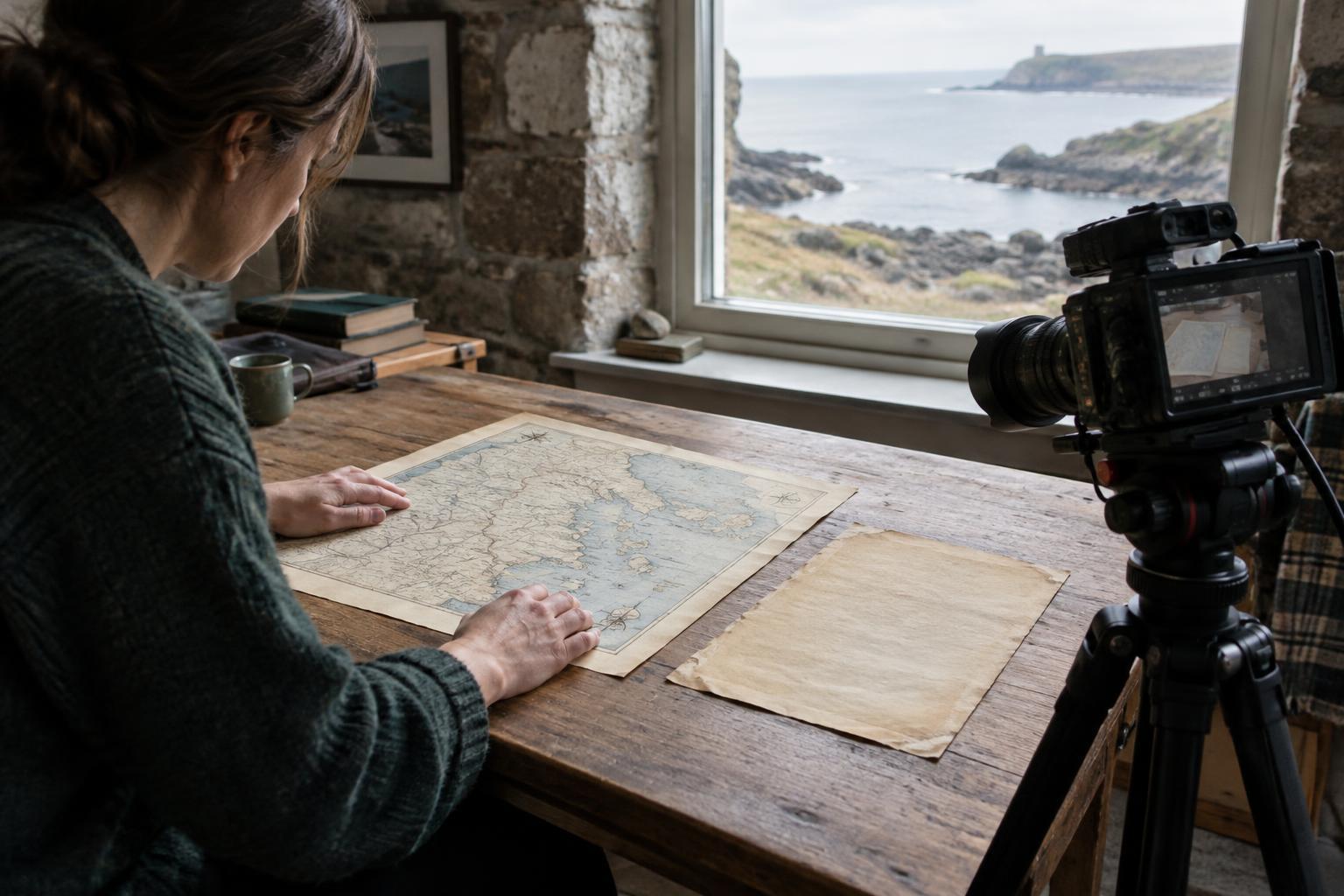
Documentary StorytellingA historical source can give a documentary scene both structure and purpose. This guide follows the process from choosing and introducing a source to examining its details, setting its limits and offering an interpretation viewers can assess.
Read article · 4 min↗
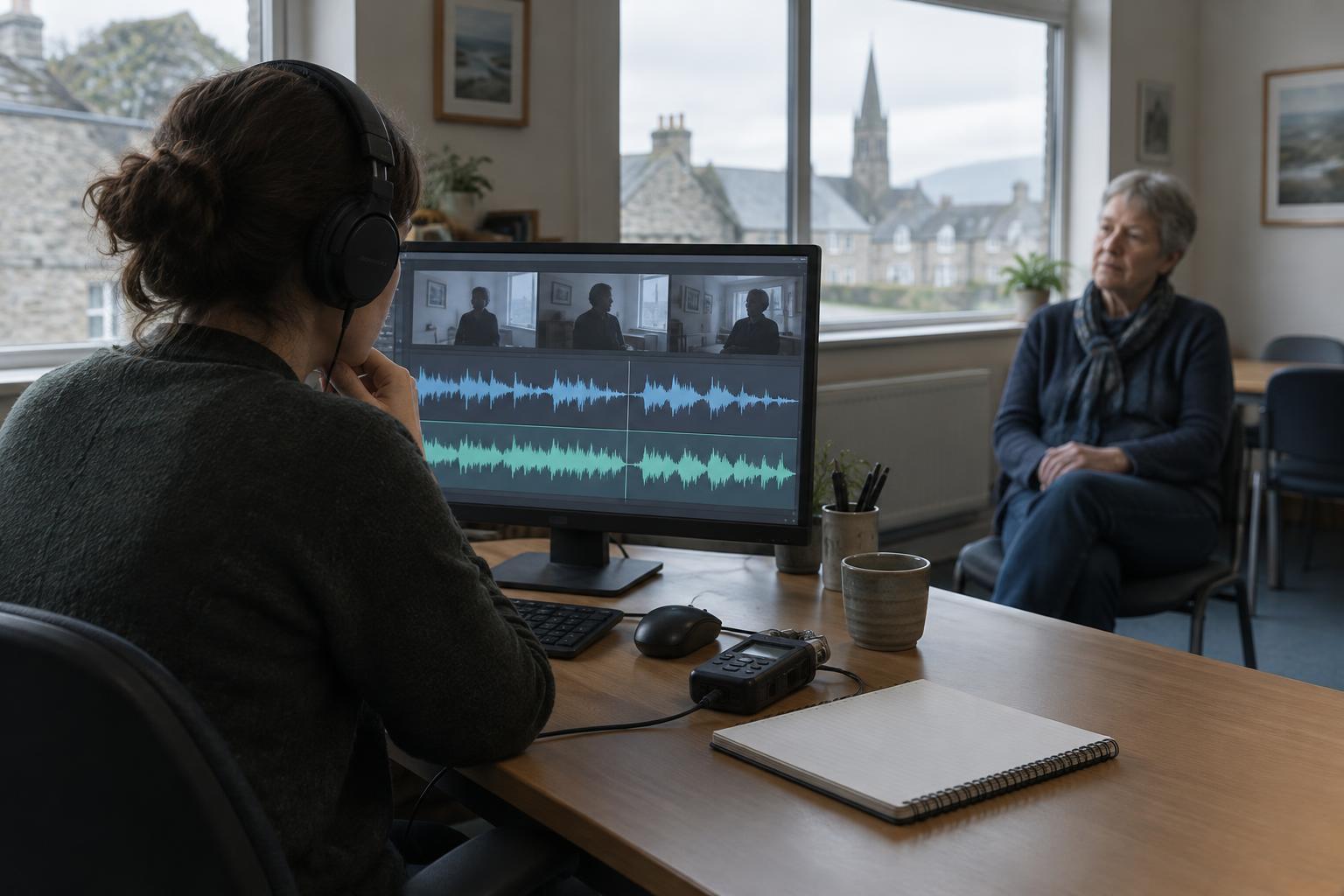
Documentary StorytellingAn interview edit should make a speaker easier to follow, not give them a new argument. This guide offers practical ways to shorten answers, preserve context, handle sensitive memories and check the finished cut against the original recording.
Read article · 4 min↗
Documentary StorytellingAn incomplete record does not have to weaken a historical film. Careful narration, clear image labels and honest editing can help viewers understand both what the evidence supports and what remains open to interpretation.
Read article · 4 min↗
Documentary StorytellingReconstructed scenes can help viewers imagine the past, but they should never be mistaken for surviving footage or a record of exactly what happened. A clear documentary makes the status of a scene visible, explains what is known and gives uncertainty room to breathe.
Read article · 4 min↗
Documentary StorytellingArchival footage can do more than make a documentary look old. Used carefully, it can show how a place, event or practice was recorded while leaving room for questions about what the camera missed. A practical guide to choosing, checking and editing historical images with care.
Read article · 4 min↗
Documentary StorytellingMaps and timelines can help viewers follow changes in place, pace and power. Here is how to use them in Scottish history documentaries without making a complex past look more certain or uniform than it was.
Read article · 4 min↗
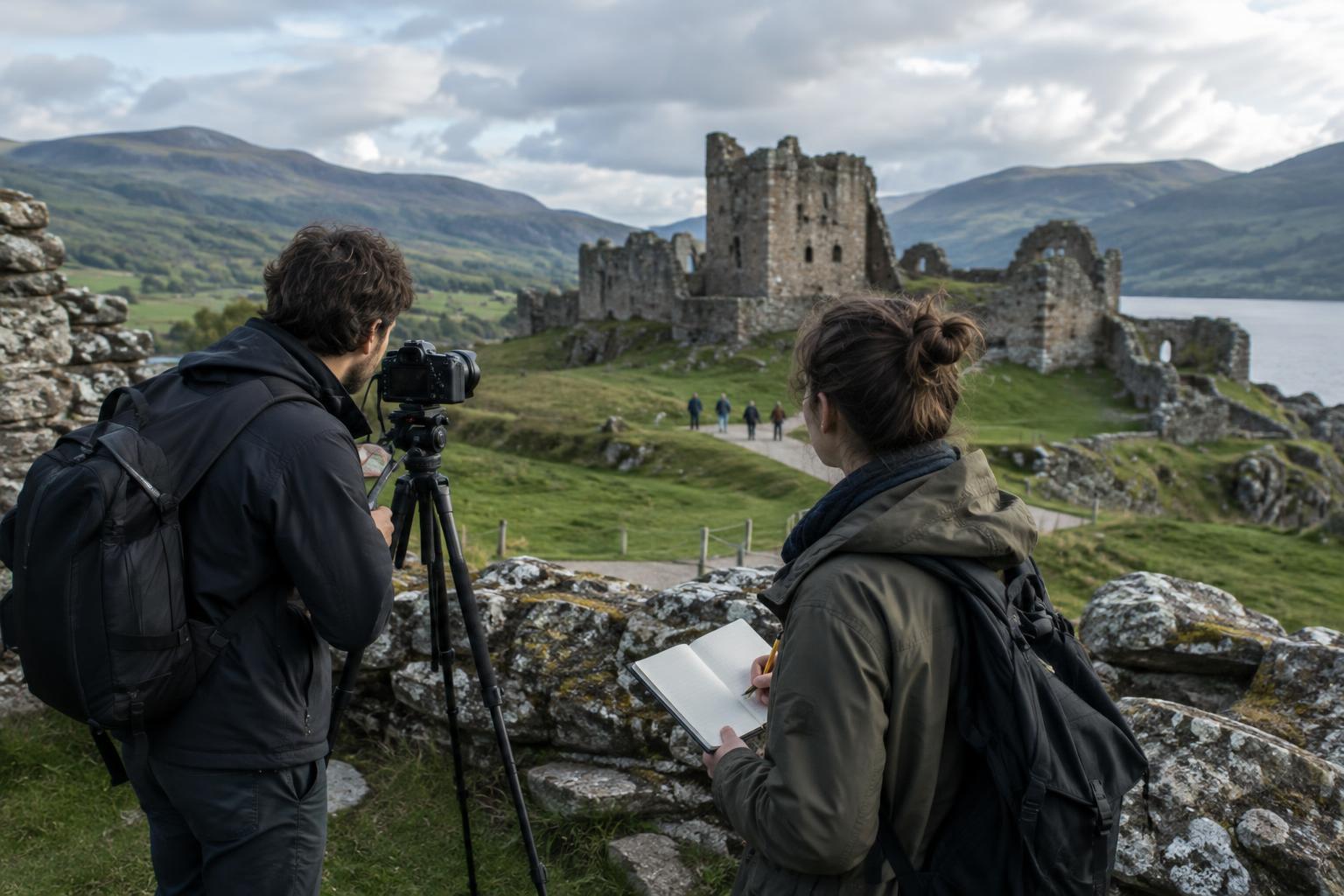
Documentary StorytellingA useful shot list does more than name attractive views. It helps a documentary crew show where a heritage site is, how people encounter it and which details support the story—while leaving room for weather, access and discoveries on the day.
Read article · 4 min↗
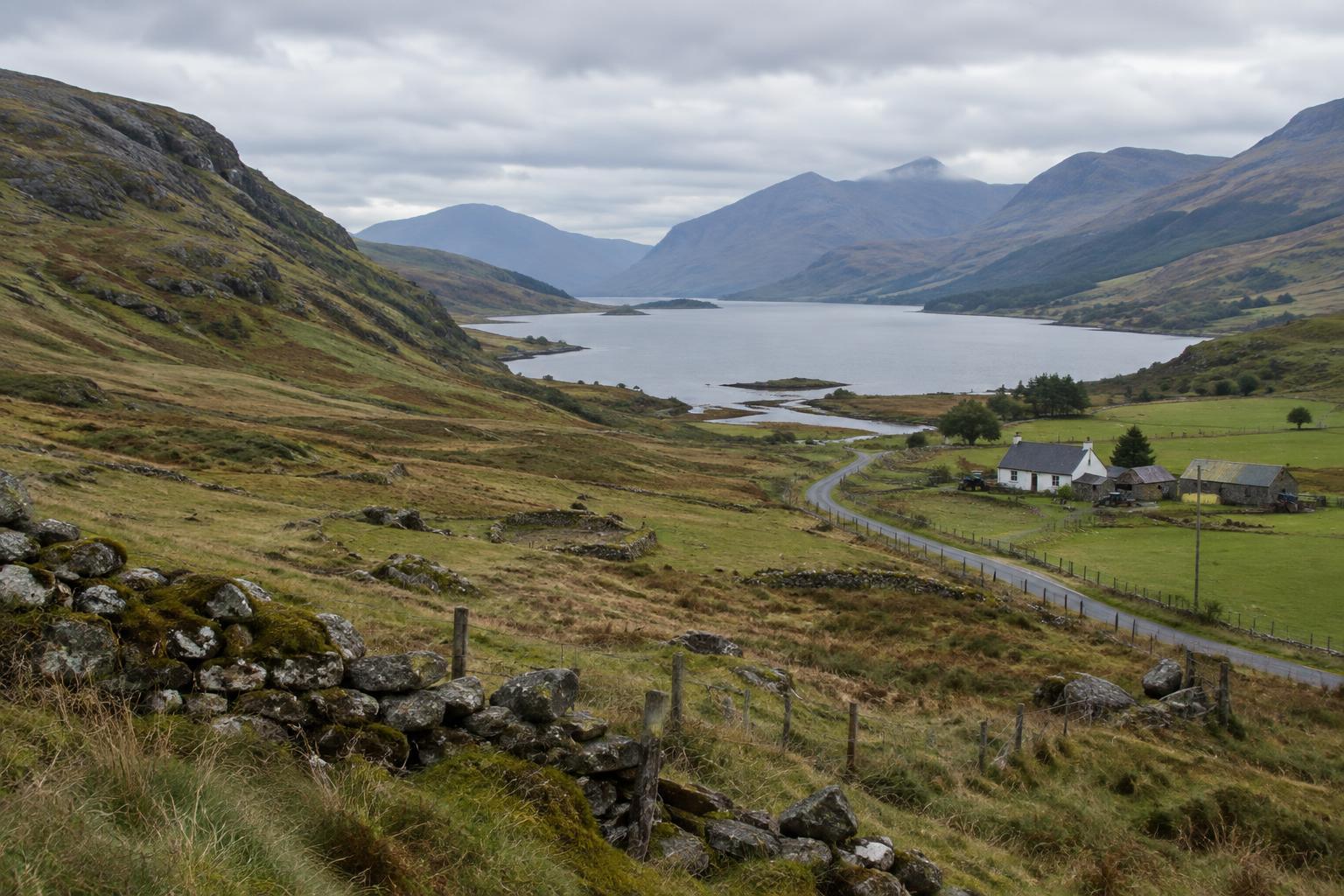
Documentary StorytellingA landscape can help a documentary connect historical events to a place viewers can see today. The strongest films make that connection without suggesting the land has remained unchanged or asking scenery to stand in for evidence.
Read article · 4 min↗
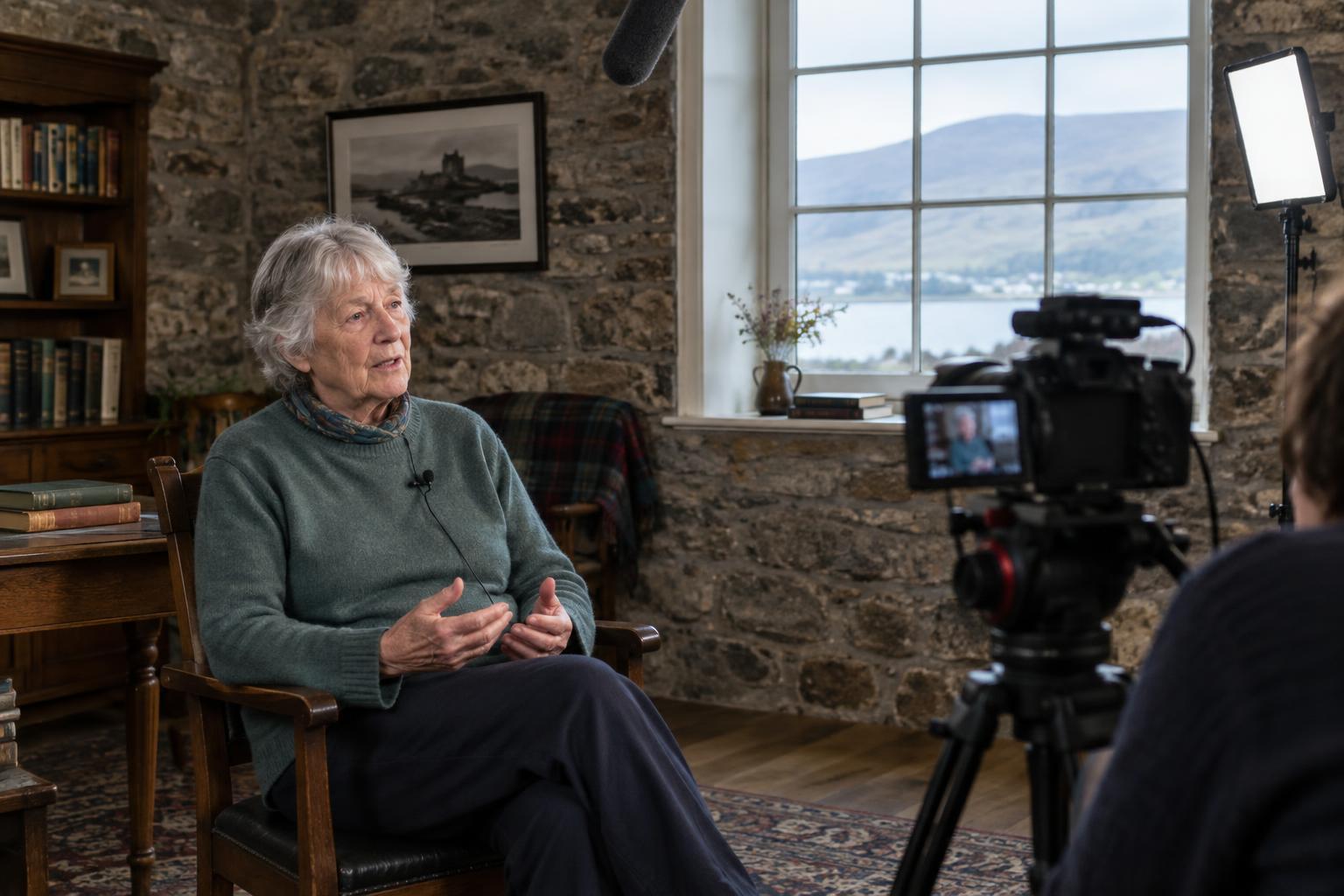
Documentary StorytellingA practical guide to recording interviews about Scottish history, from choosing a setting and lighting a face to capturing usable sound and preserving the meaning of a speaker’s words.
Read article · 4 min↗
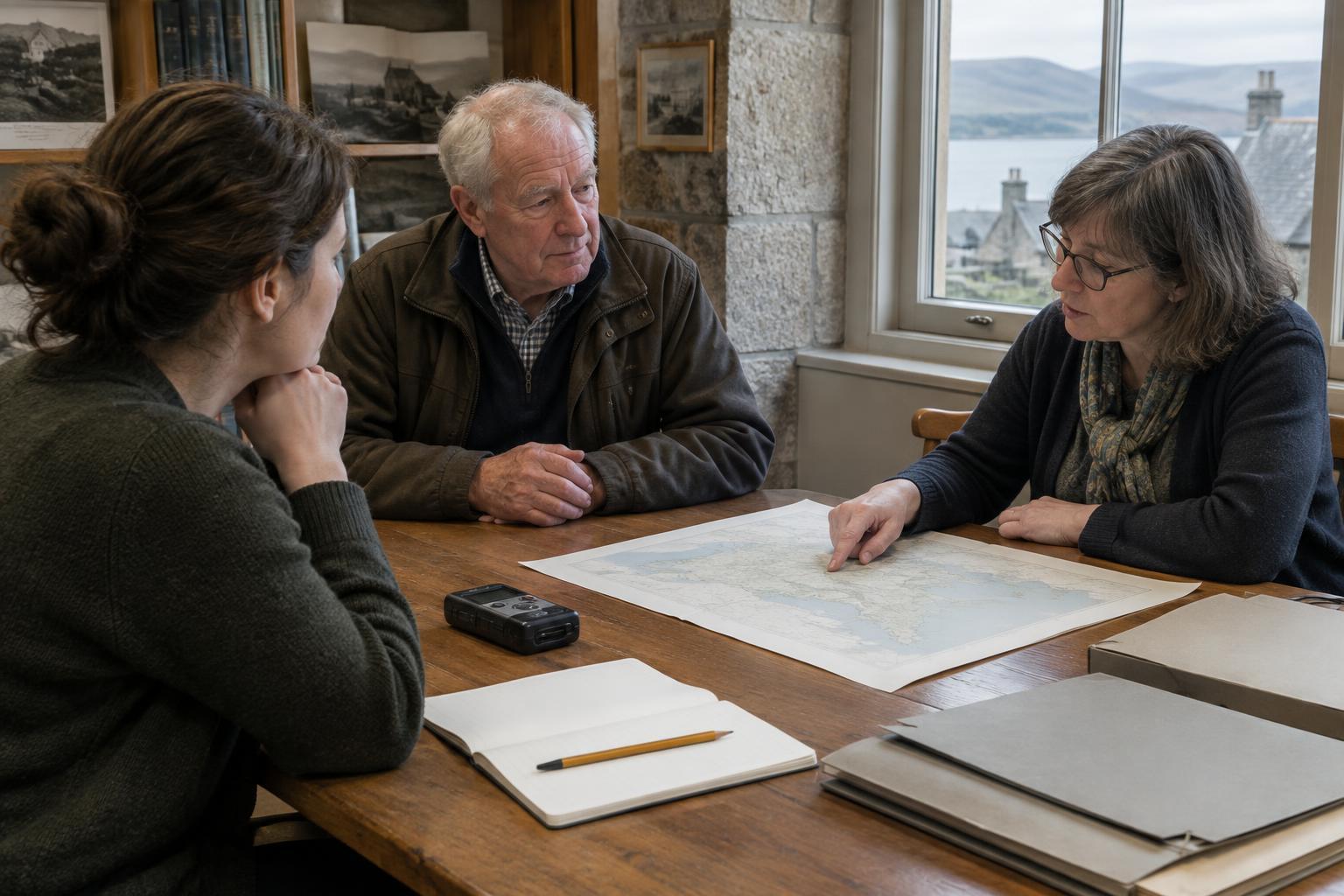
Documentary StorytellingA useful documentary interview does more than collect memorable lines. Learn how to prepare questions that help historians explain evidence, invite local witnesses to share lived experience, and make clear where memory and interpretation meet.
Read article · 4 min↗
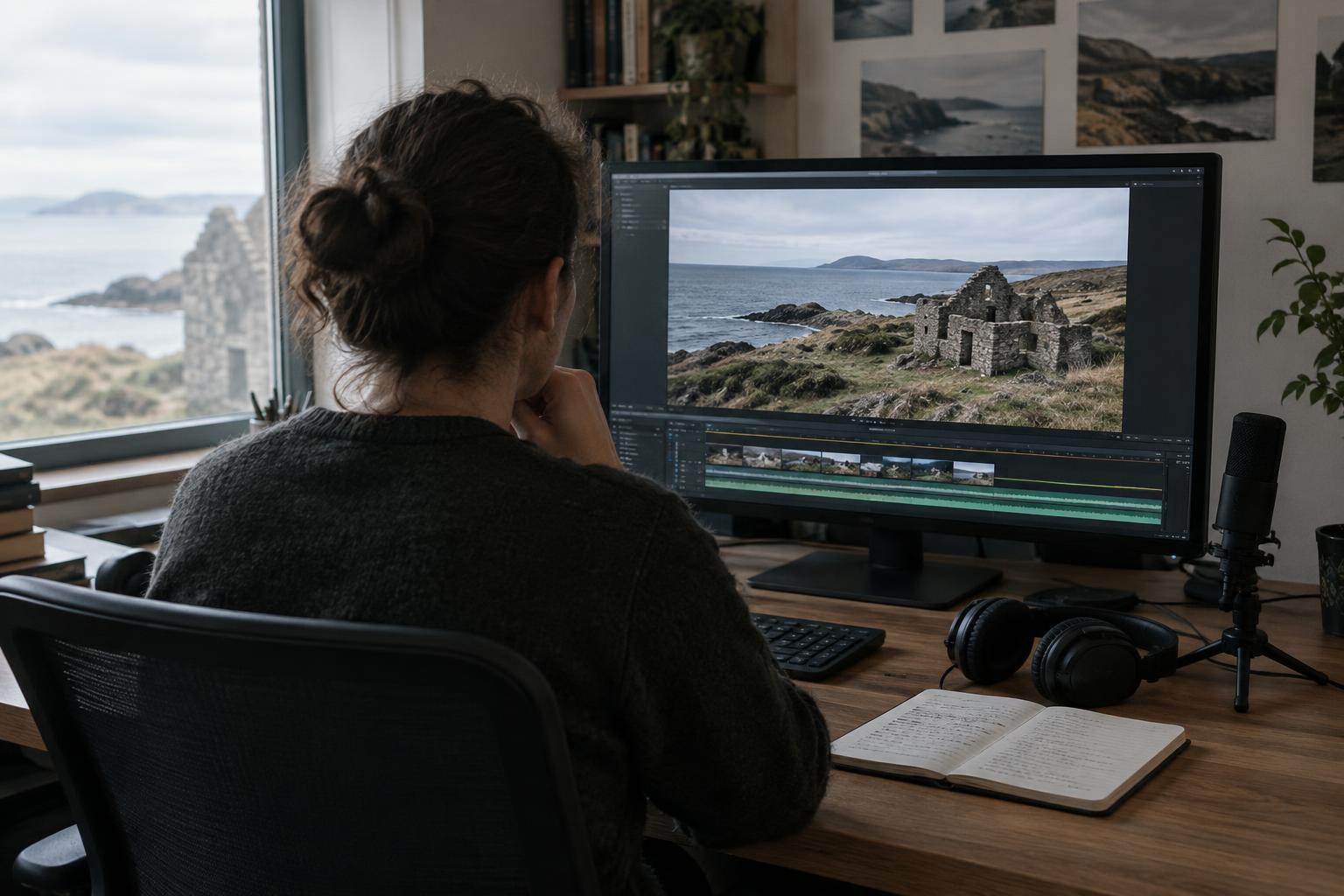
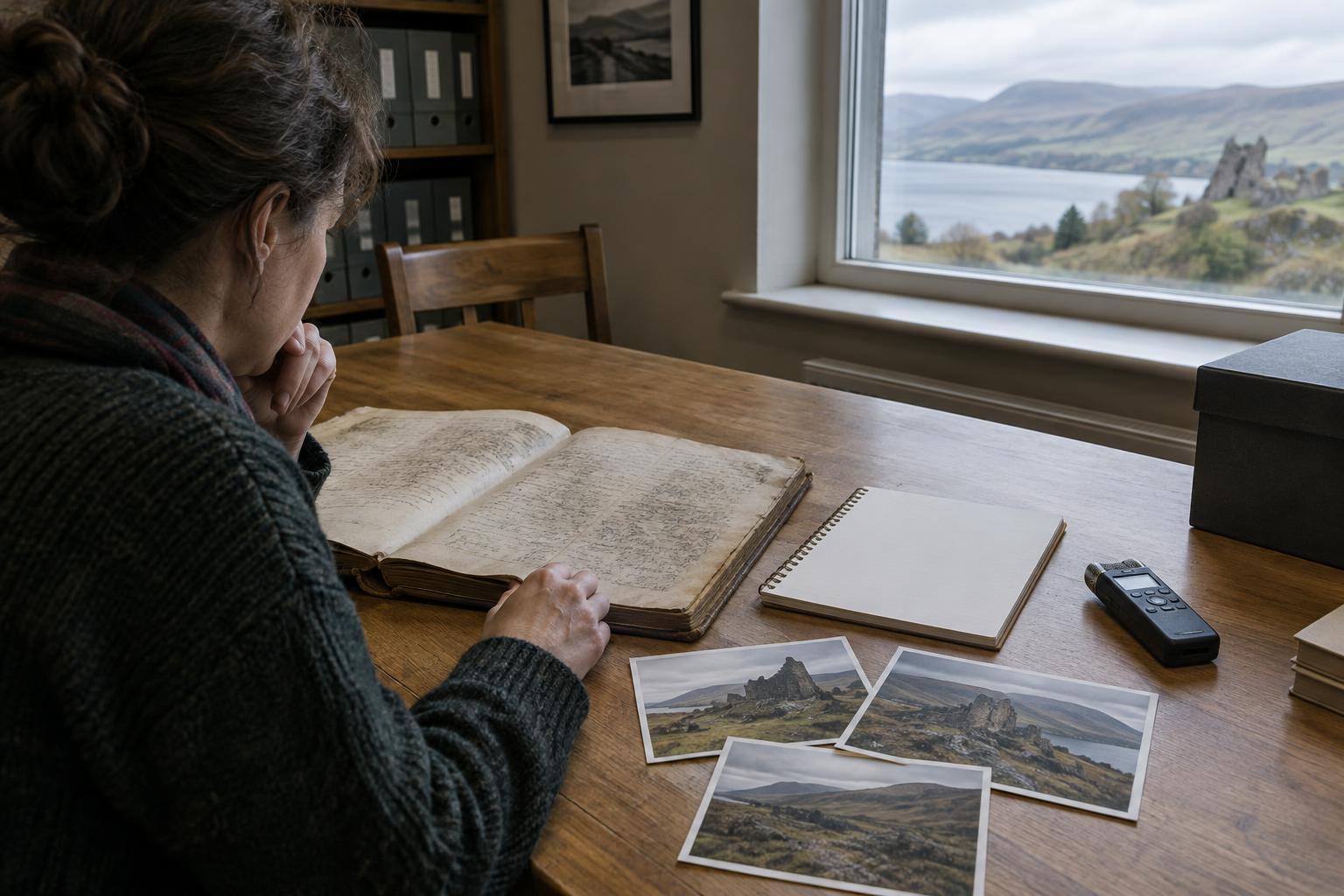
Documentary StorytellingA Scottish history documentary rarely begins with one settled version of events. This guide shows how to compare records, oral histories and later interpretations, then turn their differences into a clear, honest script.
Read article · 4 min↗
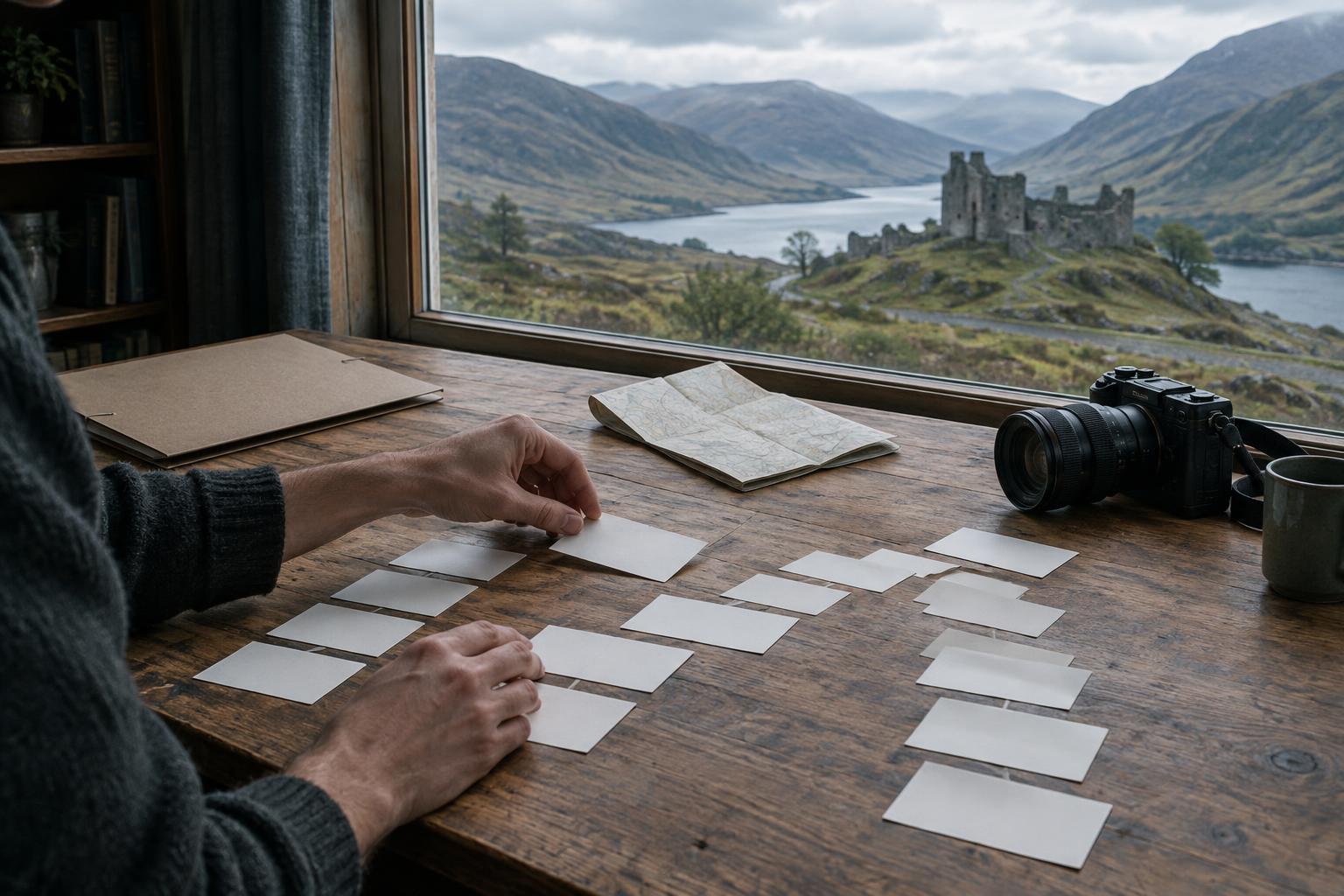
Documentary StorytellingA historical documentary needs more than a sequence of facts. Chronology, personal experience, place and investigation can each give an audience a different way into an event. Here is a practical guide to choosing a structure that serves both the story and the evidence.
Read article · 4 min↗
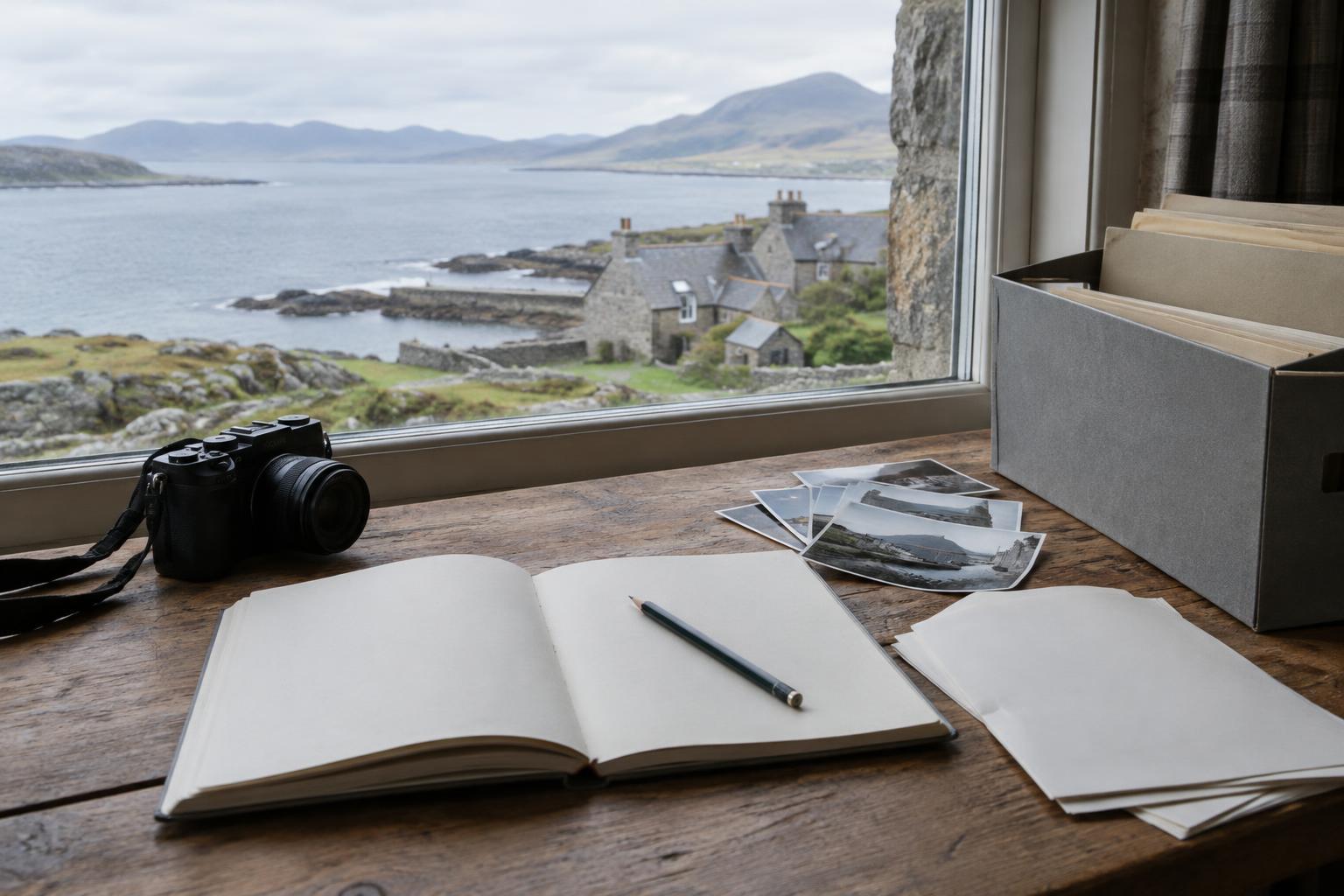
Documentary StorytellingA documentary treatment turns a historical question into a workable film plan. Learn how to define the story, handle Scottish archives responsibly, shape scenes around evidence and make room for uncertainty.
Read article · 4 min↗
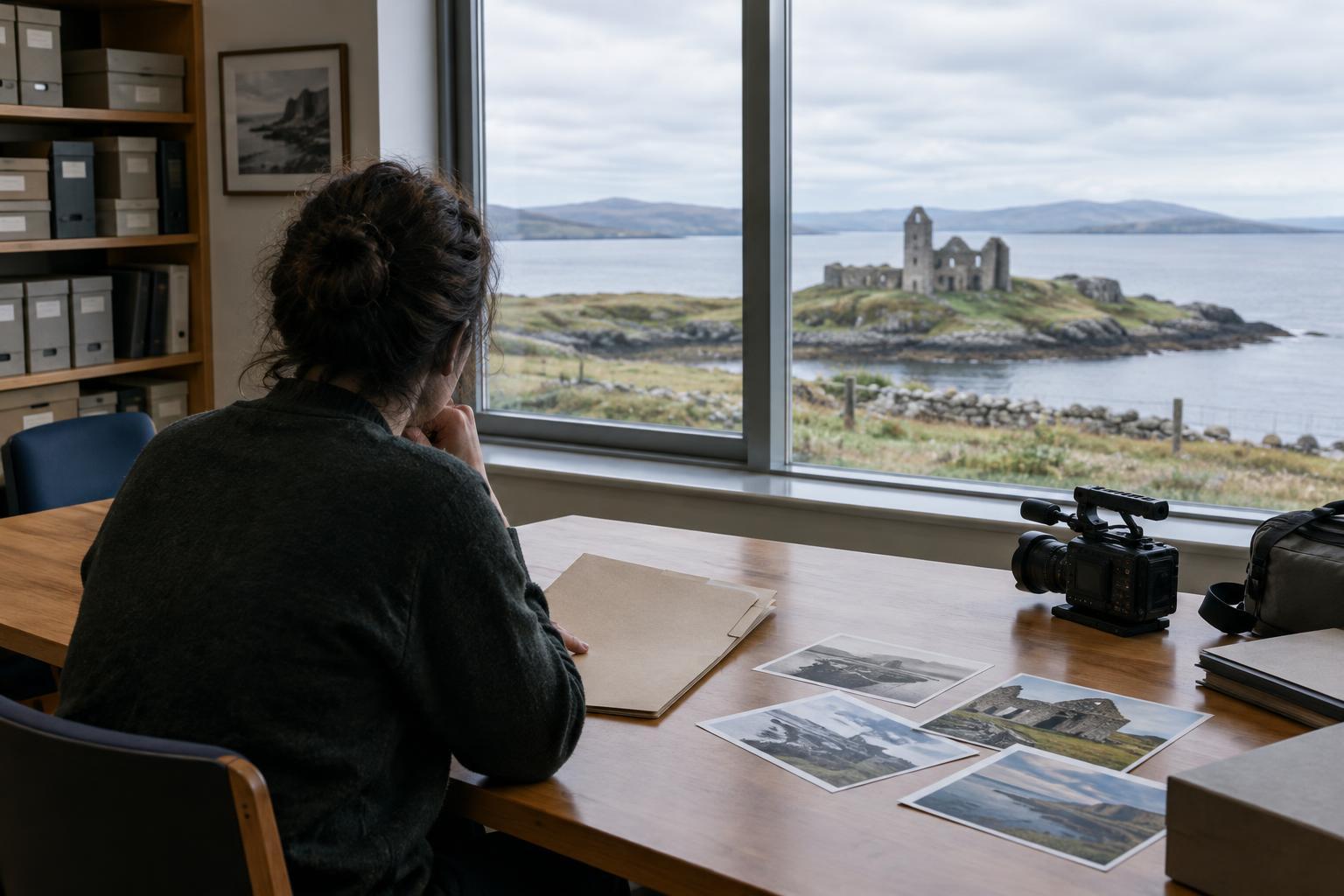
Documentary StorytellingA compelling history documentary begins with a question, not a pile of facts. Here is a practical way to shape a Scottish history question into a film with a clear line of inquiry, meaningful places and images, and honest treatment of what the evidence cannot tell us.
Read article · 4 min↗