Treat the full answer as your starting point
A documentary interview rarely arrives as a neat sequence of finished statements. People pause, reconsider, circle back and find a clearer way to say something halfway through an answer. Editing can help an audience follow that thought. It can also, if handled carelessly, turn a qualified memory into a firm claim or make a speaker seem to answer a question they were never asked.
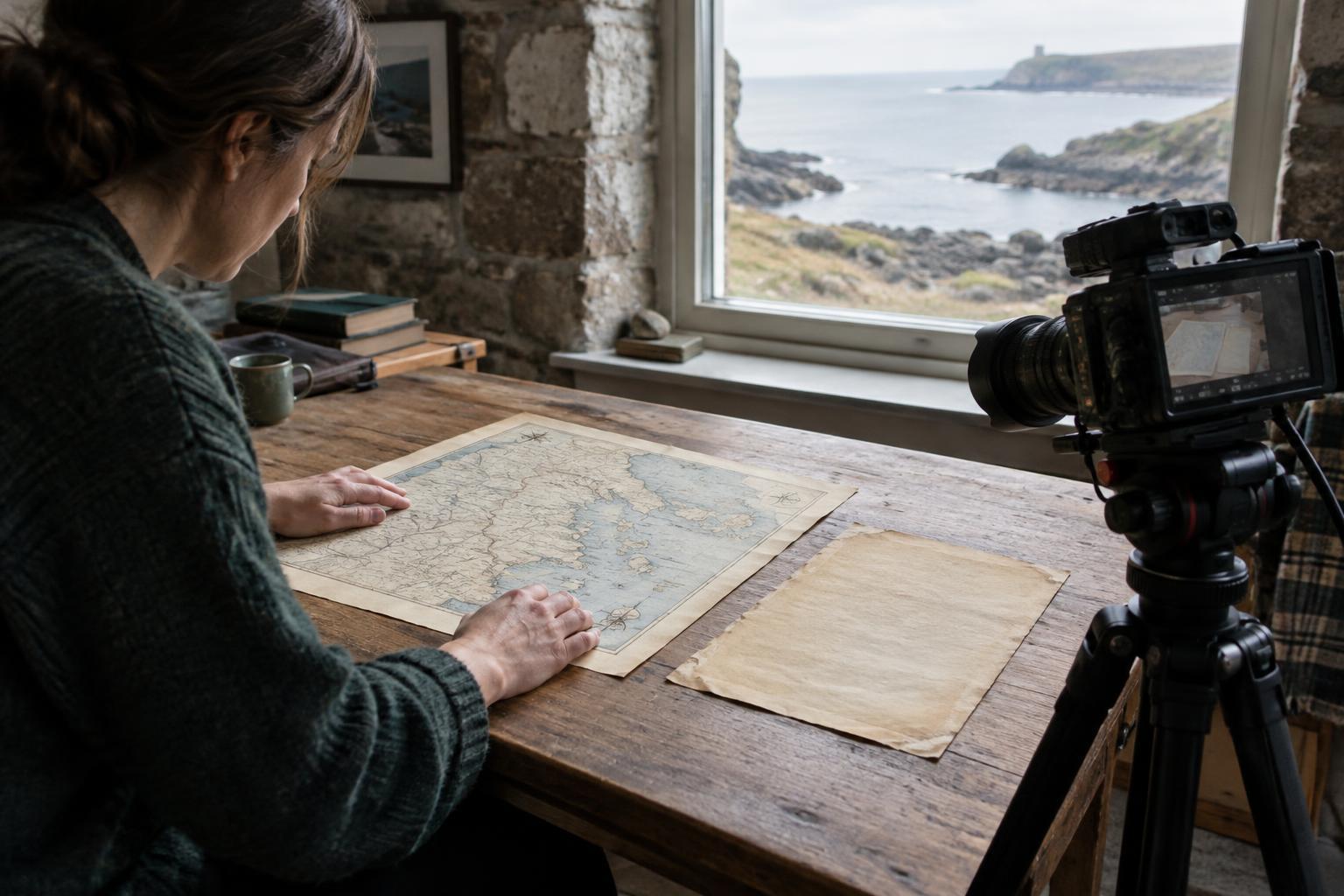
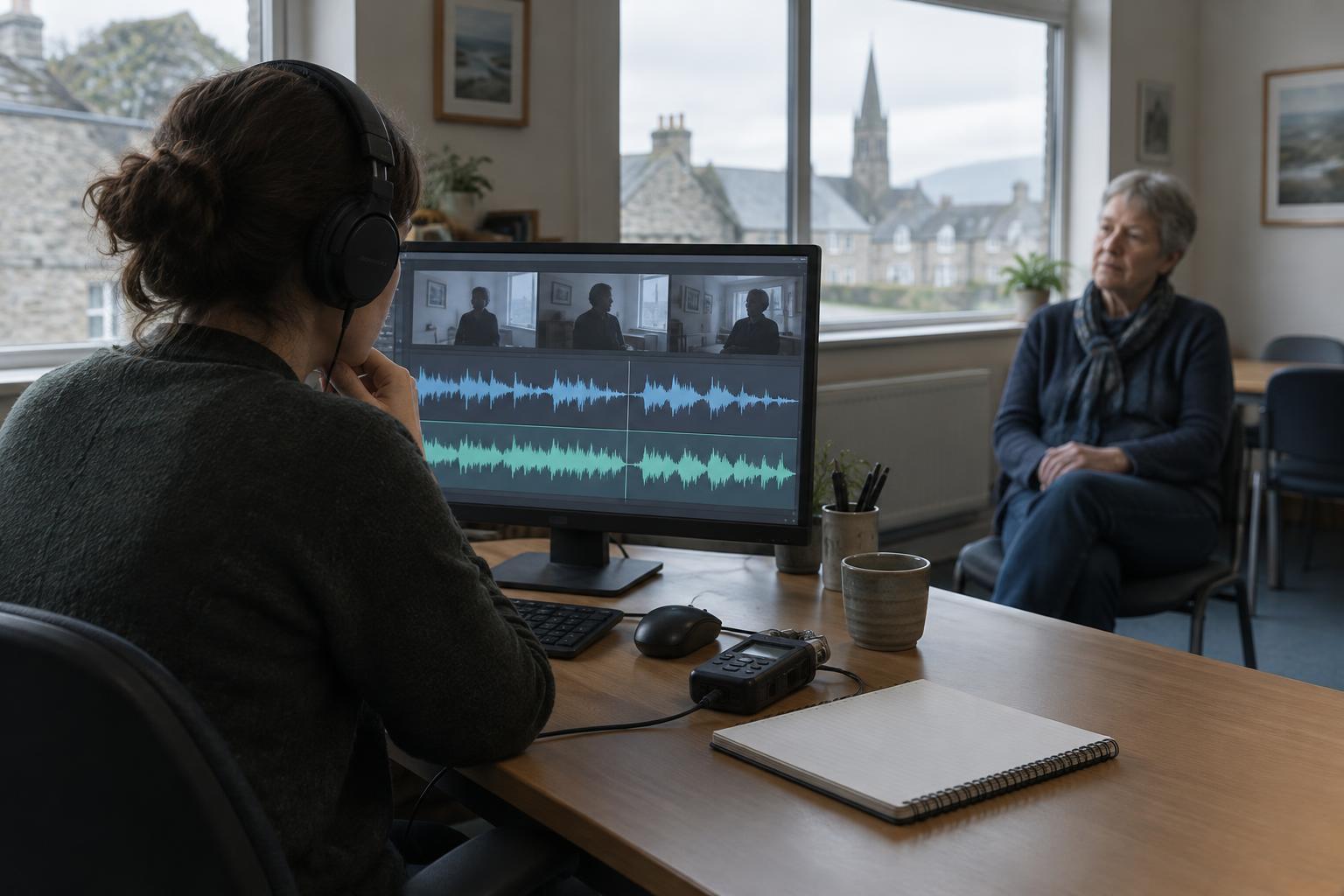
Before cutting, listen to the full exchange, including the interviewer’s question and what follows the answer. Note the subject, the time period and whether the speaker is describing something they witnessed, learned from family or inferred later. In a film about Scottish local history, those distinctions matter: a recollection of a place in childhood is different from an account of why that place changed. Keep a transcript or detailed notes linked to the source recording so every selected phrase can be checked in context.
Shorten for clarity, not for certainty
Removing repetition and long pauses is often straightforward. Cutting a qualification is not. Words such as “I think,” “as I remember it” or “in our street” may carry the limits of a speaker’s knowledge. A sentence can sound smoother without them while saying something materially different. Likewise, joining the first half of one answer to the end of another may create a line the speaker would not have delivered as a single thought.
When selecting a passage, write down the point you understand the speaker to be making. Then compare that summary with the proposed cut. Does the edit preserve who or what the speaker is talking about? Does it keep any important uncertainty, exception or change of mind? If the answer depends on surrounding material that will not fit, consider a longer excerpt, a neutral narration bridge or leaving the point out. Brevity is useful only when the result remains fair.
Check what the sequence implies
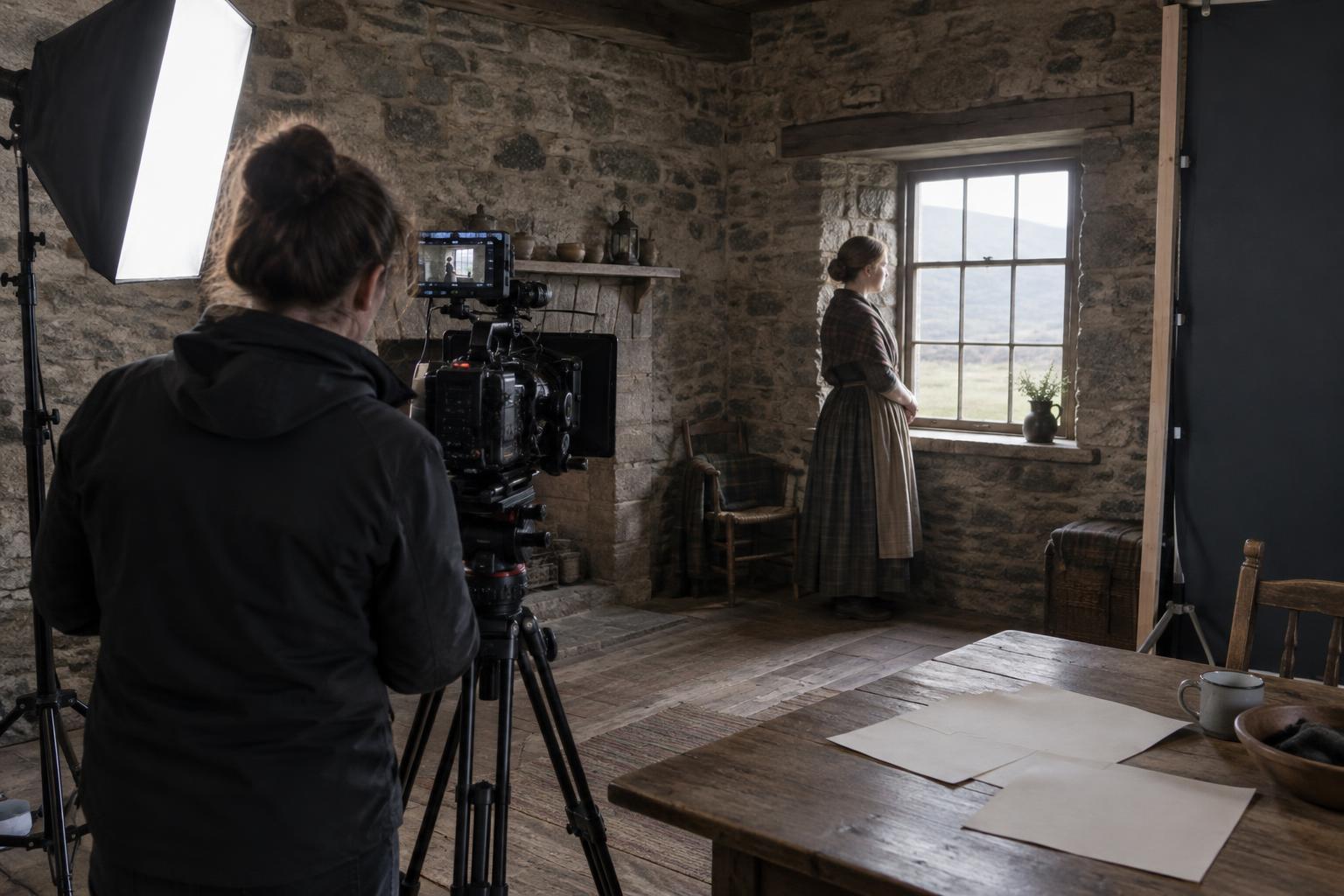
Meaning comes from placement as well as words. An interview about a former workplace might be followed by images of a different site because those are the pictures available. Without a clear label, viewers may assume the speaker is describing the place on screen. The same problem arises when a reaction shot appears to respond to a comment made on another day, or when two interviewees are arranged to suggest a disagreement they never had.
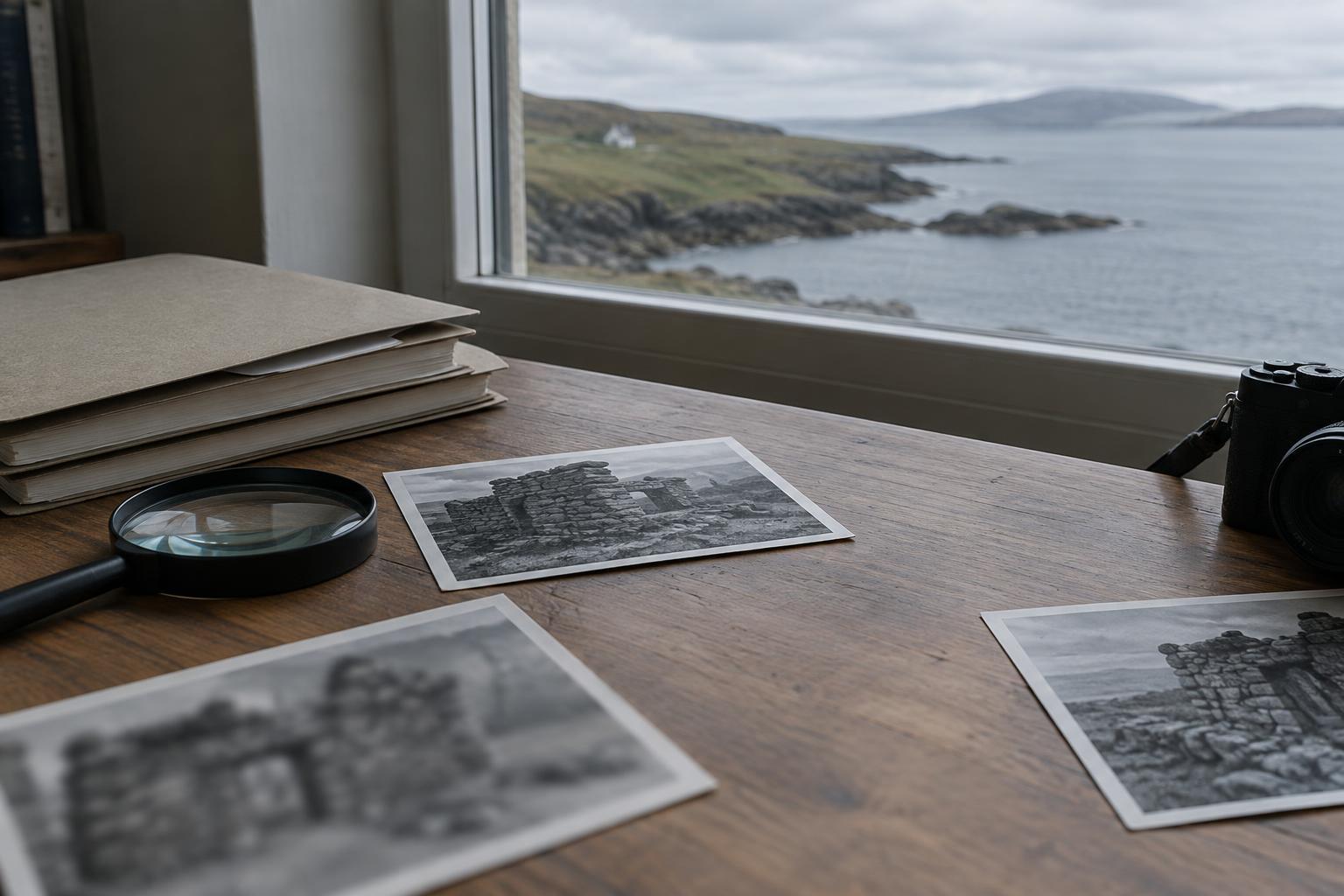
Watch each sequence without looking at the edit timeline. Ask what a viewer who has not seen the source material would infer about chronology, location and cause. Identify illustrative footage as such where confusion is likely, and use captions precise enough to distinguish a present-day location from an earlier photograph. If archival material has an uncertain date or provenance, do not let the edit silently make it evidence of a specific event. Visual storytelling can enrich an account without claiming more than the material supports.
Take particular care with personal memory
Family stories and community memories can carry pride, grief or disagreement. A speaker may describe how an event felt to them rather than offer a comprehensive history of it. Editing should leave room for that perspective without presenting one person’s experience as everyone’s. Avoid using an emotional phrase as a dramatic opening if the fuller answer gives it a narrower or more reflective meaning.
Consent to be interviewed is not a substitute for editorial care. Where a cut changes the emphasis of a sensitive account, consider discussing the intended use with the speaker if that is possible within the project. This need not mean handing over control of the film. It is a chance to catch a misunderstanding, clarify a reference or learn that an apparently minor detail changes the point. If a speaker corrects a factual detail, check the correction against the recording and other material rather than quietly reshaping the account to fit the preferred story.
Build a final meaning check into the edit
Before locking a sequence, compare each interview excerpt with its source. Listen to a little before and after every cut, not just the chosen sentence. Check subtitles and captions against the audio, especially names, place names, negatives and expressions of uncertainty. Make sure a music cue or sudden change of image does not push the audience toward an interpretation the speaker did not express.
Keep a simple record of where excerpts came from and why substantial rearrangements were made. This makes revisions easier and gives collaborators a way to raise questions about context. The test is not whether every pause and detour survives. It is whether someone who heard the complete answer would recognise the thought conveyed by the finished scene. A strong edit respects the shape of that thought while giving viewers a clear path through it.