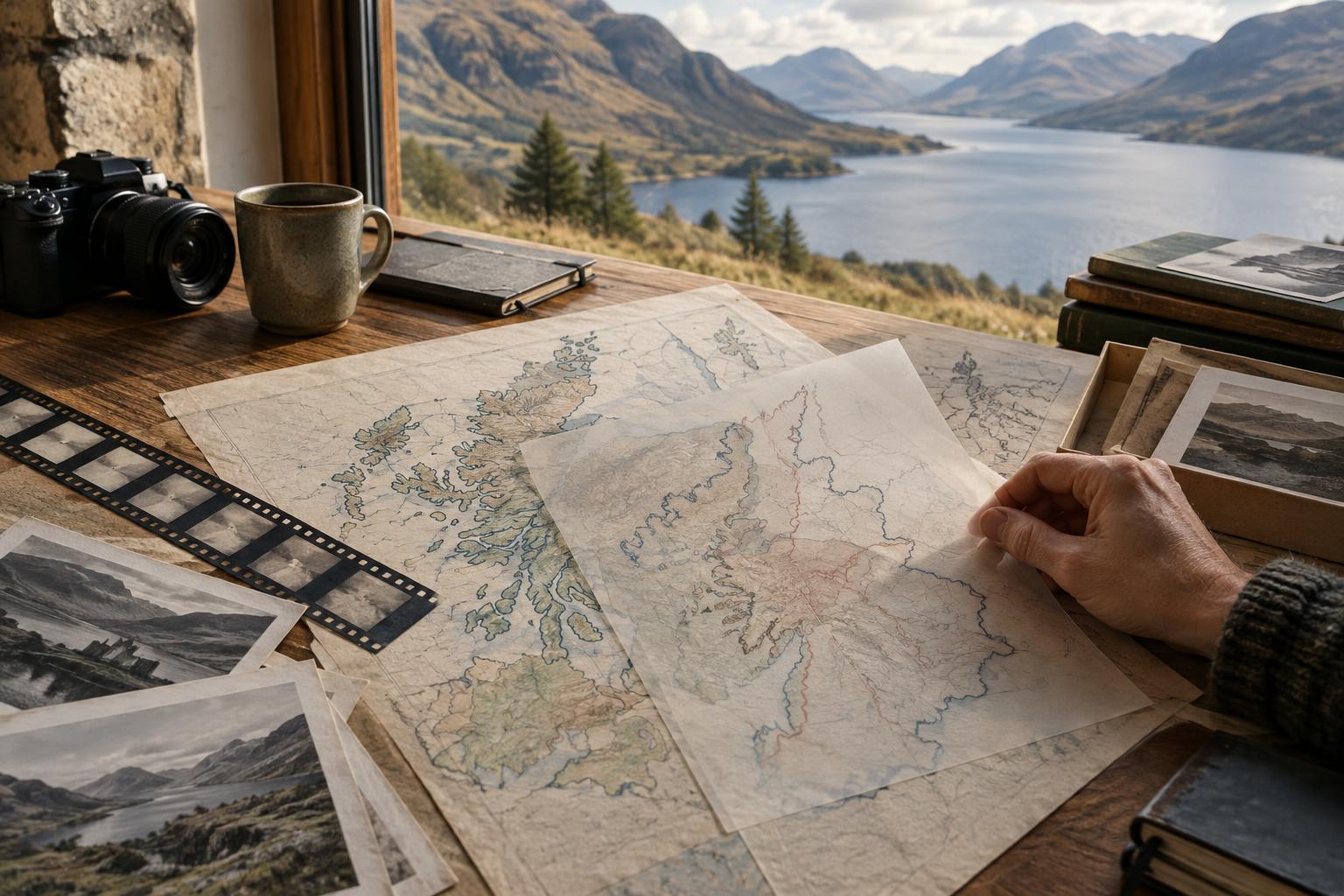
Start with the question, not the camera
Before listing shots, write down the question your visit is meant to explore. A ruined building, working harbour or former industrial site can support many stories. Are you examining how the place was used, how it changed, or how it is cared for now? A clear question helps you choose images that explain something rather than simply making the site look atmospheric.
Separate what you know from what you hope to find out. Note any dates, functions or names that still need checking, and avoid building a sequence around an unverified assumption. If a site has several layers of history, your list may need images that distinguish them: an older structure, a later addition and a present-day use. This gives the edit a visual way to acknowledge change without suggesting that every visible feature belongs to the same period.
Build a sequence that helps viewers find their bearings
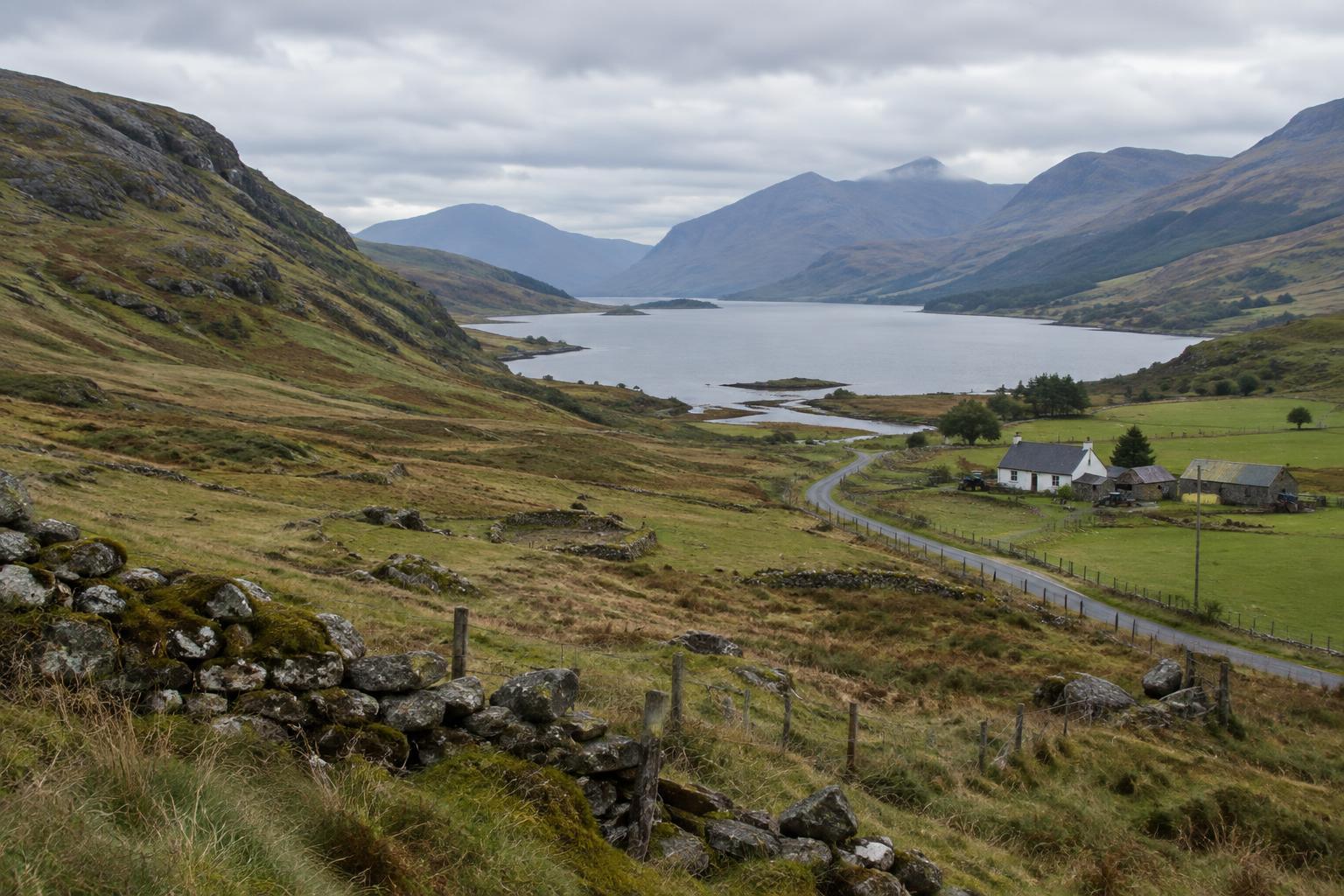
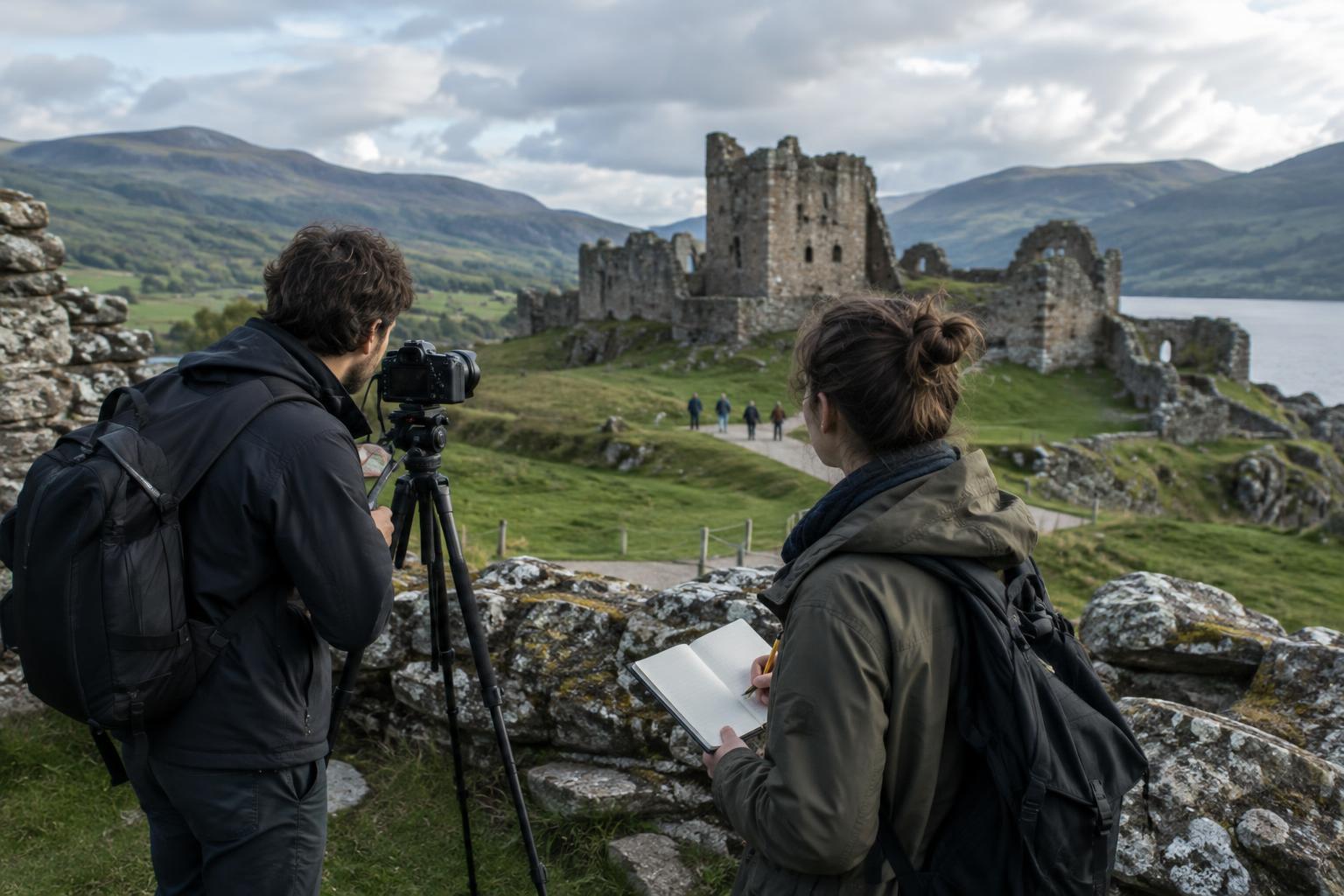
Organise the shot list by what each image does for the story. Begin with orientation: a view that places the site in its landscape, a route of approach, and a view that makes its scale or layout legible. Then list details that can carry specific explanations, such as building materials, alterations, paths, tools on display or signs of ongoing maintenance. Include wider and closer views of important features so that a small detail does not appear without context.
Think about movement through the place as well as individual frames. A doorway, stair or path can connect one part of a sequence to the next. Note which direction you expect to film from and where the light may fall, but do not make the plan dependent on a particular sky. If visitors are part of the story, plan views that show how people use the site today without treating their presence as evidence of how it was used in the past.
Make room for sound and spoken explanation
A shot list is stronger when it includes sound. Add a short list of sounds worth recording on their own: footsteps on a surface, water near a quay, wind around an exposed wall or the quieter room tone of an interior. These recordings can help a viewer understand the setting and make an edit feel less dependent on narration. Record clean ambient sound where possible, and note interruptions such as traffic or conversations rather than pretending they were not there.
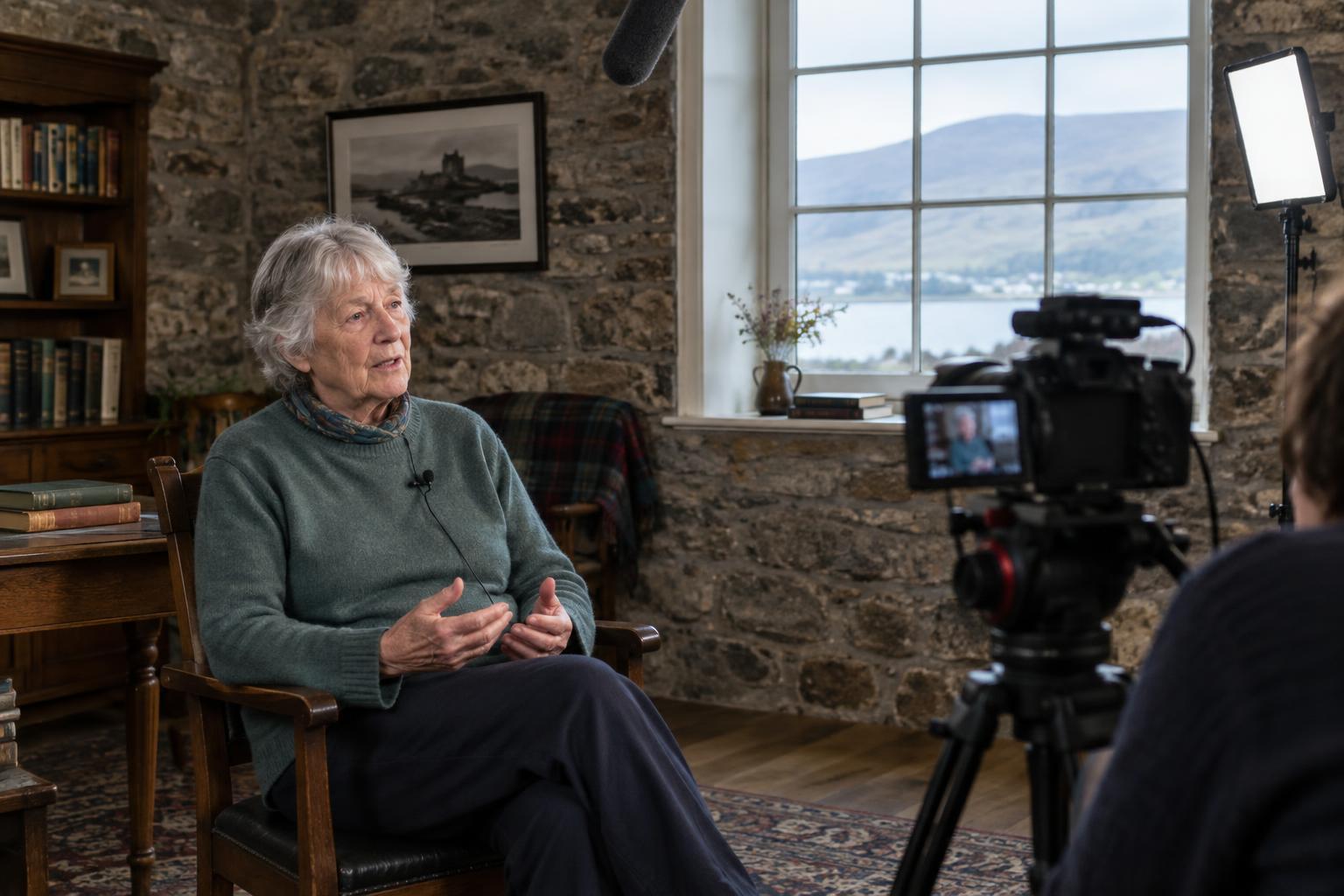
If an interview is planned, choose a position that relates visibly to what the person is discussing without placing them in an awkward or noisy spot. List supporting images for points you can reasonably expect them to explain, but leave space for something they bring to your attention. An interviewee may identify a modest feature that matters more to the story than the landmark view you initially prioritised.
Plan around access, care and uncertainty
Check the site's visitor guidance before the visit and ask about filming restrictions or permission where appropriate, particularly for interiors, managed collections, drones or equipment that could obstruct others. Keep paths clear and avoid touching fragile fabric for the sake of a shot. A viewpoint that requires stepping onto vulnerable ground is not essential; look for another way to show the feature.
Make the list workable in changeable conditions. Mark a small group of must-have shots, then identify alternatives if rain, crowds or limited access alter the day. Allow time to pause and look before filming every item. That pause can reveal relationships a desk-made list missed, such as how a building sits beside a road or how a later repair changes the outline of a wall.
Keep a record the edit can trust
Alongside each shot, jot down its location, what it shows and any uncertainty about its interpretation. Photograph or transcribe a label for reference if permitted, but check its wording before using it in narration. If you film a display containing a reproduction image or object, identify it as a reproduction when that distinction matters to the story. Do not present staged action, modern props or newly made visuals as surviving archival evidence.
After the visit, compare the footage with the question you began with. You may have a beautiful establishing view but no image that clarifies a key claim, or strong details without a shot that shows where they belong. Those gaps can guide a return visit, a revised script or a more careful explanation in the edit. The best shot list is not a demand to collect every planned frame; it is a practical guide to making a place understandable without asking the images to prove more than they can.