Decide what the scene is meant to show
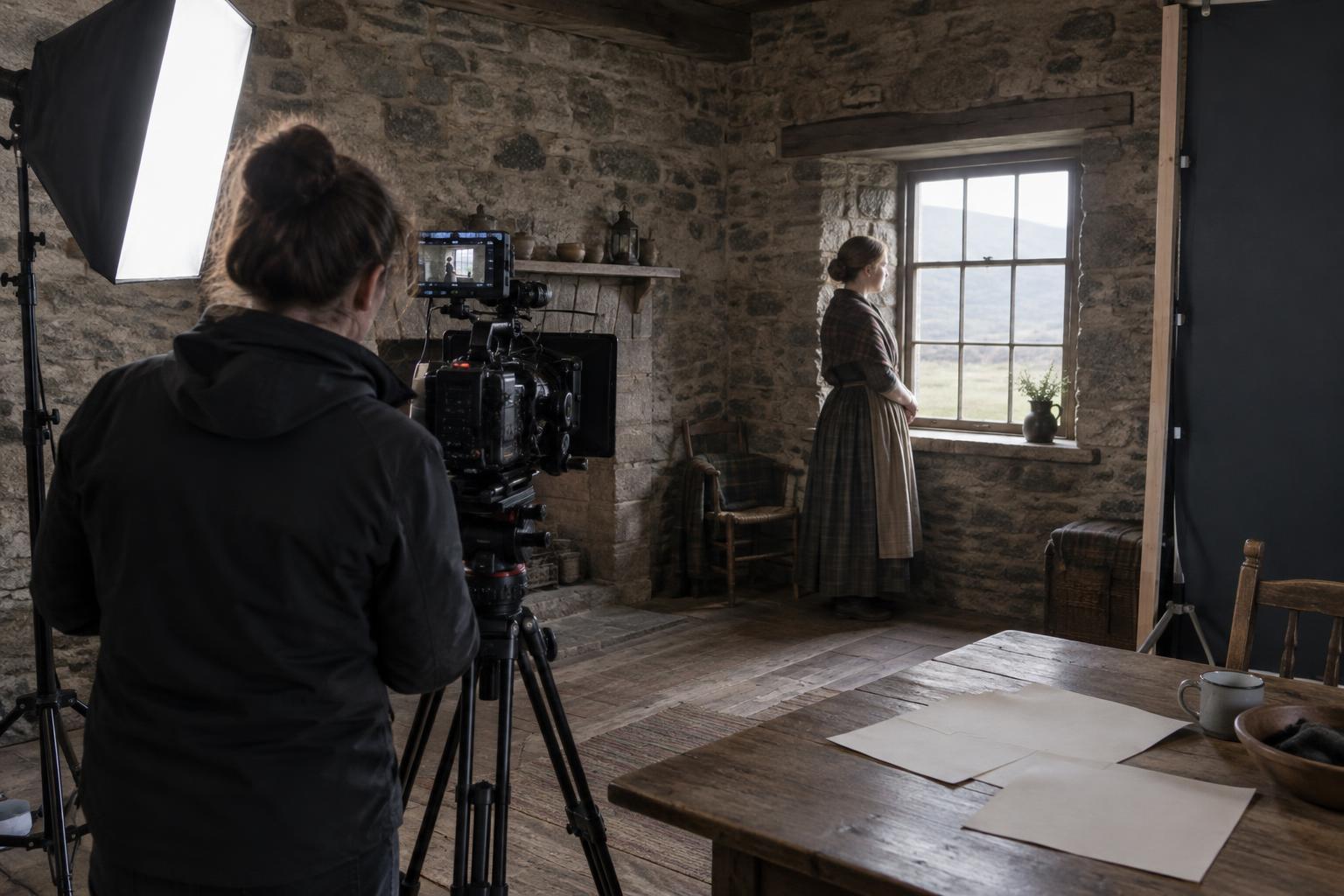
A reconstruction can give shape to an event for which no camera was present. It might show a journey, a working method or the layout of a room. Before filming, decide whether the scene illustrates a documented action, offers one plausible interpretation, or simply establishes atmosphere. Those are different jobs, and viewers deserve to know which one the images are doing.
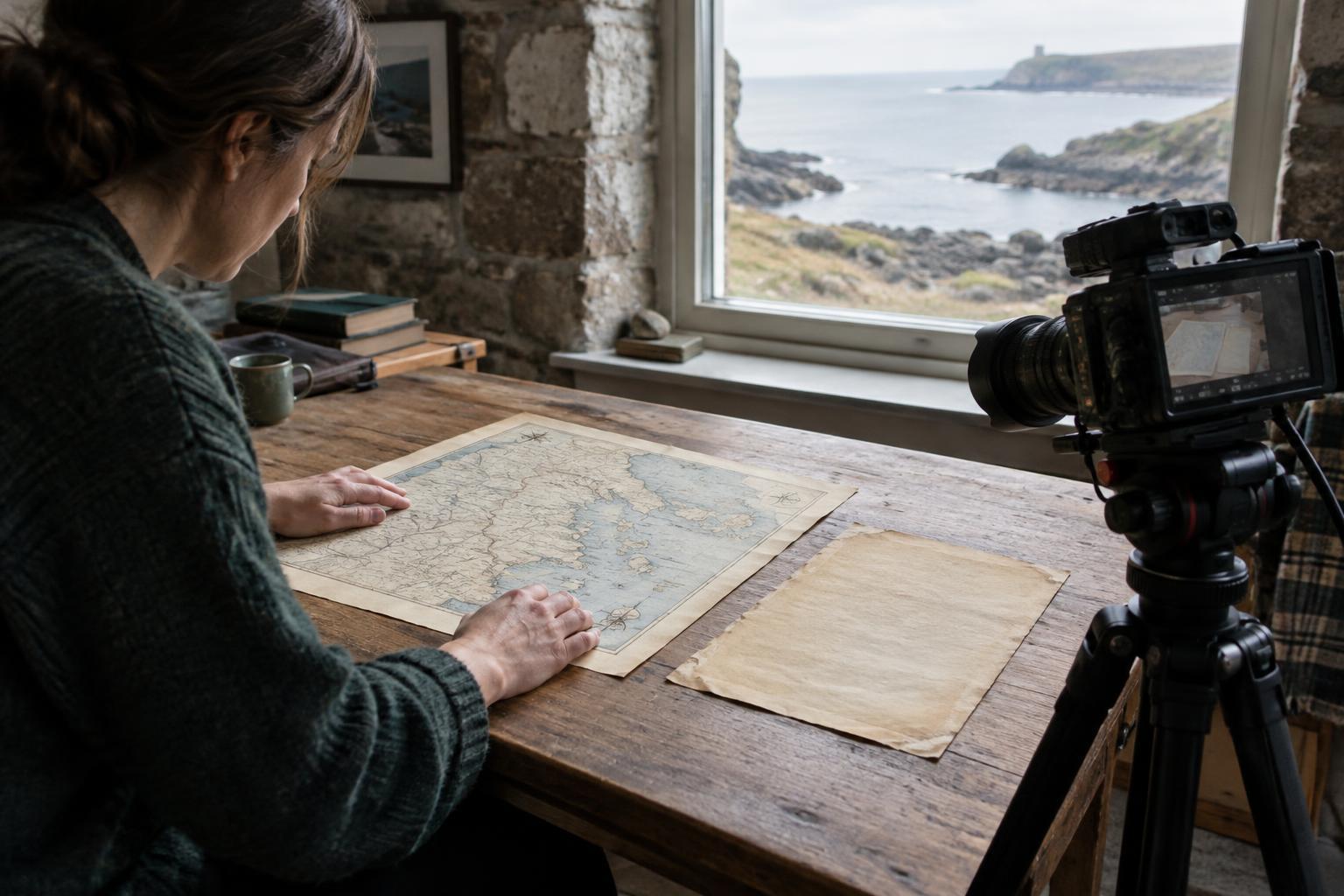
Write down the evidence behind each important detail: the place, the people represented, the clothing, the words spoken and the sequence of events. A documentary about a Scottish fishing community, for example, might have sound evidence for the tools used but little evidence for a particular conversation. The tools could be shown as a careful reconstruction; the conversation should not be presented as a transcript. This planning note helps the production team keep confident details separate from imaginative ones.
Label the image when it appears
The simplest signal is an on-screen label such as “Reconstruction” or “Dramatised reconstruction” at the start of the sequence. Keep it visible long enough to read, and repeat it if the film returns to the scene after an extended stretch of other material. If a sequence combines archive footage and newly filmed images, label the change at the point where it happens rather than relying on an explanation several minutes earlier.
Specific wording can do more than a general label. “Reconstruction based on descriptions of the workshop” tells viewers what informed the image without implying that every detail is verified. “Illustrative scene; dialogue imagined” makes an important limit plain. Use language a viewer can understand on a first watch, not a production term whose meaning has to be guessed.
Let narration carry the uncertainty
A label identifies the form of a scene; narration explains its relationship to the record. Phrases such as “records indicate,” “one account describes” or “the precise order is unclear” can help viewers distinguish evidence from interpretation. They work best when tied to a particular claim. Constant hedging can become distracting, but silence about a significant uncertainty can make a vivid scene feel more certain than it is.
Take special care with dialogue and inner thoughts. An actor saying a line in character may sound like a quotation even when the words are newly written. A narrator can introduce such a passage as imagined, or the film can avoid spoken dialogue and concentrate on observable actions. If an authentic quotation is used, identify it as such and avoid placing it inside a scene that suggests an unverified setting or audience.
Keep the visual and sound language honest
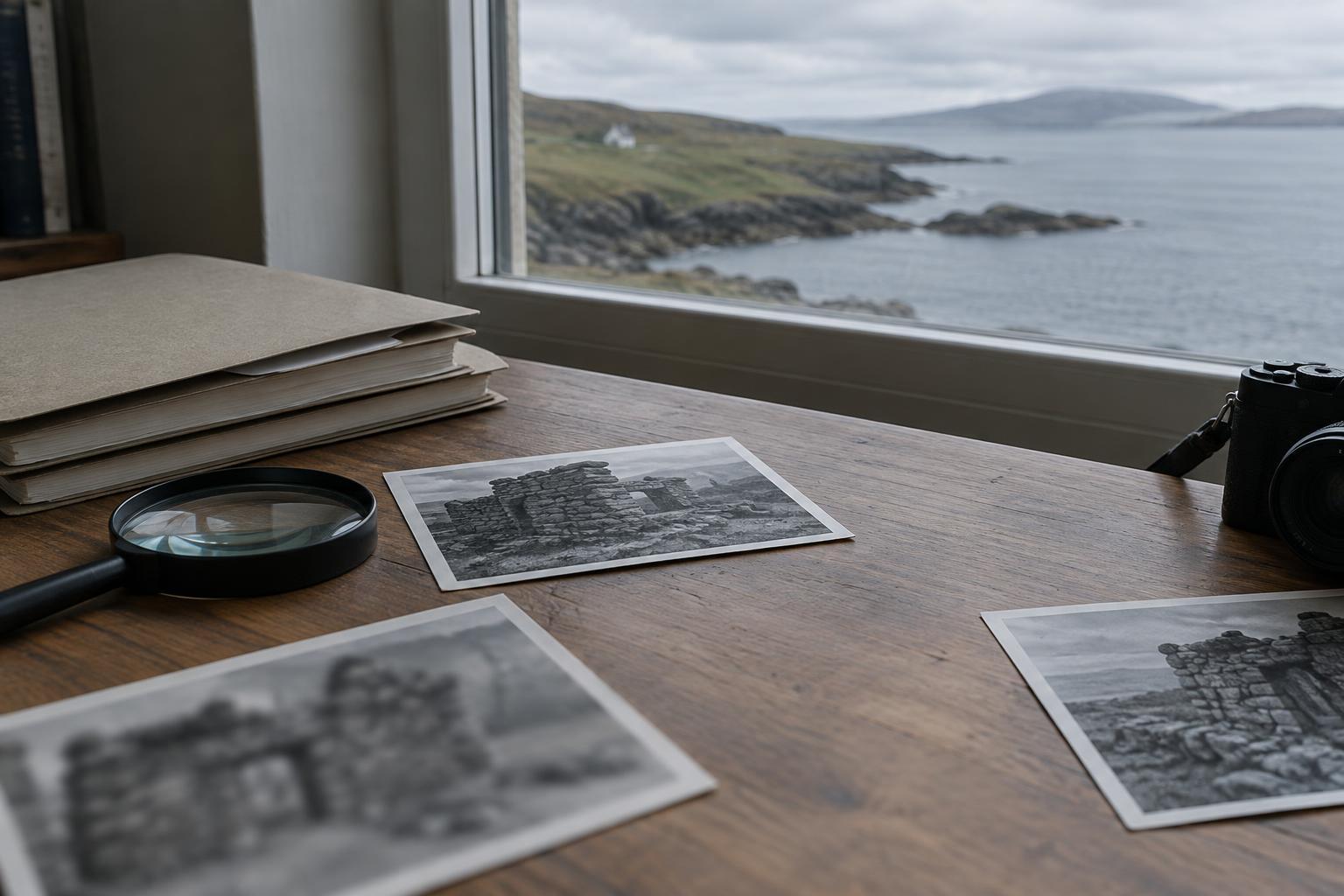
Costume, grain, colour and camera movement can help distinguish reconstruction from archive material. A consistent visual treatment makes that distinction easier to follow, although style should support a clear label rather than replace one. Artificial scratches, frame damage or a date stamp can make newly filmed material look like a discovered reel. If that look serves a creative purpose, the film still needs an unmistakable signal that the images were made for the documentary.
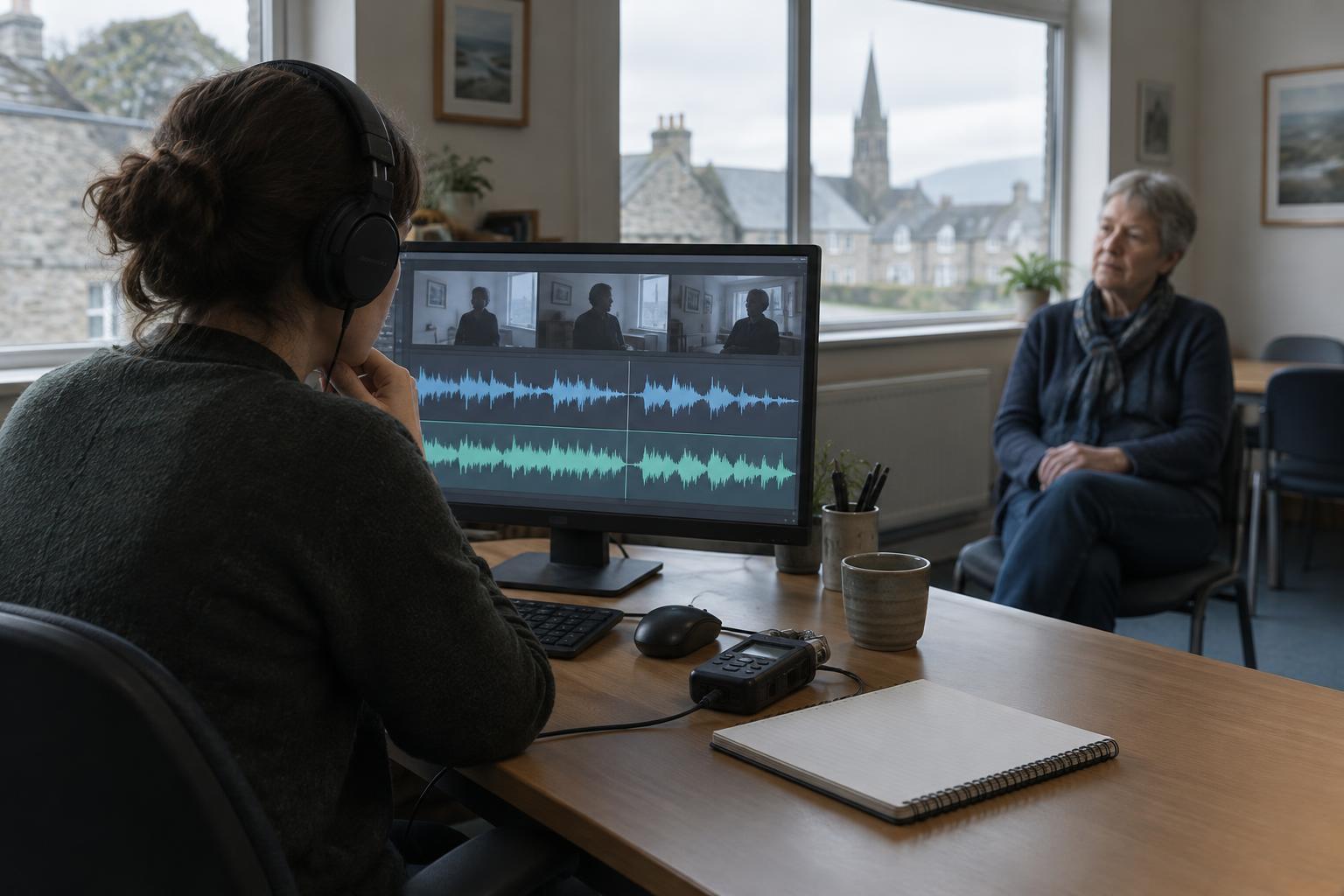
Sound can create the same confusion. Footsteps, crowds and machinery added in post-production may make a scene feel immediate, but they are not recordings of the historical moment. This matters especially when a reconstruction sits beside genuine oral testimony or archival audio. Introduce the source of those voices clearly, and avoid editing an invented soundscape so that it appears to belong to an original recording.
Give viewers a way to check the boundary
Credits or a short production note can describe what was reconstructed and the broad basis for it. This is particularly useful when a film moves among locations, archival images, maps and staged scenes. A note need not interrupt the story with a catalogue of every prop. It should, however, make it possible to understand whether a key scene rests on a documented account, a composite of experiences or a visual interpretation.
Before release, watch the film without the script in hand. Ask where a viewer might mistake newly made material for an archival image, or take an actor’s words as a historical quotation. Check the opening of each sequence, transitions between image types and any promotional clips that may circulate alone. Clear signalling does not weaken a reconstruction. It lets the scene contribute to the story while preserving the difference between what survives from the past and what filmmakers have created to help us picture it.