Give every image a job
A street scene, a crowded platform or a fishing boat can quickly establish a sense of the past. That appeal is also a trap. When footage appears beneath narration about a particular event, viewers may reasonably assume they are seeing that event. If the images come from another place or period, they may create a convincing impression without supplying evidence for the story being told.
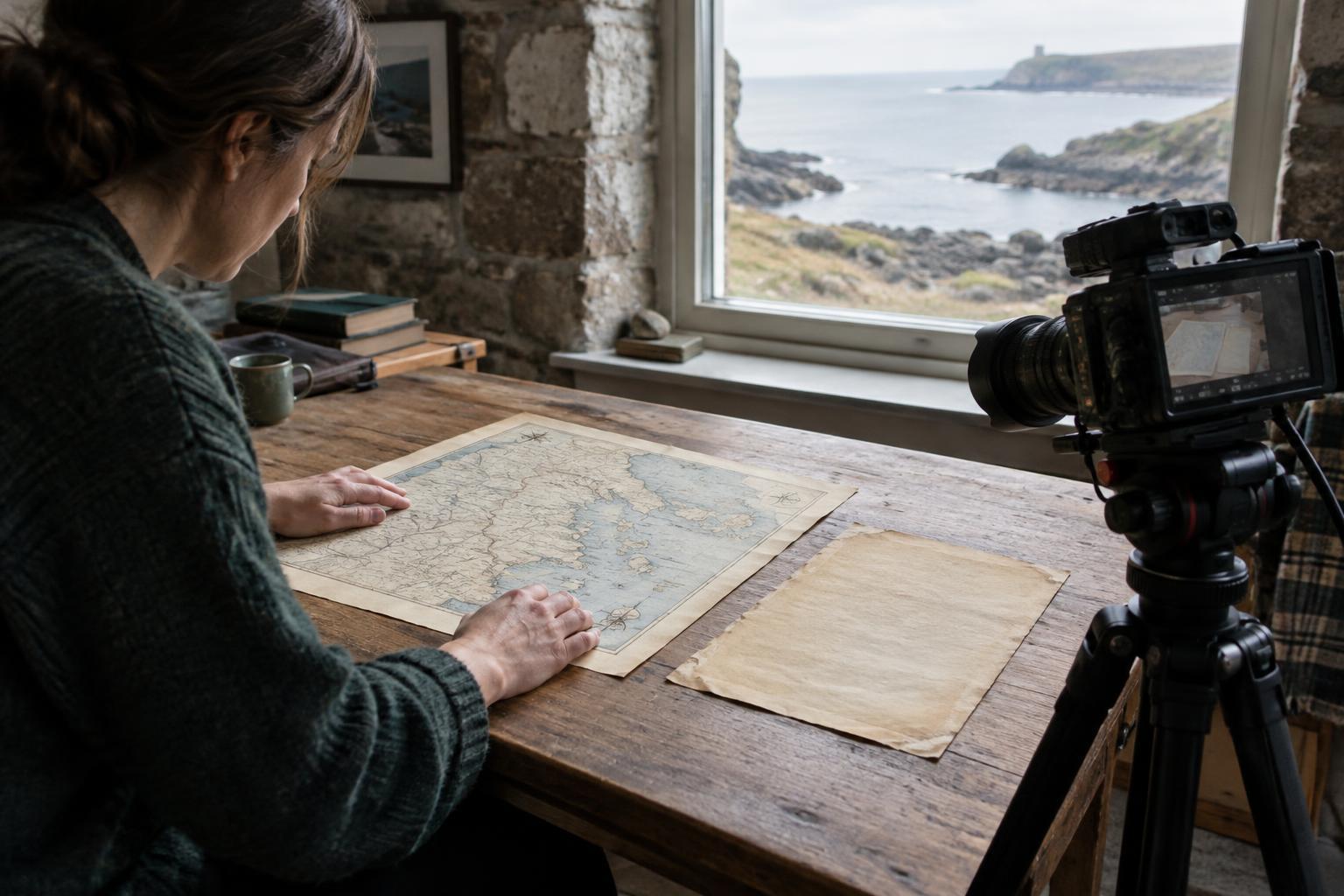
Before placing a clip on the timeline, write down the claim it is meant to support. Does it show the location under discussion? Does it record the activity being described? Or does it simply help viewers imagine a wider setting? All three uses can have a place in a documentary, but they are not interchangeable. A clip that illustrates a broad theme should not be edited or narrated as though it verifies a specific detail.
Trace what the camera actually recorded
Start with the information attached to the footage: its stated date, location, creator, original purpose and any description supplied by the collection holding it. Note which details are established, which are approximate and which remain unknown. A catalogue title may be useful, but it is not the same as a complete account of the circumstances in which the camera was used. If a claim depends on an exact place or occasion, look for supporting context rather than relying on a visual resemblance.
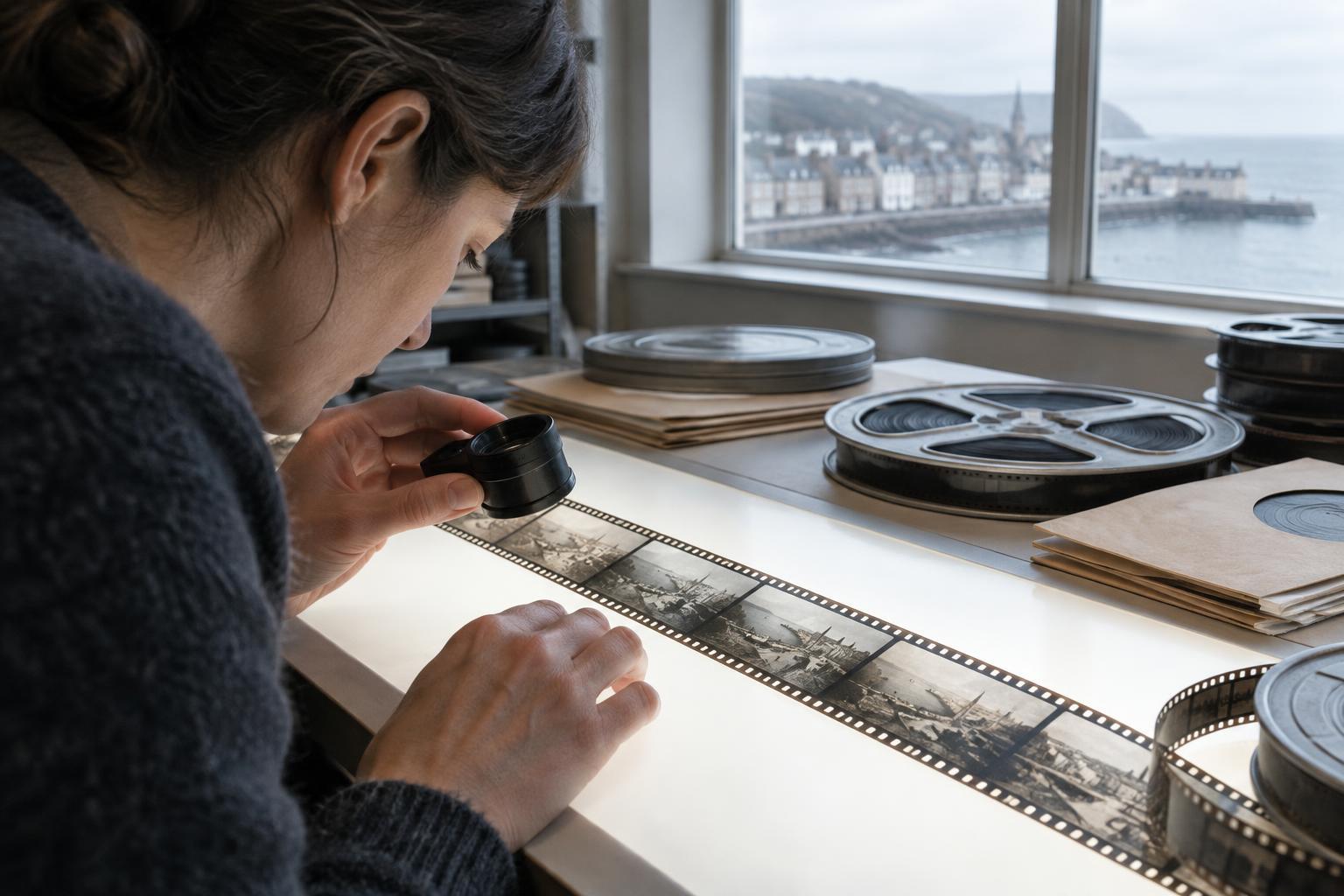
Then watch the clip without narration. Describe only what can be seen: people entering a building, machinery operating, a procession moving along a road. Ask what the frame excludes. Who chose the viewpoint? Might a scene have been arranged for the camera? Is the surviving extract part of a longer sequence? These questions do not make the footage unusable. They help distinguish an observation from an interpretation.
Make place and time specific
Regional detail matters in films about Scotland. Footage from one town may communicate something about a shared industry or social practice, but it cannot automatically stand in for another community’s experience. Landscape, buildings, clothing and transport can offer clues, yet familiar-looking features are not proof of location. When a clip’s provenance is uncertain, a broad description is more honest than a precise caption that the evidence cannot support.
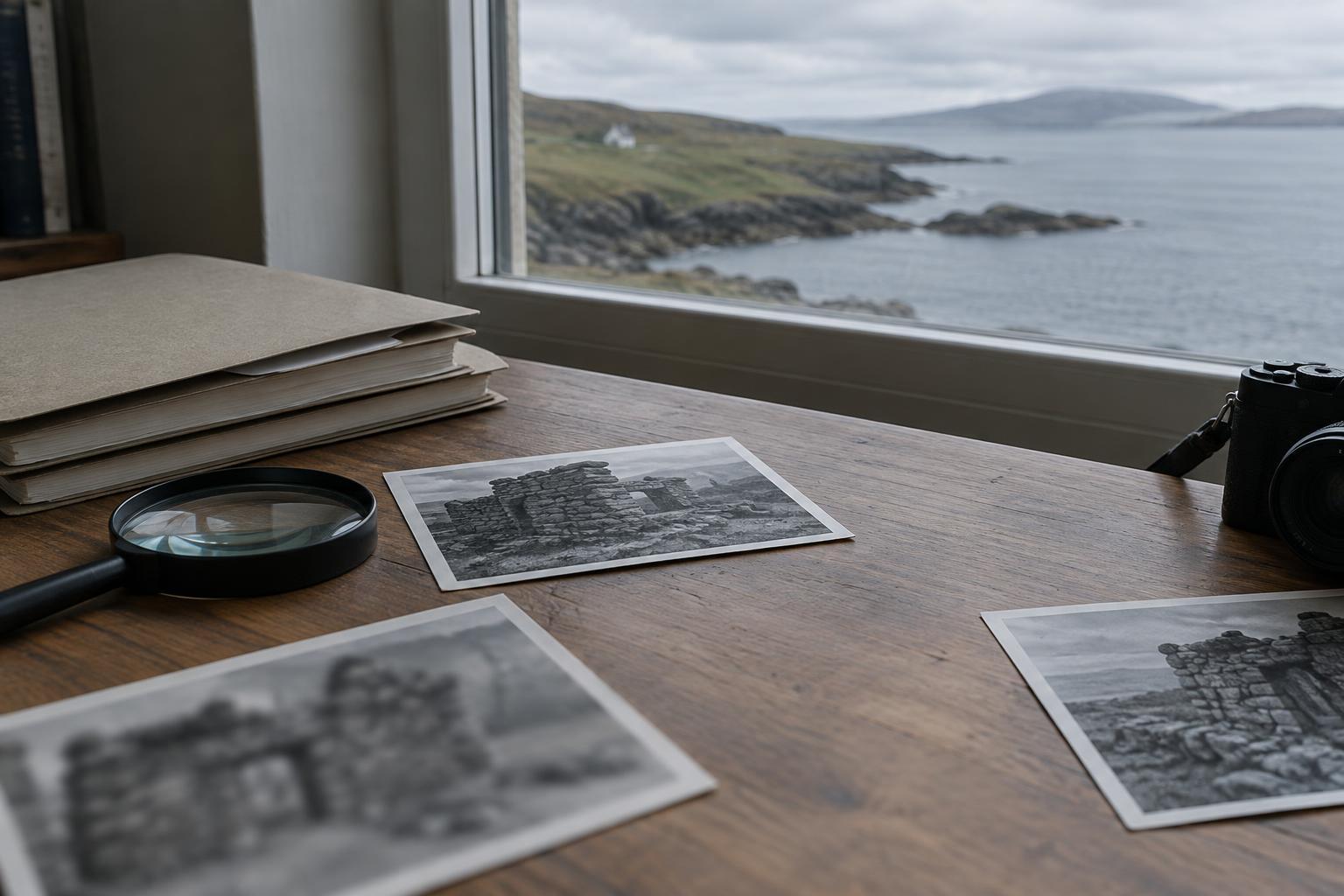
Time deserves the same care. Images made years after an event may show what remained, changed or was commemorated, rather than the event itself. That can be revealing if the film explains the distinction. A later view of a site, for example, might help an audience understand its physical setting while a map, document or interview carries the claim about what happened there. Choosing different materials for different tasks often makes the history clearer.
Edit so viewers can follow the evidence
Captions and narration can give viewers the context they need without interrupting the film’s momentum. Identify a location or date when it is known and relevant. If footage is illustrative, say so in plain language, especially when it accompanies a closely described event. A short qualification such as “footage of similar work” can prevent an image from being mistaken for a direct record. Where uncertainty is substantial, explain it rather than hiding it in a small credit.
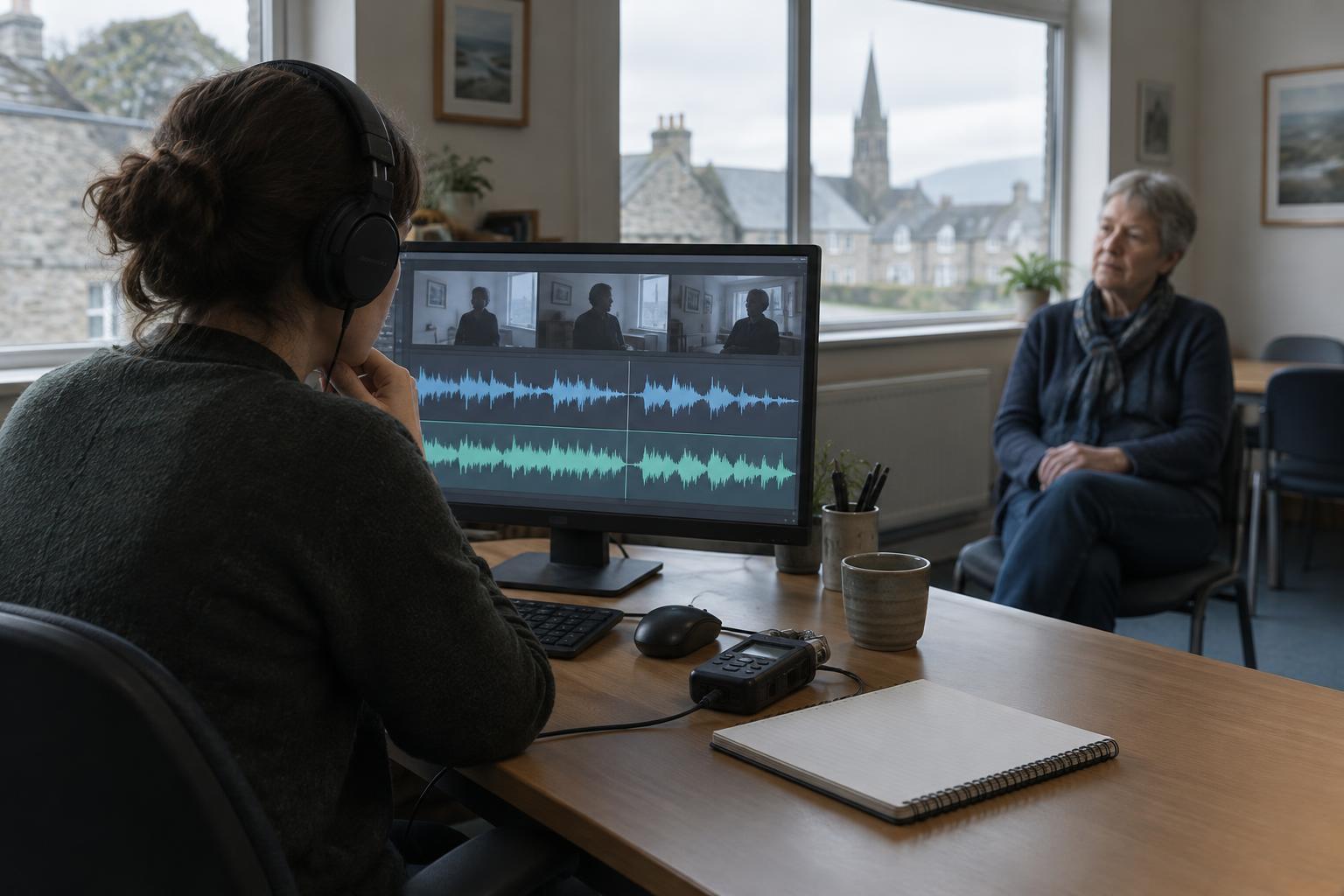
Editing choices also shape what footage appears to say. Rapid cuts can make separate moments look simultaneous; a reaction shot can imply that someone witnessed an event they did not; sound added later can make silent material feel like a complete record. Consider whether the sequence would still communicate an accurate relationship between its parts if a viewer saw the source clips in full. If not, change the edit or make the construction clear.
Keep a record of your own decisions
A simple footage log can strengthen a production. Record where each clip came from, the identifying details supplied with it, what it visibly shows and how the film uses it. Keep separate notes for questions you have resolved and questions you cannot resolve. This makes it easier to check captions, revisit an edit and avoid allowing a plausible assumption to harden into a stated fact.
The same principle applies to reconstructions, colourisation and other visual treatments. They may help audiences engage with a story, but they should remain distinguishable from surviving records. Archival footage is most powerful when its particularity is allowed to matter: not as a moving wallpaper of the past, but as a trace made by someone, somewhere, for a reason. Showing those limits gives viewers more to think about, not less.