Begin with a historical question, not a beautiful view
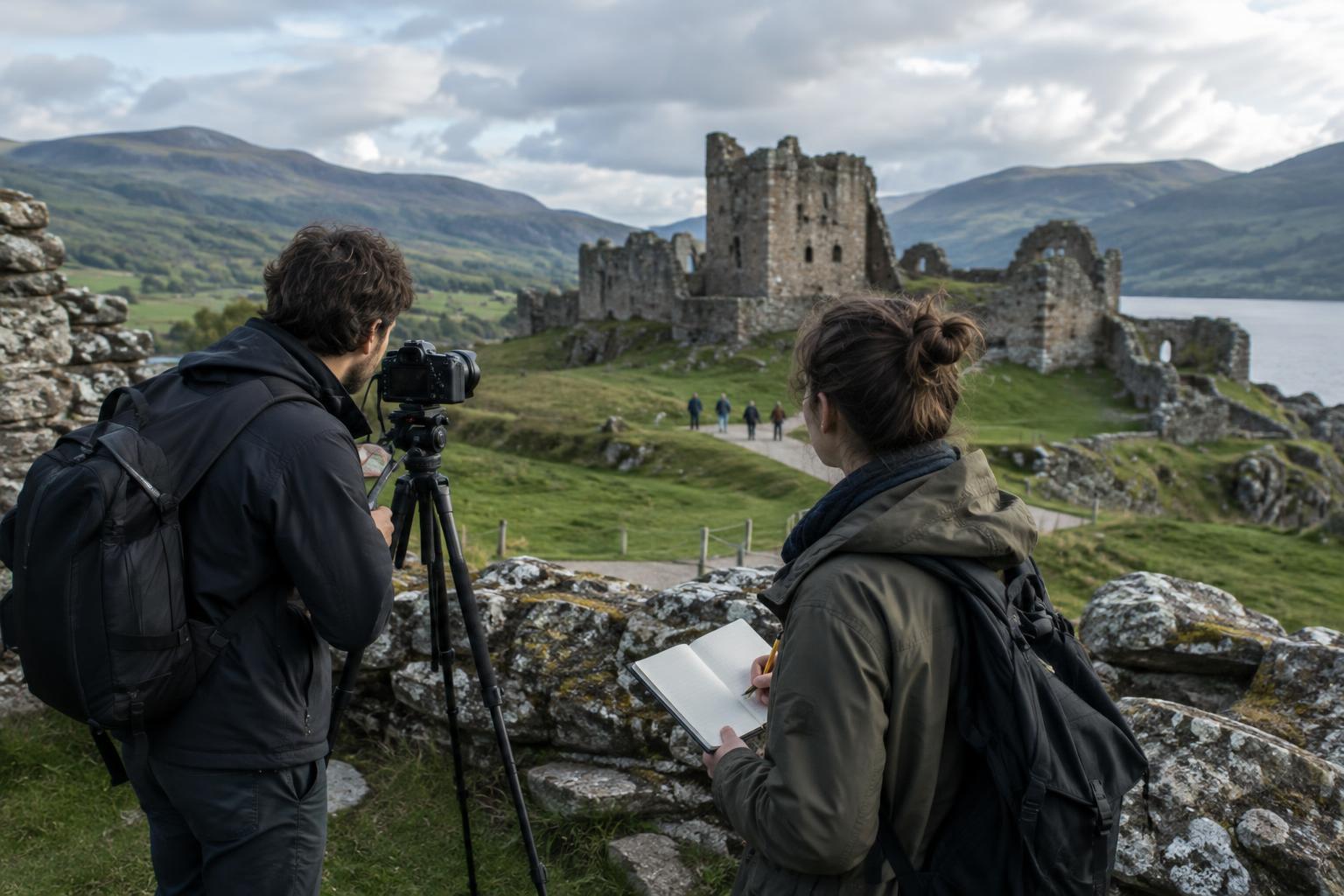
A wide shot of hills, coastline or a town street can establish a documentary’s setting. It does not, by itself, tell viewers what happened there. Before choosing a location, decide what question the scene must help answer. Is the film exploring how people travelled between communities, where an industry shaped daily life, or why a particular site still matters? A clear question gives the camera a purpose beyond making an attractive image.
Consider what a viewer can actually learn from the place. A harbour may help explain a settlement’s relationship with the sea; a road or footpath may make distance and terrain easier to grasp. Film the features relevant to the story, including ordinary details that a dramatic panorama might leave out. If the link between the visible landscape and a past event depends on maps, testimony or other records, introduce that evidence rather than expecting the image to prove the connection.
Show change as carefully as continuity
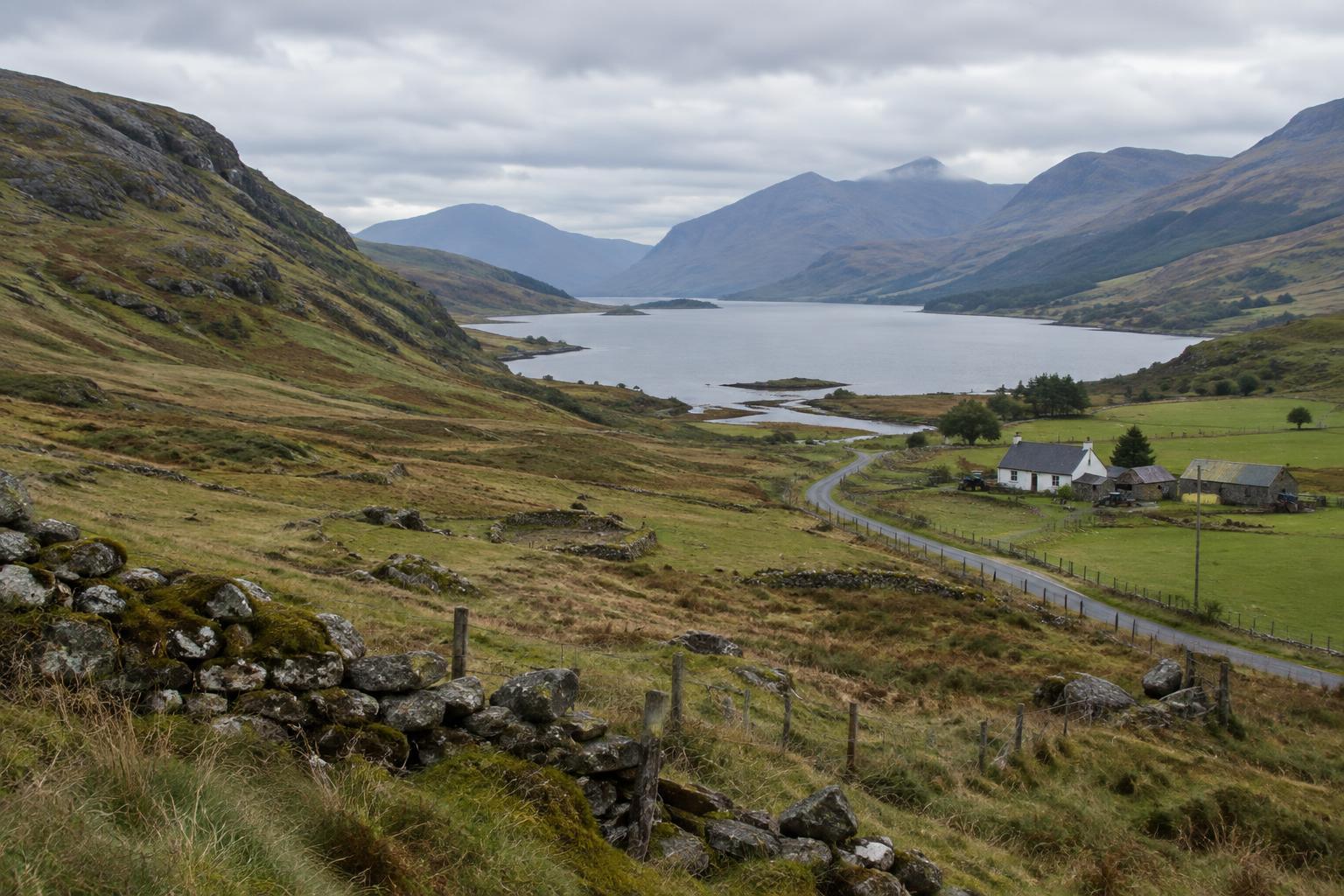
Present-day Scotland is not a preserved backdrop for earlier centuries. Buildings are replaced, shorelines and waterways can be altered, and land use changes. A documentary should resist implying that a view offers direct access to what people in the past saw. Even when a recognisable feature remains, the routes, sounds and activity around it may be very different.
Those differences can become part of the story. A shot that includes a modern road beside an older route may prompt a useful question about movement and access. A former working area now used for leisure can open a discussion about changing livelihoods, provided the film has evidence for that history. Rather than cropping every modern feature out of frame, decide whether it helps viewers understand the distance between then and now.
Where the precise historical view is uncertain, say so plainly. Language such as “from this area” or “near this site” can be more accurate than claiming a camera stands in someone’s exact footsteps. That small distinction protects the film’s credibility and leaves room for what the records cannot establish.
Let framing and sound carry specific meaning
The scale of a shot can change the history it seems to tell. A high, distant view may clarify a valley’s shape or a settlement’s position, but it can make human labour appear abstract. Closer shots of a crossing, a wall or the ground underfoot can bring attention back to the practical conditions people faced. Use both scales when they serve different parts of the explanation, and allow enough time for viewers to orient themselves.
Sound needs the same care. Wind, traffic, birds and footsteps recorded today can make a scene feel immediate, but they are sounds of the present. If contemporary location audio accompanies a discussion of the past, it need not pretend to recreate a historical soundscape. Music and effects can suggest an emotion that the evidence does not support, so consider whether quiet location sound or a straightforward spoken account would serve the scene better.
A useful test during editing is to watch the sequence without narration. What does it appear to claim? If the image suggests abandonment, hardship or tranquillity that the story has not established, a different frame or clearer explanation may be needed.
Make the evidence visible without losing the place
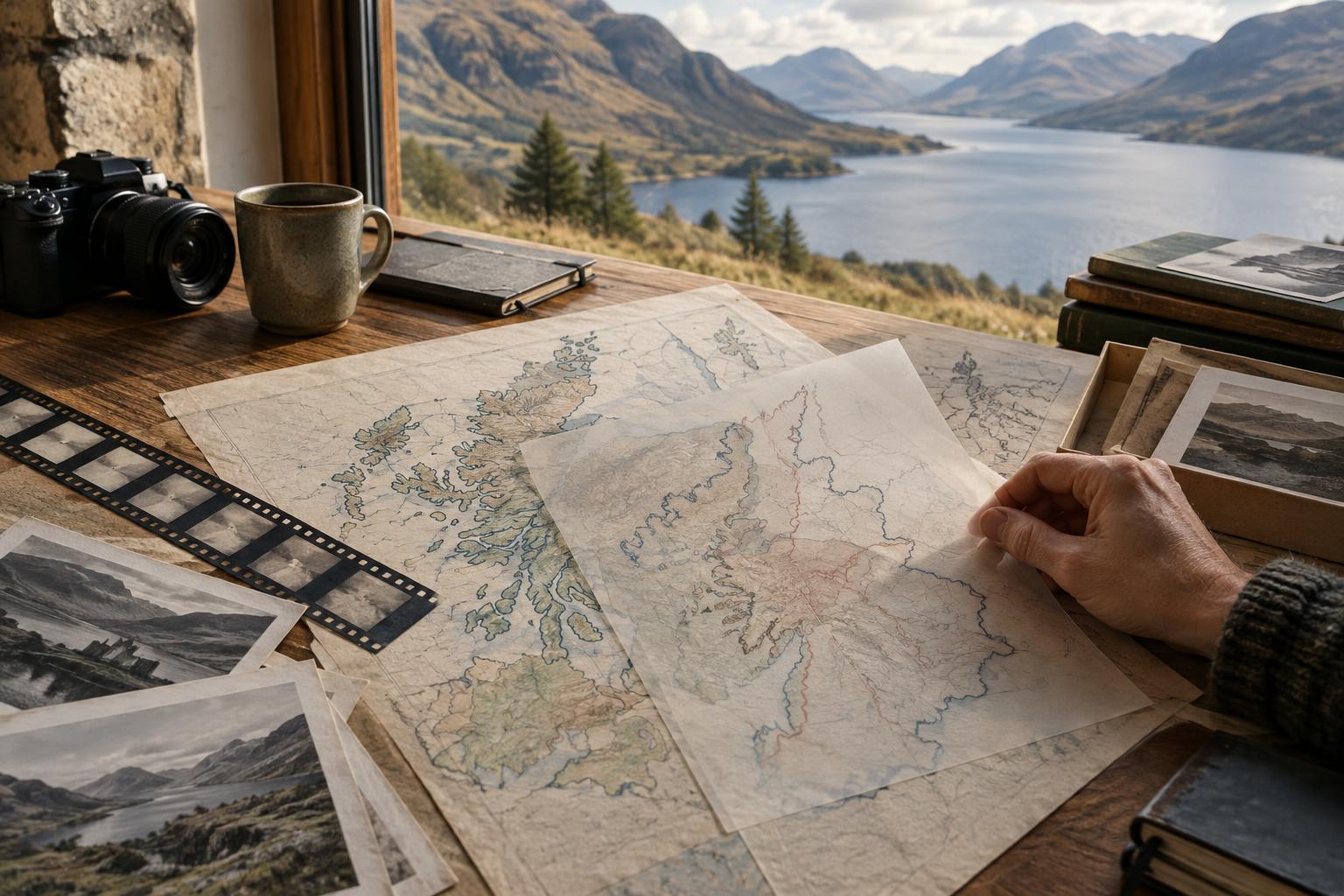
Landscapes work best alongside sources that can explain them. A map may show an earlier route or settlement pattern; a documented photograph may reveal a change to a street; a recorded account may describe how a place was used. Introduce each item with enough context for viewers to understand what it is and what it cannot show. An image made decades after an event, for example, should not silently become an illustration of the event itself.
There are simple ways to keep the relationship between source and location clear. Establish the modern view, identify the feature being discussed, and then show the relevant record before returning to the site. If an old image and a new shot are aligned, explain any uncertainty about the camera position or what has changed. Re-creations and illustrative images should be identified as such. The goal is not to interrupt the film with constant caveats, but to let viewers distinguish evidence from visual interpretation.
Remember that these are lived-in places
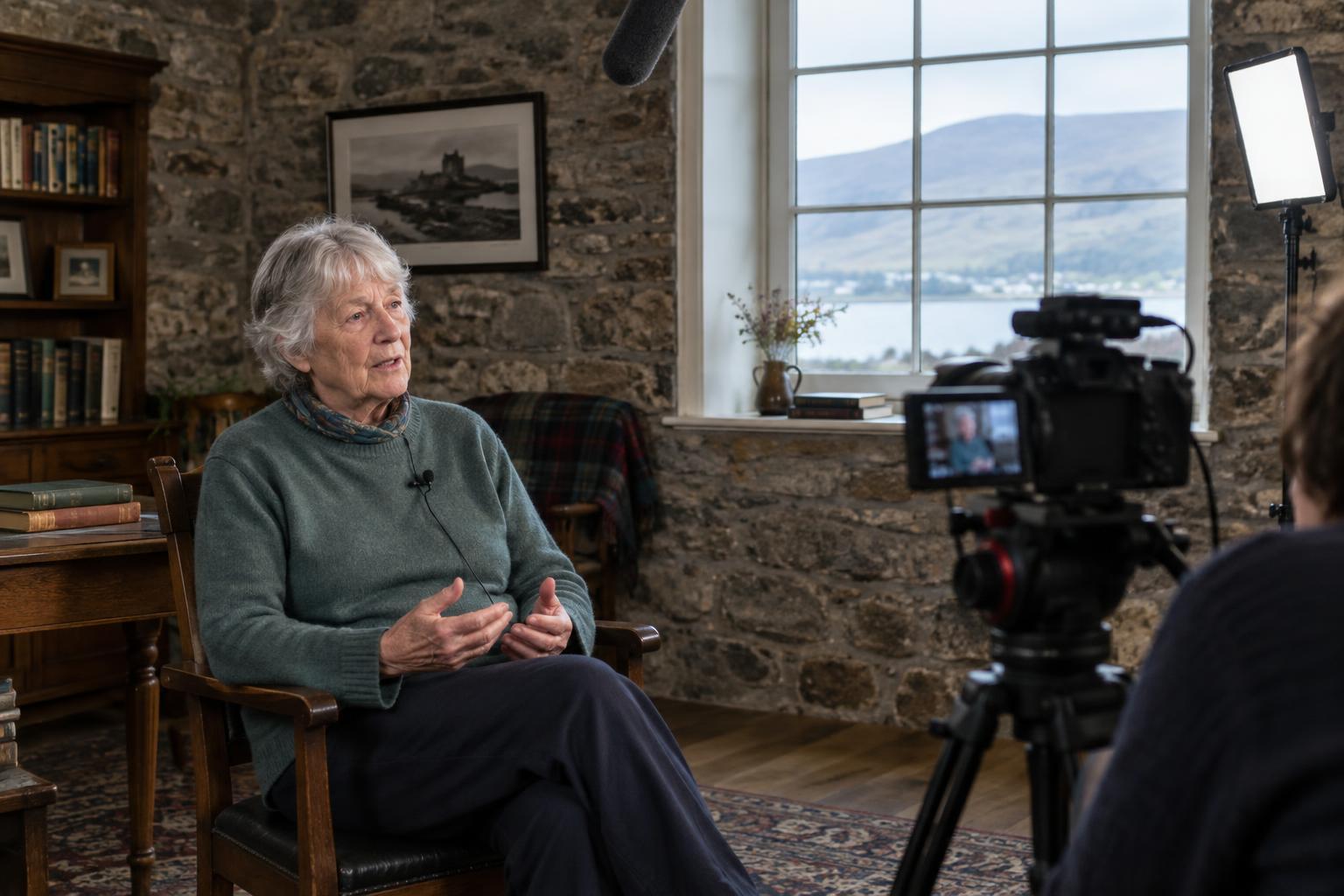
A landscape used to tell a historical story may also be someone’s home, workplace or familiar walking route. Film crews should plan access respectfully, avoid obstructing everyday activity and consider how people who live there might recognise their community on screen. Asking local contributors what a place means to them now can reveal questions that a visitor might miss, without treating any one person as the voice of an entire area.
This matters especially when a film deals with loss, conflict or difficult change. An empty street at dawn might be visually striking, but it could wrongly suggest that a community has vanished. Showing signs of present life can help a documentary hold two truths at once: the place has a history worth examining, and its story did not end there. The most effective landscape footage does more than locate the past. It helps viewers see how evidence, change and continuing life meet in the same frame.