Turn the film into a list of claims
Fact-checking is easiest when it begins before the final edit. Make a claim log with a row for each historical assertion in the script and rough cut. Include dates, names, places, causes, quotations and descriptions of everyday life. Record where the claim appears, the evidence supporting it, the wording used on screen and the person responsible for checking it. A useful log also records unresolved questions and the decision made about each one.
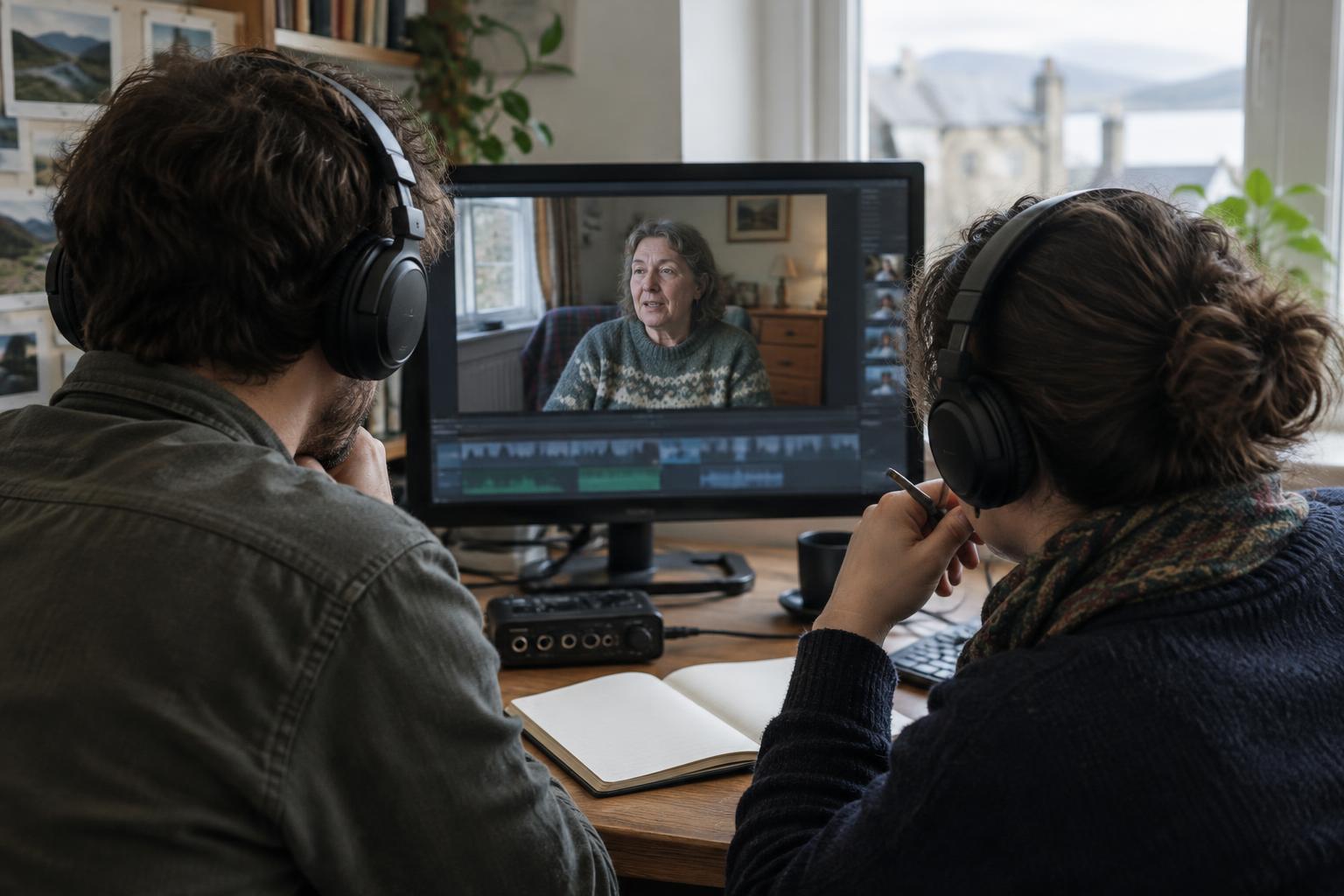
Do not limit the log to spoken words. A caption identifying a building, a map showing a border, or a shot placed beneath an interview can make a factual claim of its own. Watch the cut with the sound off, then listen without watching. These passes can reveal implications that a script-only review misses. Pay particular attention to transitions such as “because,” “first” and “all”: a small word can turn a defensible observation into a much broader claim.
Trace evidence back to its context
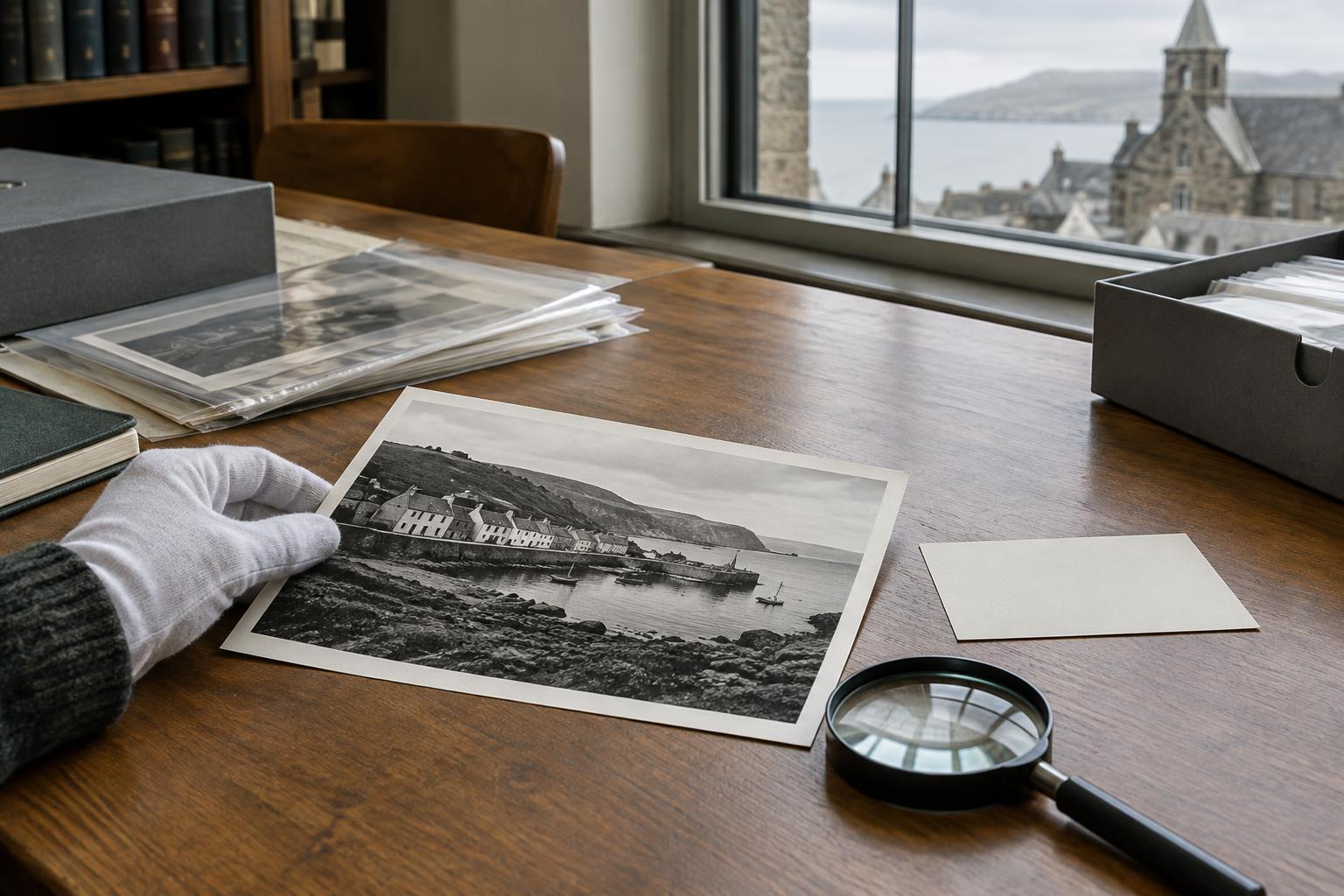
For each consequential claim, ask what the cited item actually establishes. A catalogue description can help locate a photograph without proving every detail visible in it. A newspaper report may show what was reported at the time, not that every account in it was accurate. Later histories can provide context, but check whether they disagree on interpretation. Where possible, examine the original item or a reliable reproduction alongside its date, creator, location and surrounding material.
Be especially careful with apparent precision. A year may be secure while the month is uncertain; an image may be associated with a town without showing the event mentioned in the narration. If the evidence supports only a narrower statement, narrow the script. If an important point remains disputed, explain the disagreement in language a viewer can follow rather than hiding it behind a confident voice-over. Keep copies of working notes and source references so another editor can retrace the decision.
Check what the images lead viewers to believe
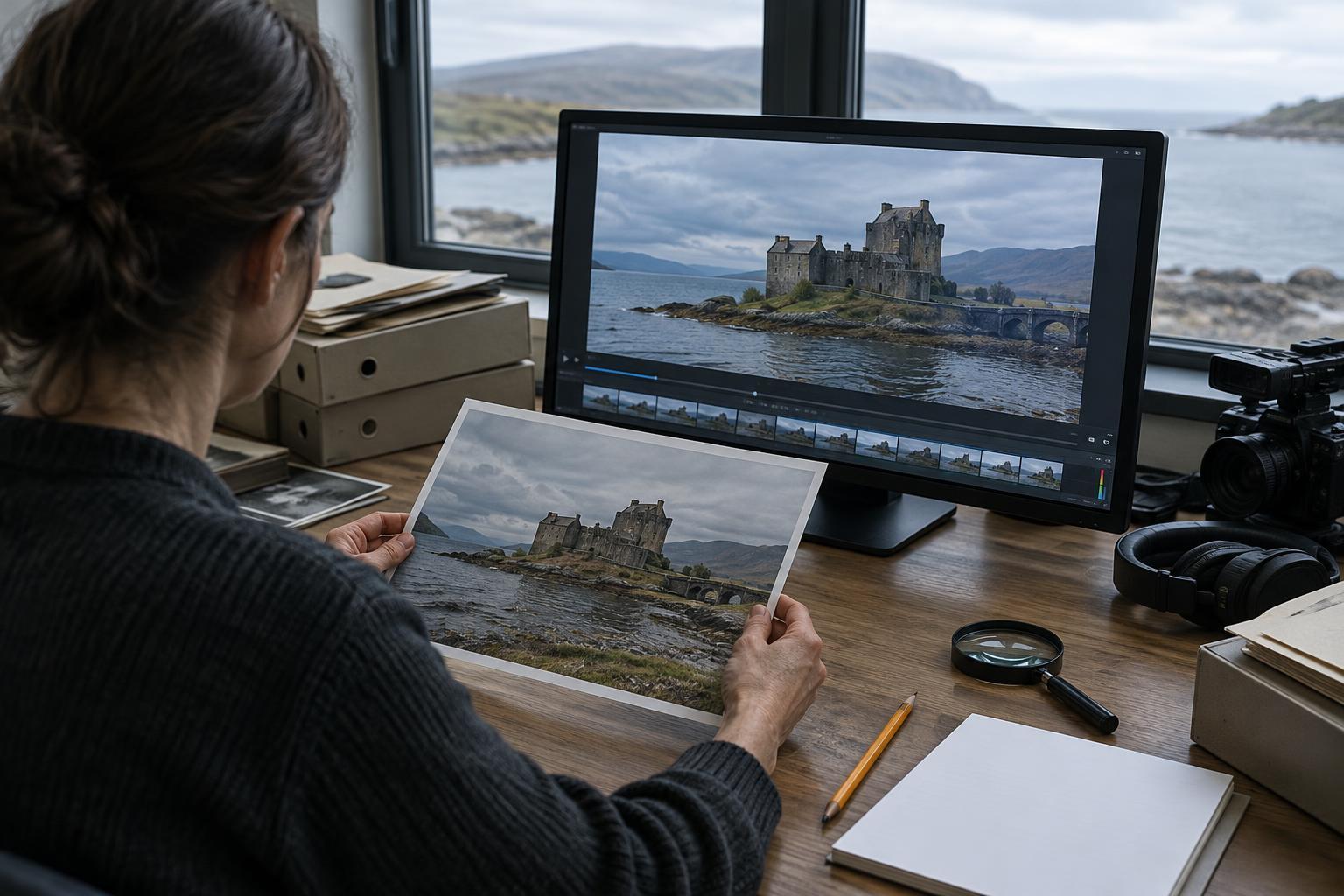
Historical documentaries often use illustrative footage because cameras did not record every place or event under discussion. Illustration can be effective, provided the film does not pass it off as direct evidence. Check the provenance of each archival image or clip, then compare its documented subject with the narration and caption beside it. A street scene from one Scottish town should not silently become a visual record of a specific incident in another.
The same test applies to reenactments, reconstructed documents, animation and modern landscape footage. Label or introduce them clearly when a viewer might otherwise mistake them for contemporary records of the event. Review crops and edits as well as full images: removing a sign, date or surrounding crowd can change an image’s apparent meaning. Music and sound design deserve a check too. They can suggest danger, celebration or certainty that the surviving evidence does not support.
Review names, places and perspectives
Scottish history can involve changing place names, administrative boundaries and terms for communities. Check spellings and pronunciations, including Gaelic names where they are used, with appropriate language expertise rather than guessing from an English rendering. Date the boundaries shown on maps and distinguish a historic region from a present-day council area when that distinction matters. For a local story, a regional archive or knowledgeable community reviewer may spot an error that a general review would miss.
Accuracy also depends on whose account is being presented. If the film relies heavily on an official record, ask what that record was created to document and whose experience it may leave out. Oral testimony brings valuable perspective, but memory, family history and documented chronology need not serve the same purpose. Identify speakers and the basis of their knowledge without implying that one person represents an entire community. For sensitive or contested events, seek informed review and preserve room for uncertainty rather than forcing every source into a single neat account.
Run a final check against the locked cut
Once the edit is nearly complete, check the film itself, not just the approved script. Read every subtitle, lower-third, map label, credit and image caption. Verify that quotations match the material being quoted and that edits have not changed their sense. Confirm usage permissions and required credits in a separate rights review: permission to use an item does not verify the historical claims made about it.
Give a reviewer who did not build the sequence access to the claim log and the cut. Ask them to flag unsupported statements and misleading combinations of sound and image, then record how each issue was resolved. Repeat the check after late editorial changes. Finally, decide how viewers can report a possible error and how the team will assess a correction. A transparent process cannot eliminate every disagreement, but it can make the documentary more accountable to its evidence and its audience.