Build the trip from the ferry outward
An island itinerary often looks simple on a map: reach a port, take a ferry, visit a few sites and return. The timetable may tell a different story. A sailing can be easy to reach from the mainland but awkward to connect with an onward bus, while a return crossing may leave less time on the island than expected. Before choosing museums or viewpoints, sketch the whole journey from your starting point to your overnight stop and back.
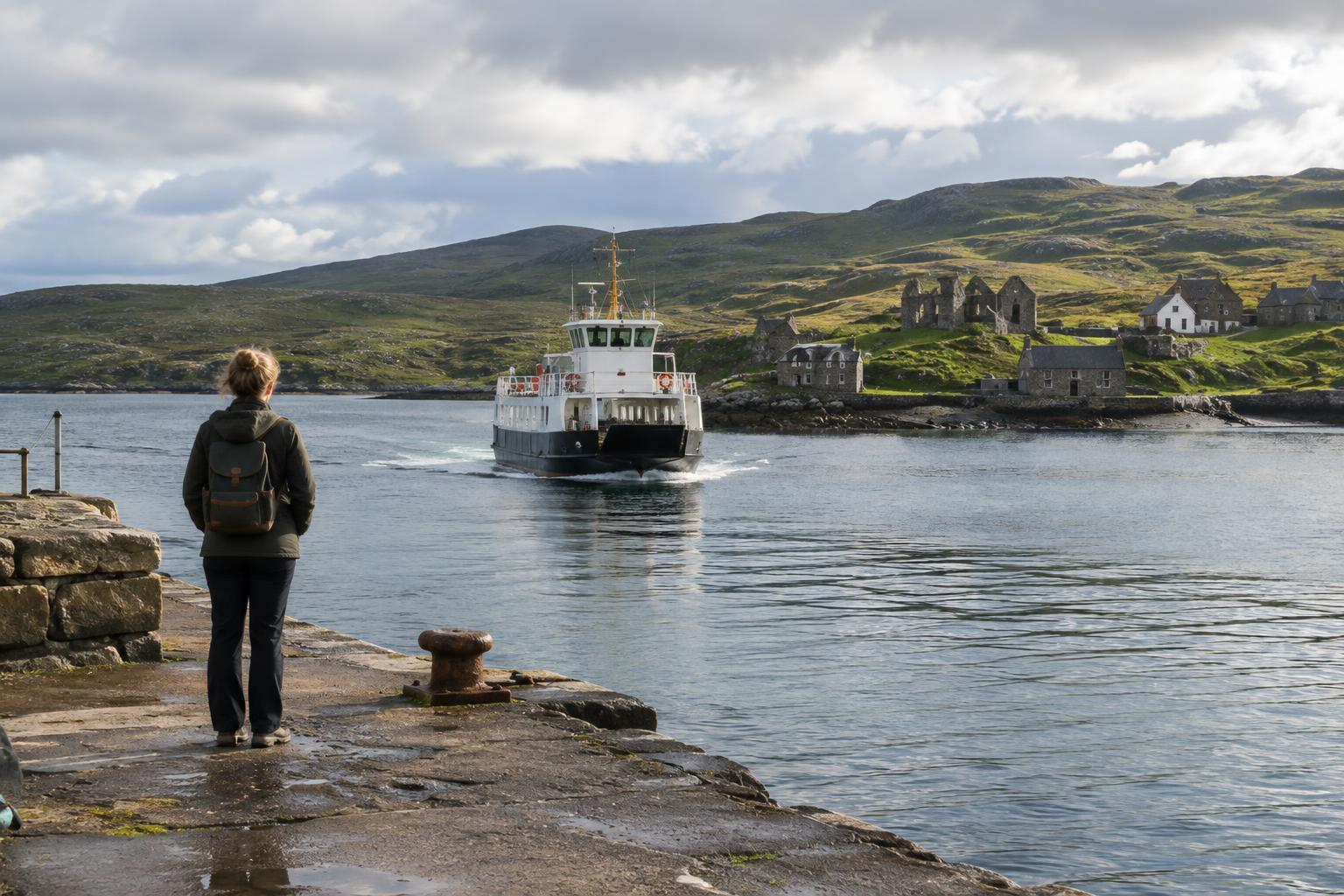
Check the ferry operator’s timetable for your intended travel period, along with its booking rules and guidance on when to arrive. Then check bus or rail connections separately. A scheduled arrival is not a guaranteed connection: allow time to leave the train or bus, find the terminal and board within the operator’s requirements. If you are travelling without a car, confirm how you will get from the island port to the places you hope to visit. An appealing heritage site may be difficult to reach if the last bus departs before you can get there.
Give the journey room to change
Weather, operational changes and limited services can affect island travel. A plan with no spare time may turn a minor delay into a missed overnight stay or a difficult journey home. Where your time allows, consider sleeping near the departure port before an early crossing or staying on the island rather than attempting a tightly timed day trip. Keep essential commitments away from your planned return if a later sailing would cause problems.
Think through one workable alternative before you leave. Could you take a later connection, spend another night, or shorten the island portion of the trip? Check the practical limits of that alternative: accommodation may be scarce, and a revised ferry crossing may not align with public transport. Save booking details and contact information somewhere accessible offline. For the day of travel, use the operator’s own updates rather than relying on a timetable you saved weeks earlier.
Choose heritage stops that fit the connections
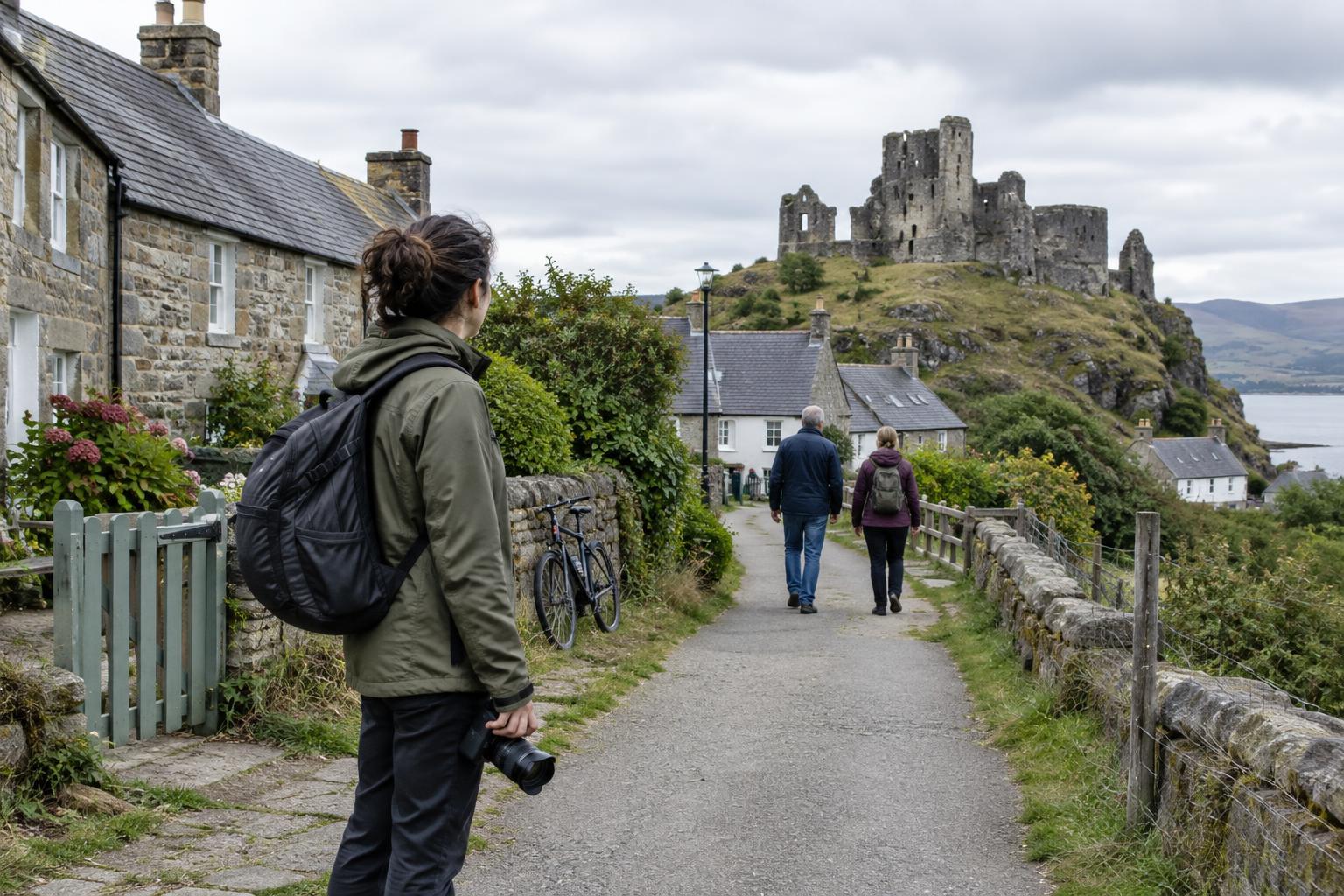
A rewarding heritage trip does not need a long list of stops. Choose one or two themes—such as fishing communities, crofting landscapes, maritime history or the way a place has been represented on film—and identify sites that can be reached at a comfortable pace. A local museum, a harbour and a walk through the surrounding landscape may reveal more together than several distant attractions visited in haste.
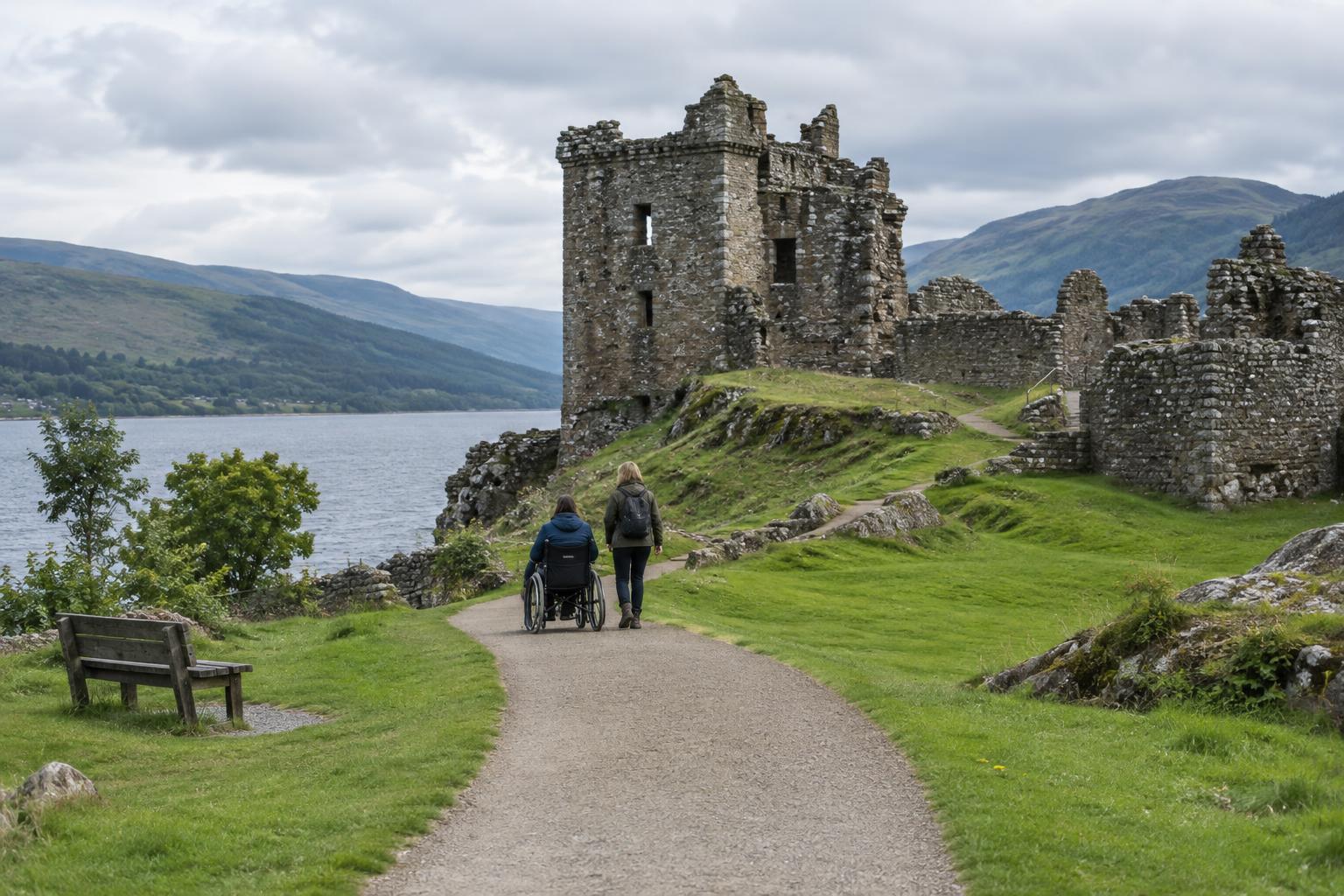
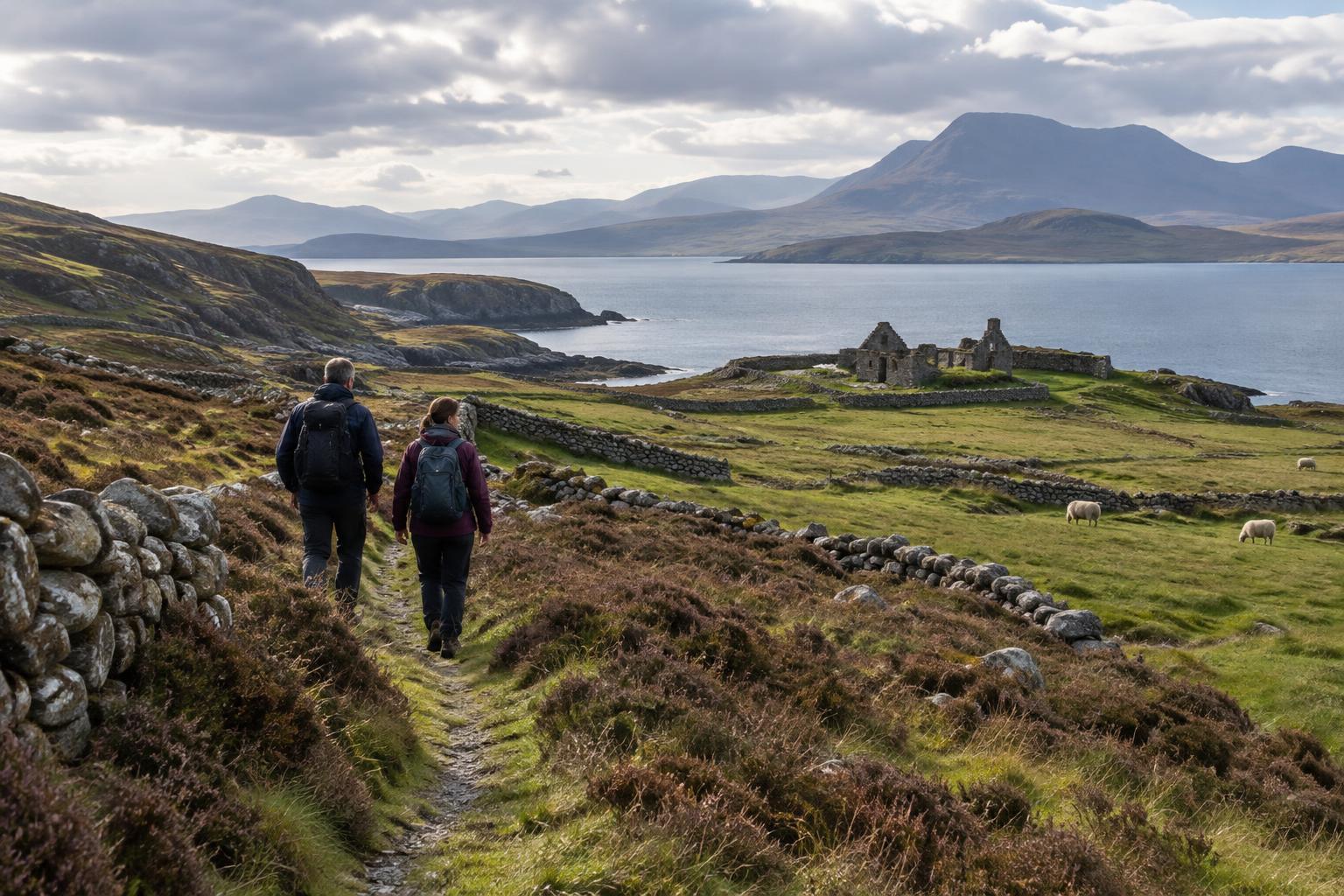
Check opening arrangements directly before building a day around a staffed site. For outdoor places, consider walking time, terrain and the journey back, not just the distance shown on a map. Leave space to read interpretation, look carefully and notice how buildings and routes relate to the coast. If a screen portrayal inspired your visit, treat it as a starting point for questions rather than a complete account of local history. What appears remote or timeless on camera is also a place where people live and work.
Travel lightly in a lived-in place
Limited connections shape everyday life for island residents as well as visitors. Book accommodation you intend to use, follow local guidance on parking and access, and avoid assuming that a small community can provide transport at short notice. If you hope to photograph a working harbour, private property or people, respect signs and ask permission where appropriate. Paths, shorelines and historic structures may be fragile even when they appear open to explore.
It is worth making time for local interpretation where it is available. Community museums and heritage groups can offer perspectives that a brief stop at a scenic location cannot. If you make notes, photographs or video for a personal project, record where information came from and distinguish your own impressions from documented history. Do not label an unidentified image or object as evidence of a particular event simply because it makes a compelling story.
Leave with a story, not just a checklist
A useful final itinerary has three layers: fixed connections, flexible activities and optional extras. Put ferries, onward transport and accommodation in the first layer. Place your most important heritage visit in the second, with enough time to enjoy it. Keep additional walks or viewpoints as options that can be dropped without spoiling the trip. This makes the day easier to adjust if travel takes longer than planned.
The pace can become part of the experience. Time spent waiting at a pier, walking between a village and its shore, or returning along the same road may help you understand why routes matter in an island’s history. Plan carefully enough to travel with confidence, then leave enough space to pay attention to the place beyond the timetable.