Start with the documentary’s questions, not its scenery
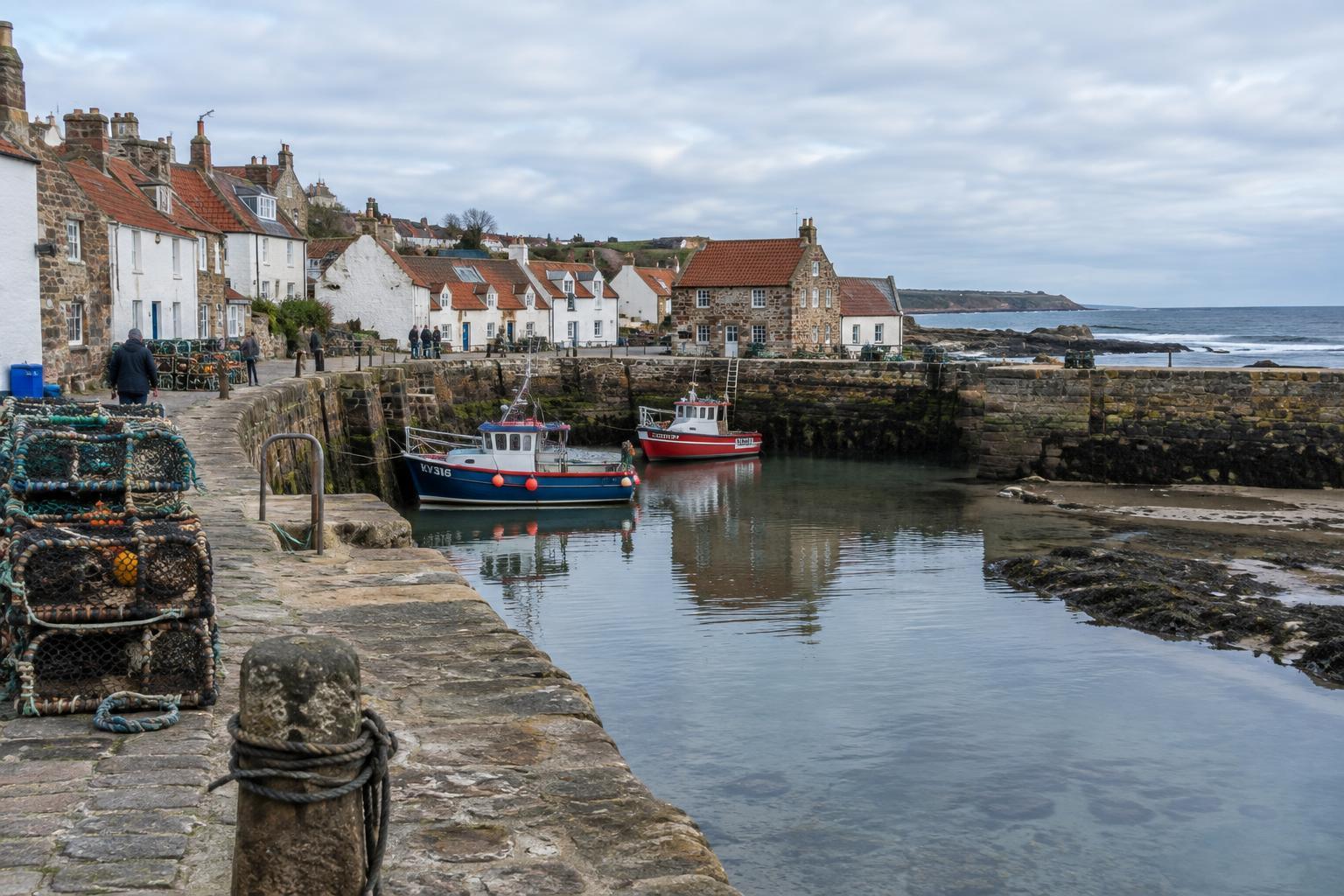
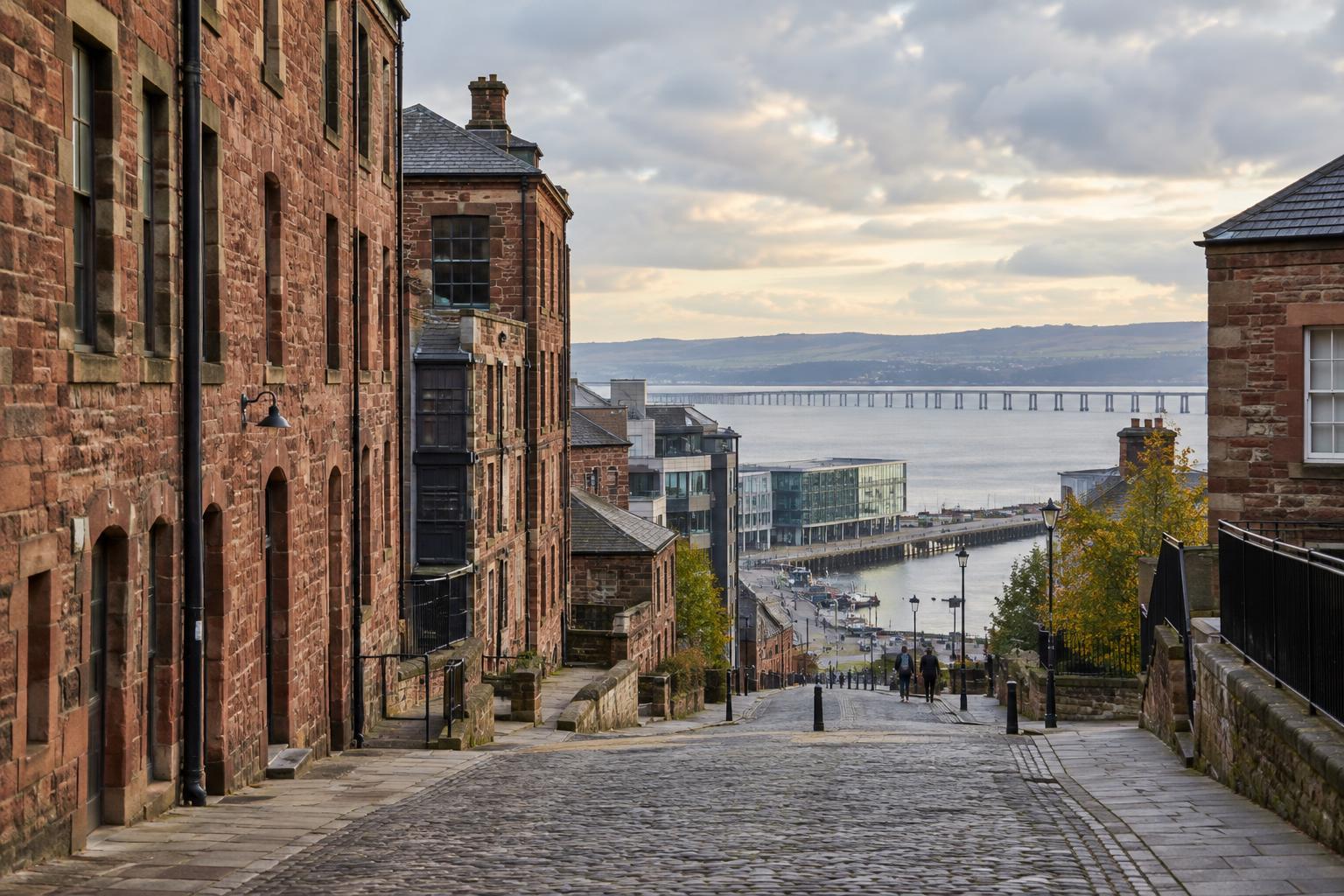
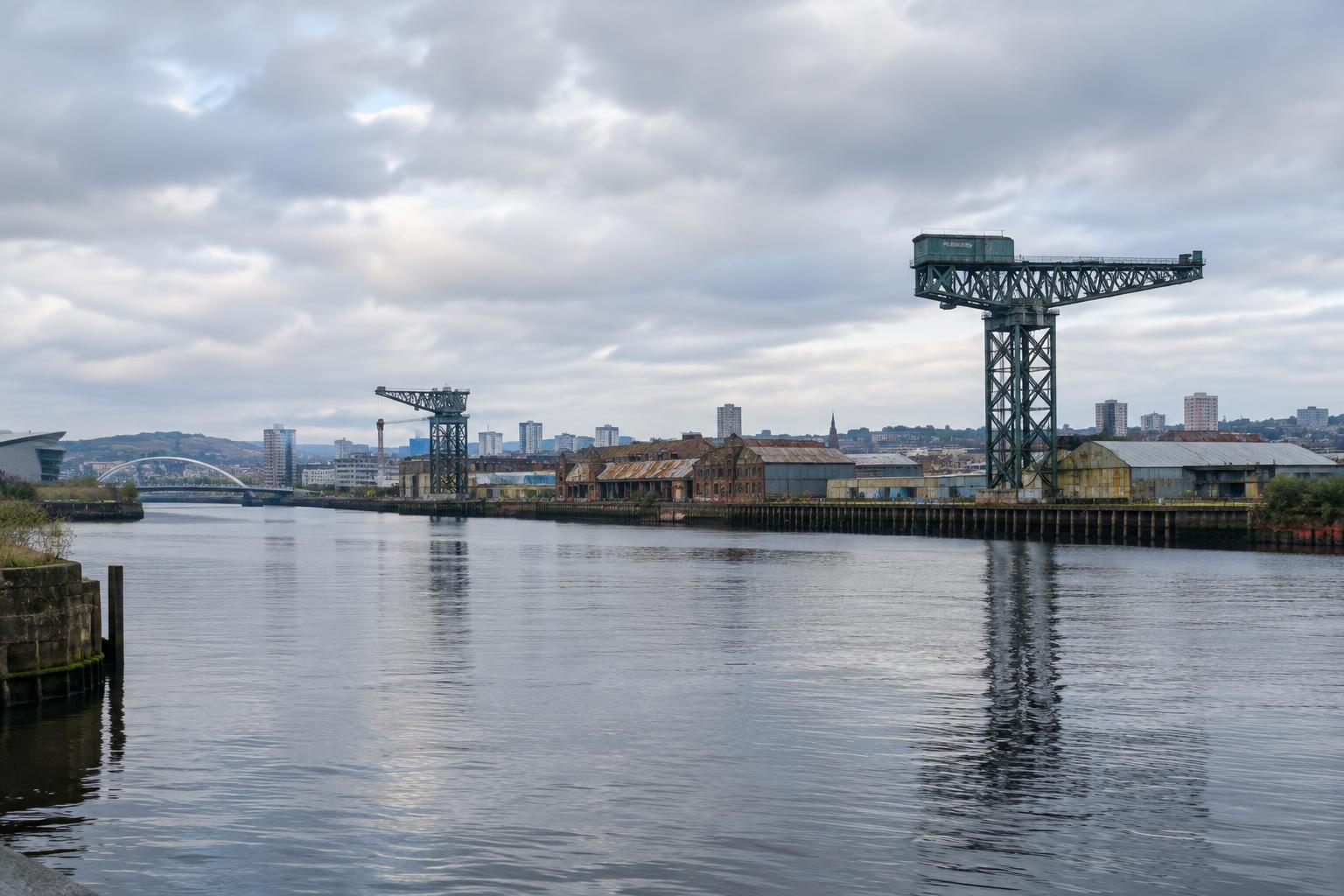
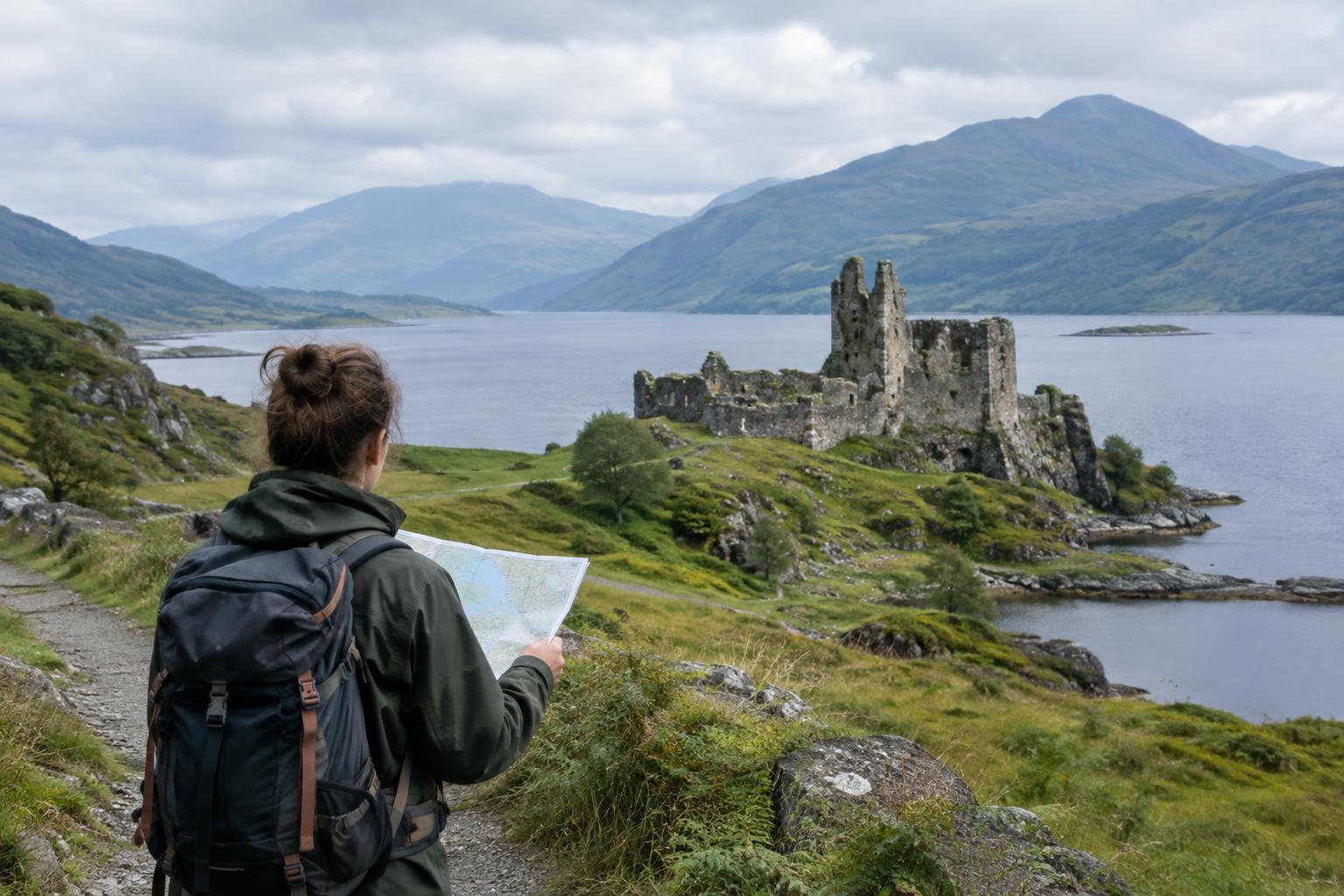
A documentary can make a coastline, castle or city street feel inseparable from the history it describes. Yet images serve many purposes: they establish atmosphere, illustrate a narrator’s point or stand in for a place the camera could not reach. Before putting a pin on a map, write down what interested you. Was it a particular event, a community’s working life, a building’s changing use or the way a landscape shaped travel? That question will guide you better than a list of attractive shots.
Watch again with a few distinct categories in mind. Note places the film identifies as sites of events, places where objects or records are held, and places used mainly as visual illustrations. Record the names and spellings given in captions or credits, but leave uncertain locations marked as uncertain. A brief note such as “harbour footage shown during discussion of fishing communities; location not confirmed” prevents an evocative image from quietly becoming a supposed historical fact.
Separate the camera’s location from the historical location
A filming location is where a shot was made. A historical site is a place with a relevant connection to the people, activity or event you are exploring. Sometimes they are the same; often they are not. A documentary might film an accessible ruin while discussing another building, or use a present-day street scene to evoke a town in an earlier period. Re-enactments add another layer: their setting may be chosen for appearance or practical filming needs rather than historical accuracy.
Look for precise wording. “Filmed at,” “depicts” and “happened at” make different claims. A building can also be historically significant without surviving in the form shown on screen; interiors may have changed, and objects may have moved to a museum. If the film does not make a location’s role clear, do not assume that finding the shot settles the question. You can still visit for its scenery or filmmaking interest, while describing it honestly as a filming location.
For an event-focused trip, seek independent confirmation of the historical connection through a site’s interpretation, a museum collection description or a local heritage organisation. These sources may disagree about details or emphasise different perspectives. Treat that as a reason to ask a better question, not to force a tidy answer.
Build a route around evidence and experience
Give each proposed stop a purpose. A museum may help you understand the wider period; an archive exhibition might show how a story was documented; a landscape may make distances and terrain easier to grasp. A film location can offer a useful comparison between what the camera framed and what lies outside it. A simple itinerary note—“why this stop matters” and “what I hope to learn”—will expose stops added only because they look familiar.
Group places by region rather than trying to trace every cut in a documentary. Film editing can move across Scotland in seconds, while a traveller must account for roads, ferries, public transport and time on site. Leave room for a guided tour, an unexpected exhibition or a conversation with staff. If your subject crosses several regions, a focused visit to one area may teach you more than a rushed attempt to see them all.
Consider what is missing from the screen, too. A documentary centred on a prominent building might leave little time for the people who maintained it or the nearby communities affected by its history. Adding a local museum or heritage trail can broaden the story without treating the film as a complete account.
Check access before setting out
A place visible in a film is not necessarily open to visitors. Some sites are private homes, working farms, active places of worship or fragile archaeological areas. Others have limited opening periods, bookable visits or routes that depend on weather and transport connections. Check the current information provided by the organisation responsible for each site before fixing your plans, and have an alternative for stops you cannot enter.
Think about how you will encounter the place, not just whether you can reach it. A viewpoint may be suitable for appreciating a landscape without crossing private land. An archive may require you to arrange access to particular material, while its public exhibition offers an easier introduction. Follow signs and staff guidance, stay on permitted paths and avoid disturbing objects or structures for a photograph.
Let the visit add to, rather than confirm, the film
On location, compare what the documentary showed with what you can actually observe. Where was the camera placed? What did the frame leave out? Which interpretation comes from surviving evidence, and which comes from reconstruction or creative storytelling? These questions make the journey more rewarding than trying to reproduce a shot exactly.
Keep your own captions as careful as the notes you made while planning. Distinguish “the site discussed in the film” from “a place used to film a scene about that site.” If a guide, display or collection label changes your understanding, make room for the correction. The best documentary-inspired history trip is not a hunt for proof that the screen got everything right. It is a chance to see how places, records and images each tell part of a larger story.