Treating a lived-in place as an empty backdrop
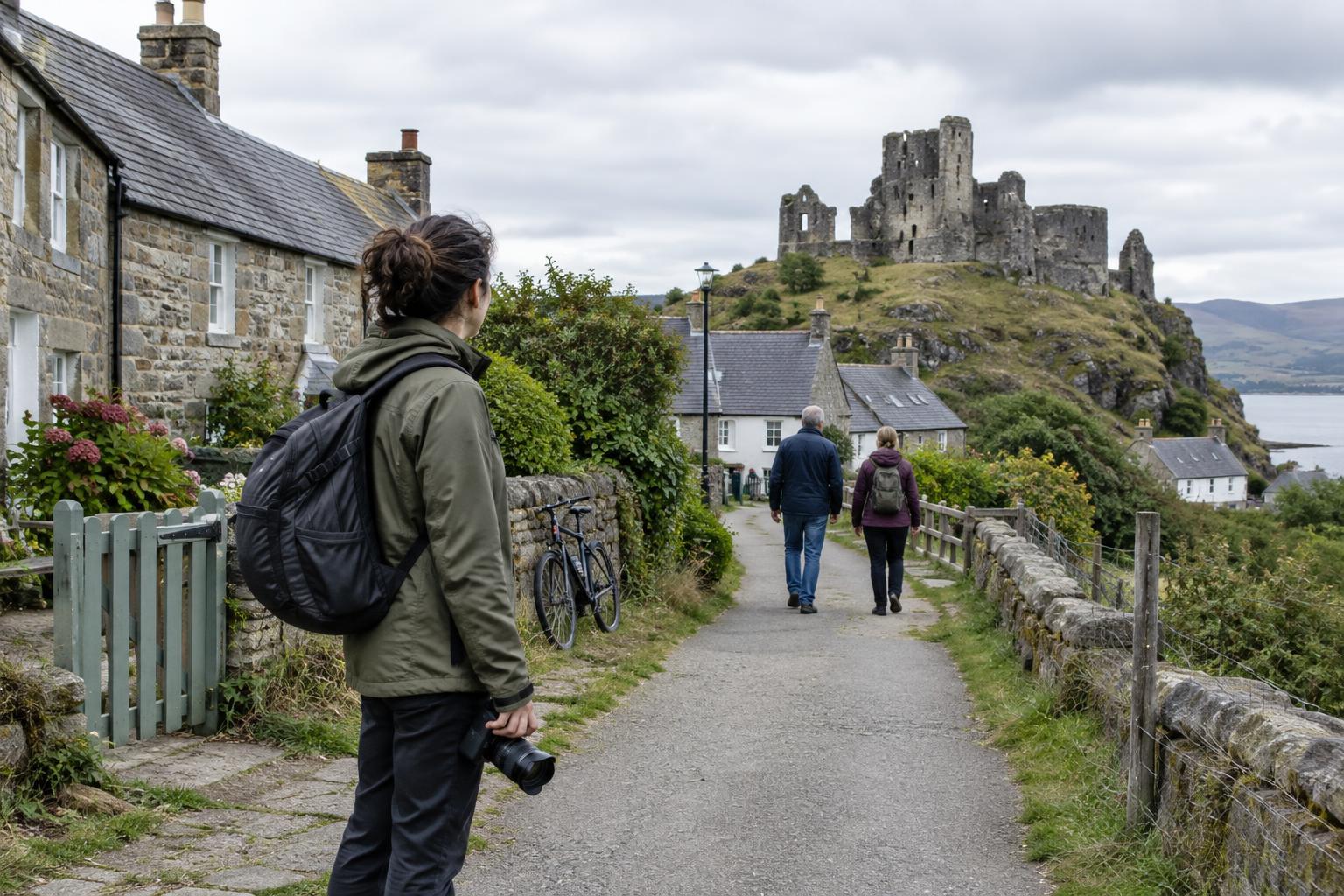
A ruined abbey, old harbour or row of stone cottages may draw you in because it looks like a scene from another century. The mistake is to frame everything around that impression while overlooking the people who use the space today. A lane may be someone’s route to work; a picturesque doorway may be the entrance to a home. Historic character and everyday life can coexist in a photograph, but neither should be treated as a prop for the other.
Before setting up, pause and notice how the place works. Are you blocking a pavement, pointing a lens into a window or lingering outside a private garden? A wider view, a different angle or a short wait may give you the image you want without intruding. If a person is central to the photograph, speak to them where practical rather than assuming their presence makes them available to be photographed.
Assuming public access means unlimited access
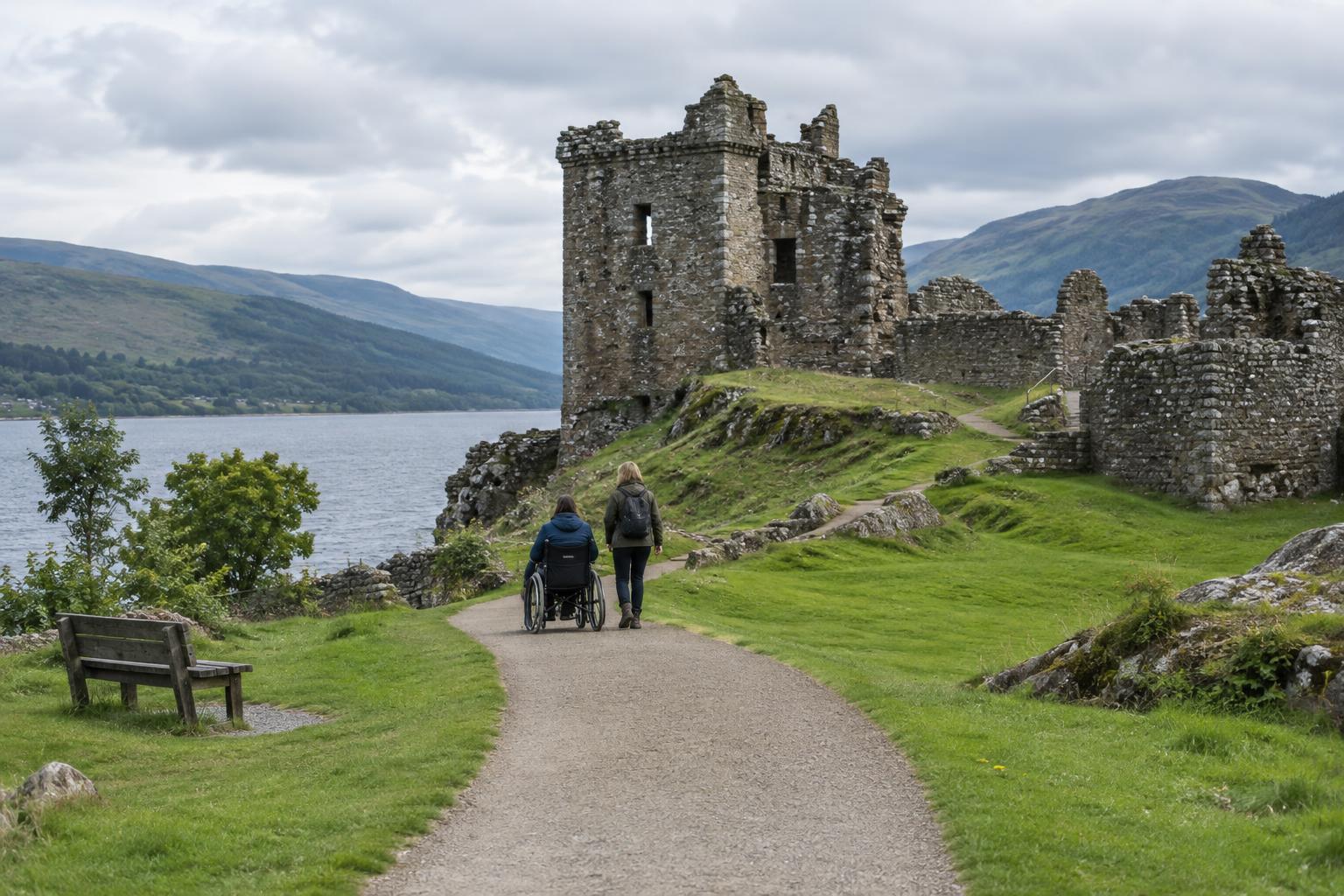
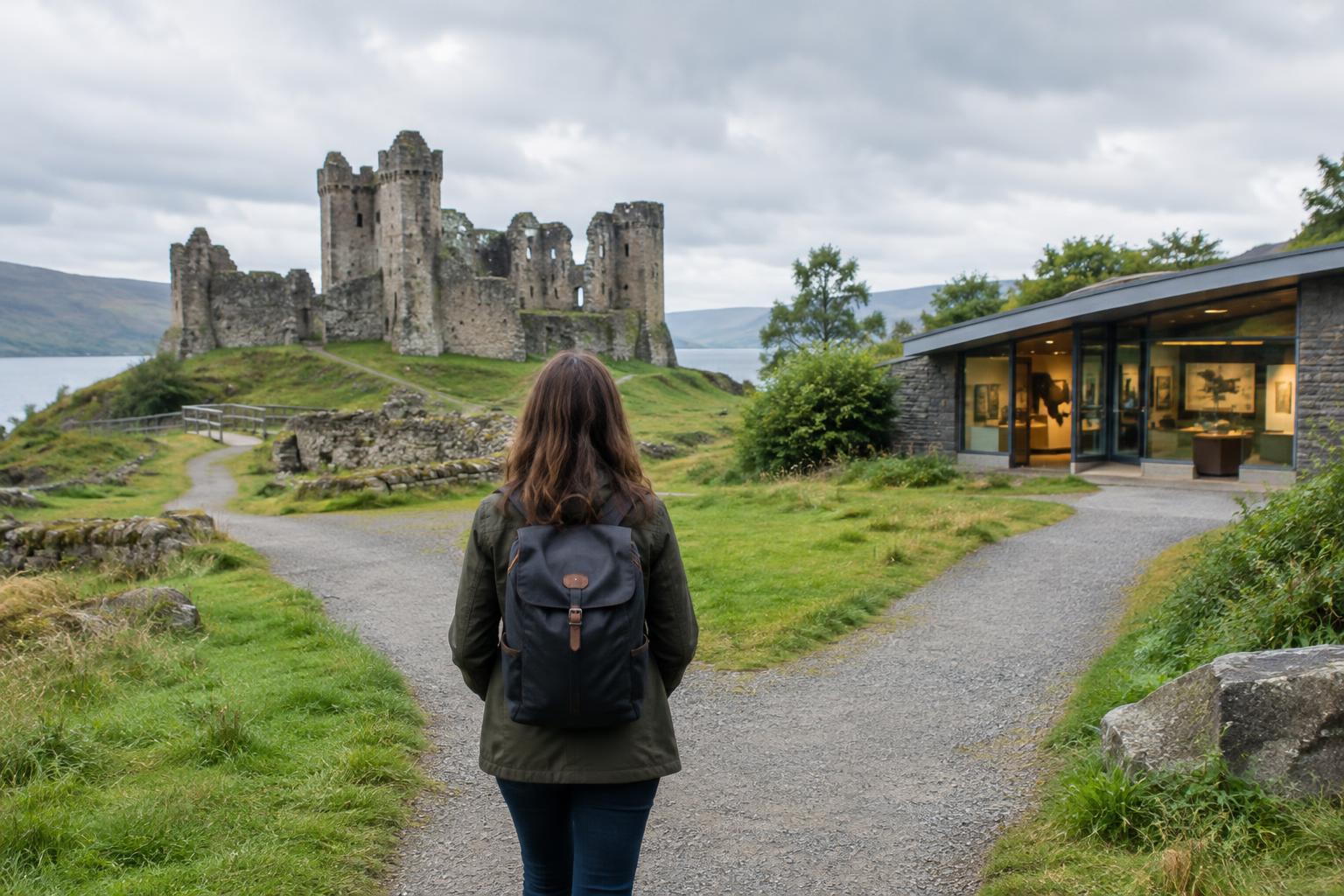
A site that welcomes visitors may still have areas closed for safety, conservation or privacy. Paths, gates and signs are part of the visit, not obstacles to a better composition. Stepping over a low barrier can damage fragile ground or set an example others follow. The same care applies to churchyards, working farms and coastal heritage sites, where the boundary between a visitor route and someone’s workplace may not be obvious.
Check the information available at the site before using a tripod, drone or other equipment that takes up space or creates a disturbance. Ask staff or a property owner when permission is unclear. If you cannot make the image without entering a restricted area, let it go. A photograph taken from an appropriate viewpoint may also show something valuable: how the historic structure sits within the landscape people experience now.
Turning residents into unnamed ‘local colour’
Including people can convey the scale and continuing use of a place. It can also flatten individuals into decoration, especially when a caption calls someone a “typical local” or implies they represent a whole community. Clothing, occupation and proximity to a landmark do not tell you a person’s story. If you have spoken with someone and they agree to be featured, ask how they would like to be identified and what they are comfortable sharing.
For a candid street scene, consider whether the person needs to be recognisable for the photograph to work. A figure viewed from a distance may communicate activity without making one stranger the subject. Take particular care around children and moments of grief, worship or personal difficulty. When in doubt, put the camera down. A conversation or an observation you keep to yourself can be as important to understanding a place as another frame.
Letting the image make a claim the evidence cannot support
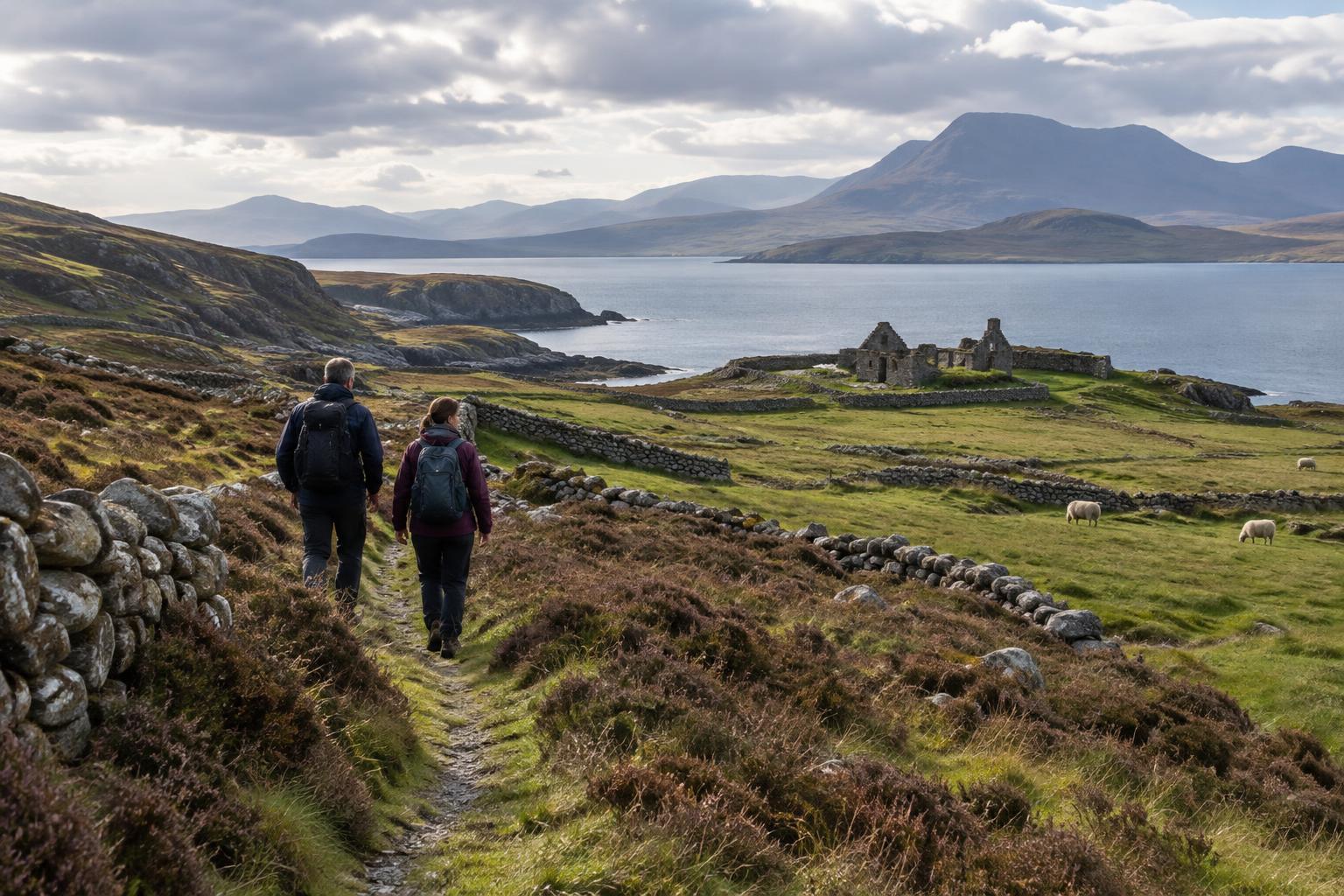
Old stone, mist and dramatic light invite stories. They do not, by themselves, establish what happened at a location. A close crop can hide a modern setting; a colour treatment can make a recent photograph seem archival. Neither choice is necessarily wrong, but a misleading caption can turn atmosphere into a false historical claim. Distinguish what you photographed from what you know about it.
Record the place name, the viewpoint and any useful details while they are fresh. If you later learn a building’s former purpose, describe it with appropriate care rather than attaching an unverified tale. Label contemporary recreations and heavily altered images clearly when their treatment might confuse readers. Pairing a striking detail with a wider view can also help: one image invites attention, while the other shows the setting in which the detail survives.
Leaving without thinking about what happens next
Responsible photography continues after the visit. Review your pictures for details you missed at the time, such as a house number, a child in the background or a person who appears uncomfortable. Choose captions that explain rather than romanticise. You can describe a quiet street without suggesting that nobody lives there, or show a weathered building without implying it has been abandoned.
Sharing a location can encourage others to visit, which may be welcome in one place and difficult in another. Consider whether precise directions add useful understanding or simply lead more cameras to a vulnerable spot. If a resident or site representative has raised a concern, listen before publishing. The strongest cultural travel photographs do more than prove you were there: they help viewers see a historic place as part of an inhabited, changing landscape.