Two starting points, two ways of looking
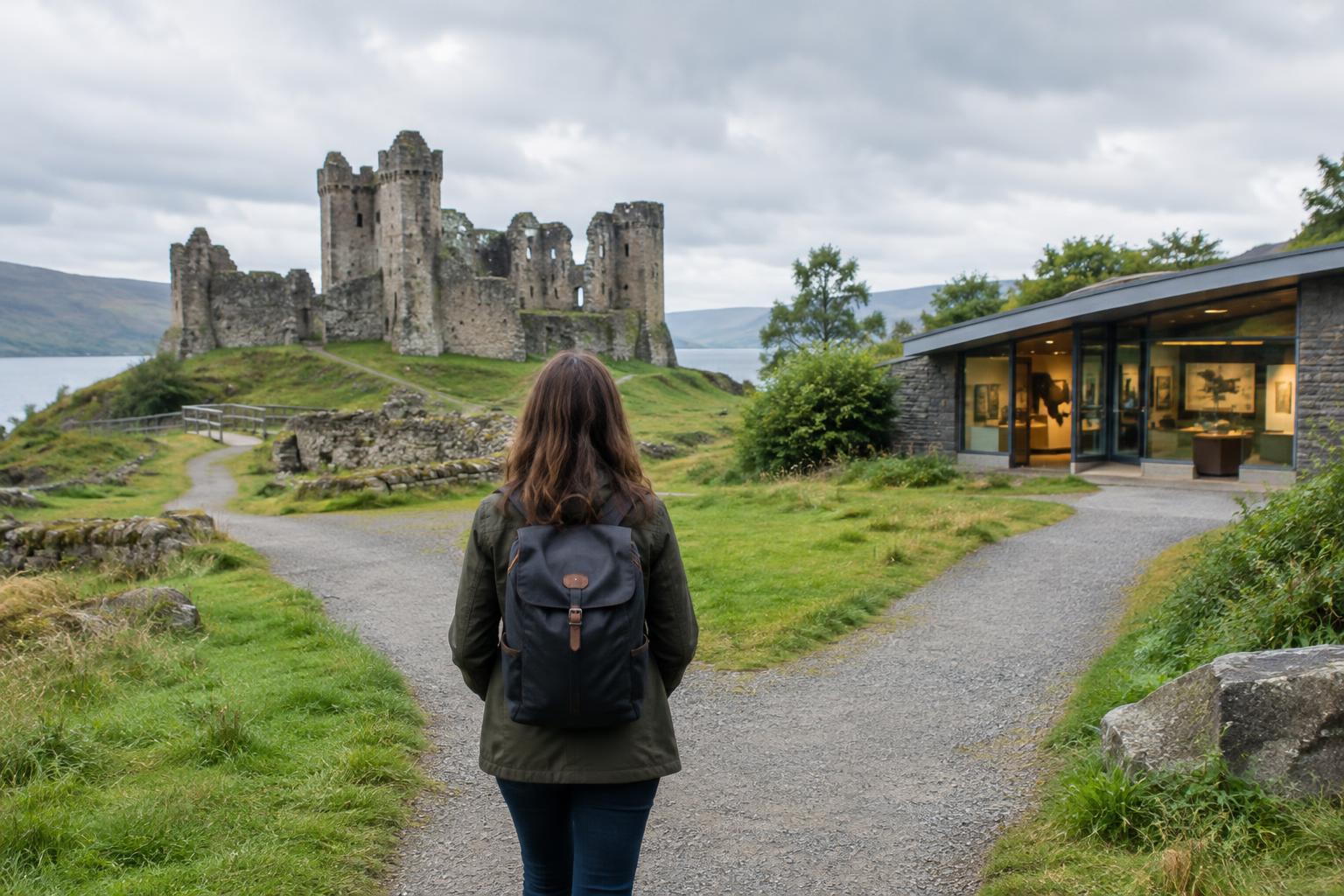
A museum and a historic site answer different kinds of questions. A museum can bring objects, maps and competing interpretations together in one room. A site asks you to notice scale, distance, terrain and the relationship between a place and its surroundings. Neither experience automatically explains the other. Choosing an order is less about following a rule than deciding which questions you want to carry into the second half of your visit.
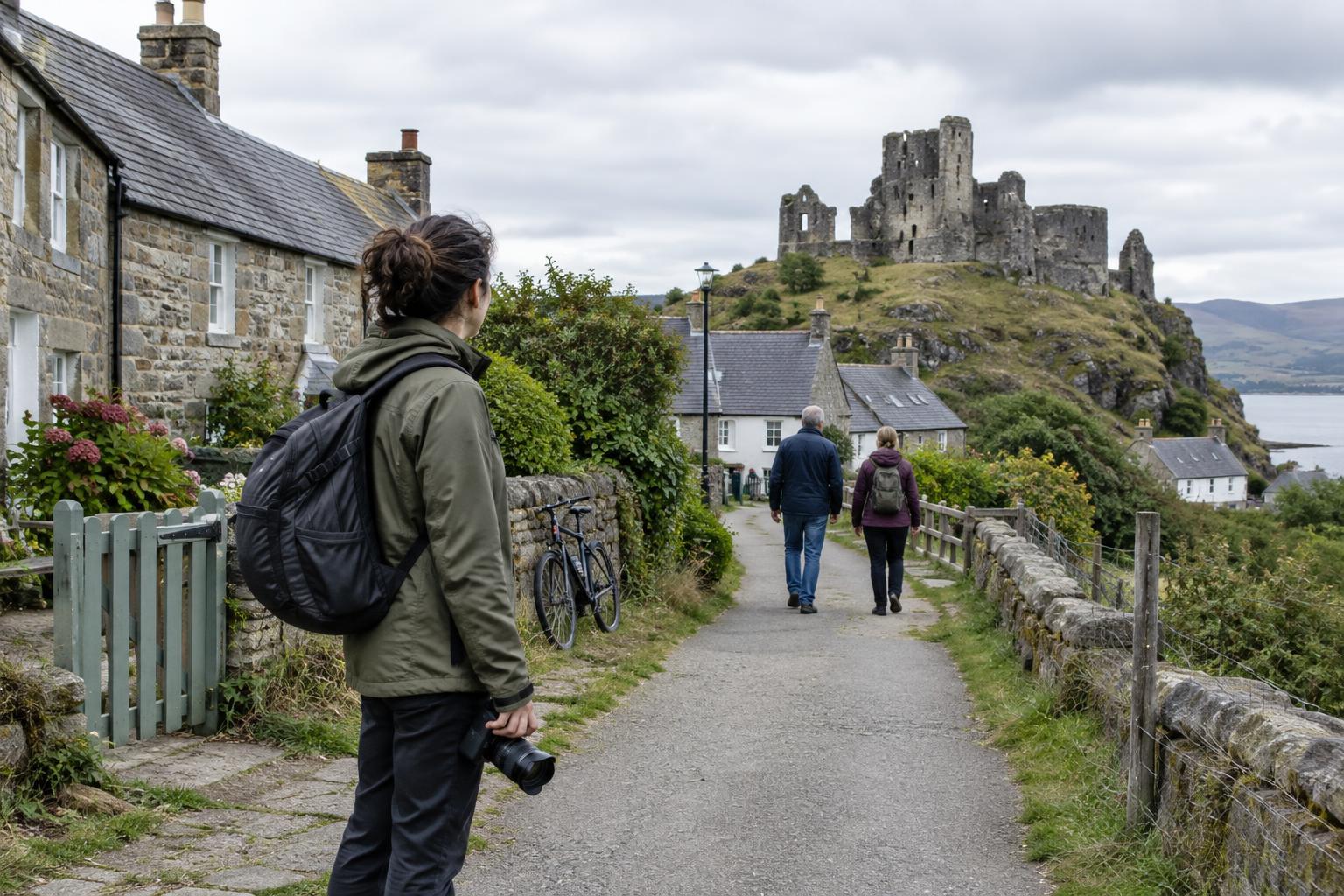
In Scotland, those questions might concern a castle’s changing use, a harbour’s links to work and trade, or the everyday life of a village beside a larger historic landscape. The museum-first visitor arrives with names and a rough sequence of events. The site-first visitor arrives with impressions: a steep approach, a view across water, or the unexpected closeness of old buildings to modern streets. Both can be useful starting points.
Choose the museum first when the story needs a map
Start indoors if the place has many historical layers that would be hard to distinguish on the ground. An exhibition may help you separate a building’s original purpose from later alterations, or understand why an apparently modest object matters. Maps and models are especially helpful before visiting a spread-out site: they give you a sense of what once stood where, including features that may no longer be visible.
Museum first also works well when you have limited time at the site. Instead of trying to read every panel while standing in the wind, you can choose two or three things to look for. Note a question rather than attempting to memorise the whole exhibition: Where was the working entrance? What could people see from this point? Who is missing from the main account? Questions make the outdoor visit more attentive without turning it into a test.
Remember that displays are interpretations, not a complete record of a place. Labels may emphasise particular periods because objects from those periods survive. At the site, notice what the exhibition helped you see—and what remains difficult to picture. That gap is part of understanding history, too.
Choose the site first when place is the question
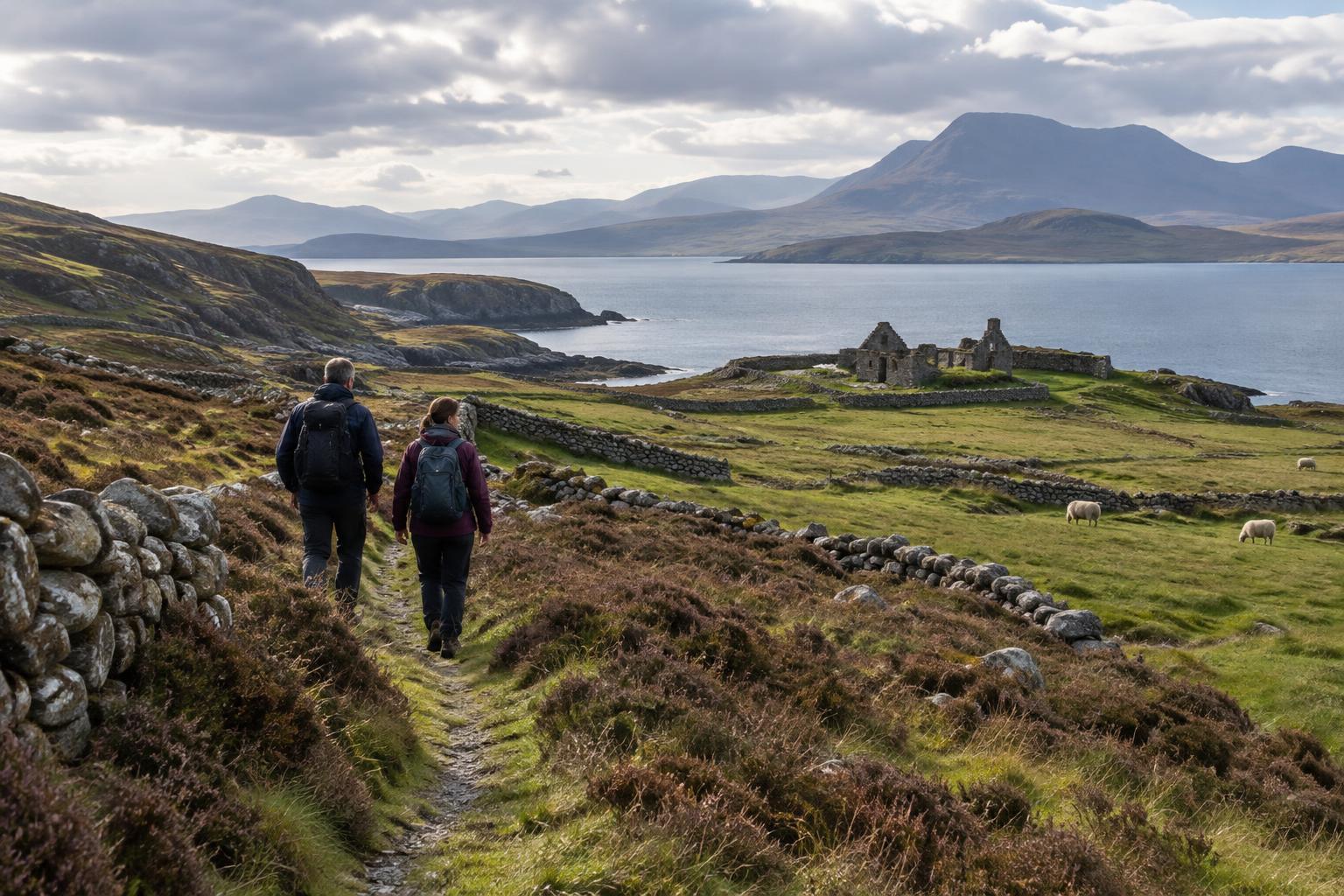
Go straight to the site if its setting is central to the story. The shape of a coast, the gradient of a street or the distance between a settlement and a crossing can be easier to grasp before you have absorbed an explanation. Starting with your own observations can also make a later museum visit more engaging: a map stops being abstract when you can connect it to a turn you have walked or a viewpoint you remember.
This order is particularly rewarding when you want to examine how a place is presented today. What has been restored, marked or left open to interpretation? Which routes encourage visitors to look in a certain direction? You need not solve these questions on the spot. Make a few notes or sketches, then use the museum to test your first impressions against objects, plans and fuller historical context.
A site-first visit calls for a little restraint. A dramatic ruin or open landscape can invite a single, confident story, but visible remains rarely represent every period of a place’s life. Treat your first reading as provisional. The exhibition may complicate it, and that is a reason to welcome the second stop rather than defend your initial guess.
Let practical limits shape the order
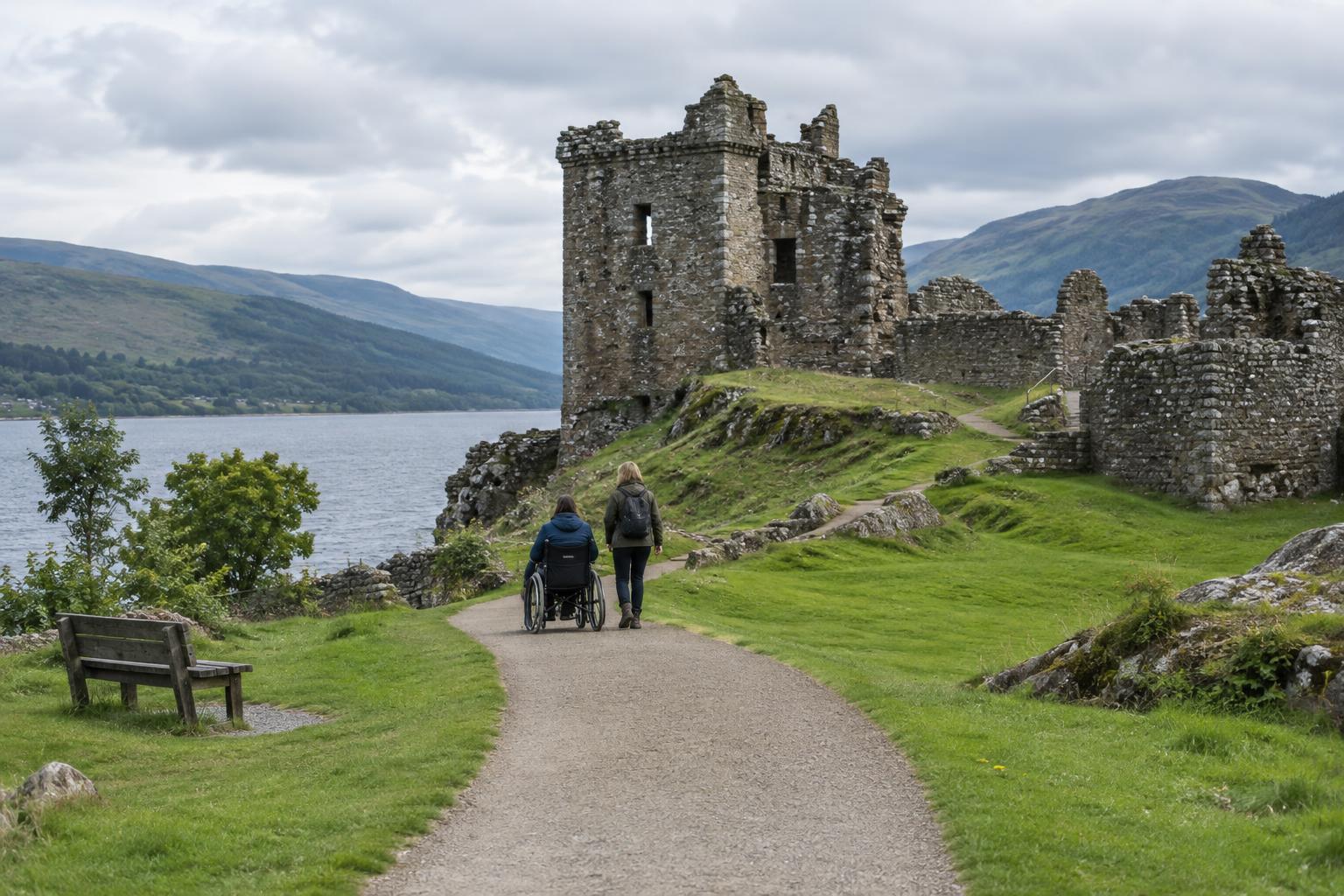
The best intellectual sequence may not be the best travel sequence. Check opening hours, admission arrangements, transport connections and the time needed to move between stops before you set out. Daylight, weather and accessibility can matter more at an outdoor site than in a museum. If conditions are likely to change, take the chance to see the place safely and comfortably, then turn to indoor context afterward.
Allow a pause between visits if you can. A short break to write down three observations—one thing you saw, one thing you learned and one thing you still wonder—helps keep the second stop from becoming a blur. If the places are far apart, you do not have to fit both into one day. A considered return visit can be more satisfying than a rushed itinerary.
Make the second stop a conversation with the first
Whichever order you choose, look for connections rather than confirmation. An object in a case may suggest how a room was used, while the room’s size may change how you imagine the object in daily life. A historic image may frame a familiar street differently, but it also reflects a particular viewpoint and moment. Ask what each kind of evidence can show, and what it cannot.
End by revisiting one early assumption. Did the place feel older, busier or more altered than you expected? Did the museum draw your attention to people whose work was not obvious at the site? These modest shifts in perspective are the reward of pairing the two. A good visit does not need to settle every historical question; it can leave you better equipped to look again.