Begin with the story, not the vehicle
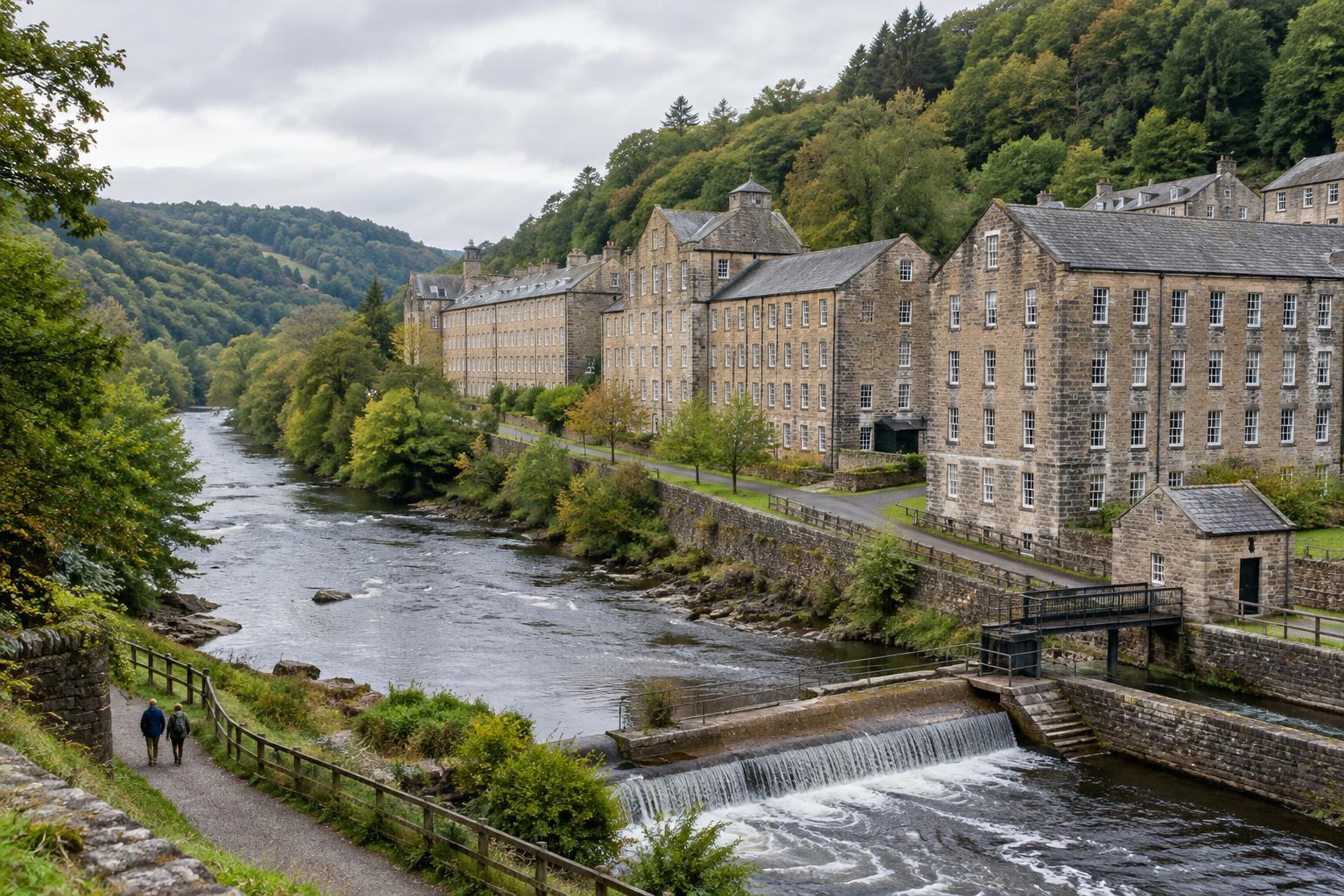
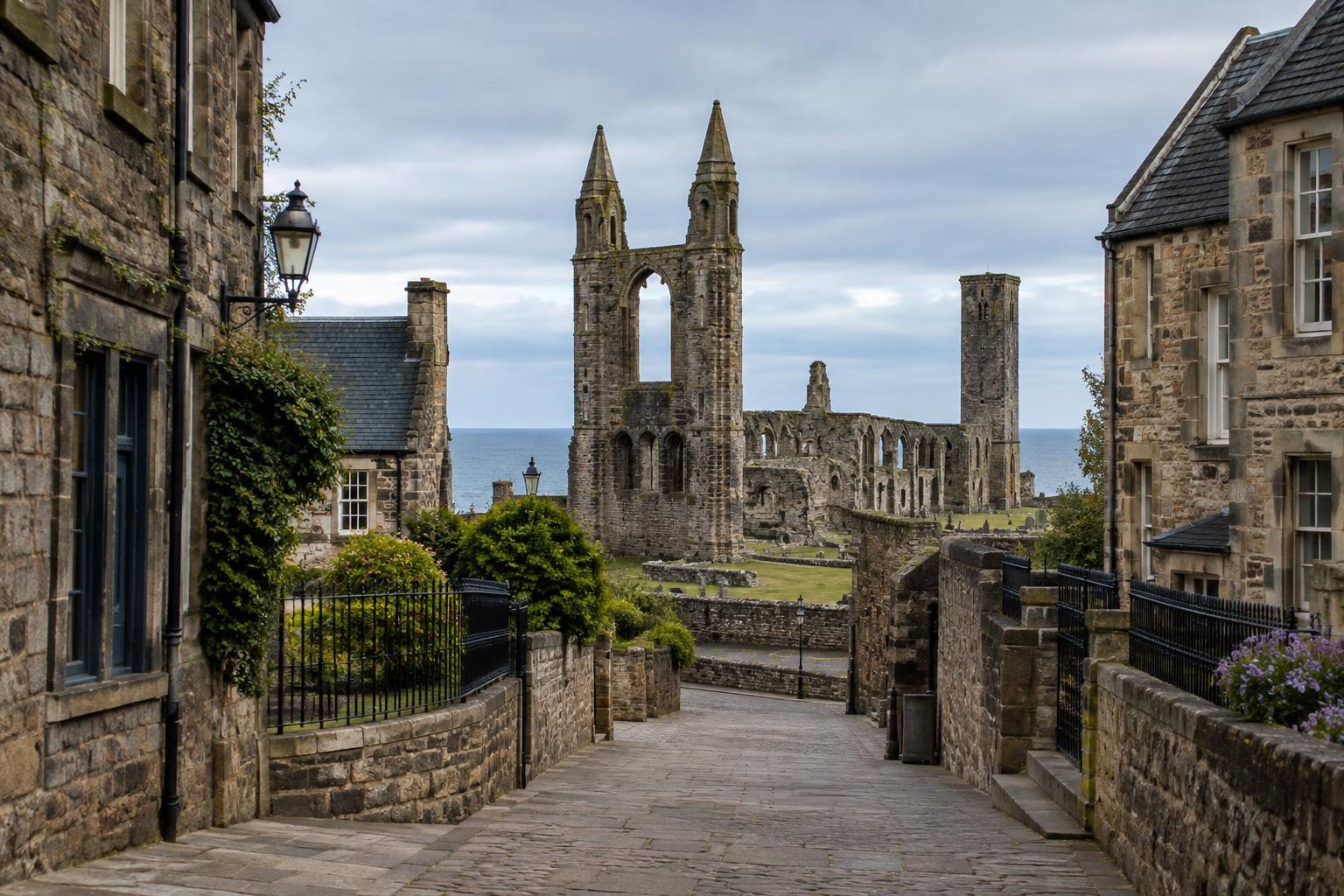
A Scottish heritage itinerary works best when it has a question to follow. You might trace how an industrial town connected to a port, compare the histories told by two castles, or look at how a landscape appears in documentary film. List the places that would help answer that question, then mark which are essential and which are optional. Transport becomes easier to choose once you know what the journey is meant to reveal.
Look beyond the distance between pins on a map. A museum may be close to a station but require most of an afternoon; a ruined site may be quick to see but difficult to reach without a vehicle. Allow time to read displays, walk through a town and notice what lies between formal attractions. If your route depends on a particular opening time, guided visit or ferry crossing, check those details before committing to accommodation. Schedules and access arrangements can change.
When rail adds to the experience
Rail is often a strong choice for an itinerary built around towns and cities. It lets you arrive near the centre of many settlements without finding parking, and the view from the carriage can offer a sense of how places relate to one another. For a story about trade, industry or migration, stations and railway corridors may themselves be part of the historical landscape. That does not mean every visible feature is old or that a modern route reproduces a past journey; use the view as a prompt for questions, not as evidence on its own.
A rail-based trip also encourages a manageable pace. Choose a small number of bases and explore each on foot or by local transport rather than changing accommodation every night. Check the final leg to each site: a short-looking connection may involve an infrequent bus, a steep walk or a taxi that needs arranging. If step-free access, luggage space or limited walking distance matters, verify the details for the specific stations and destinations you plan to use.
When a car makes the route possible
A car can be useful when the places you want to visit are scattered across rural areas or when several short stops form one coherent story. It offers room for luggage and flexibility if you want to pause at a viewpoint, village or small local museum. It can also make it easier to pair a well-known landmark with less prominent places nearby, rather than building the whole day around one attraction.
Flexibility has limits. Driving takes attention, and a day that looks efficient on paper can become tiring once you include narrow roads, weather, parking and time on site. Check where you can legally park before setting out, and avoid treating a roadside view as an invitation to stop anywhere. If a route includes an island, plan the ferry leg separately; having a car does not remove the need to check crossings or vehicle arrangements. Give yourself fewer stops than you think you can fit in, especially when the value of a place lies in spending time there.
Build a mixed itinerary around natural breaks
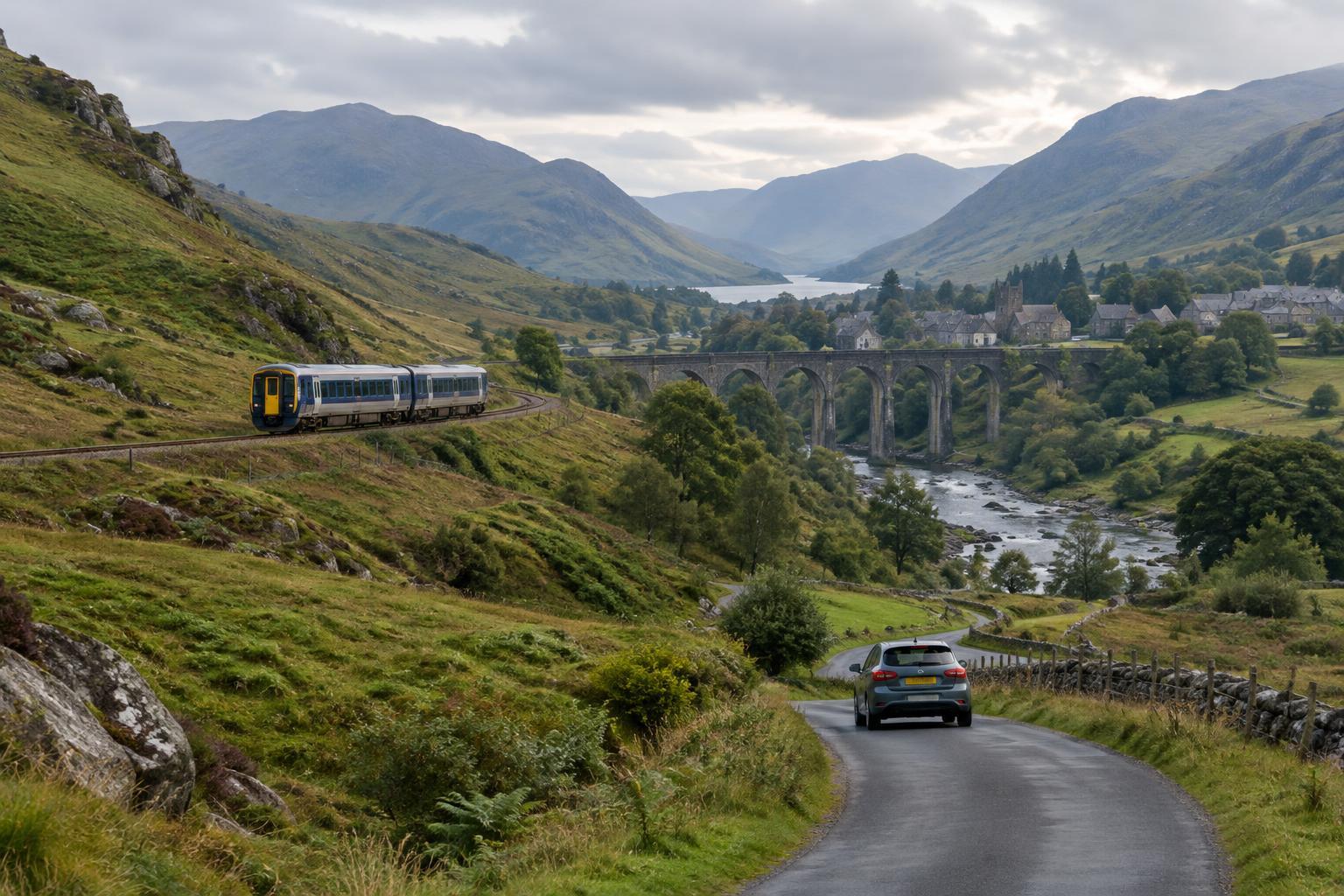
The choice need not be rail versus car for the entire trip. You could travel by train between larger bases, then hire a car for a day or two to reach sites that are awkward by public transport. Alternatively, keep a car for a rural section and return it before spending time in a city. This can reduce unnecessary driving while preserving access to the places central to your theme.
To test a mixed route, write out each day in plain language: where you wake up, the first place you visit, how you get there, and where you sleep. Include the time needed to collect or return a vehicle and to make any connections. If the plan depends on every transfer going smoothly, simplify it. Leave at least one flexible period for a local exhibition, an unexpected closure or simply a longer conversation with the landscape.
Let travel deepen, rather than replace, interpretation
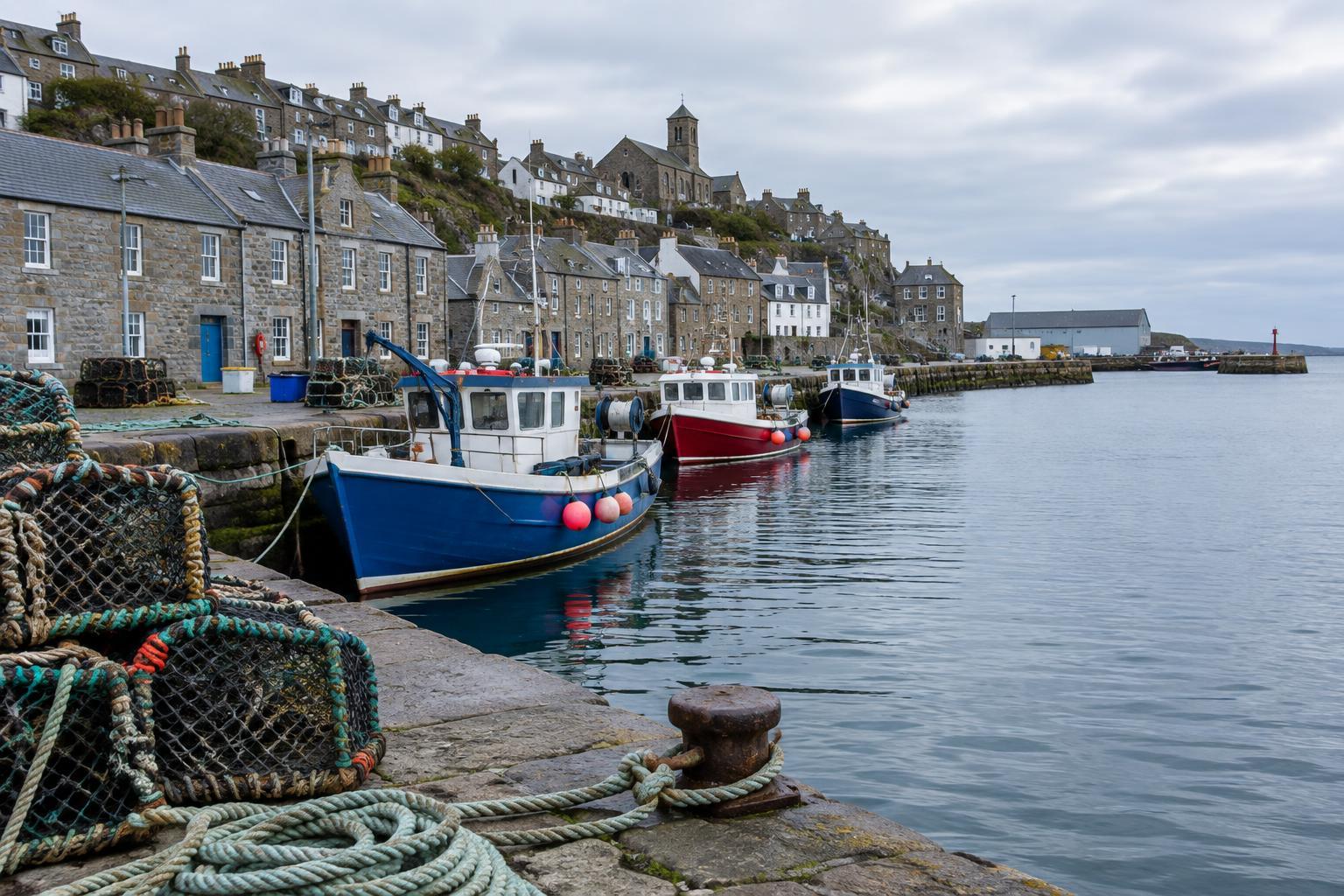
The most memorable heritage travel often happens between named sites. A station approach, harbour walk or road through a changing landscape can help you see how geography shaped daily life. But impressions are not the same as documented history. Use interpretation panels, collections and locally produced material to investigate what you notice, and distinguish established facts from your own response to a place. The same care matters when comparing a location with its appearance in a film: framing and editing can create a sense of place without recording every part of its history.
Choose rail if the journey and your destinations fit together without strained connections. Choose a car if reaching dispersed places is essential to the story. Choose both if that gives you more time to pay attention. The best transport plan is not the one that covers the most ground; it is the one that leaves enough space to understand where you have been.