Begin with a living language
The Outer Hebrides offer many ways to encounter Gaelic heritage: place names, music, storytelling, museums and the words heard in everyday conversation. It is tempting to treat these as traces of a vanished past. A better starting point is that Gaelic is a living language, used and valued by people whose homes are also the places visitors have come to explore.
Take time to notice where Gaelic appears, from public signs to the names of settlements and landscapes. Learning a few words can be a gesture of interest, but fluency is not expected of a short visit. If you are unsure how to say a name, ask politely rather than turning a person into an impromptu language lesson. Listen to the answer, accept that pronunciations may vary, and keep your curiosity companionable.
Let local voices shape your understanding
A guided walk, museum visit, performance or conversation with a local maker can open up meanings that a scenic stop alone cannot convey. Look for experiences that give speakers, artists and community organisations room to present their own work. Paying for a ticket, buying a book or supporting a local business is one practical way to value the time and knowledge behind what you learn.
No single person can speak for Gaelic culture as a whole. An exhibition may focus on one island or period; a song may hold a personal as well as a wider history. Ask what a story relates to and resist drawing sweeping conclusions from one encounter. If a venue offers interpretation in both Gaelic and English, spend time with both where you can. Even without understanding every word, you may notice which names and ideas are given particular care.
Travel through places, not just viewpoints
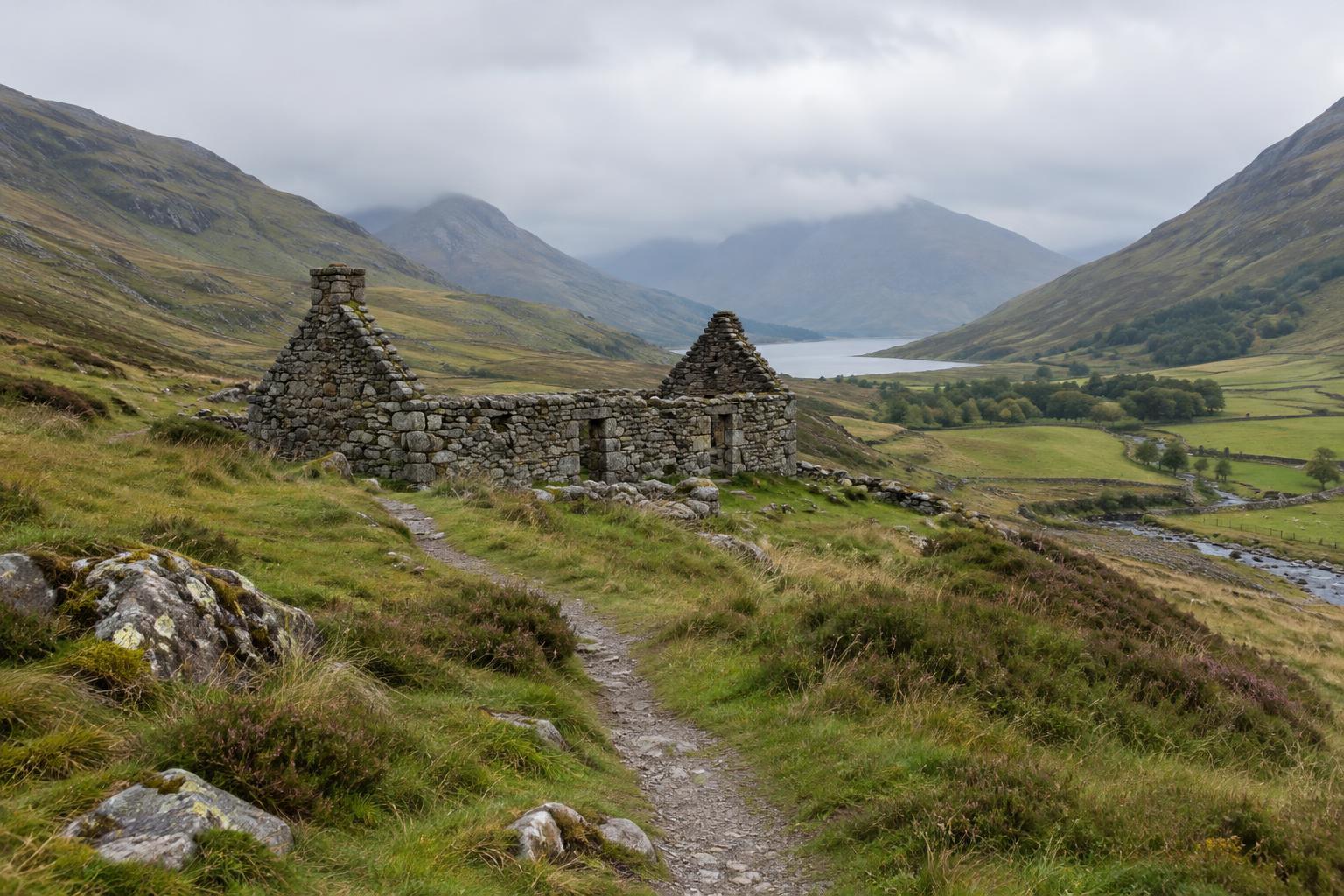
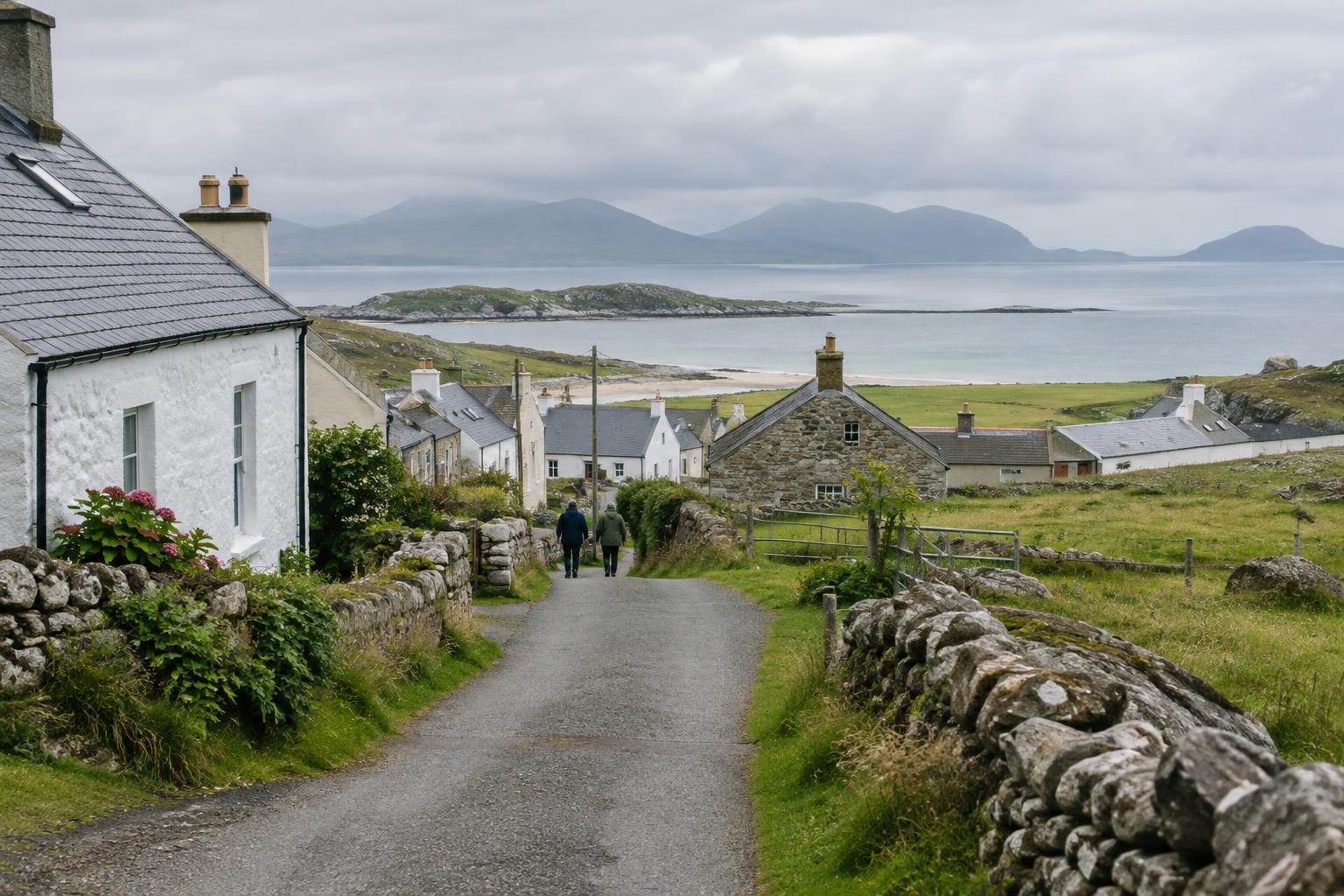
Coastlines, crofting landscapes, harbours and villages can help a visitor think about the relationships between language, work and place. They are not, however, an open-air set. Roads may be narrow, homes may stand close to paths, and a quiet-looking field may have an everyday use. Follow local access guidance, leave gates as you find them, keep clear of working areas and choose parking that does not obstruct residents.
A slower itinerary often makes more room for understanding than a rush between photo stops. Allow time for a small museum, a community-run space or an unplanned conversation where conversation is welcome. Check opening arrangements before setting out, particularly if your trip depends on a particular visit. Respect closures and private spaces without assuming that an appealing building, gathering or stretch of shore is there for public access.
Photograph and film with permission
Images can help you remember a journey, but they can also turn someone else’s ordinary day into your travel narrative. Ask before making a close photograph or recording of a person, their work or a performance. Permission to watch is not automatically permission to film, and permission to film is not necessarily permission to publish. This matters especially when children, worship, commemorations or small community gatherings are involved.
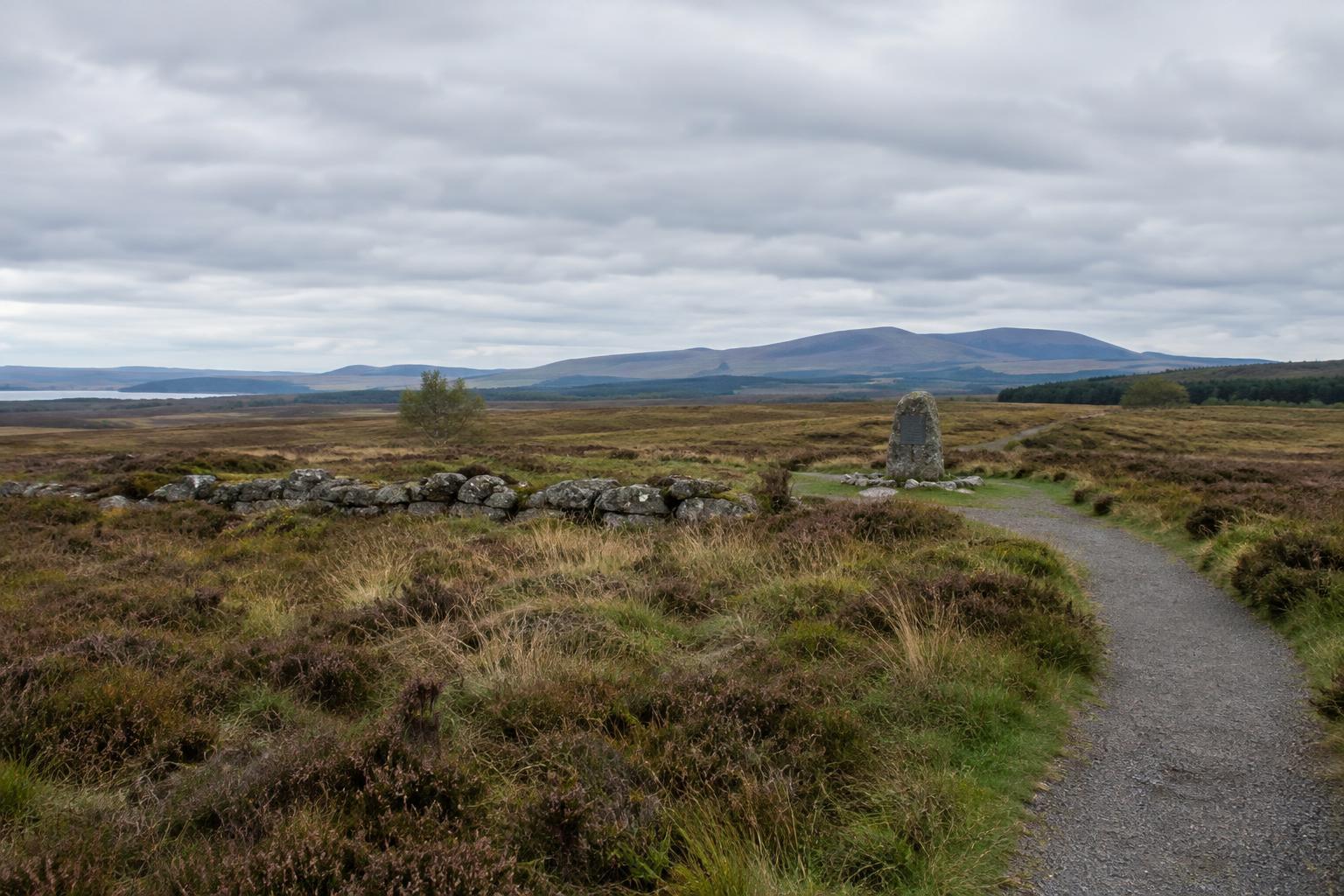
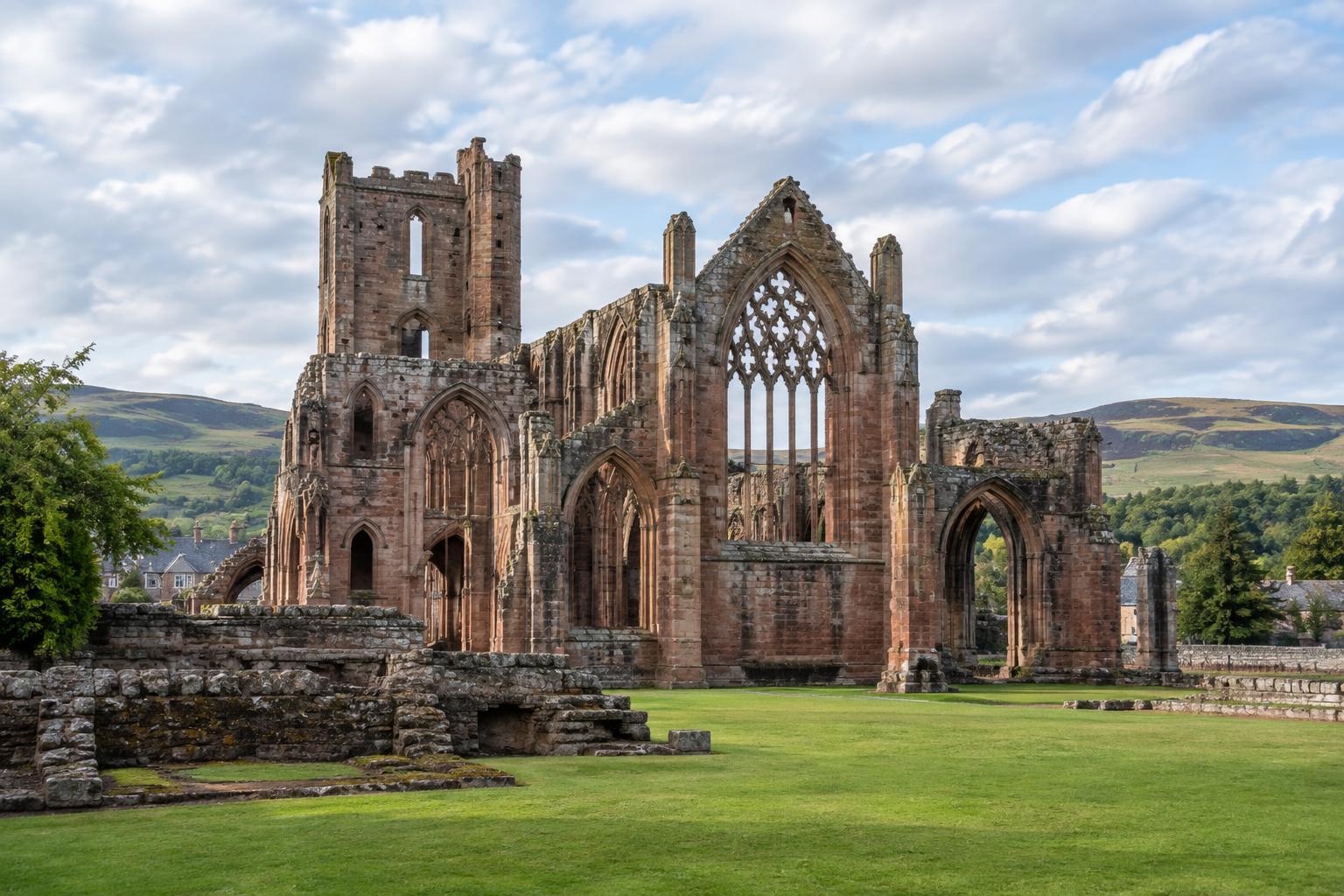
Consider what your captions imply. A photograph of an older building does not prove how it was used, and footage of a musician does not make that person a representative of every island tradition. If you draw on an archive, record the source information supplied with the material and distinguish documented facts from your interpretation. Unidentified images and appealing anecdotes can be starting points for questions, but should not be presented as verified history.
Leave room for the present
Cultural travel is richer when it does not ask a place to stand still. Gaelic heritage includes inherited practices and historical records, but also contemporary choices about language, creativity and community life. Visitors may hear different views about what should be preserved or how a tradition should be shared. Such differences are part of a living culture, not a flaw in the experience.
Before leaving, consider what you will carry into the story you tell others. Name the places and organisations that helped you learn, where appropriate, rather than presenting their knowledge as something you discovered alone. Share images thoughtfully and be clear about what you do not know. The most respectful account of a visit need not claim to capture the Outer Hebrides in full; it can describe a few encounters accurately and leave space for local voices to speak for themselves.