Read the landscape, not just the map
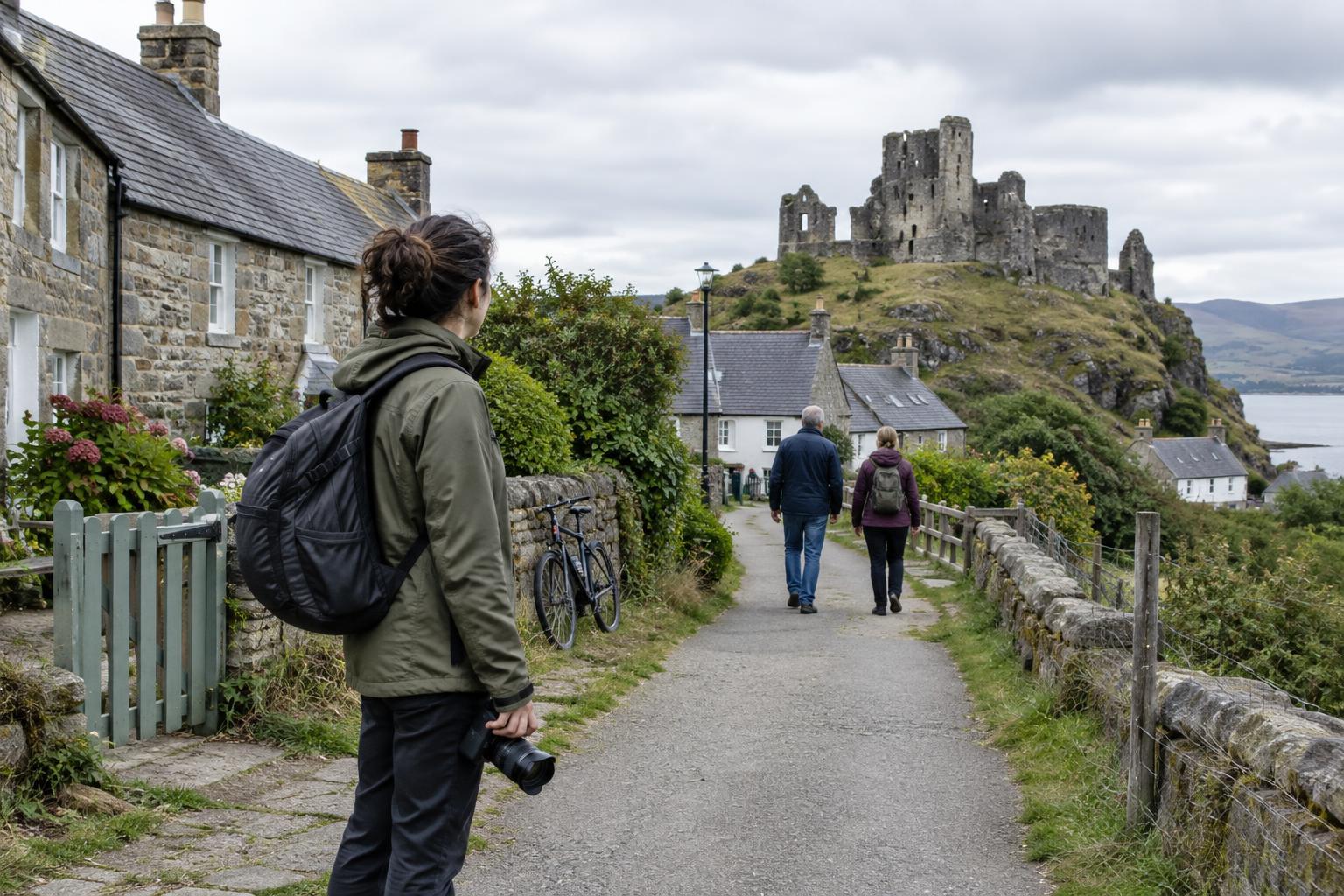
A historic landscape is more than a collection of landmarks. A track may connect a village to former grazing ground; a harbour wall may show how a community met the sea; a line of trees may mark an older boundary. Walking lets you notice how these features relate to one another. It also makes clear that places valued for their history are often working, inhabited landscapes today.
Before setting out, choose a route suited to your ability, the weather and the available daylight. Look for current local information about paths, transport and site access. A route shown on a map may cross farmland, pass close to homes or lead towards ground that is difficult underfoot. Leave room to change plans rather than treating a line on a screen as a promise of easy passage.
Understand the spirit of Scottish access
Scotland’s access framework generally allows people to enjoy much of the outdoors for activities such as walking, provided they act responsibly. The Scottish Outdoor Access Code explains both visitor responsibilities and those of land managers. Access is not a licence to go everywhere: homes and their immediate surroundings, land with growing crops and places where access would interfere with particular activities need different treatment. Buildings and managed attractions may have their own entry arrangements.
On the ground, responsible access means making choices that respect privacy, safety and livelihoods. Keep a sensible distance from houses and farm operations. Use a path or field edge where that avoids disturbing crops, and follow any reasonable local guidance about a temporary hazard or sensitive area. If a gate is closed, close it behind you; if you encounter a barrier or sign you do not understand, pause and assess the situation rather than forcing a way through.
Remember that heritage sites are vulnerable
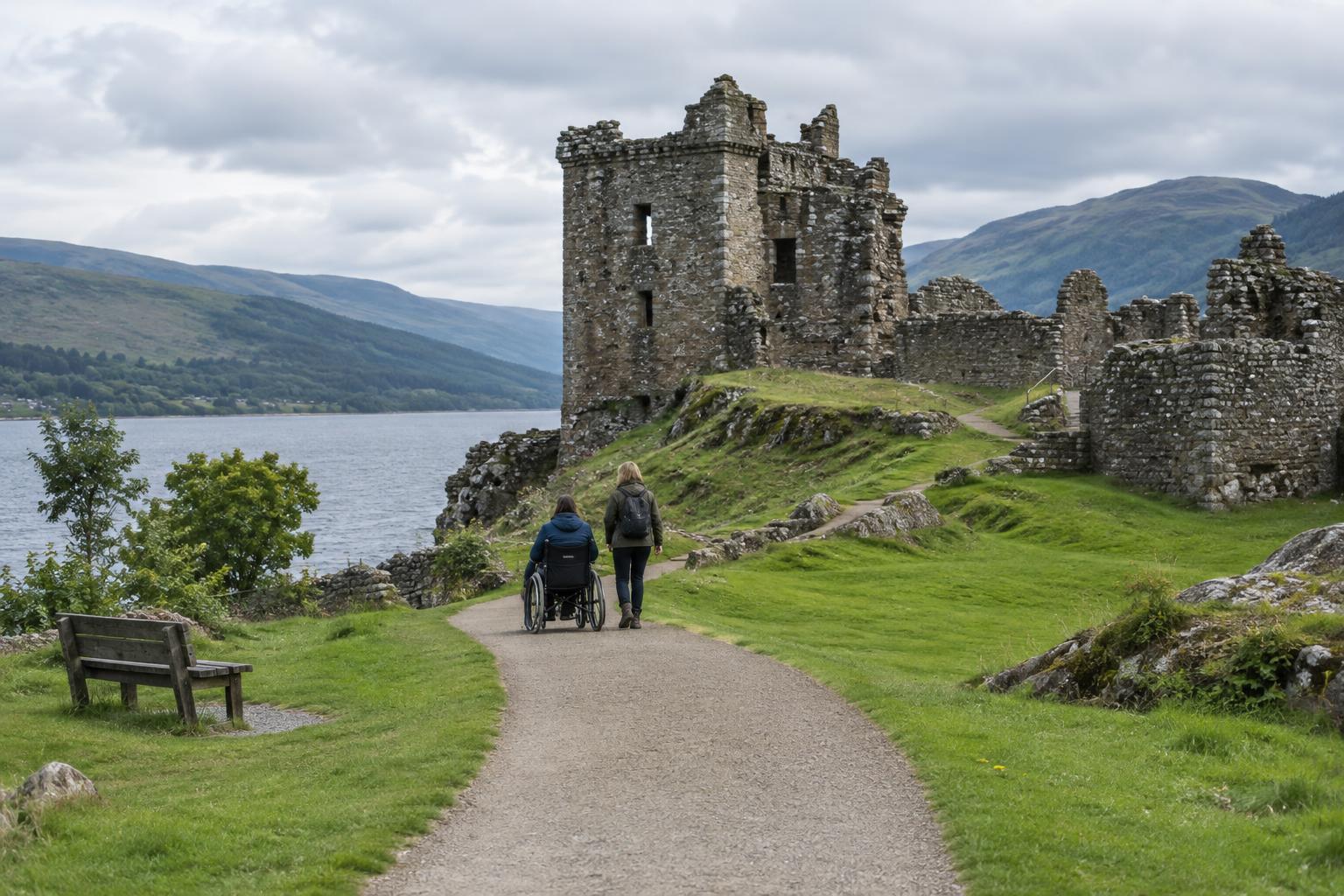
Ruins, earthworks, old walls and archaeological traces can appear sturdy from a distance but be easily damaged. Stay off fragile masonry, do not move stones or objects, and avoid climbing on structures to improve a view or photograph. A shallow hollow or low mound may be part of a site’s story even when there is no sign to explain it. Keeping to established routes where possible reduces wear on features that may be hard to recognise.
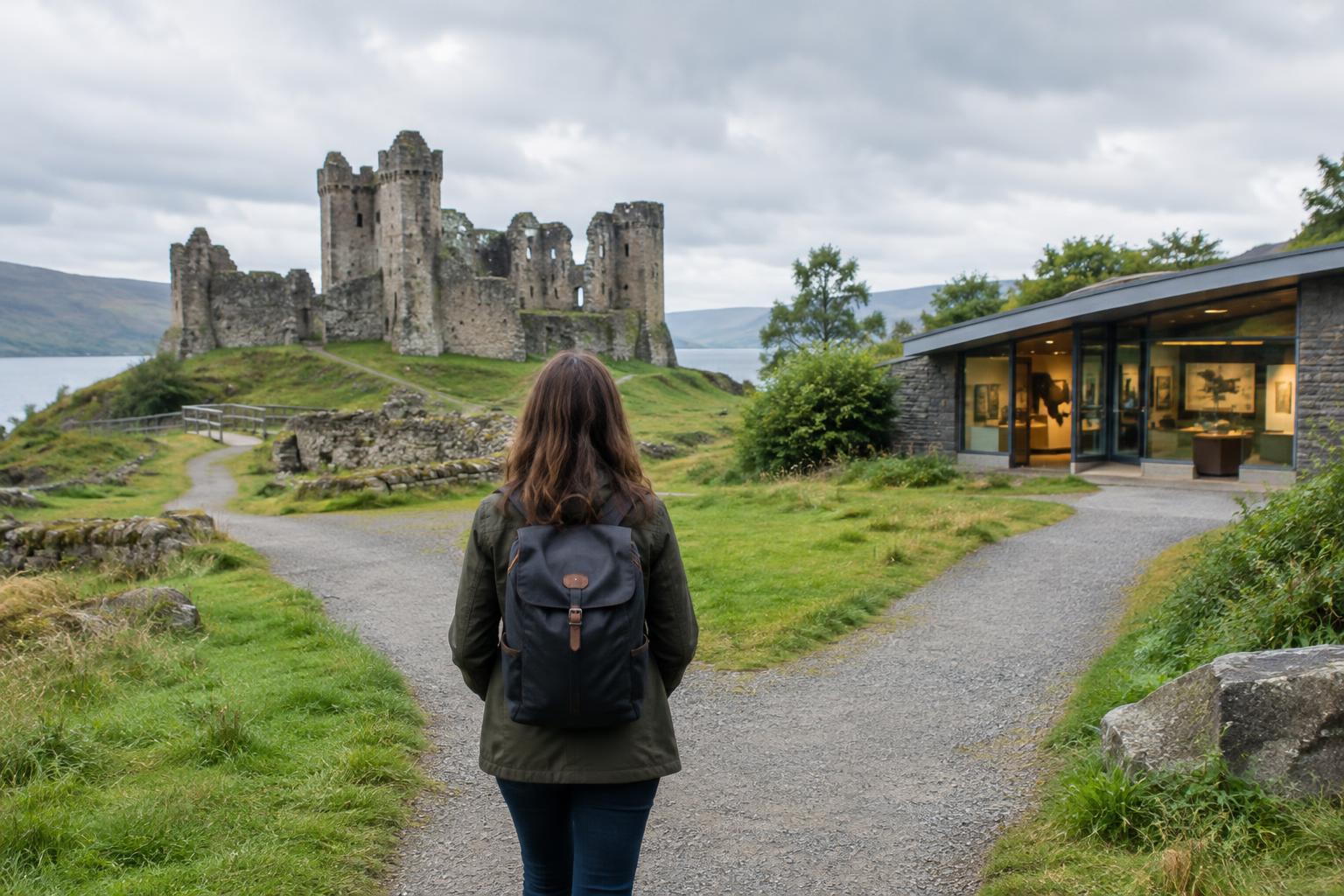
A public path beside a historic building does not necessarily provide entry to the building or its grounds. Check arrangements for staffed or ticketed sites before visiting, and respect closures and safety notices. If you are making photographs or video, consider whether a tripod, a group gathered in a narrow space or repeated walking across soft ground might affect other visitors or the site itself. A compelling image is rarely worth leaving a mark behind.
Share the route with people, animals and wildlife
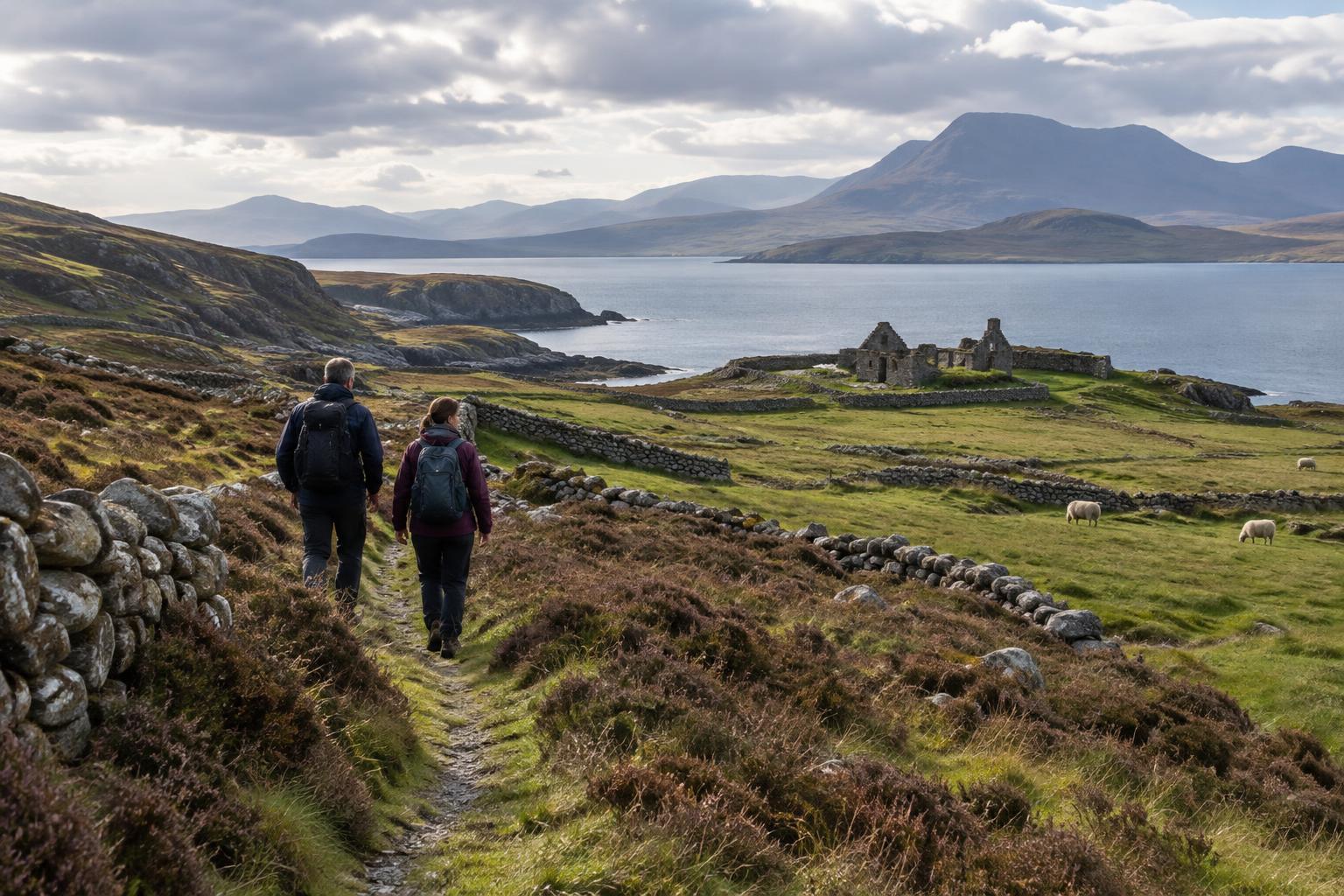
Many walks through historic scenery pass through places where people farm, live or work. Give machinery and livestock plenty of room, and be prepared to take another route if a field crossing would cause disturbance. Keep dogs under close control, particularly around livestock and wildlife, and follow applicable local guidance. Even a short encounter can be stressful for animals, so it is better to act early than to wait until a dog begins to chase.
Coasts, moorland and woodland can also be important habitats. Watch where you step, especially away from clear paths, and avoid disturbing nesting birds or other wildlife. Take litter away, including food scraps, and leave gates, walls and fences as you found them. Courtesy matters in villages too: park without blocking access, keep noise down near homes and make space for other path users.
Travel with curiosity and restraint
Historical interpretation is richer when it begins with observation and admits uncertainty. A place-name, a ruined wall or a striking view can suggest a question, but it cannot always answer it on its own. Local museums, interpretation panels and community heritage projects may offer useful context. If you later share images or a walking account, distinguish what you saw from what you inferred, and avoid presenting an unverified story as established fact.
You do not need to reach every ruin or viewpoint for a walk to be worthwhile. Sometimes the responsible choice is to observe from a distance, leave a sensitive area undisturbed or turn back when conditions change. That restraint protects the landscape while allowing others to find meaning in it too. The best cultural walks connect past and present without treating either the people who live there or the places they care for as scenery alone.