Begin with a landscape, not a factory
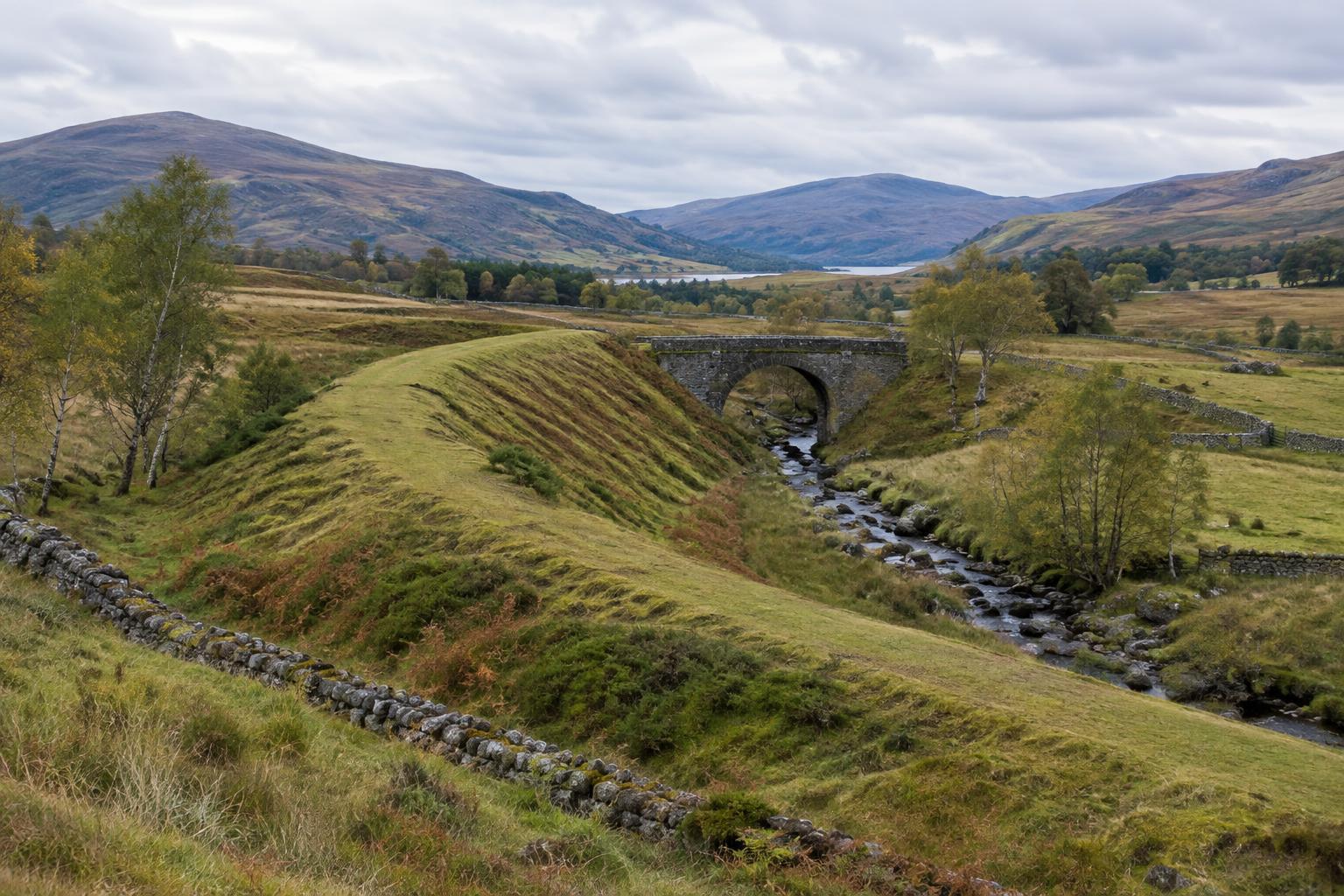
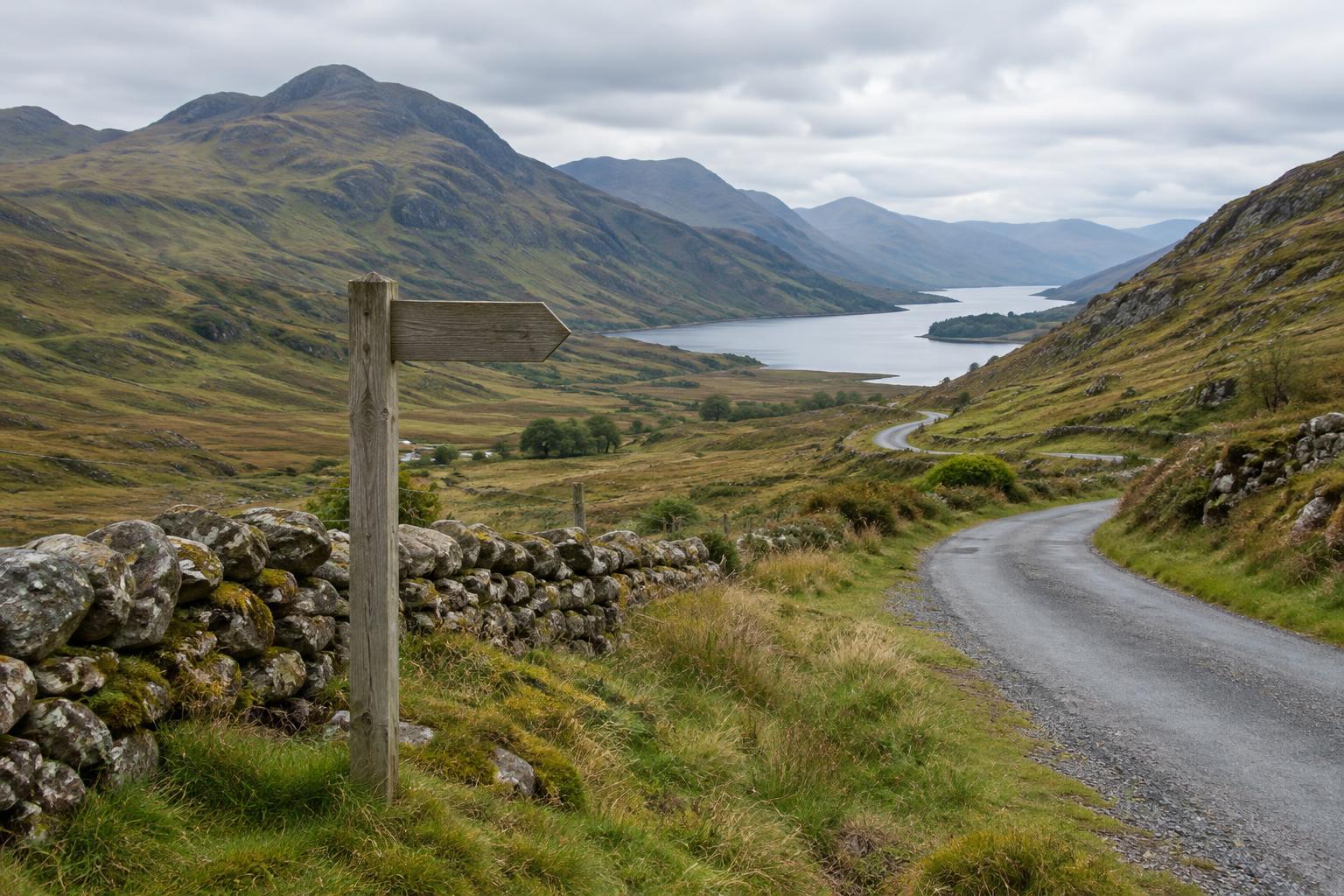
A mill is an obvious place to start exploring the textile history of the Scottish Borders. Its size makes industry visible. Yet a building alone cannot explain where fibre came from, how cloth was made, or who carried the work between one stage and the next. To see a fuller story, look outward: towards grazing land, waterways, roads, railway routes and the streets where workers lived.
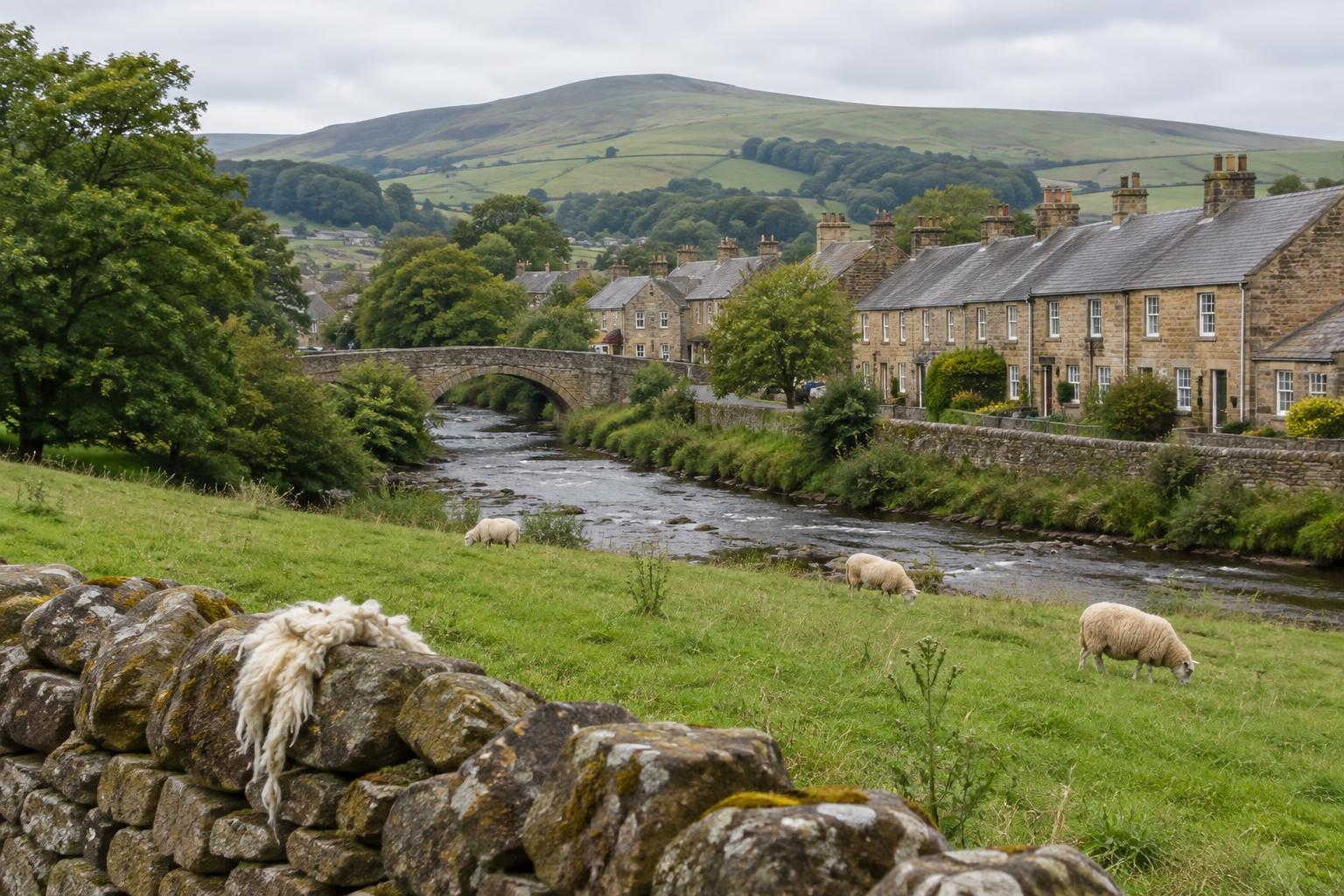
Wool is central to the region’s textile identity, but that does not mean every length of Borders cloth began with a nearby sheep. Fibres, yarns and finished goods could travel between places, and patterns of supply changed over time. A useful question at any site is not simply “What was made here?” but “Which parts of the process happened here, and which happened elsewhere?” The answer may differ from one business or period to another.
Follow the work through the town
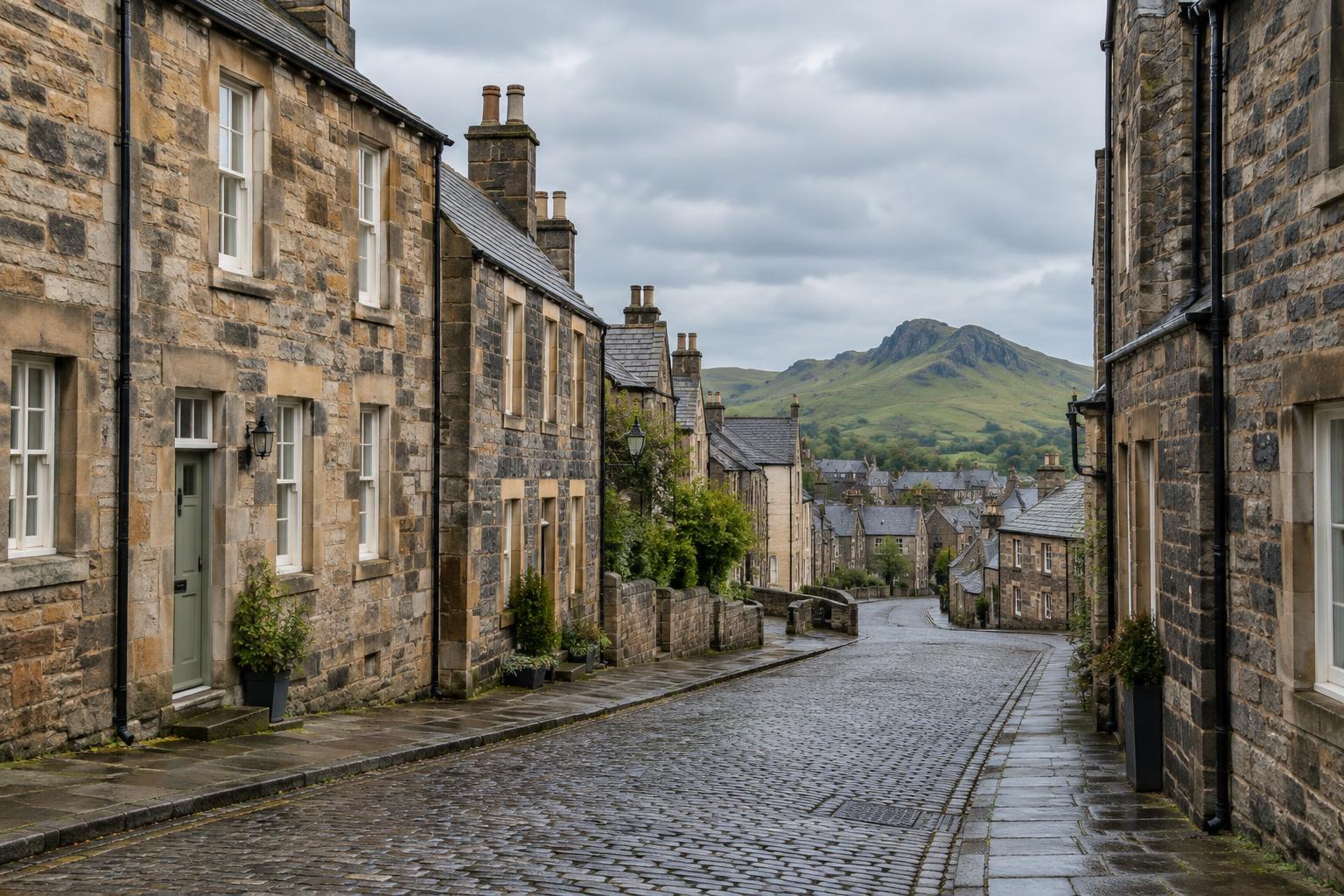
Textile production involves more than a loom. Preparing fibre, spinning yarn, weaving or knitting, washing, finishing, inspecting and packing all require different spaces and skills. Some activities took place within large works; others were carried out in smaller premises or homes. As you walk through a Borders textile town, notice how industrial buildings relate to older streets, housing, bridges and transport links. Their proximity may suggest how daily journeys were organised, although the buildings themselves cannot tell you exactly who worked where.
Places such as Hawick, Galashiels and Selkirk are often associated with particular textile traditions. They are worth exploring individually rather than treating them as interchangeable stops on a single heritage route. A former works, a workers’ terrace and a commercial street can each reveal a different aspect of the same industry. Shopfronts and reused buildings also show that textile places continued to change after their original purpose ended.
Look for people behind the fabric
Machines and products are easy to photograph; working lives are harder to represent. Textile heritage includes training, repetitive tasks, specialist judgement, maintenance, management and the routines that fitted shifts around family life. It also includes jobs beyond production, from moving materials to selling finished goods. Asking whose labour is visible in an exhibition or photograph—and whose is missing—can open up a more thoughtful account of a place.
Local museums, collections and community projects may hold photographs, garments, tools or recorded memories. Each kind of evidence has limits. A posed factory photograph may identify a room or machine without showing an ordinary working day. A remembered experience can offer valuable detail while reflecting one person’s perspective. Read labels closely, check what is known about a date or location, and leave room for uncertainty where the record is incomplete.
See water, transport and reuse as part of the story
Rivers helped shape the setting of many Borders textile sites, whether through water power, the needs of processing or the practical choice of where to build. Later technology and transport changed what businesses needed from a location. From a safe public viewpoint, a riverbank or bridge can help you see how a works sat within a wider network rather than as an isolated landmark.
The afterlife of a building matters too. Some former textile spaces have been adapted; others have been cleared or stand empty. Reuse can preserve parts of a structure while altering how it is understood. An absence on the street may be just as revealing if a map, photograph or reliable local account helps explain what once stood there. Resist the temptation to label every substantial riverside building a mill without checking its history.
Make a careful visual record
For a visit or a short film, build a sequence that moves between scales: the landscape around a town, an exterior view of a former works, nearby streets and a close detail that can be identified with confidence. Let captions distinguish what the image shows now from what a historical source establishes about the past. Contemporary footage of a closed doorway, for example, cannot by itself illustrate the conditions once experienced inside.
Plan around public access, respect private property and ask permission before filming people or interiors. If you use archival images, check their dates, descriptions and reuse conditions; avoid presenting an unidentified image as evidence of a specific Borders site. These small acts of care make a richer story possible. Textile heritage is not confined to the building where a product was finished: it lives in the connections between work, place, movement and memory.