A landscape carried into the street
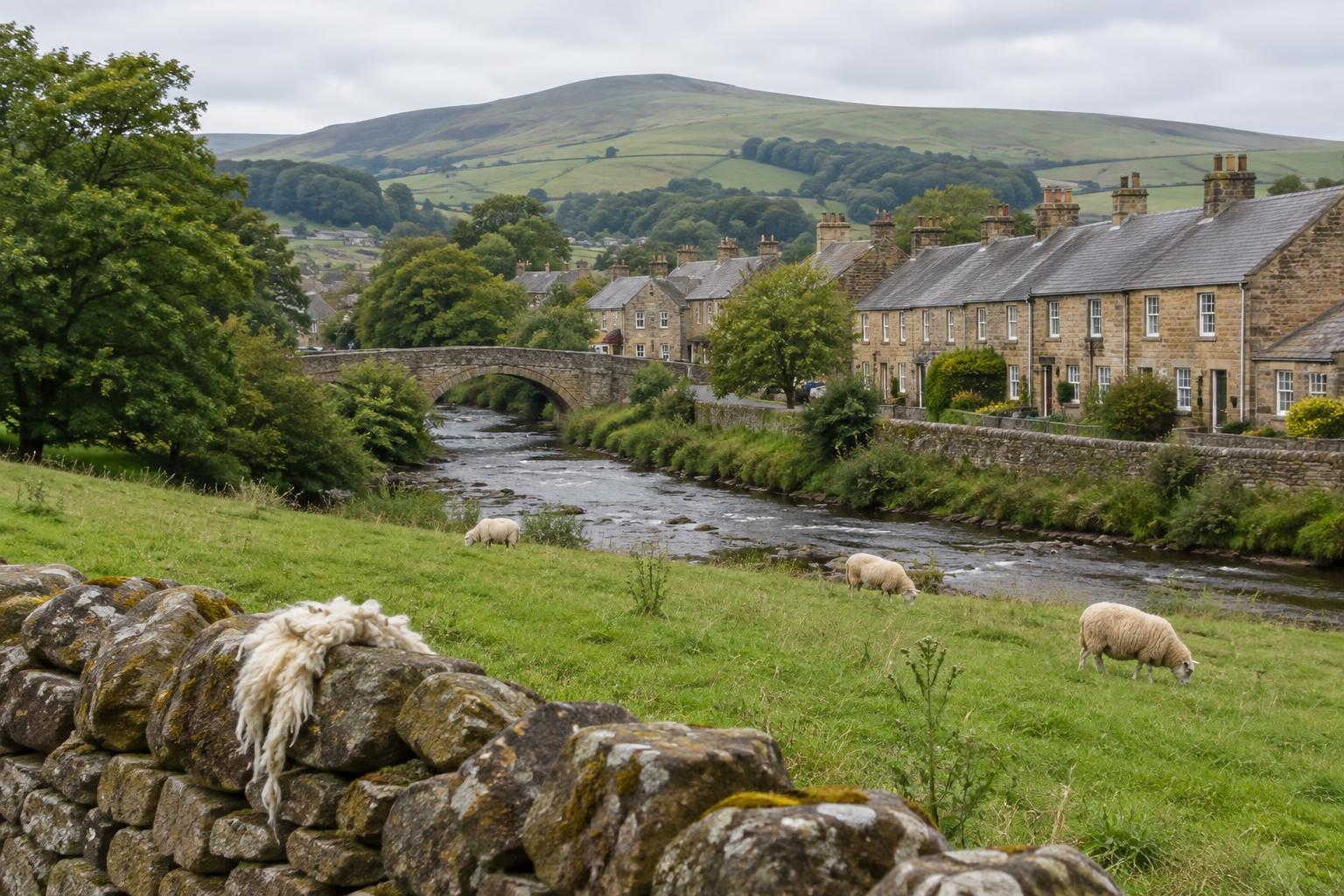
Walk through a Scottish town and its buildings may seem to share a palette. A row of sandstone tenements can give a street a warm glow; grey stone can lend another place a cooler, more rugged appearance. These impressions are part of a town’s character, but colour is only the beginning. The stone also has a texture, a grain and a way of catching light that can make even similar building forms feel different.
For much of the history of building, access mattered. Stone that could be quarried and transported within a workable distance was an attractive choice for walls, paving and architectural details. That does not mean every building in a town uses stone from its immediate surroundings. Transport links, cost, fashion and a building’s purpose all influenced material choices. Local stone is best understood as one strong thread in a more varied streetscape, not a rule that applies to every facade.
Look beyond colour to see how stone was used
A useful way to read a building is to compare its ordinary walls with the areas that needed emphasis or strength. Window surrounds, doorways, corners and carved details may use stone cut more carefully than the blocks around them. A rougher wall can sit beside precisely shaped dressings. Those differences reveal decisions about labour and appearance as well as material.
Look closely, too, at the joints between stones. Some buildings rely on regular courses of evenly sized blocks; others have more varied shapes. These patterns affect how a street feels at walking pace and how it appears on film. A wide shot may show a consistent tone across several buildings, while a close view reveals individual tool marks, repairs and changes in surface. Moving between those scales is often more informative than trying to identify a stone by colour alone.
Weathering gives a town another layer of character
Stone changes after it becomes part of a building. Rain, wind, exposure and accumulated dirt can alter its appearance, while sheltered areas may retain a different surface from exposed ones. A darkened facade is not necessarily made from dark stone. Likewise, a pale patch might be a cleaned area or a later replacement rather than evidence of a different original design.
Weathering can make neighbouring buildings look more alike, or make one facade appear patchworked. It can also draw attention to features that might otherwise go unnoticed: a projecting sill, a carved doorway or a blocked opening. For anyone photographing a town, changes in light can help distinguish the stone’s natural colour from shadow and staining. Observing the same wall from across the street and then up close is a simple way to avoid a misleading first impression.
Repairs are part of the story, not an interruption
Few historic streets are made entirely of untouched buildings. Stones wear, walls are adapted and damaged pieces are replaced. A repair may match its surroundings closely, or it may be visible through a difference in colour, cut or texture. Those contrasts can show how a building has been cared for and changed over time, even when they do not tell us precisely when or why the work happened.
This matters when interpreting a town’s visual heritage. An apparently uniform row may have been altered many times, while an uneven facade may still preserve a strong sense of its original form. It is tempting to call one stone ‘authentic’ and another an intrusion, but appearance alone rarely settles that question. Careful observation can suggest where to ask further questions; building records, where available, may help answer them.
Reading stone as a record of place
Local building stone can connect a town to work beyond its streets: quarrying, cutting, hauling and the skills needed to set stone in place. It can also link buildings of different kinds. A modest house and a prominent civic building may share a material while using it to very different effect. Those connections help explain why stone contributes to regional character without reducing that character to a single landmark.
On a visit, choose one short street and note where the stone changes. Compare older-looking and newer-looking sections, prominent entrances and plain walls, sheltered corners and exposed faces. Ask what you can actually see before deciding what it means. For a filmmaker or photographer, that approach offers a sequence of views: the surrounding landscape, the whole street, then the details that show human choices in the material. A town’s stone is not a complete history, but it is a visible invitation to investigate one.