Start with the crossing, not just the pier
A small ferry pier may look like a simple edge between land and water. To understand its place in regional heritage, begin with the journey it served. What lay across the crossing: another village, an island, a market town or a route onward? A modest landing could matter greatly to people moving between places, even if little of its former activity is visible now.
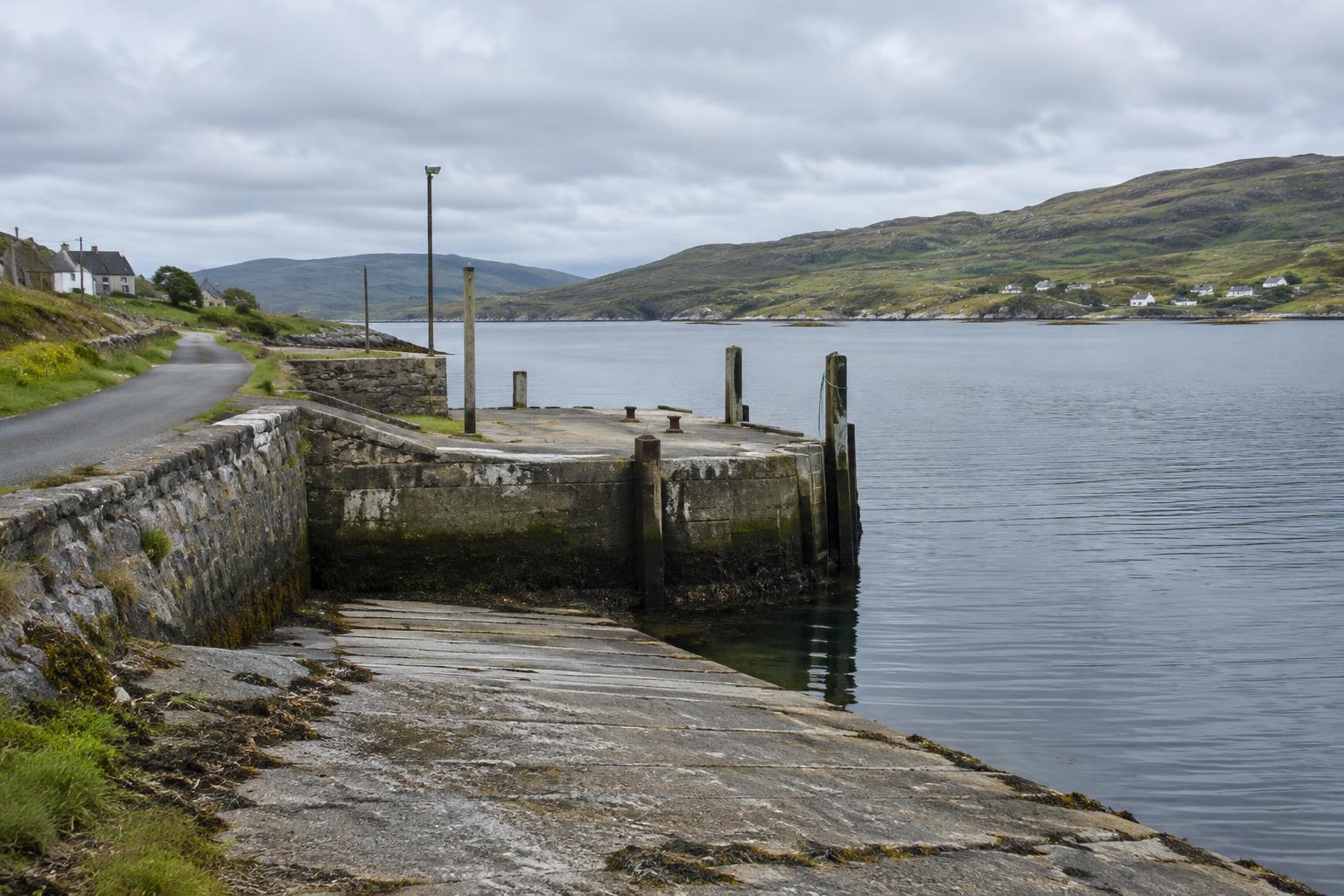
Look at the wider setting before examining individual stones or timbers. A road that ends at the shore, a sheltered approach or a cluster of buildings nearby may help explain how the landing fitted into local travel. Keep questions separate from conclusions, though. A building beside a pier might have had a transport-related use, but its position alone cannot establish what happened inside it.
Read the structure for practical choices
Piers and landing places respond to local conditions. A sloping slipway offers a different kind of access from steps or a raised quay. The shape of the shore, the movement of the tide and the space available for vessels all affect how a crossing can work. Notice where a passenger might have waited, where goods could have been set down and how someone would have reached the landing from the road.
Different materials or surfaces can suggest that a site has been altered, repaired or adapted. They do not, by themselves, tell you when a change happened. A concrete addition beside older masonry, for example, may invite a question about changing vessels or access needs rather than provide an answer. Even a pier that looks uniform at first glance may have had more than one phase of use.
Treat the visible structure as part of a working landscape, not a complete record of it. Mooring arrangements, temporary equipment and everyday routines may leave few obvious traces. Conversely, a surviving feature may have served more than one purpose over time. Describing what you can see before proposing an interpretation makes the story clearer and more honest.
Look inland for the pier’s local connections
The route away from a landing can be as revealing as the landing itself. Follow it on a map or from a public path and ask how people might have continued their journeys. Does it lead toward a settlement, a farmed area or another transport route? A crossing’s role could change as roads improved or travel patterns shifted, so the present route should not be assumed to match an earlier one.
Regional differences become clearer when comparing places rather than treating every pier as an isolated curiosity. One landing may sit close to a village centre; another may be reached by a long approach through open country. These settings suggest different questions about access and daily use, but they should not be forced into a single story of remoteness or progress. The value of comparison is that it helps reveal what is distinctive about each place.
If you want to explore the site further, note the names used for the pier and crossing, including local variants where you encounter them. Maps, photographs and community accounts may help test an idea prompted by the landscape. Record where each detail came from, and allow for disagreement: a remembered use and a mapped label may describe different periods or different parts of the same site.
Tell the story without losing the present-day place
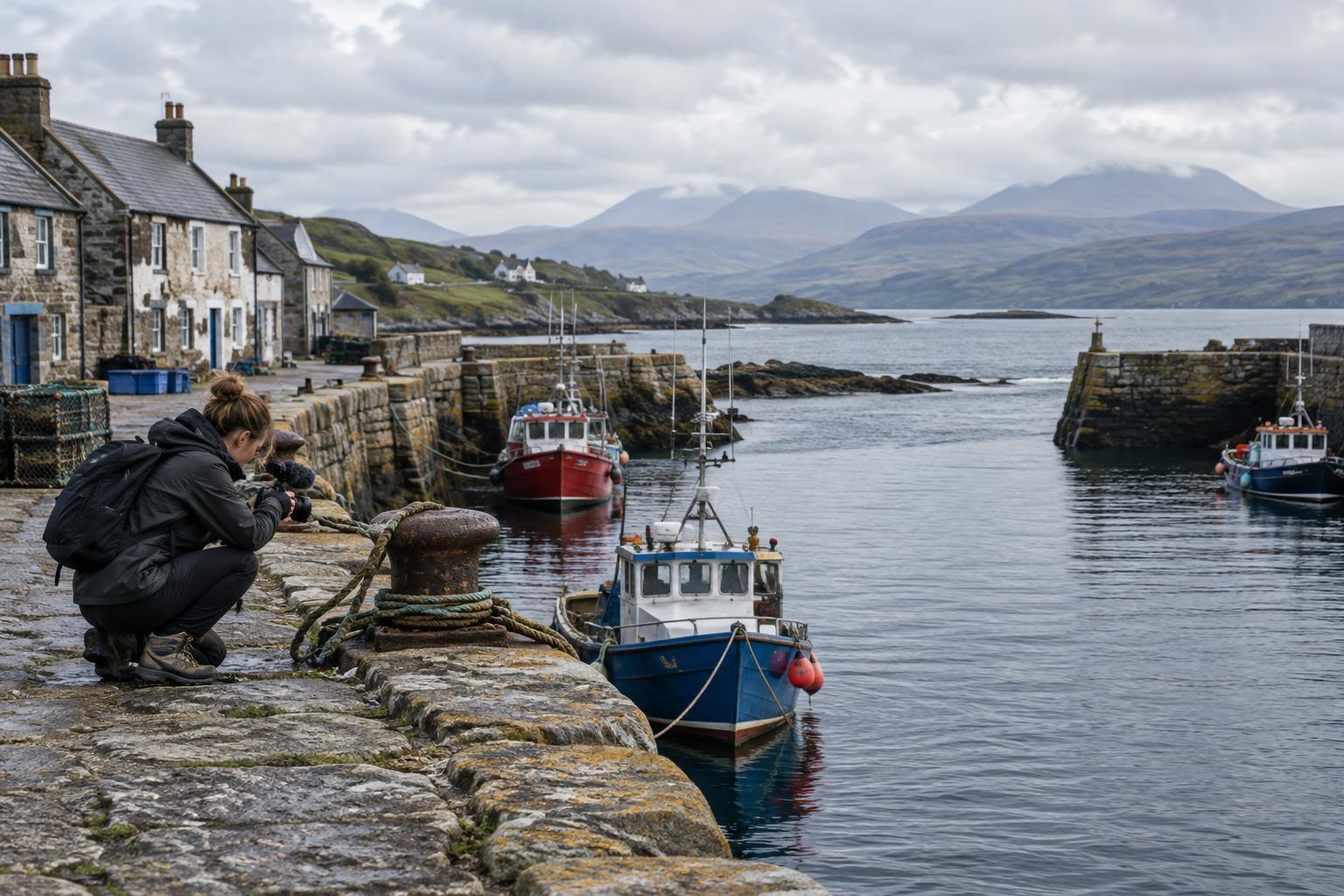
A short film about a ferry pier can begin with a view from the approach road, then move toward the water to show what a traveller would have needed to negotiate. Film the relationship between shore, structure and destination rather than relying only on close-ups of weathered surfaces. If you use an old image alongside new footage, identify it clearly and avoid presenting a reconstructed scene as archival evidence.
Sound deserves similar care. Record the sounds you actually hear, while recognising that traffic, birds or waves today cannot stand in for an earlier soundscape. Music can convey mood, but it should not imply that a particular feeling defines everyone’s experience of the crossing. For ideas about soundtrack choices in visual storytelling, browse Music for Film · Sound of Emotion and keep musical interpretation distinct from historical evidence. For a broader prompt to listen attentively, browse Everyday Listening · Sound of Emotion, then note which sounds belong to your own visit.
Finally, remember that many landings remain working places, fragile structures or both. Observe from accessible areas, avoid obstructing use and resist moving objects to improve a shot. The most useful heritage account need not settle every question. It can show what survives, explain how the crossing connected places and make clear where the visible evidence runs out.