A name for people, not a single tribe
The Picts lived in what is now northern and eastern Scotland during the late Roman and early medieval periods. The name appears in Roman writing, but it does not necessarily describe one people with a single ruler, language or set of customs. Communities across the region had different local histories, and their alliances and kingdoms changed over time.
“Picts” is often explained as meaning “painted people,” but the name alone tells us little about how those communities described themselves. It is safer to treat it as a historical label than as a complete account of their identity. Even the boundaries of Pictish territory shifted, making any simple map of “Pictland” a snapshot rather than a permanent outline.
What the written sources can—and cannot—say
Written accounts offer names of rulers, references to conflict and glimpses of religion and diplomacy. Roman authors wrote about peoples north of the frontier from an imperial perspective. Later, writers such as Adomnán, in his account of Columba, and Bede, in his history of the English church, described Pictish communities through their own religious and political interests. Irish annals preserve further notices, though many survive in manuscripts copied after the events they record.
These texts are invaluable, but they are not a continuous Pictish chronicle. A reference to a king may tell us little about daily life beyond his court, while an account of conversion may emphasize the role of a missionary. Historians compare written claims with one another and with material evidence rather than treating any single passage as a view from inside Pictish society.
Stones, settlements and signs of power
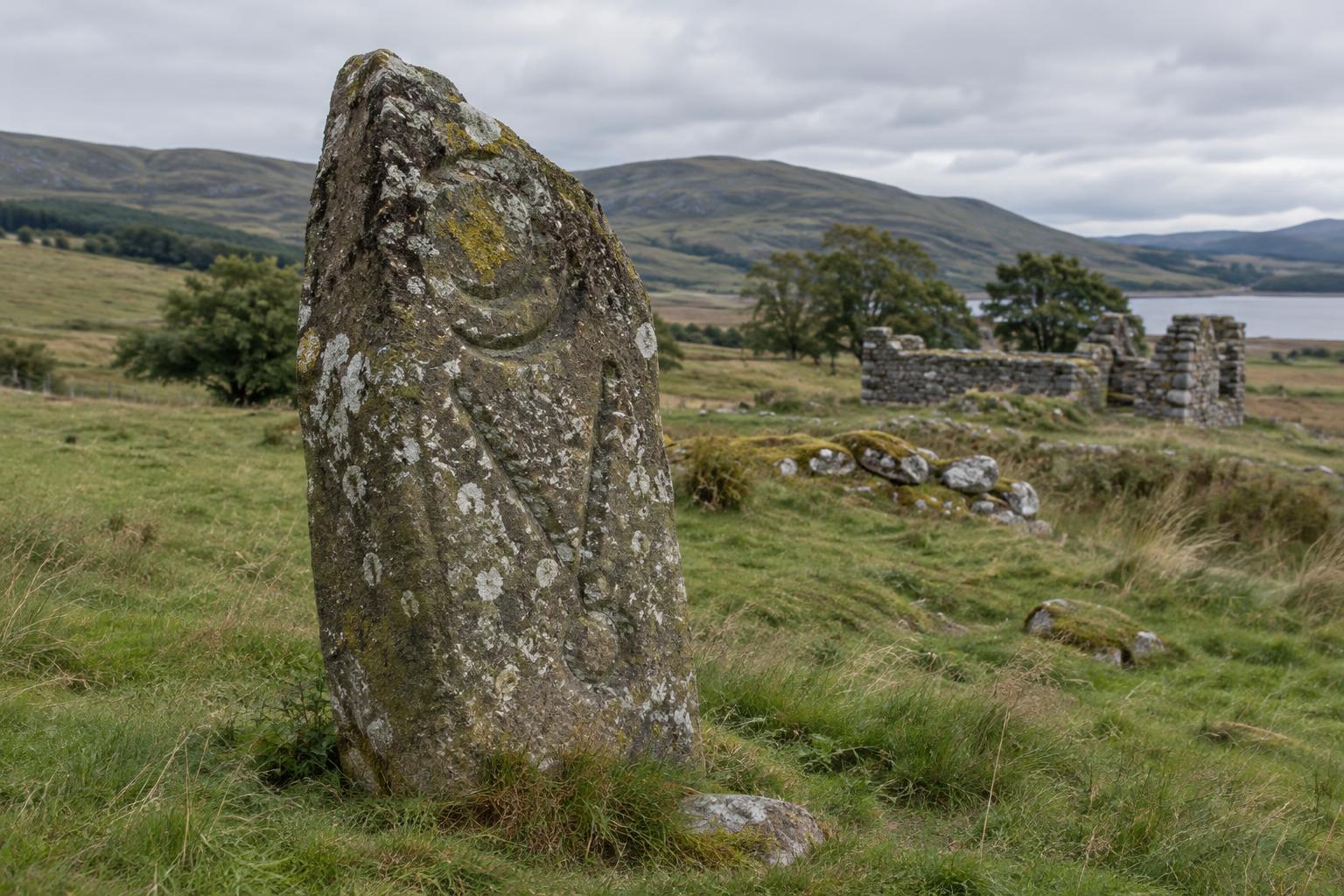
Carved stones are among the most recognizable traces of the Picts. Some bear recurring symbols, including animals and abstract forms; others carry crosses and complex scenes. Places such as Aberlemno in Angus allow visitors to see how striking these carvings can be. Their symbols have prompted many interpretations, but there is no generally accepted translation or proof that they form a script. What they communicated, and to whom, remains an open question.
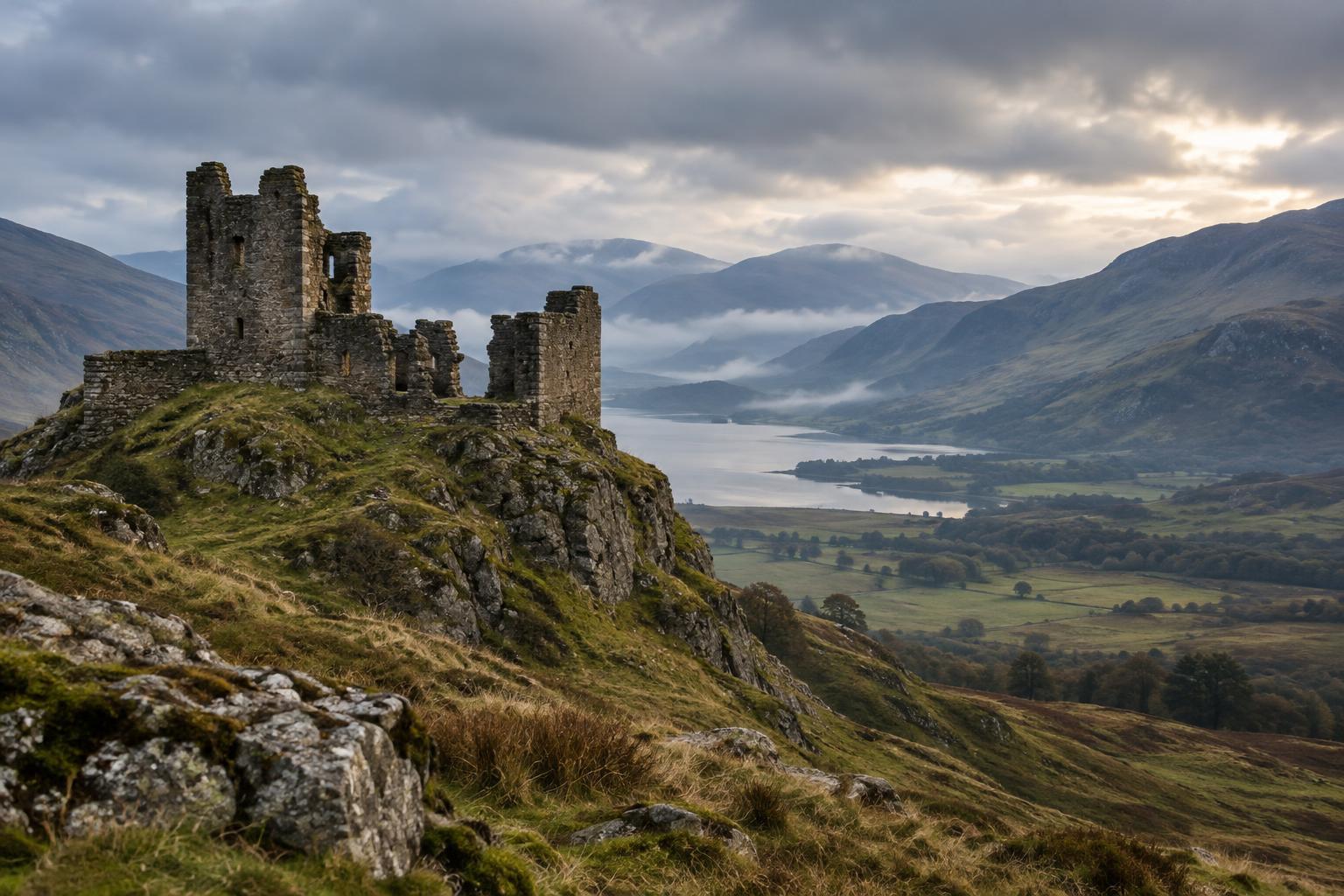
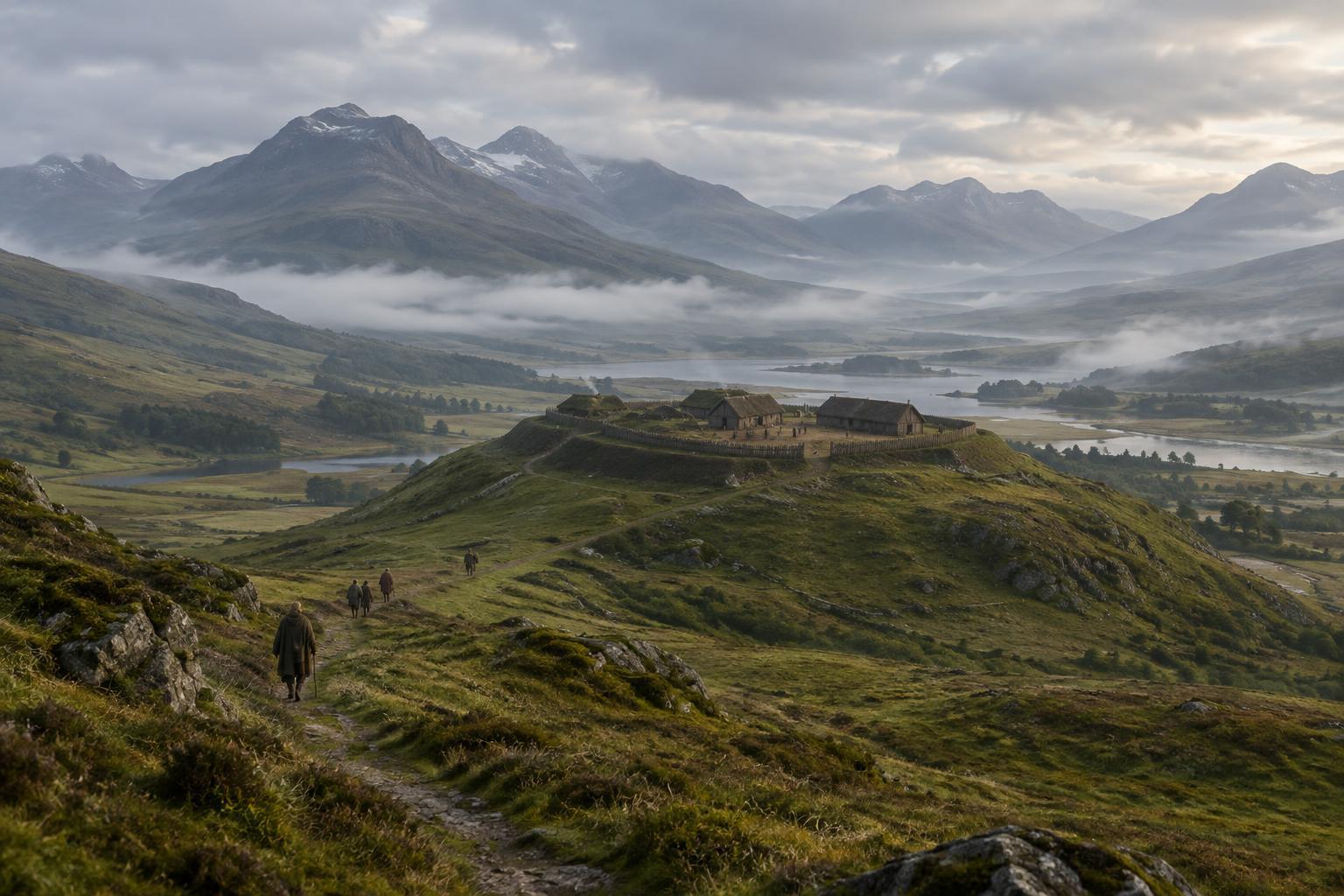
Archaeology broadens the picture beyond the stones. Fortified sites, settlements, burial places and crafted objects offer evidence of work, exchange, belief and social standing. Burghead in Moray, for example, is an important fortified site associated with the Pictish period. Excavated remains can suggest how places were used, but a substantial fort does not, by itself, identify a named king or establish the limits of his authority.
The context of a find matters as much as its appearance. An object recovered from a dated archaeological layer can help establish when an activity took place. A carved stone moved from its original setting is harder to interpret: its present location may not show where it first stood or what landscape it once addressed.
Language and belief in a changing society
Place-names and personal names suggest that a language related to Brittonic Celtic languages was spoken in much of Pictish territory. The surviving evidence is fragmentary, however, and cannot tell us exactly how everyone spoke across centuries and regions. Gaelic also became increasingly important, particularly as political and cultural ties changed. Language, like identity, is difficult to fit into a single neat sequence.
Christianity is visible in carved crosses, religious sites and written accounts, yet those traces do not reveal one uniform moment of conversion. Beliefs and practices could vary between communities and change over generations. Images on stones may have held religious, political or commemorative meaning; where their meaning is uncertain, describing what is carved is more honest than assigning it a definite story.
What happened to the Picts?
By the ninth century, the political world associated with Pictish kingdoms was changing, and the kingdom of Alba emerged from Pictish and Gaelic traditions. This was not a case of a whole population simply vanishing. Political names, ruling networks and languages can change while people and communities continue to live in the same landscapes.
The most useful question, then, is not whether one source finally “solves” the Picts. It is how different kinds of evidence work together. A written account may name a ruler; a fort may show the resources needed to hold a strategic place; a stone may reveal skilled carving while withholding its message. Read side by side, these traces offer a richer—and more careful—picture of Scotland’s early medieval past.