A covenant about church and authority
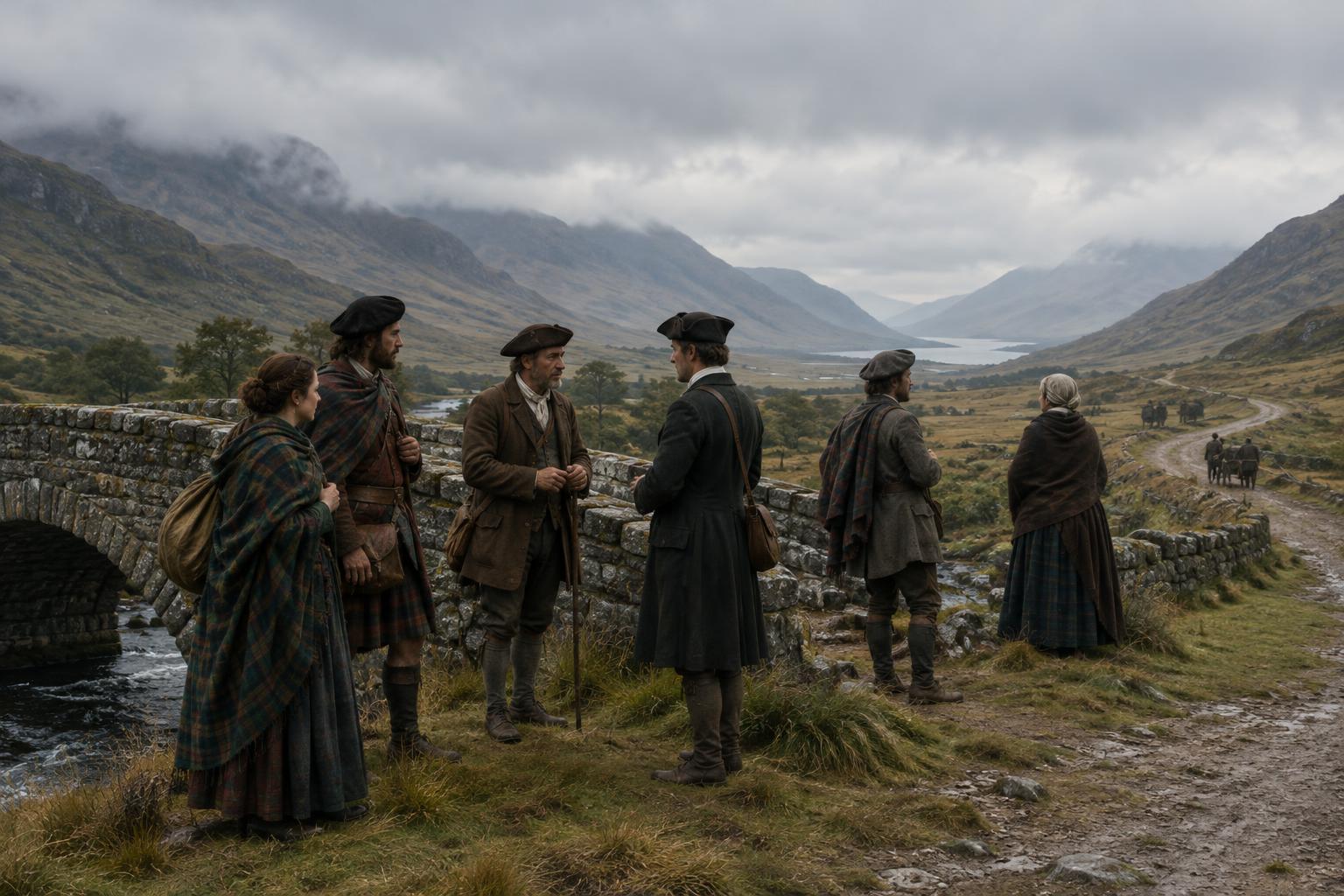
The Covenanters were Scots who pledged to defend their understanding of the Reformed Church of Scotland against changes imposed by the monarchy. Their name comes from the National Covenant of 1638, a public declaration signed by people across Scottish society. Its supporters argued that the king should not be able to reshape the church without regard for its existing beliefs and institutions.
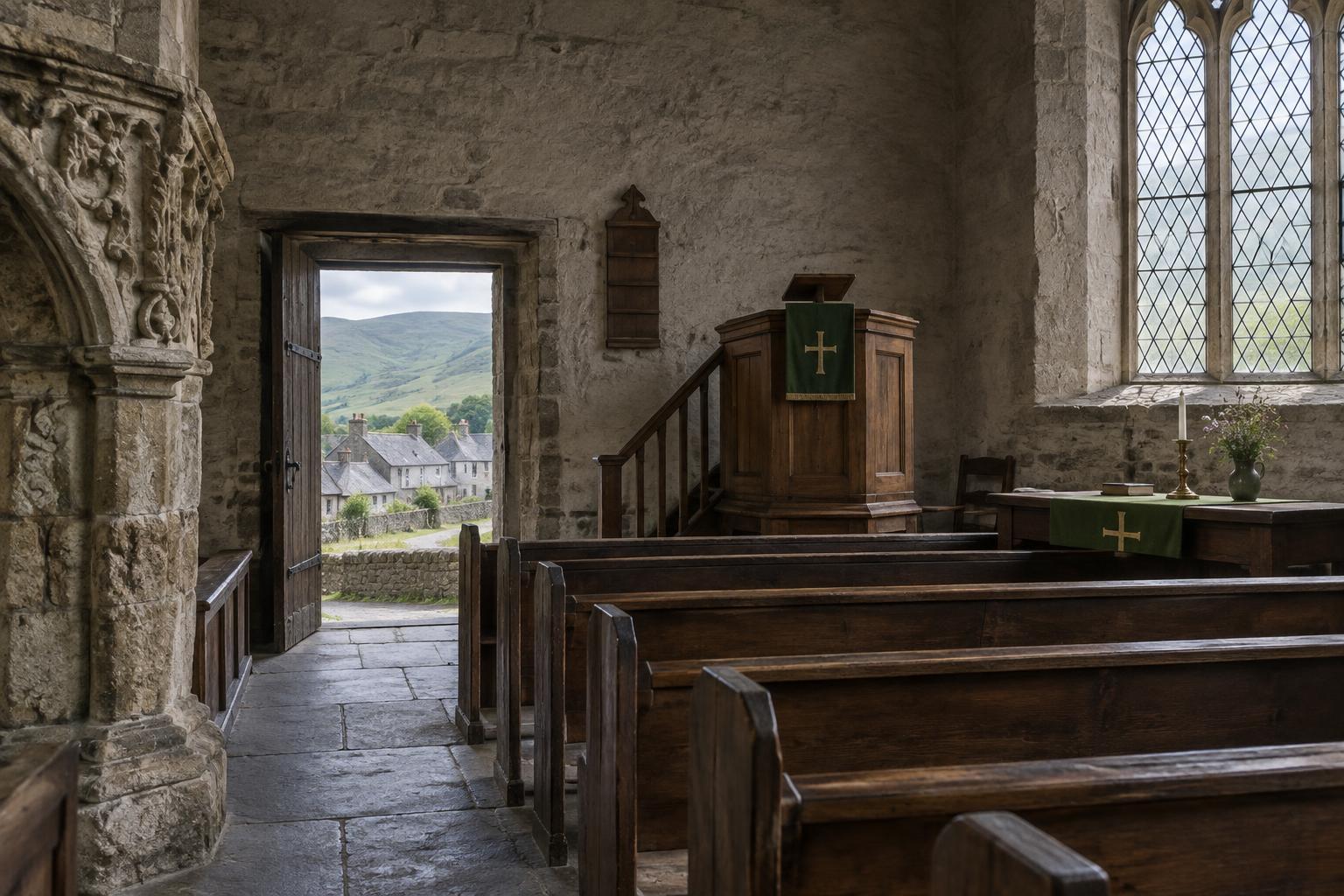
The immediate dispute concerned worship and church government. Charles I’s attempts to introduce a new prayer book in Scotland, followed by resistance in 1637, brought wider tensions into the open. Many opponents also rejected the authority of bishops, whom they associated with royal control of the church. They favoured a presbyterian system in which assemblies of ministers and elders governed church affairs. For them, this was not a minor question of ceremony: it concerned who had the right to define and defend their faith.
Who joined, and what did they want?
The Covenant drew support from nobles, ministers, merchants and other members of society, though their reasons and levels of influence differed. Some were committed above all to presbyterian church government. Others were concerned by the crown’s use of power or saw a chance to defend Scotland’s political institutions. Signing a shared declaration did not erase these differences.
Nor were the Covenanters simply fighting to remove the monarchy. Many believed a king could rule while respecting the religious commitments they considered binding. Their central demand was that the church should not be governed according to the monarch’s will. That position had political consequences: defending the church’s independence meant challenging royal policy, raising forces and deciding how Scotland should respond to conflicts elsewhere in Britain.
It is tempting to describe the movement as a campaign for religious freedom in the modern sense. That misses an important distinction. Covenanters sought protection for a particular form of Protestant church, not equal standing for every belief. Their convictions could inspire resistance to coercion while leaving little room for religious views they regarded as mistaken.
From protest to wars
The National Covenant was followed by armed confrontation between Scotland and Charles I in the Bishops’ Wars. As struggles spread across the kingdoms ruled by the king, Scottish Covenanters entered a further agreement with the English Parliament: the Solemn League and Covenant of 1643. This was a distinct document, shaped by wartime aims as well as hopes for religious reform.
Alliances shifted, and the movement fractured over how to deal with the monarchy and with England’s changing rulers. Covenanters did not hold one position throughout the civil wars. Some made agreements with Charles I; others opposed those arrangements. Scotland’s efforts to uphold its preferred religious settlement became entangled with battles over who would govern Scotland, England and Ireland. Asking what the Covenanters were fighting for therefore needs more than one answer: church government remained central, but the means of securing it became fiercely contested.
Restoration and resistance
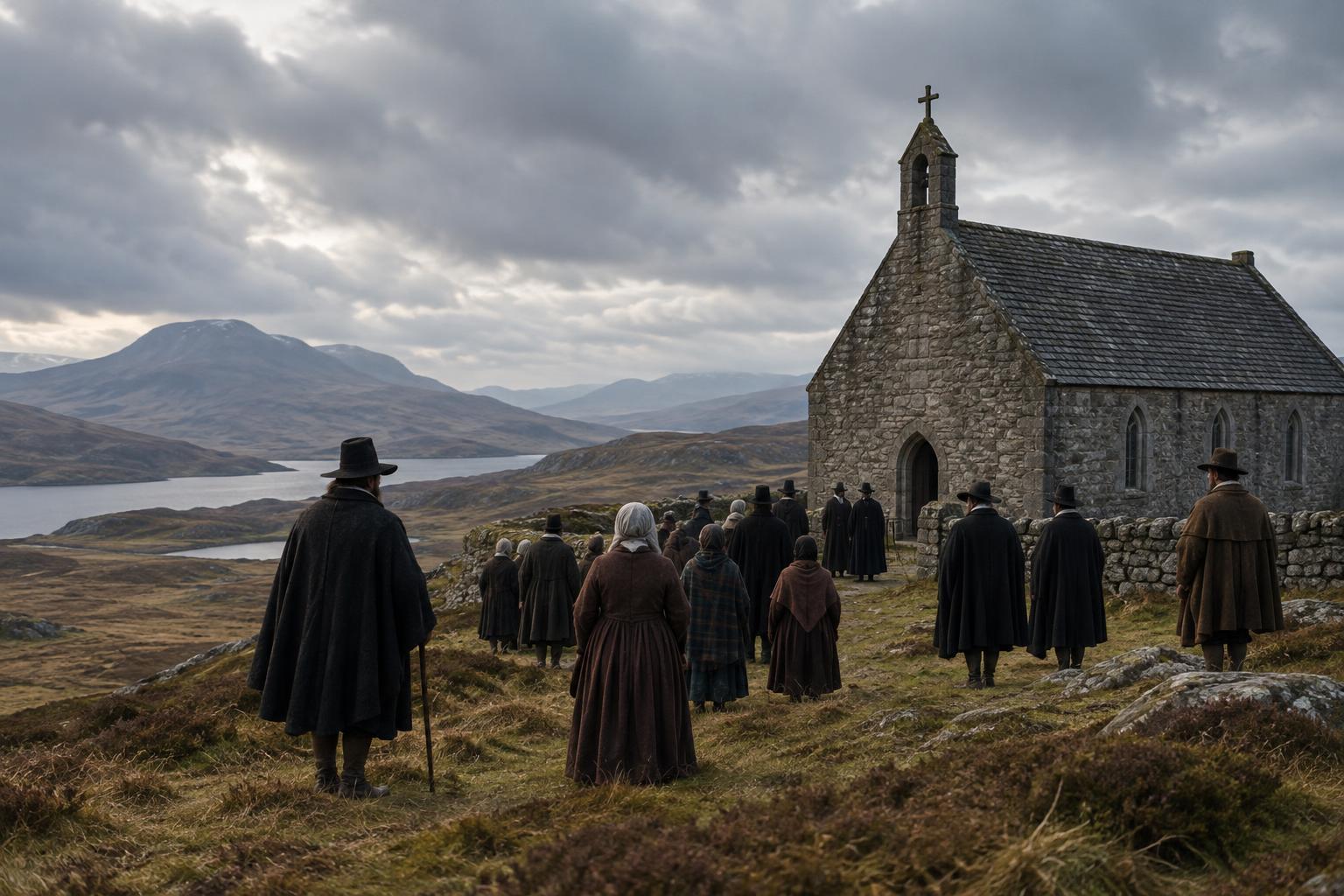
After the monarchy was restored in 1660, royal policy again moved against presbyterian church government in Scotland. Ministers who would not accept the restored church arrangements lost their positions. Some continued to preach at outdoor meetings known as conventicles, where worship could become an act of defiance. The authorities tried to suppress these gatherings, and periods of resistance led to arrests, armed clashes and executions.
The later seventeenth century is often remembered through stories of Covenanter suffering, particularly in southwestern Scotland. Those accounts speak to real experiences of punishment and loss, but they can flatten a complicated history if every Covenanter is portrayed as sharing the same views or fate. By this point, divisions within presbyterian communities mattered too. Some people resisted more forcefully than others, and choices about worship, allegiance and rebellion carried different risks.
Why their story still matters
The political changes of 1688–89 altered the Covenanters’ position. A presbyterian settlement was established for the Church of Scotland in 1690, although that did not resolve every disagreement about the church’s past or future. Covenanter graves, memorials and local traditions remain visible reminders of how deeply arguments over worship and authority affected communities.
For a film or a visit to a historic site, the most useful question may be more specific than whether the Covenanters were heroes or rebels. Who created the account being presented? Does it describe the signing of the Covenant, the civil wars or the later years of persecution? Distinguishing those settings makes space for both conviction and conflict. The Covenanters’ story is about people trying to defend what they believed their church must be—and about the far-reaching consequences of that struggle.