Two dates, two kinds of union
It is tempting to treat 1603 and 1707 as stages in one simple story of Scotland becoming part of England. Neither date quite fits that description. In 1603, one person came to rule two separate kingdoms. In 1707, Scotland and England joined to form a new kingdom with a shared parliament. The first was a union of crowns; the second was a political union.
The distinction matters because sharing a ruler did not automatically merge laws, churches or representative assemblies. It also helps explain why Scotland still has institutions with their own histories today. To understand either date, ask a practical question: who could make decisions for Scotland, and through which institutions?
1603: One monarch, separate kingdoms
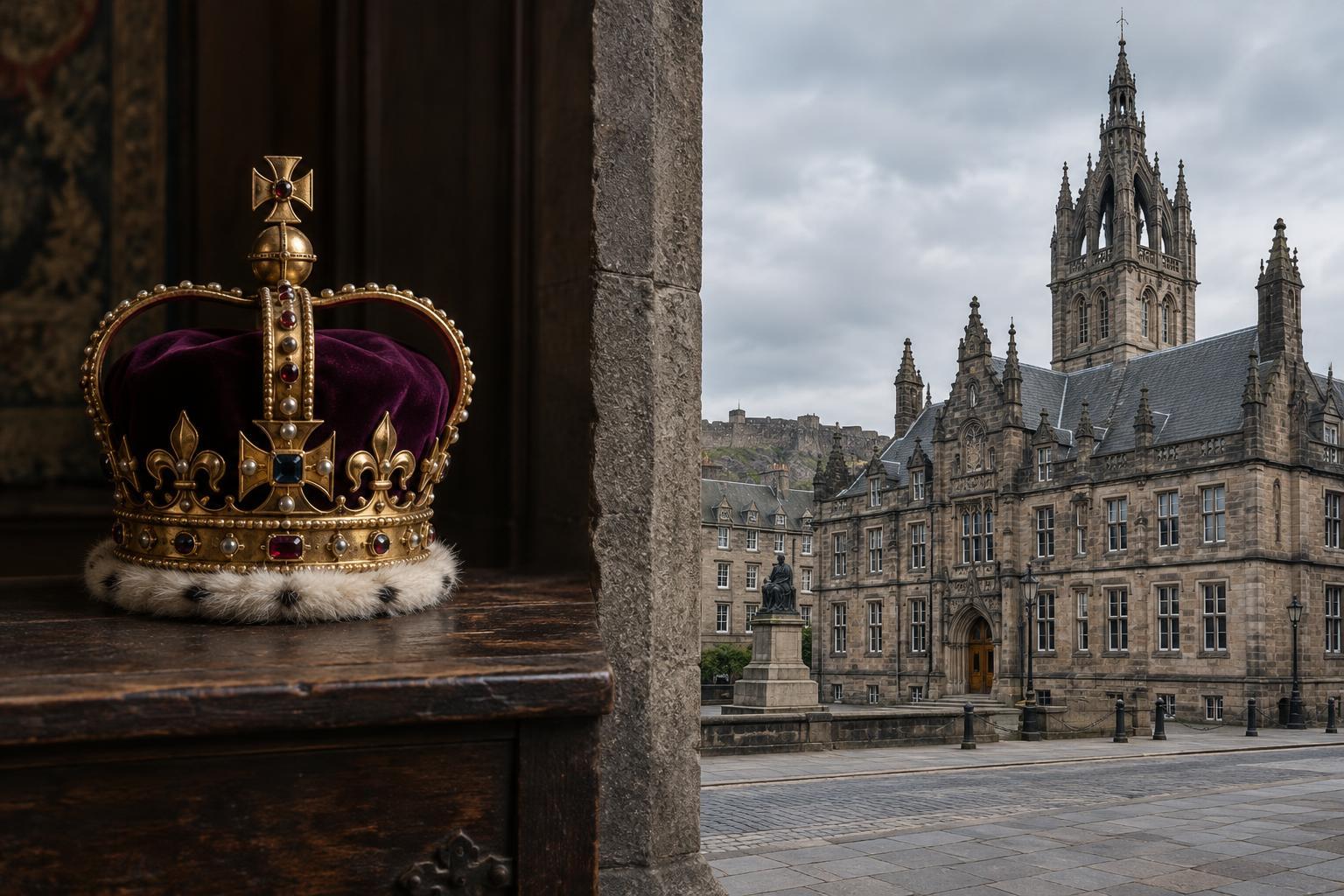
When Elizabeth I of England died without children in 1603, James VI of Scotland inherited the English throne and became James I of England. He was already king in Scotland. This succession put the crowns of Scotland and England on the same head, but it did not abolish either kingdom.
Scotland and England continued to have separate parliaments and distinct legal systems. Their churches also remained different: Scotland’s established church had a Presbyterian tradition, while the Church of England was governed by bishops. James favoured a closer union, but sharing a monarch did not by itself give one parliament authority over both kingdoms.
This arrangement is often called a personal union. It was not a promise that the kingdoms would always agree. A monarch could seek policies across both realms, while people and institutions in each realm could have different priorities. From 1603 until 1707, the relationship between the kingdoms changed and was sometimes strained, but the Scottish Parliament still existed.
1707: A shared parliament and a new kingdom
The Acts of Union, passed by the Scottish and English parliaments, took effect on 1 May 1707. They created the Kingdom of Great Britain and replaced the two parliaments with one Parliament of Great Britain at Westminster. Scottish representatives took seats there, but the Scottish Parliament no longer met as a separate legislature.
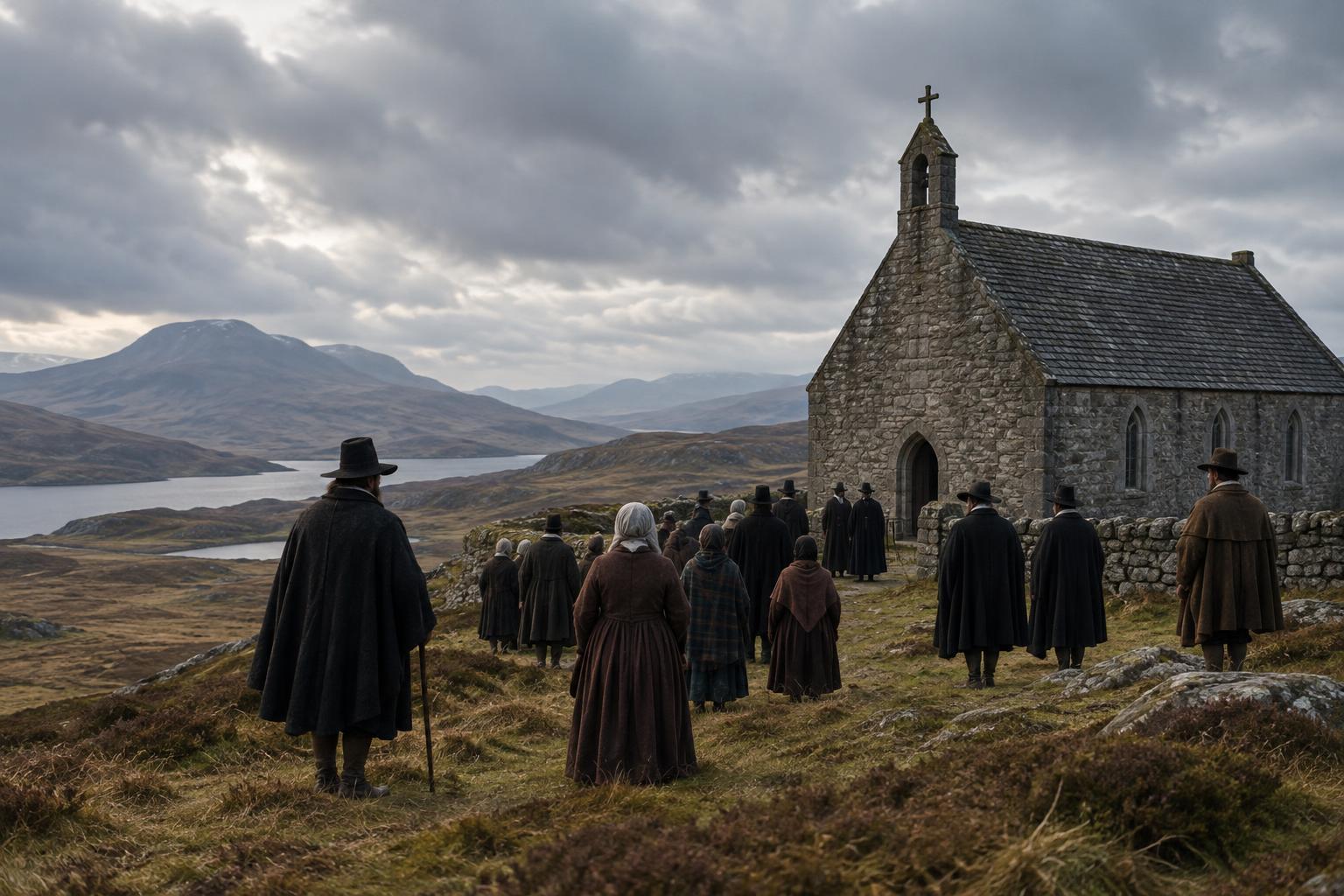
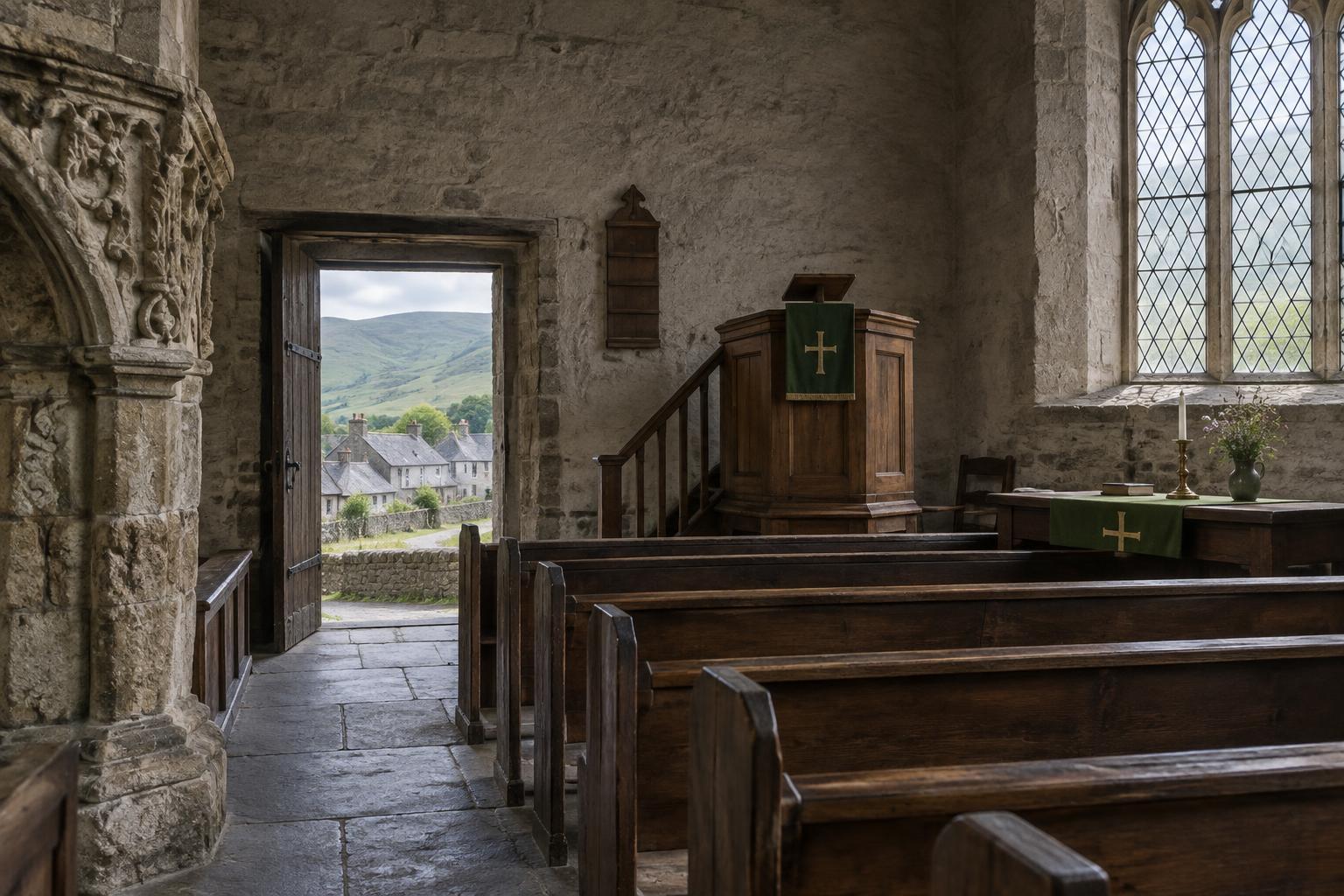
The union also established a common framework for trade between Scotland and England. It did not, however, make every institution identical. Scotland retained its distinct legal system and courts, and the position of the Church of Scotland was protected. English church arrangements were likewise protected. Scotland’s educational institutions and many local practices continued to have their own character.
The name Great Britain described this union of Scotland and England. Ireland was not included in the parliamentary union of 1707, although its crown had long been held by the same monarch. A later union involving Ireland took effect in 1801. Keeping these events separate avoids turning several centuries of constitutional change into a single moment.
Why was the 1707 union contested?
Support for union had more than one cause. For some in Scotland, access to English and overseas trade offered an opportunity, particularly after the costly failure of Scotland’s Darien colonisation scheme. Questions about succession and security also mattered. English leaders wanted to prevent Scotland from choosing a different successor to the shared throne, especially amid wider European rivalries.
Opposition was substantial, too. Many Scots feared the loss of their parliament and the reduction of their ability to shape decisions at home. People disagreed about whether the proposed economic advantages justified that political cost. Negotiations between governments and votes in parliament did not amount to a direct popular vote, and public reactions varied. Describing the union as either universally welcomed or universally imposed would flatten those divisions.
How to read the difference on screen
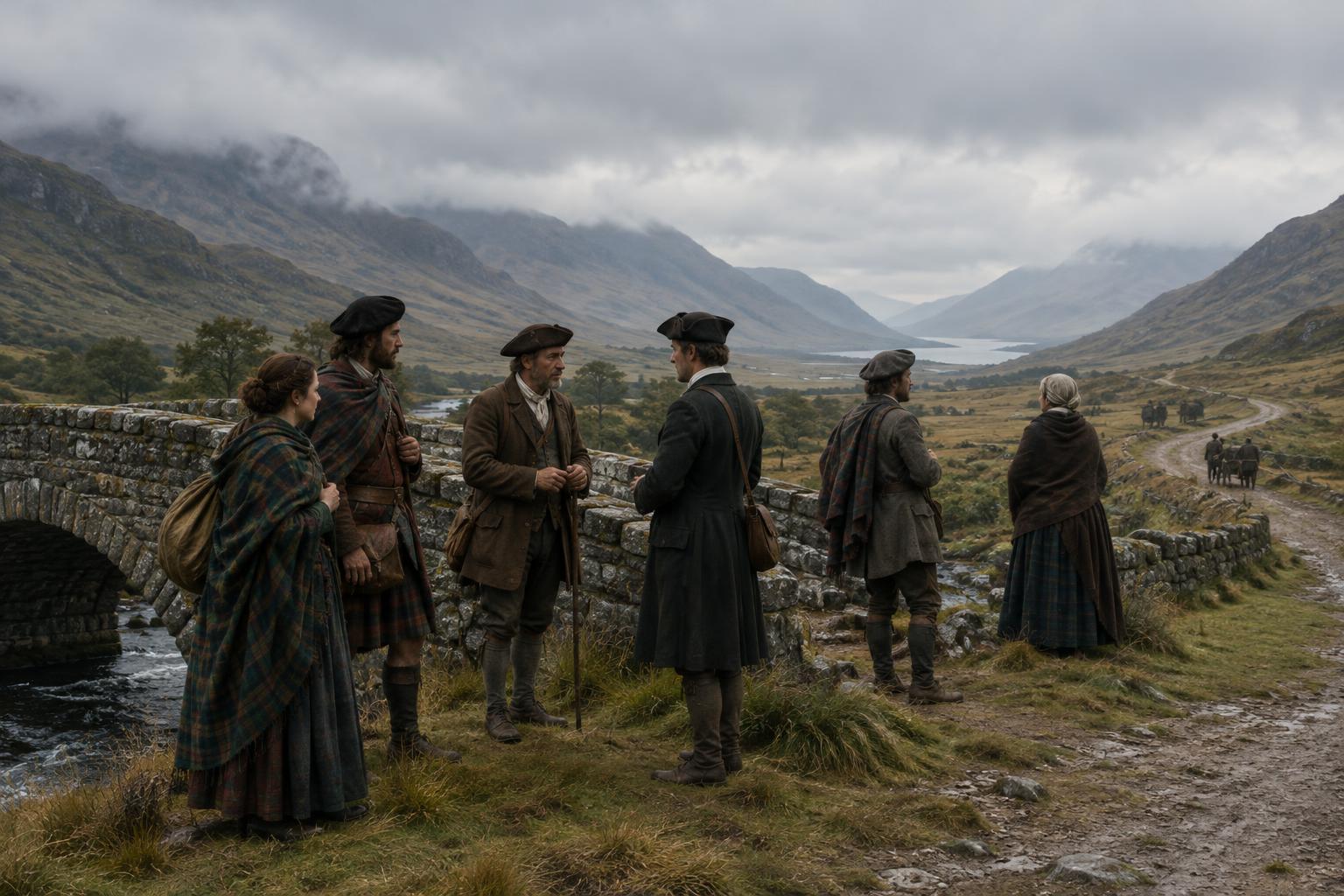
Film and visual storytelling often compress history into a map changing colour or a crown passing from one ruler to another. For 1603, a more revealing image would show two kingdoms connected through a monarch while their parliaments remain separate. For 1707, the parliamentary change belongs at the centre of the picture, alongside the Scottish institutions that endured.
Historic buildings, legal records and church spaces can help tell this story, but an image needs context. A surviving Scottish court does not mean the union had no effect; a Westminster chamber does not mean Scotland’s institutions disappeared. The clearest account holds both ideas together: 1603 joined the crowns, while 1707 joined the parliaments and created a new state without erasing every difference within it.