A succession crisis becomes a question of sovereignty
The crisis began before open war. Alexander III of Scotland died in 1286 without a surviving child, leaving his young granddaughter Margaret, known as the Maid of Norway, as his heir. She died in 1290 before taking up the throne. Several candidates then put forward claims to the Scottish crown, raising an urgent question: who had the authority to decide among them?
Edward I of England agreed to hear the competing claims in a process often called the Great Cause. He also asserted that he was Scotland’s overlord. That claim mattered as much as the choice of king. If Edward could act as a superior lord, the Scottish monarchy would not exercise its authority on equal terms with his. Scottish leaders seeking a settlement faced pressure to accept his role, but their participation did not settle the wider dispute over sovereignty.
John Balliol was chosen as king in 1292. His claim rested on descent through the senior line of the royal family; the Bruce family also had a substantial hereditary claim. Edward continued to demand obedience from Balliol, and relations broke down. In 1296 Edward invaded Scotland and Balliol was deposed. The issue was no longer only which claimant should wear the crown, but whether Scotland could choose and govern its own king without English control.
Resistance, Wallace and the first phase of war
Resistance took different forms after 1296. Scottish nobles, clergy and local forces did not always agree on leadership or strategy, and allegiance could shift under military and political pressure. William Wallace and Andrew Moray became prominent leaders of a rising in 1297. Their forces defeated an English army at Stirling Bridge that year, a victory shaped by the crossing itself as well as by Scottish tactics.
Wallace subsequently served as a Guardian of Scotland, but the Scottish defeat at Falkirk in 1298 weakened his position. Other Guardians continued the struggle. Wallace was captured and executed in 1305; his death did not end resistance. A chronology centred only on Wallace misses both Moray’s role and the longer contest over government, land and allegiance.
Robert Bruce and the limits of a battlefield victory
Robert Bruce’s path to the throne was contested. In 1306 he killed his rival John Comyn at Dumfries and was crowned king soon afterwards. The killing deepened divisions within Scotland, where support for Balliol and Comyn did not simply disappear. Bruce suffered early reverses, then gradually recovered territory and built support through campaigning and political negotiation.
In 1314 Bruce’s army defeated an English force at Bannockburn. The battle greatly strengthened his position, but it did not, by itself, secure English recognition of Scottish independence. War and diplomacy continued. In 1320 a letter sent from Arbroath to the pope argued for Scotland’s independence and Bruce’s kingship. Often called the Declaration of Arbroath, it is best read as a political appeal written for a particular audience, not as a complete record of what everyone in Scotland believed.
The 1328 Treaty of Edinburgh–Northampton brought English recognition of Bruce as king and of Scotland as an independent kingdom. It was a major diplomatic achievement, though the agreement did not remove rival claims or guarantee a lasting peace.
The second war and the Balliol claim
Bruce died in 1329, leaving his young son David II as king. Edward Balliol, son of the deposed John Balliol, pursued his family’s claim with support from English interests. His invasion in 1332 began what is commonly called the Second War of Scottish Independence. An English victory at Halidon Hill in 1333 placed David’s supporters under severe pressure, and the young king spent years in France.
The second war shows why the conflict cannot be told solely as Scotland against England. Balliol had Scottish supporters, while David II’s supporters defended a different royal line. The two sides also disagreed over the English king’s authority in Scotland. David returned, but was captured at the Battle of Neville’s Cross in 1346. His release in 1357 followed an agreement for a ransom. By then Balliol’s bid for the crown had faded, although disputes between the kingdoms did not vanish.
How to read the story through places and images
A useful chronology separates three questions: who claimed the crown, who held power on the ground, and who claimed authority over the kingdom itself. The answers changed at different speeds. Balliol’s selection did not resolve Edward I’s overlordship claim; Bannockburn did not produce an immediate treaty; and the treaty of 1328 did not prevent a renewed dynastic challenge.
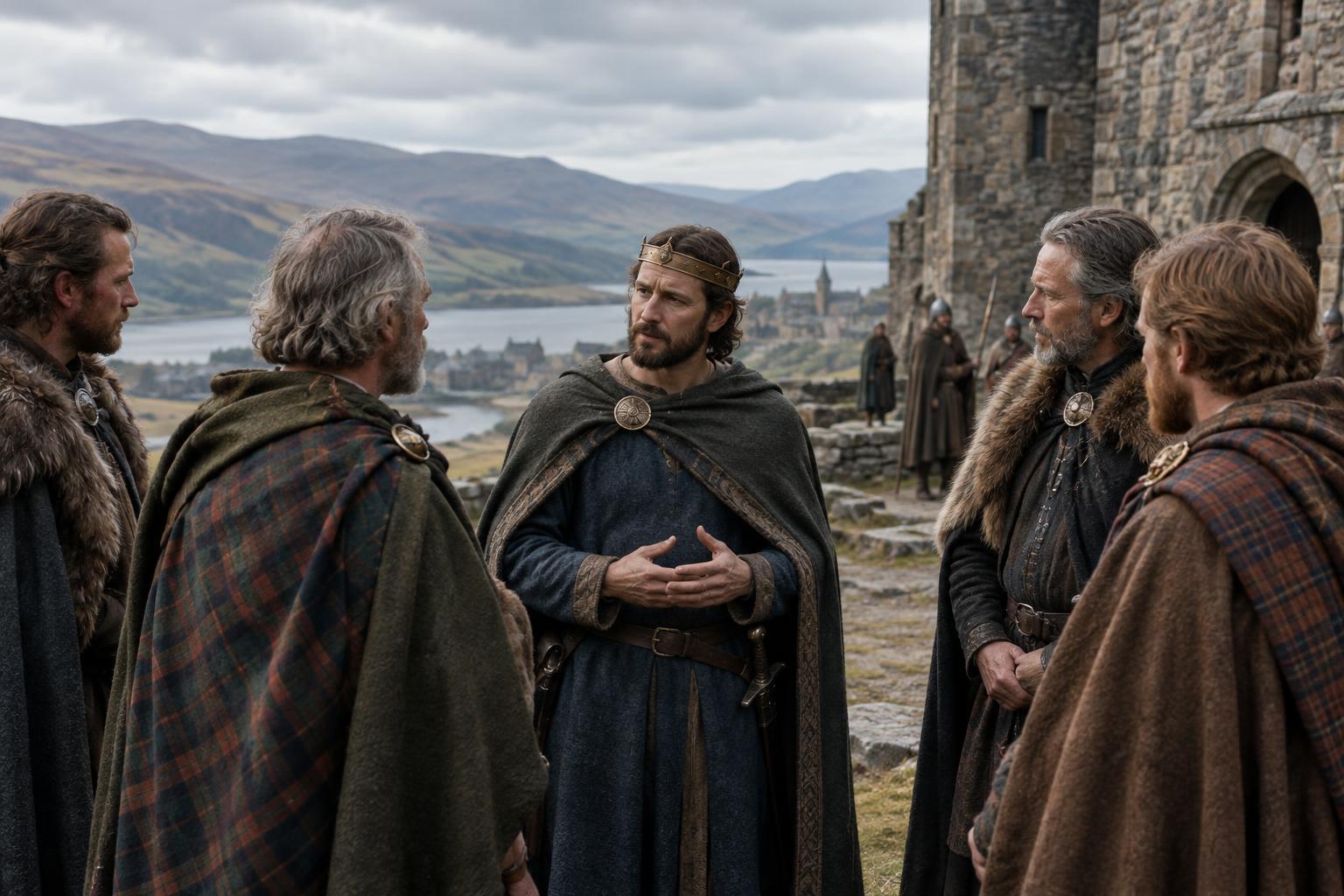
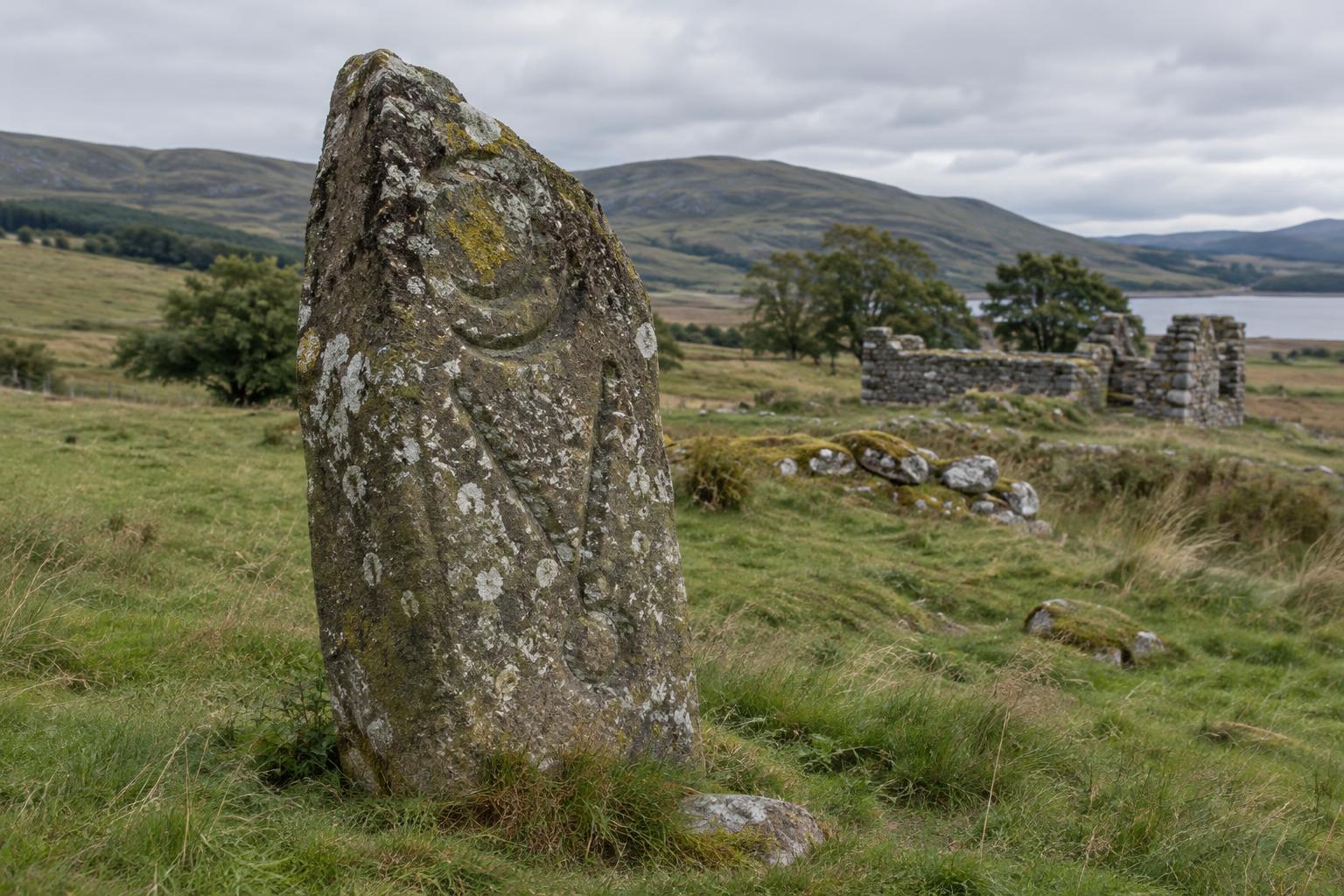
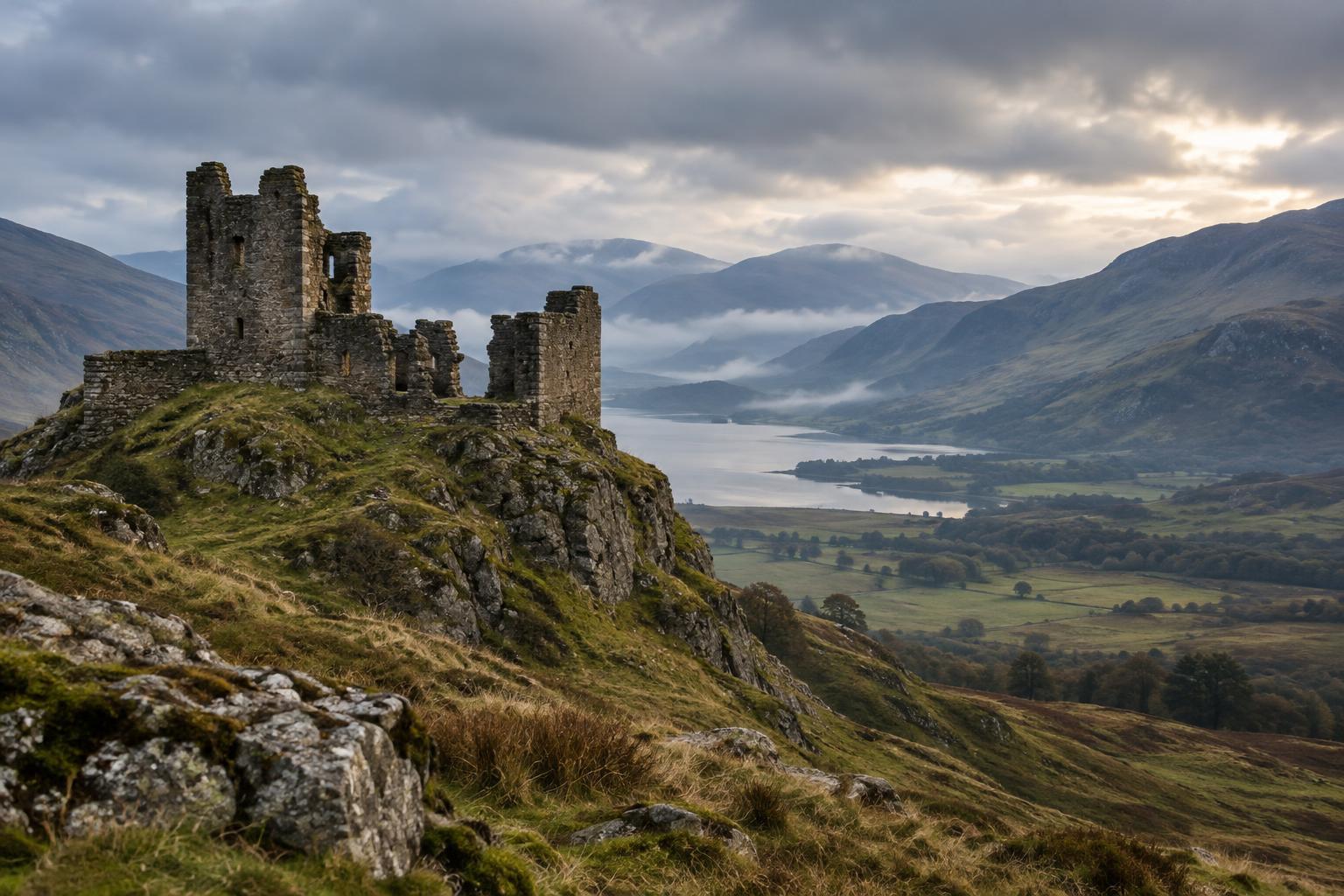
Castles, battlefields, charters and later depictions can each illuminate part of this history, but none tells the whole story alone. A film sequence set at Stirling Bridge, for example, may convey the danger of a contested crossing while simplifying the command structure or the years that followed. Treating such images as interpretations rather than direct windows onto the past makes room for the people, rival loyalties and unresolved claims behind the familiar scenes.