A turning point, not a single event
The Scottish Reformation is often associated with 1560, when Scotland’s Parliament approved a Protestant confession of faith and rejected papal authority. That year marked a decisive change in the direction of national religious policy. It did not, however, transform every parish or household at once. The new church had to establish ministers, organise worship and persuade or compel communities to follow its rules.
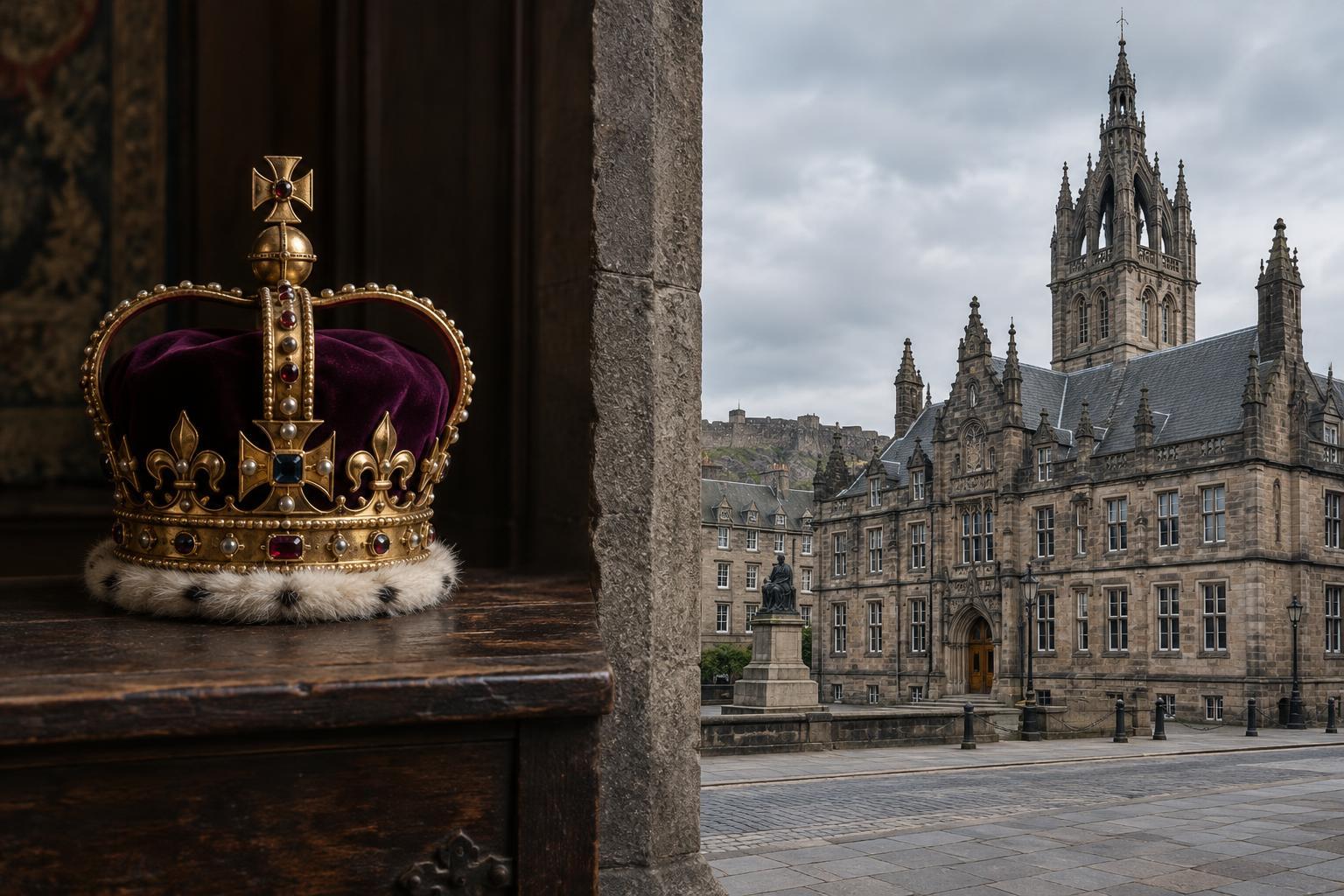
Religion and politics were already closely connected. Some nobles and towns supported reform, while others defended established Catholic practice or took more cautious positions. Mary, Queen of Scots, returned to Scotland in 1561 and continued to practise her Catholic faith, even as Protestant worship became increasingly established in much of the country. Her position illustrates a central tension of the period: a ruler’s beliefs, parliamentary decisions and local practice did not always align.
The settlement also left questions unresolved. Disputes over who should govern the church and how its resources should be used continued long after 1560. Understanding the Reformation means looking beyond the moment of political change to the slower process of putting it into effect.
What changed inside the church
For worshippers, one of the clearest changes was the shift from the Catholic Mass to Protestant services centred on preaching, prayer and the reading of scripture. Reformers wanted people to hear and understand religious teaching, rather than rely on ceremonies they believed lacked scriptural authority. The Bible and sermons therefore took a more prominent place in public worship.
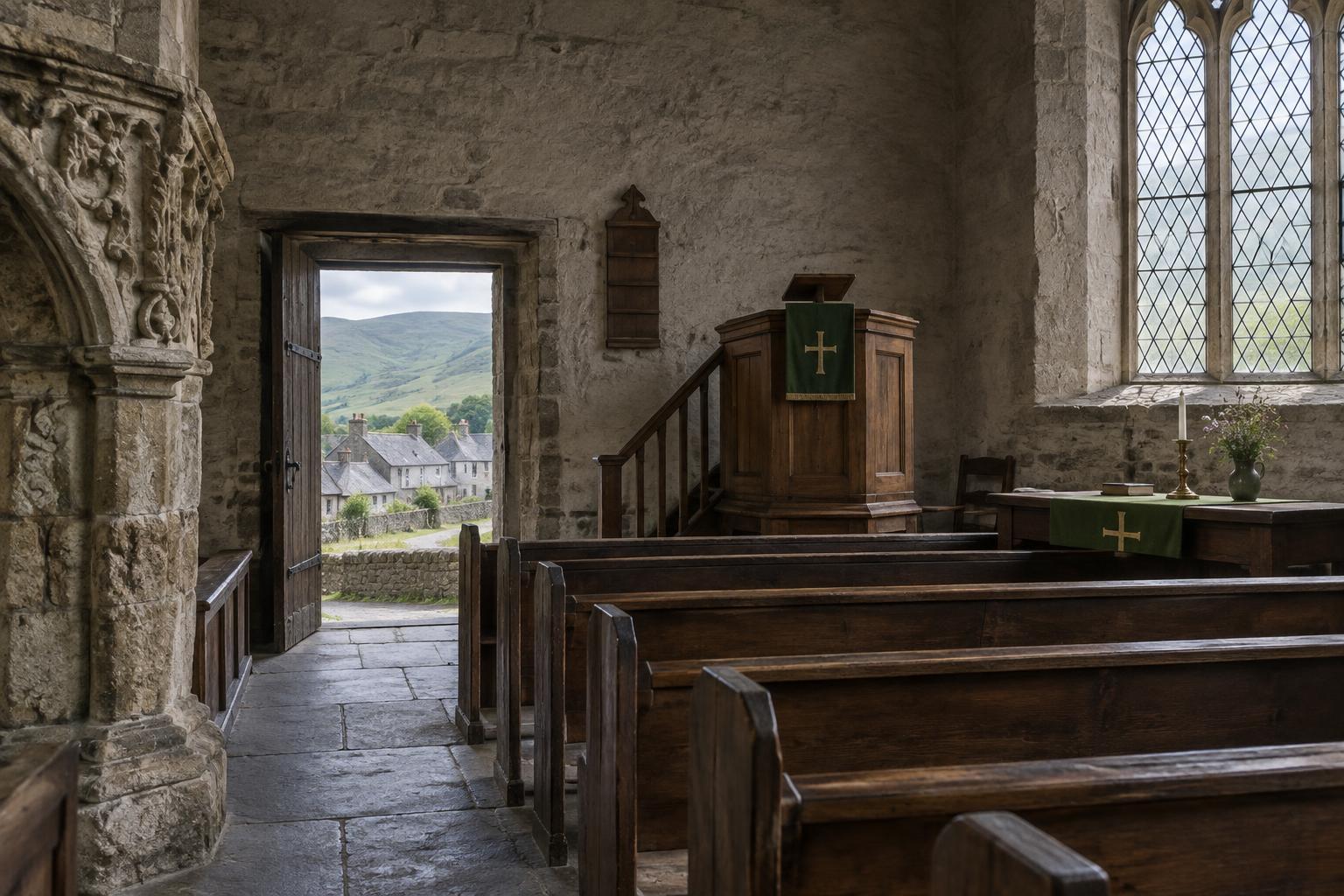
Church buildings could change too. Religious images, altars and other fittings associated with Catholic worship were removed or altered in many places. Yet the pace and extent of change depended on local circumstances. A surviving building may show traces of several periods, and an apparently plain interior should not automatically be treated as a complete picture of sixteenth-century worship.
The reformers also sought an organised national church, or kirk. Their ambitions were larger than the resources available: trained ministers were scarce, and plans for religious instruction could be difficult to carry out. The forms of church government familiar from later Scottish history developed through further argument and change, rather than arriving fully formed in 1560.
Power, property and the question of authority
The Reformation raised a practical political question: who would control institutions and property formerly connected to the Catholic Church? Reformers hoped church resources would support ministry, education and care for the poor. Nobles, landholders and the crown also had interests in those resources. The resulting arrangements did not simply match the reformers’ plans.
Religious allegiance could affect political alliances, but it is misleading to divide everyone into two fixed camps. Decisions might reflect family ties, local rivalries, convictions and concerns about royal authority. Over subsequent decades, arguments about bishops, ministers and the powers of the monarch continued to shape Scottish public life.
For readers encountering this history through a castle, abbey or ruined church, the visible remains tell only part of the story. Buildings can reveal changes in ownership and use, but they cannot by themselves explain what an individual believed. Records and local context help connect physical traces to the people who lived through the upheaval.
The Reformation in homes and communities
The new kirk’s ambitions extended beyond Sunday services. In many areas, local church courts known as kirk sessions monitored conduct, addressed disputes and dealt with matters such as marriage, sexual behaviour and attendance at worship. Their records can offer vivid glimpses of community life, though they reflect the concerns of those recording and judging cases rather than every aspect of ordinary experience.
Instruction in the faith became an important goal. Ministers and other reformers encouraged learning through sermons, catechisms and schools, but access to teaching varied. Changes to marriage, burial and other familiar rituals could be deeply felt, even when the surviving evidence does not tell us exactly how every family responded.
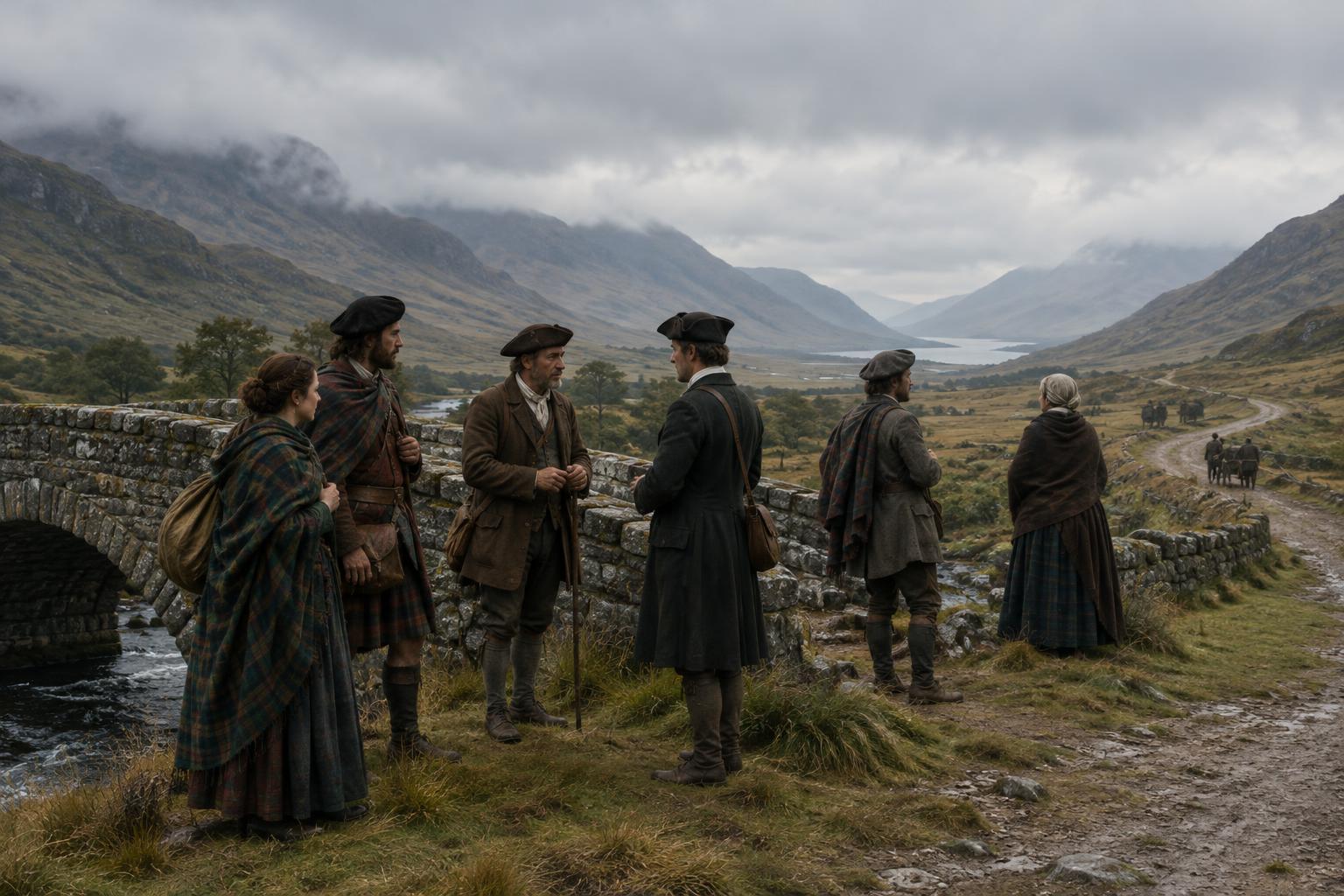
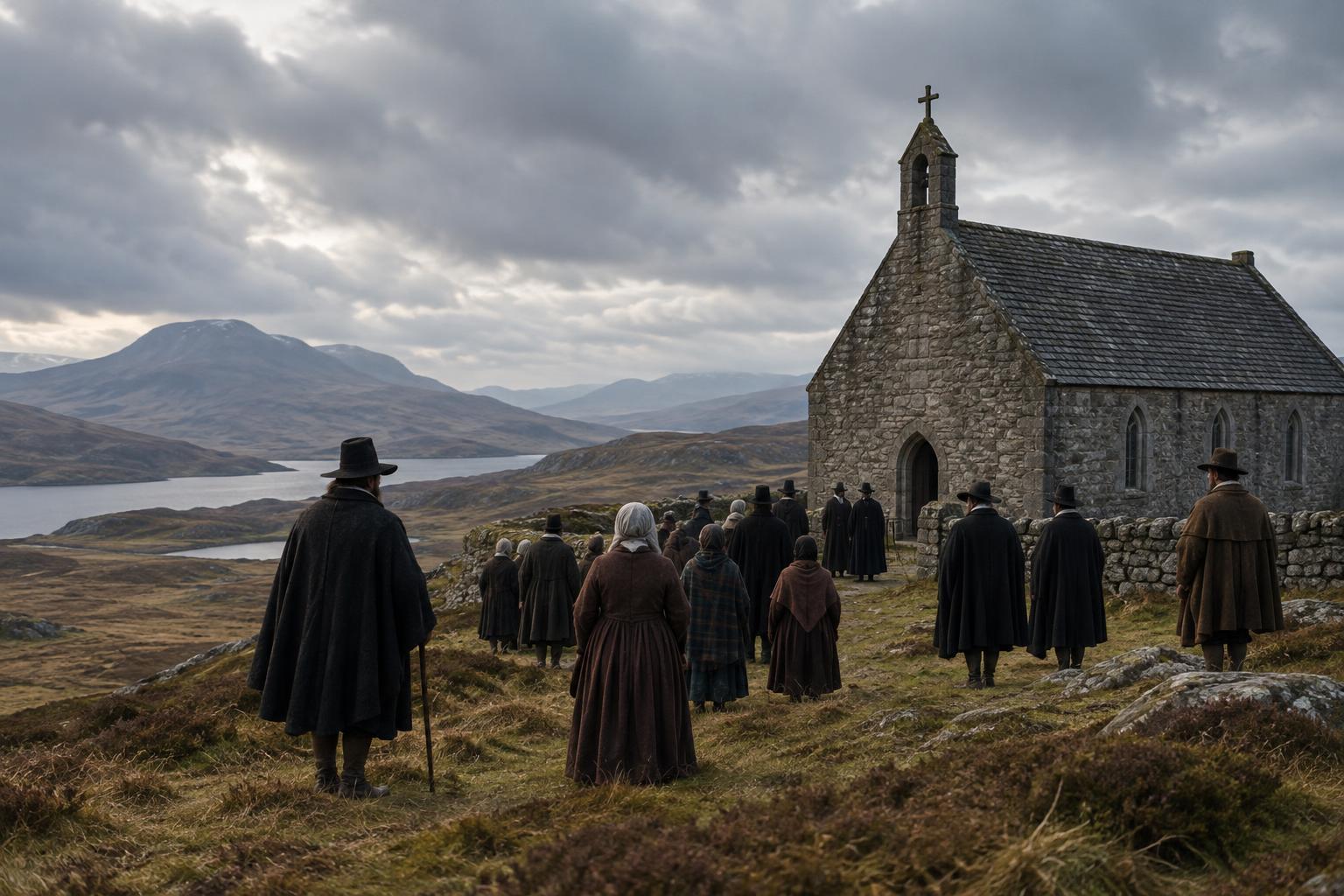
The effects were uneven across Scotland. Geography, language, the availability of ministers and the strength of local traditions all mattered. Catholic practice did not disappear everywhere, and people could adapt to new public expectations in different ways. Women and men encountered these changes through their households and communities as well as through national politics.
Seeing change without simplifying it
Film and visual storytelling often need a recognisable scene to represent an era: an emptied church, a sermon or a debate among nobles. Each can illuminate something important, but none captures the Reformation on its own. A church interior might suggest a change in worship while concealing years of negotiation over ministers, money and local custom.
A more useful question to ask of any image, historic site or documentary reconstruction is what it can actually show. Is it evidence from the period, a later alteration or a modern interpretation? Keeping those distinctions clear makes room for both the drama of 1560 and the quieter changes that followed. Scotland’s Reformation was a struggle over belief and authority, lived out at different speeds in churches, political institutions and everyday life.