Begin with a contested crown
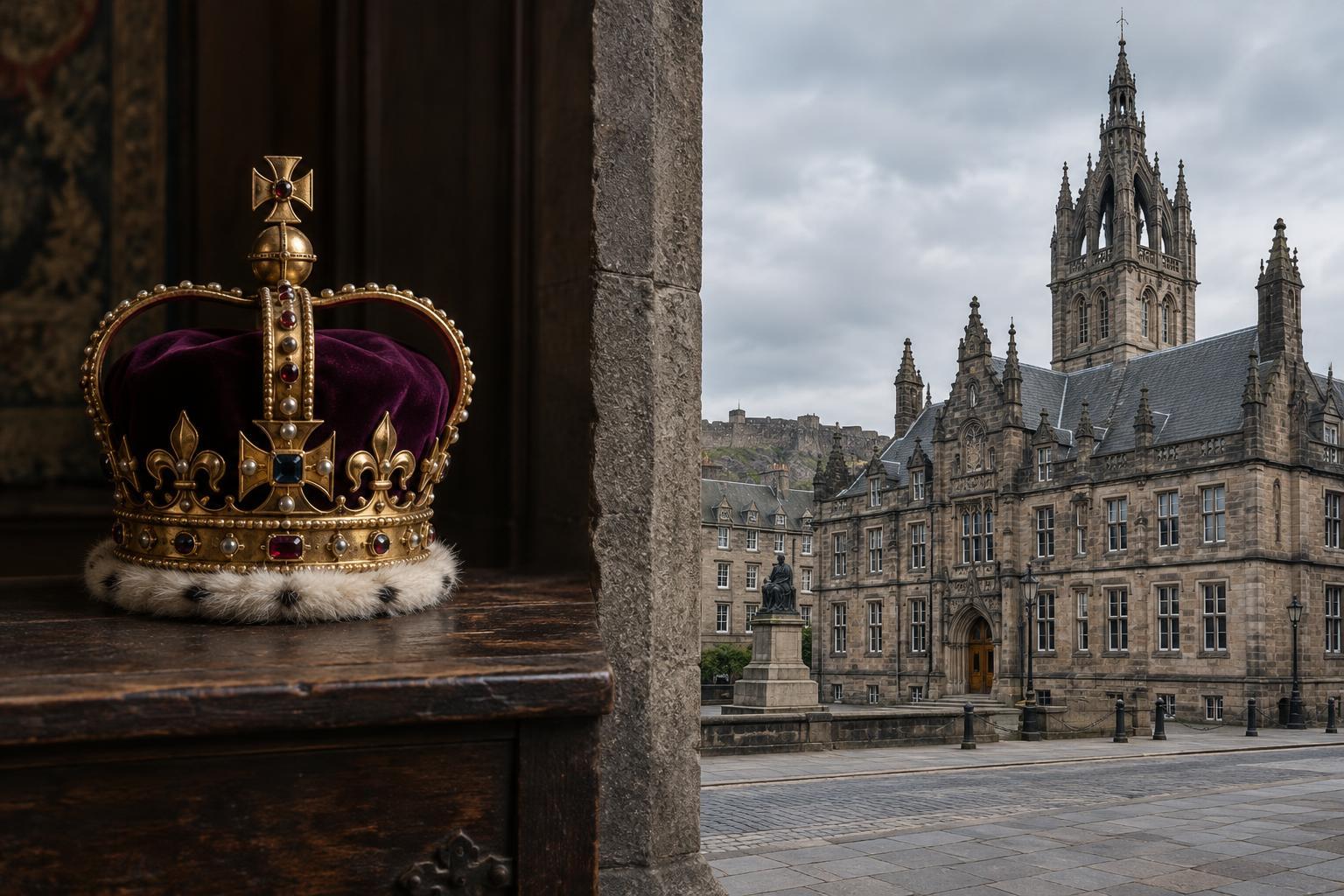
The Jacobite risings are often told as a struggle between Scotland and England. That version is easy to picture, but it obscures the central question: who had the right to rule? Jacobites supported the restoration of the exiled Stuart line after James VII of Scotland and II of England was removed from power in 1688. Their opponents supported the succeeding governments and, later, the Hanoverian monarchy. The dispute touched questions of inheritance, religion and the authority of Parliament as well as loyalty to a particular ruler.
There was no single rising or unified Jacobite programme. Armed challenges occurred at different moments, notably in 1689, 1715 and 1745, under changing political circumstances. A person’s reasons for taking a side could depend on religious belief, family ties, local rivalries or hopes for a different political settlement. Others tried to stay out of the fighting. Describing all these choices as national allegiance flattens a much more complicated history.
Scotland was divided, and the conflict crossed borders
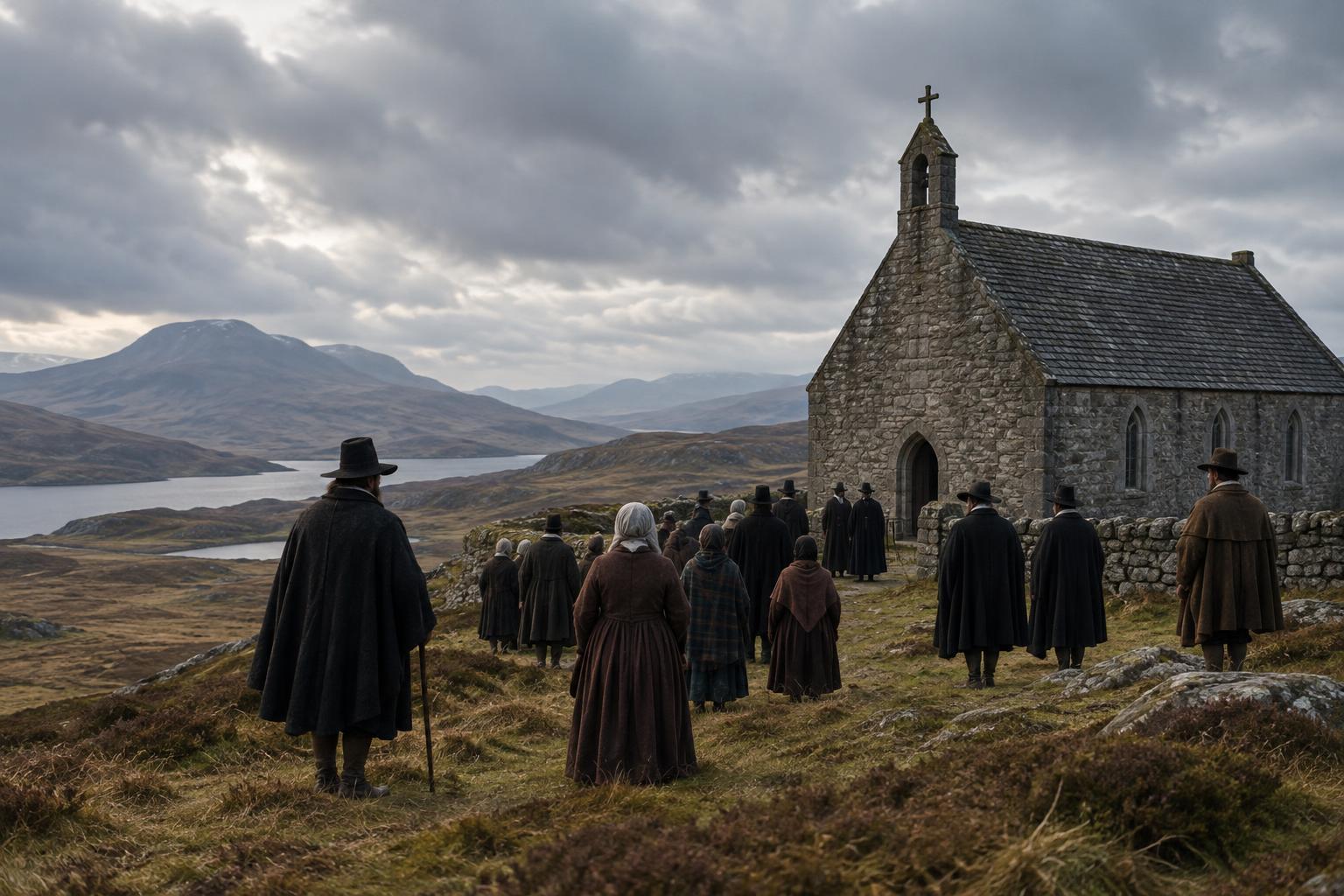
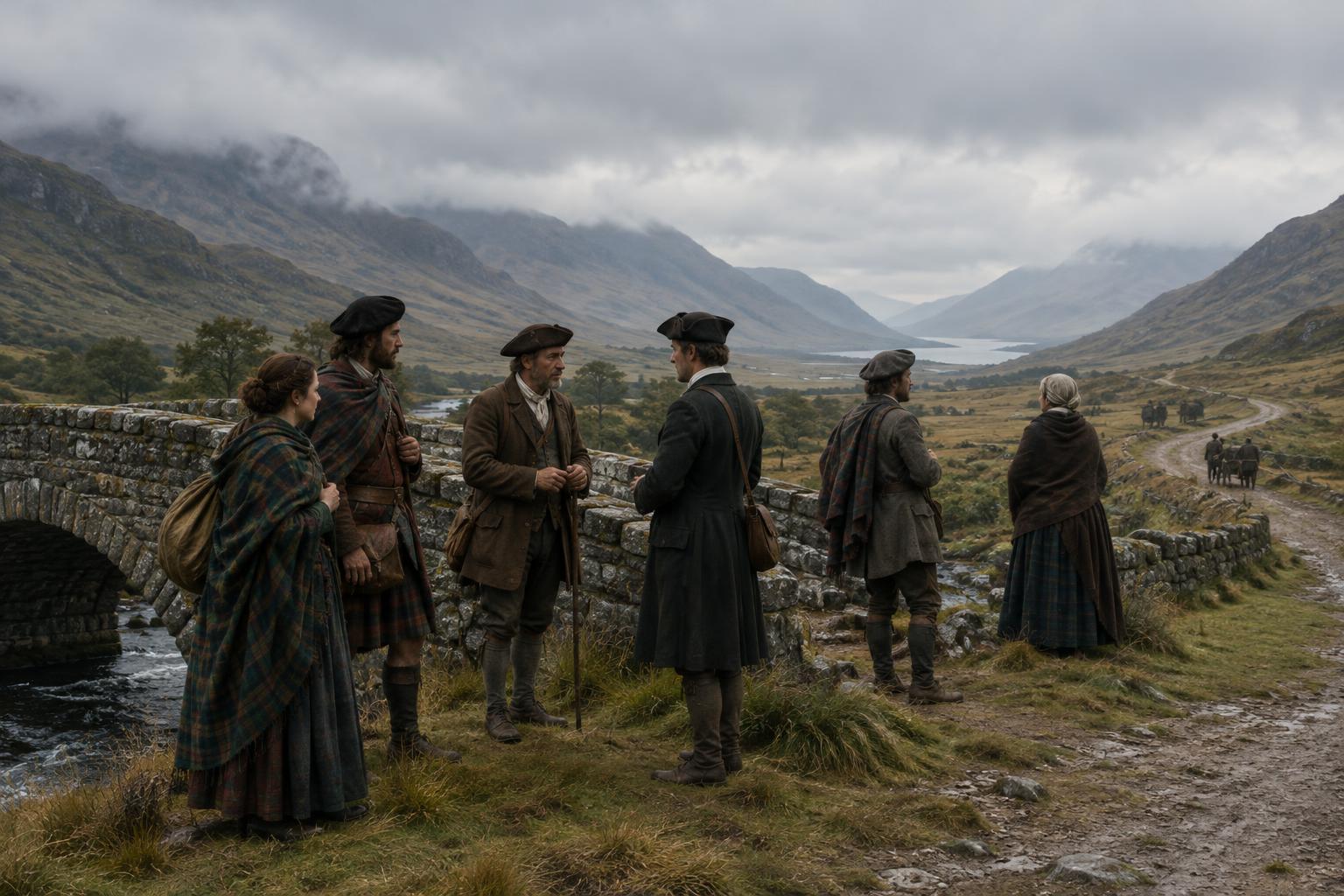
Many of the best-known Jacobite images come from the Highlands, where kinship networks and local leadership helped mobilise supporters. Yet neither Highland communities nor Scotland as a whole stood on one side. Scots also served the government, and some opposed the Stuarts for religious or political reasons. The 1707 Union added another source of argument: some Jacobites wanted it undone, but opposition to the Union did not automatically make someone a Jacobite.
Jacobitism also extended beyond Scotland. It had supporters in England and Ireland, while the exiled Stuarts sought help from powers on the European continent. Government forces likewise drew on people from across Britain. The opposing armies at Culloden in 1746 cannot be understood as a Scottish army facing an English one. Thinking across borders helps explain why the movement lasted for decades and why its prospects were tied to events well beyond any single Highland glen.
The 1745 rising: momentum and limits
The final major rising began when Charles Edward Stuart landed in Scotland in 1745 to advance his father’s claim to the throne. His forces gained support, took Edinburgh and won at Prestonpans. They then marched into England, reaching Derby before turning back. The retreat was not simply a loss of courage: leaders faced uncertainty about reinforcements, government forces and how much support they could count on farther south.
Government forces defeated the Jacobite army at Culloden in April 1746. That battle became a powerful symbol, but it was the end of a campaign, not a complete explanation of it. Concentrating only on the final clash can hide the movement’s earlier successes, its logistical difficulties and the different calculations made by its participants. It can also make defeat seem inevitable, when those involved had to act without knowing how events would turn out.
What happened after Culloden
The government’s response went far beyond the battlefield. It included military pursuit, punishment of participants and measures intended to weaken the social and military structures associated with rebellion. Restrictions on weapons and aspects of Highland dress became part of a wider effort to prevent another rising. Their effects were not uniform: communities had differing relationships to the Jacobite cause, yet many lived with the consequences of suspicion and state intervention.
Culloden should not, however, be made the single cause of every later change in Highland life. Landholding, work and migration changed over a long period for multiple reasons. The later Highland Clearances have their own histories, even though accounts of Jacobitism and the Clearances are sometimes woven together. Keeping these histories connected but distinct makes room for both the immediate human cost of the rising and the longer transformations that followed.
Reading the images without losing the people
Portraits, tartan, ruined strongholds and views of Culloden Moor can draw us into this history. They can also suggest a tidier story than the evidence supports: heroic rebels on one side, faceless authority on the other. A useful question for any image is what it actually documents. Was it made during the events it depicts, or later as an act of memory? Whose point of view does it centre, and whose choices remain out of frame?
For filmmakers and visitors alike, the strongest account is not necessarily the most dramatic one. Set a battlefield within the wider campaign; identify people by their particular loyalties rather than assuming them from where they lived; and distinguish a surviving object or document from a later reconstruction. The Jacobite risings still offer compelling stories when told this way. Their complexity reveals more, not less, about Scotland’s place in a shared and contested history.