What does “the Clearances” describe?
The Highland Clearances refers to a long period of changes in landholding and settlement across the Highlands and Islands, chiefly from the late eighteenth through the nineteenth century. On some estates, tenants were removed from inland farms as landowners reorganised holdings for sheep grazing or other commercial uses. Some displaced families were offered smaller plots elsewhere on an estate, often near the coast. Others left their district or emigrated overseas. These experiences were connected, but they were not identical.
The term is useful because it names a profound disruption. It can also flatten differences if it suggests a single campaign unfolding in the same way everywhere. Decisions made by landlords and estate managers, the position of tenants and the options available to a household all mattered. To understand a particular clearance, it helps to ask who controlled the land, who had to leave, where they went and what choices they could realistically make.
Eviction, resettlement and migration are not interchangeable
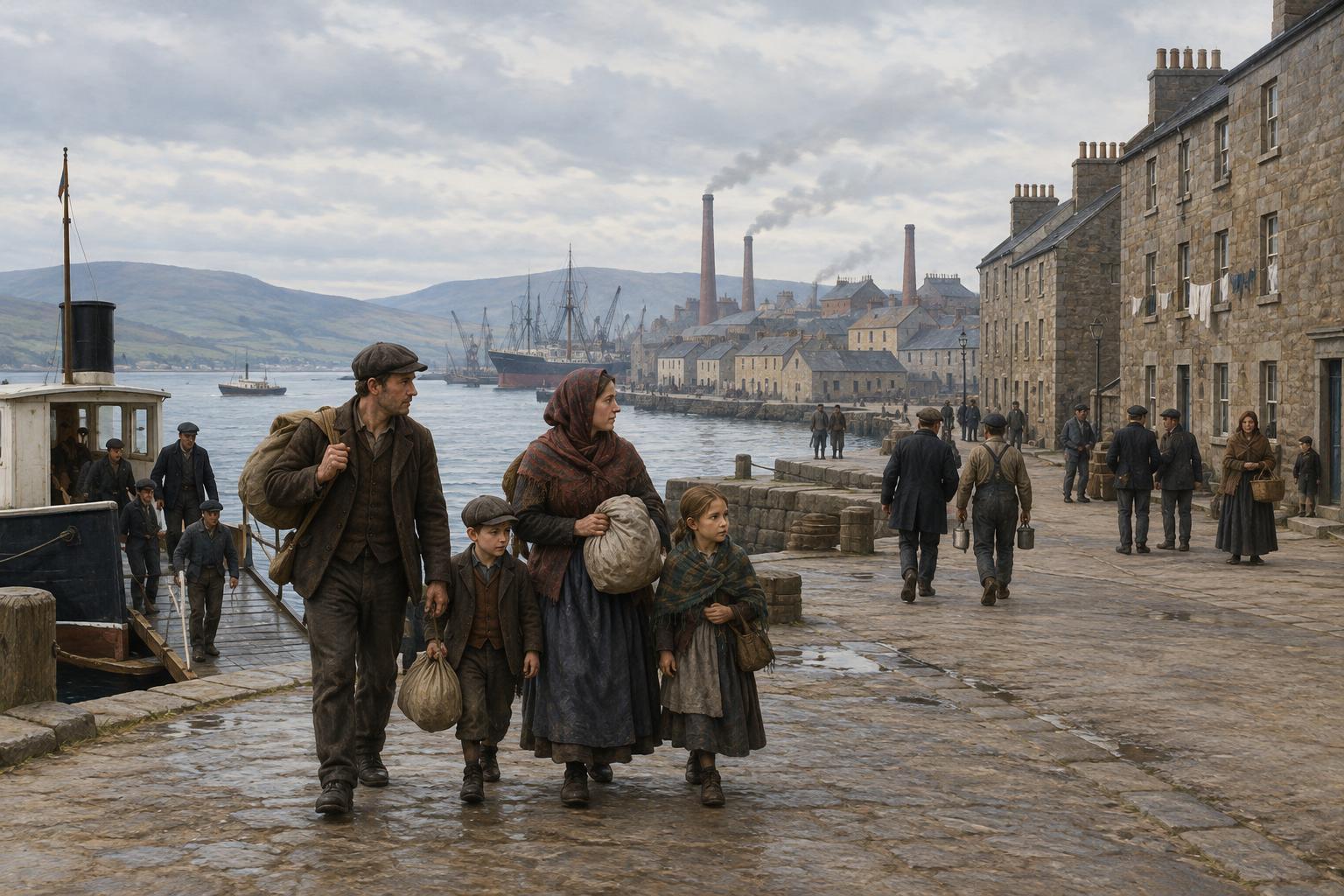
Eviction means removal from a home or holding, usually at the direction of someone with power over the tenancy. It is the clearest form of compulsion in the history of the Clearances. Resettlement could follow an eviction: a family might be moved from a farm to a coastal croft, a small plot that often could not support a household without other work. Being given another place to live did not erase the loss of land, livelihood or community ties.
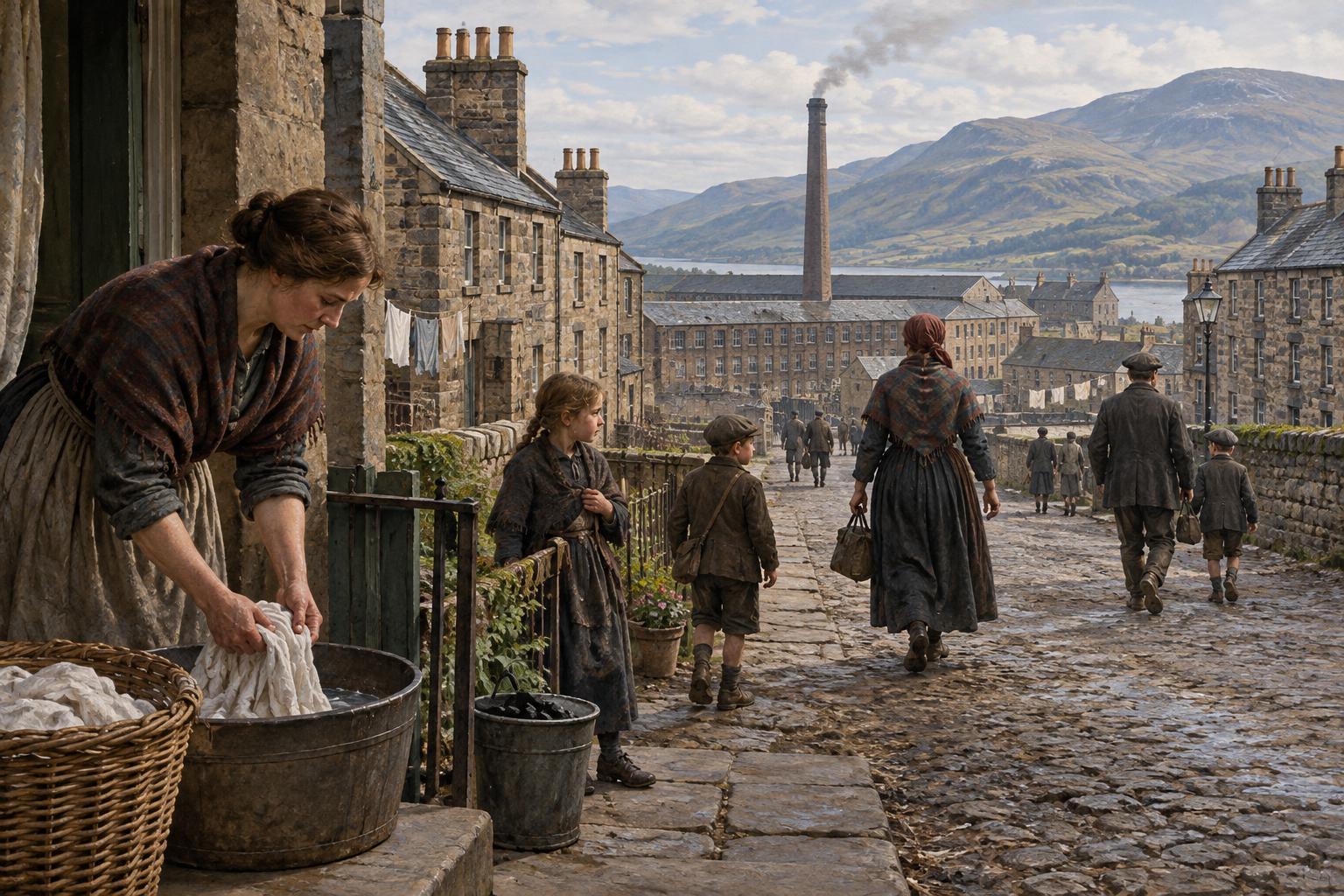
Migration describes a move rather than its cause. People left for other parts of Scotland, industrial towns, the Lowlands or destinations overseas for varied reasons. Some sought wages or opportunities; some faced rent pressure, limited land or the aftermath of eviction. A person might have arranged their own journey while still acting under severe economic constraint. Conversely, not every Highland migrant had been evicted. Keeping these distinctions in view prevents both an overly simple story of free choice and an assumption that every departure happened by direct force.
Why experiences differed from region to region
The Highlands and Islands contained different landscapes, economies and patterns of settlement. An inland district reorganised for large sheep farms could experience change differently from an island community dependent on a mix of crofting, fishing and seasonal work. Coastal resettlement created new pressures where too many households had to rely on limited land and uncertain earnings. Elsewhere, tenancy arrangements and the pace of estate change produced different outcomes.
Timing matters as much as geography. The well-known removals on parts of the Sutherland estates in the early nineteenth century are important to study, but they should not stand in for every district. Later hardship, including the potato failures of the 1840s, affected communities already living with limited resources and could shape subsequent departures. Local circumstances also differed within a region: two neighbouring households might have held different tenancies or had different access to work and family support. A regional account is strongest when it stays close to a particular place and period.
How to read the evidence without losing sight of people
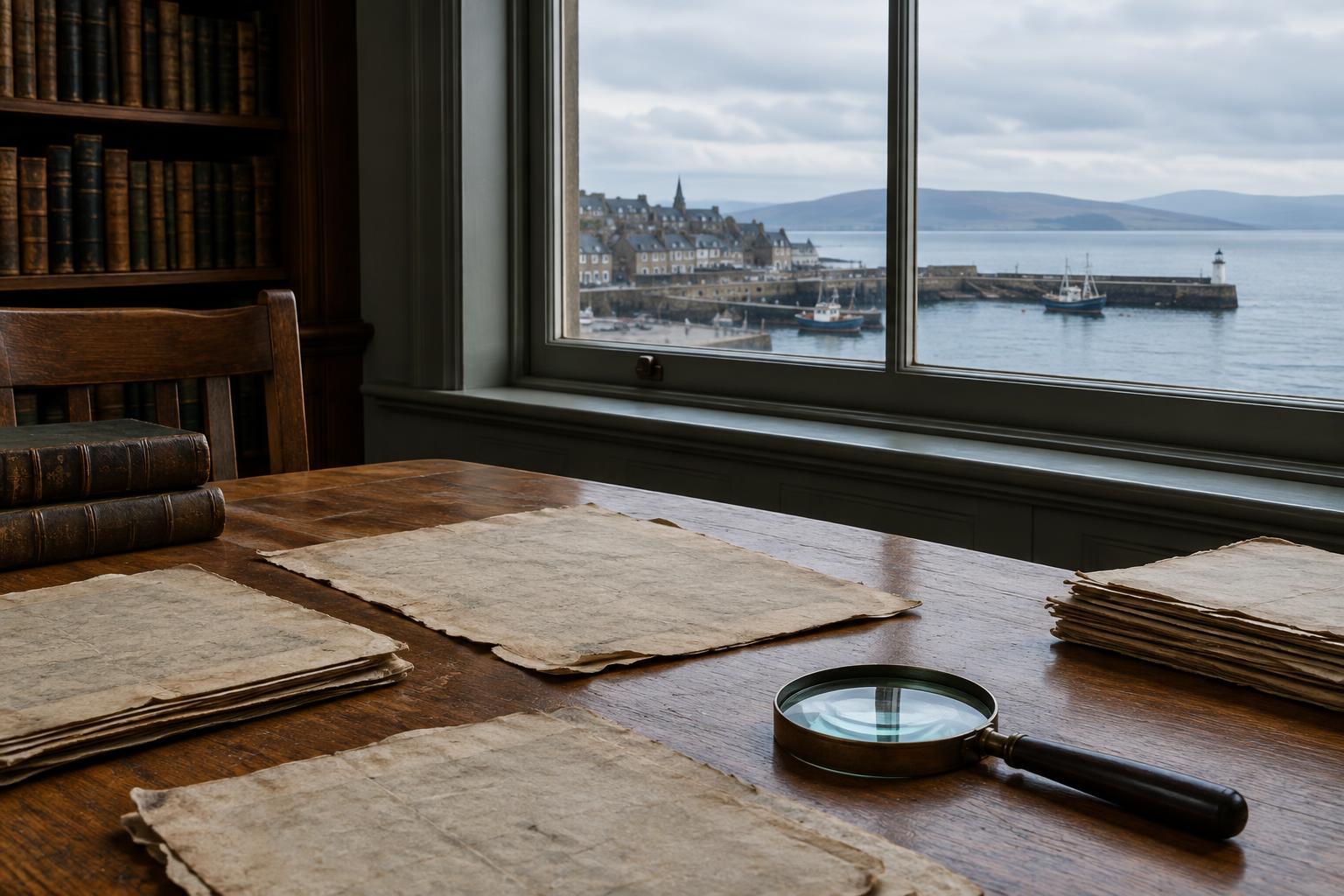
Estate records can help trace rents, tenancy changes and plans for land use. Maps may show altered boundaries or settlements, while population records can suggest where numbers rose or fell. None of these sources tells the whole story alone. An estate document may explain an owner’s intentions without conveying how a household experienced a move. A change on a map does not, by itself, establish why every resident left.
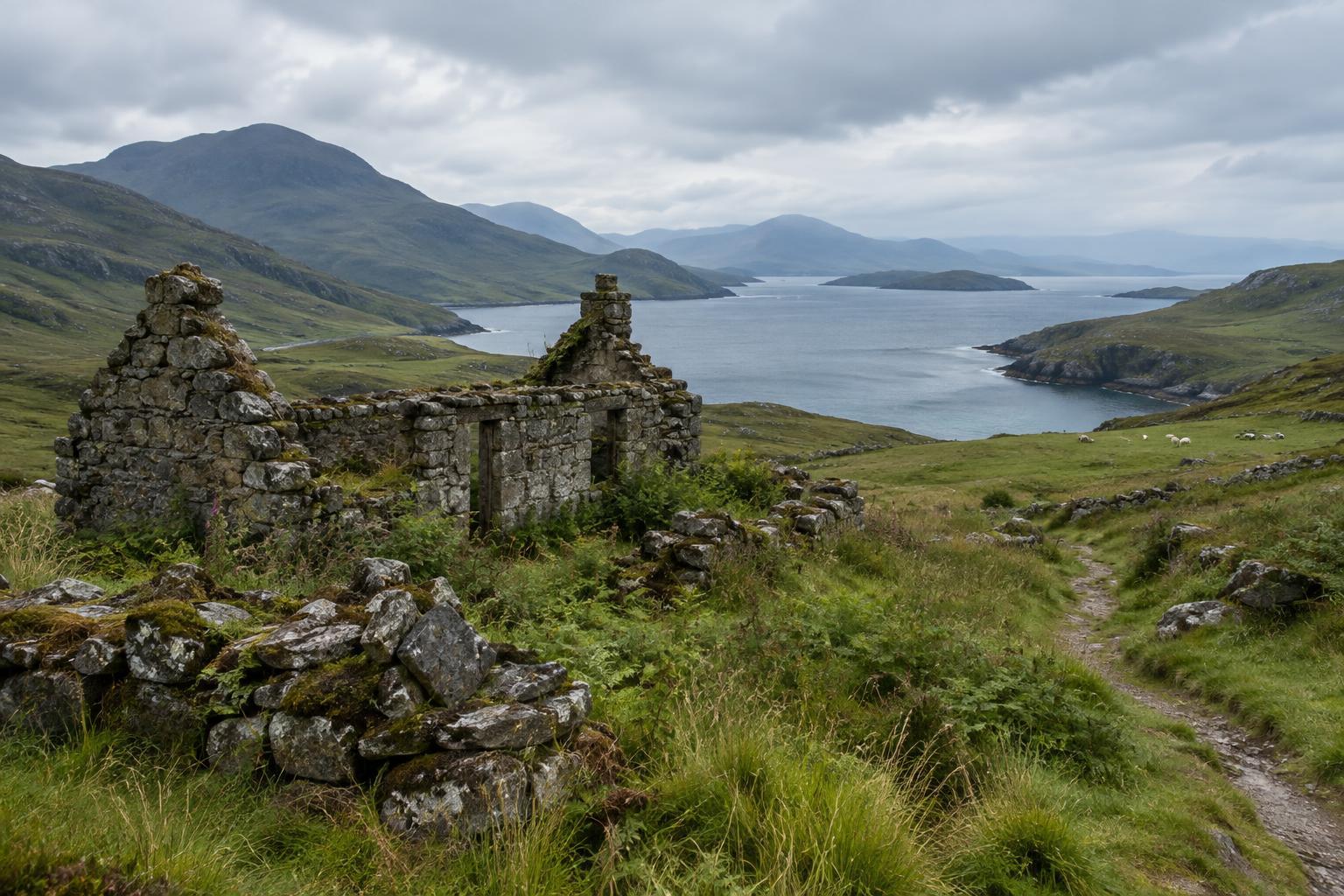
Letters, testimony, local histories and later family accounts can add perspectives on loss, adaptation and disagreement. They also need to be read with attention to when they were created and whose voice they preserve. For a documentary or visual essay, a landscape shot can locate the viewer, but it cannot serve as evidence of a specific eviction. Captions and narration should distinguish a documented event from an illustration of the wider setting, and any recreated image or scene should be identified as such.
A more useful way to tell the story
Start with a place rather than a sweeping claim. Identify the landholding and the period, then trace what happened to particular settlements where the evidence allows. Was a household evicted, moved to another holding, or recorded later in a different location? What work might have been available after the move? If the record does not establish a person’s motive for leaving, say so instead of supplying one.
This approach does not diminish the harm caused by forced removals. It makes that harm more legible by showing what was taken away and what followed. It also leaves room for the histories of people who stayed, rebuilt livelihoods or chose to move under circumstances that were neither entirely free nor wholly dictated. The Clearances are part of Scottish history precisely because they connect decisions about land to the lives of communities. Their regional differences are not a distraction from the story; they are how the story becomes clear.