What devolution meant for Scotland
Devolution is the transfer of certain decision-making powers from the UK Parliament at Westminster to an elected institution in Scotland. It is not the same as independence: Scotland remains part of the United Kingdom, while its Parliament makes laws in areas assigned to it. That distinction is essential to understanding the debates and referendums that led to the Parliament’s creation.
Calls for Scottish self-government long predated the 1970s. By that decade, arguments about how Scotland should be governed had become harder to set aside. Supporters of devolution wanted decisions on domestic matters made closer to the people affected by them. Others questioned whether a new assembly was needed or how it would work alongside Westminster. The first referendum did not settle those disagreements.
Why the 1979 vote did not produce an assembly
The Scotland Act 1978 set out a plan for an elected Scottish Assembly with limited powers. Voters were asked in a referendum on 1 March 1979 whether they wanted its provisions brought into effect. A narrow majority of those who voted said yes. On its own, however, a majority of votes cast was not enough under a rule added to the legislation.
That rule required support from at least 40 percent of the entire registered electorate, not merely a majority of people who turned out. Because turnout was well below 100 percent, the yes vote fell short of that threshold. The proposed assembly was not established, and the 1978 Act was subsequently repealed.
The result is easy to misstate as a simple rejection of devolution. It was neither a no majority nor an unqualified mandate for an assembly. More people voted yes than no, but the proposal failed the legal test Parliament had set. Keeping both facts in view helps explain why the 1979 referendum remained a point of contention in later debates.
The campaign between the two referendums
The absence of an assembly did not end the argument about Scottish self-government. During the 1980s and 1990s, campaigners, political parties, churches, trade unions and civic groups continued to discuss what a Scottish legislature should do and how it should be elected. Their views were not identical, but the sustained discussion helped turn a broad demand for change into a more detailed proposal.
The Scottish Constitutional Convention, established in 1989, brought together many of those groups and developed plans for a Parliament. It did not represent every political position: the Conservatives did not take part, and the Scottish National Party did not join its work. Its significance lies in the framework it helped build, rather than in any claim that Scotland had reached complete agreement.
After the 1997 UK general election, the new Labour government put devolution to another referendum. This time, voters answered two questions: whether Scotland should have a Parliament, and whether that Parliament should have limited power to vary income tax. Both proposals received majority support. The second question mattered because it made clear that the proposed institution would have a measure of responsibility for raising revenue, as well as spending it.
From referendum to the first Scottish Parliament
The Scotland Act 1998 provided the legal basis for the new Parliament. Rather than listing every subject it could address, the Act identified matters reserved to the UK Parliament. Defence and foreign affairs remained at Westminster, while the Scottish Parliament gained law-making powers across many domestic areas, including health, education and aspects of justice. The division was substantial, but it did not make Scotland independent.
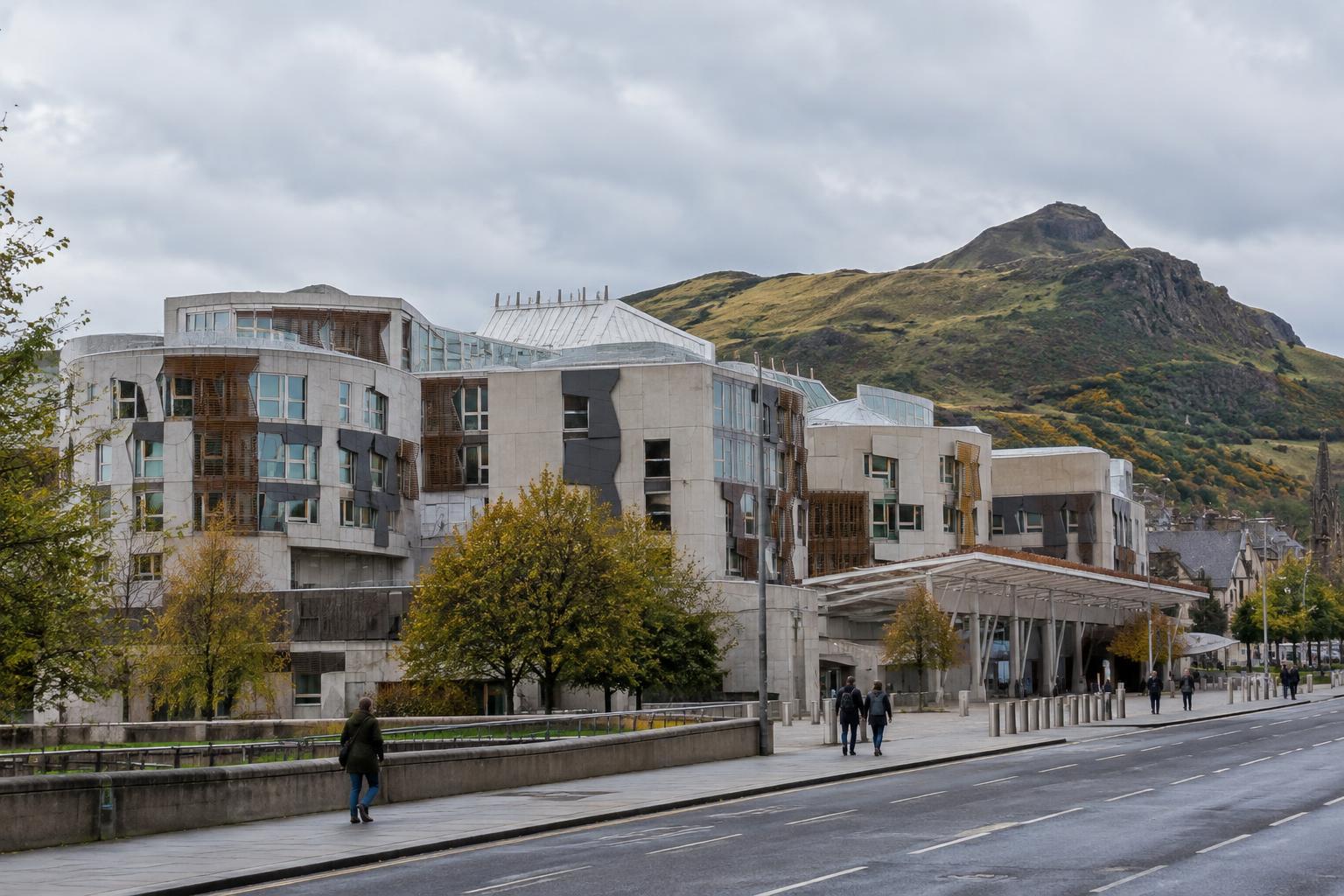
Scotland elected its first Members of the Scottish Parliament, or MSPs, in May 1999. The voting system combined constituency representatives with members elected from regional lists. It was designed to make the overall result more proportional than a constituency-only system. The Parliament met for the first time that month, and its devolved powers took effect on 1 July 1999.
For someone exploring this history through film or photographs, the period offers more than two referendum nights. Images of ballot papers, campaign activity, convention meetings and the first parliamentary sitting each show a different stage of the process. None tells the whole story alone. The clearest account connects the 1979 voting rule, the years of political organising, the two questions put to voters in 1997 and the legislation that made the Parliament possible.