Before Alba: a landscape of kingdoms
Early medieval Scotland was not a country waiting to be united. North of the Forth, Pictish kings ruled territories that could cooperate, compete or come under the authority of a more powerful ruler. In the west, Dál Riata linked Gaelic-speaking communities in what is now western Scotland and across the Irish Sea. Other parts of the area we call Scotland had different political connections: Brittonic-speaking Strathclyde, for example, was not simply a piece of a Pictish or Gaelic kingdom.
These divisions were neither permanent borders nor tidy ethnic maps. Marriage, warfare, religious networks and travel connected communities across them. The emergence of Alba makes more sense against this shifting background than as the moment when one ancient nation replaced another. It was a change in who could claim authority, and in how that authority came to be described.
Kenneth MacAlpin and the problem of a founding moment
Kenneth MacAlpin, or Cináed mac Ailpín, is often presented as the king who united Picts and Scots in the ninth century. He is a significant figure in the history of kingship, but the familiar image of a single conquest followed by an instant new kingdom is too simple. Accounts written after his lifetime helped turn a complex succession into a memorable origin story. They do not give us a clear account of one decisive event that created Alba.
Pictish and Gaelic ruling families had connections before Kenneth. Kings could gain power through family ties, alliances and the weakening of rivals as well as through fighting. Norse raids and settlement added pressure to this political world during the ninth century, although it is difficult to assign them one direct role in Alba’s formation. Kenneth’s reign is best treated as part of a longer transition, not as a switch that turned Pictland into Scotland overnight.
What the surviving evidence can tell us
The written record for this period is limited and uneven. Annals preserve notices of rulers and events, while later king lists and narratives arrange the past into sequences that may reflect the concerns of their compilers. A name in a list can help establish that a ruler was remembered, but it cannot by itself reveal how people in every district understood that ruler’s power.
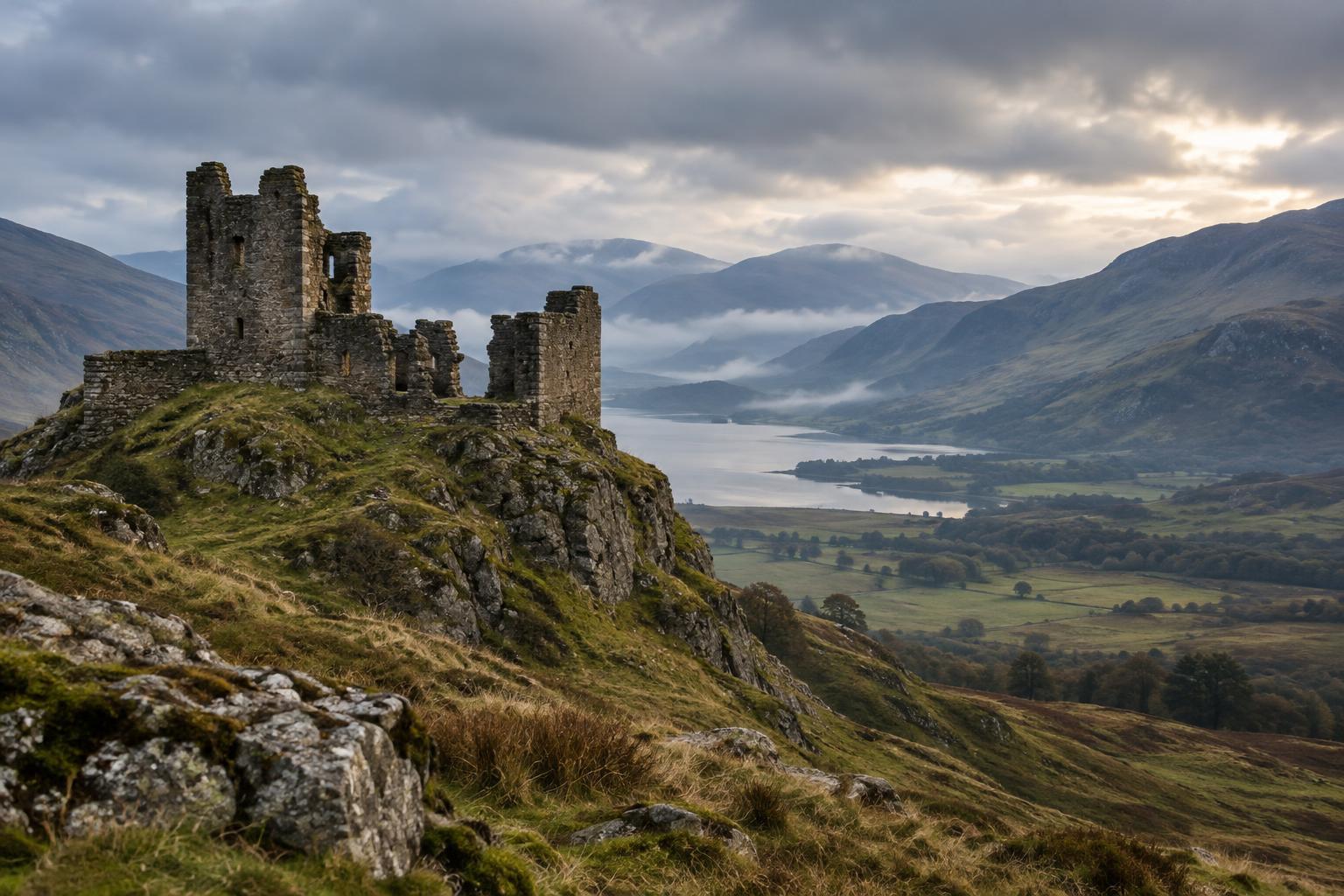
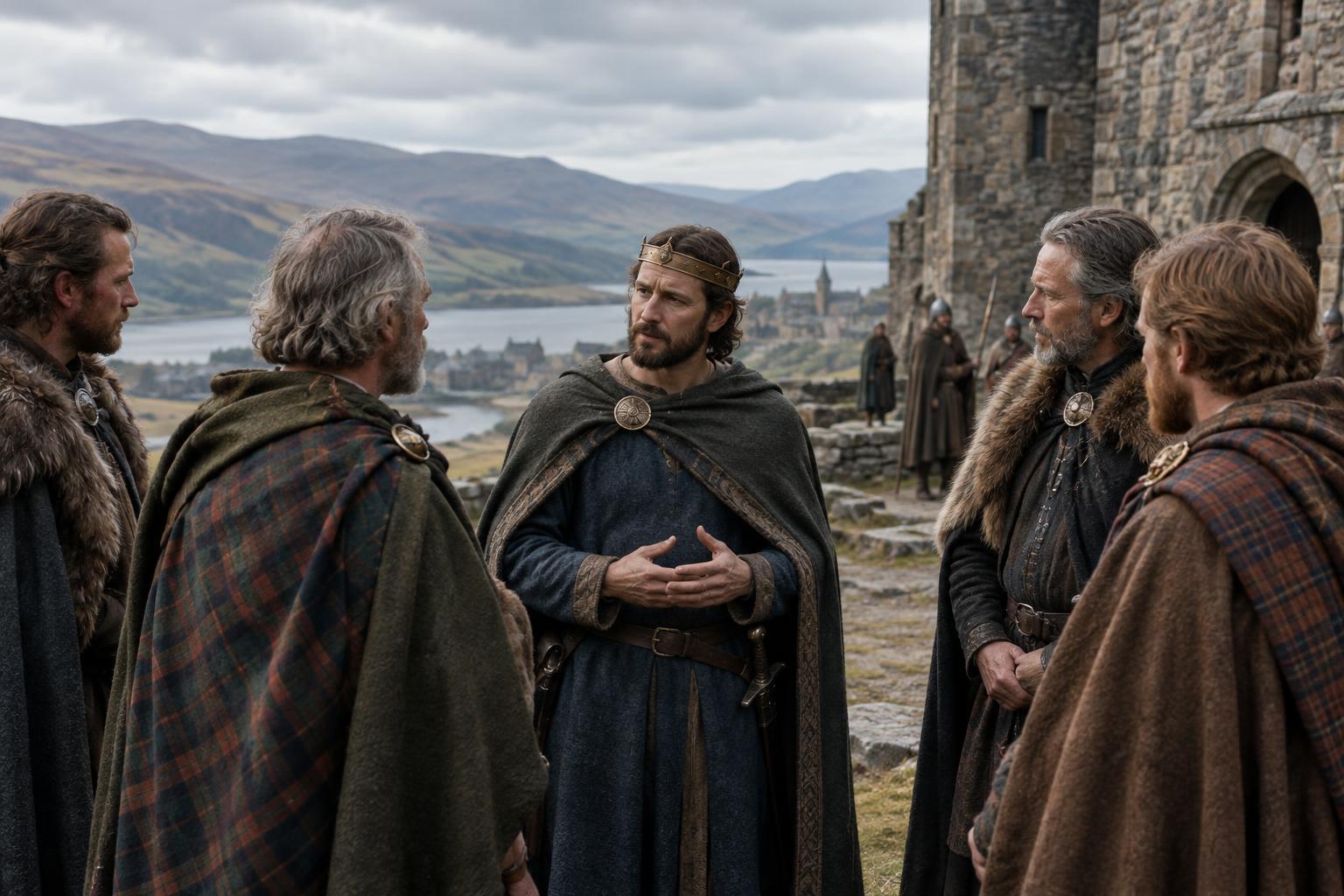
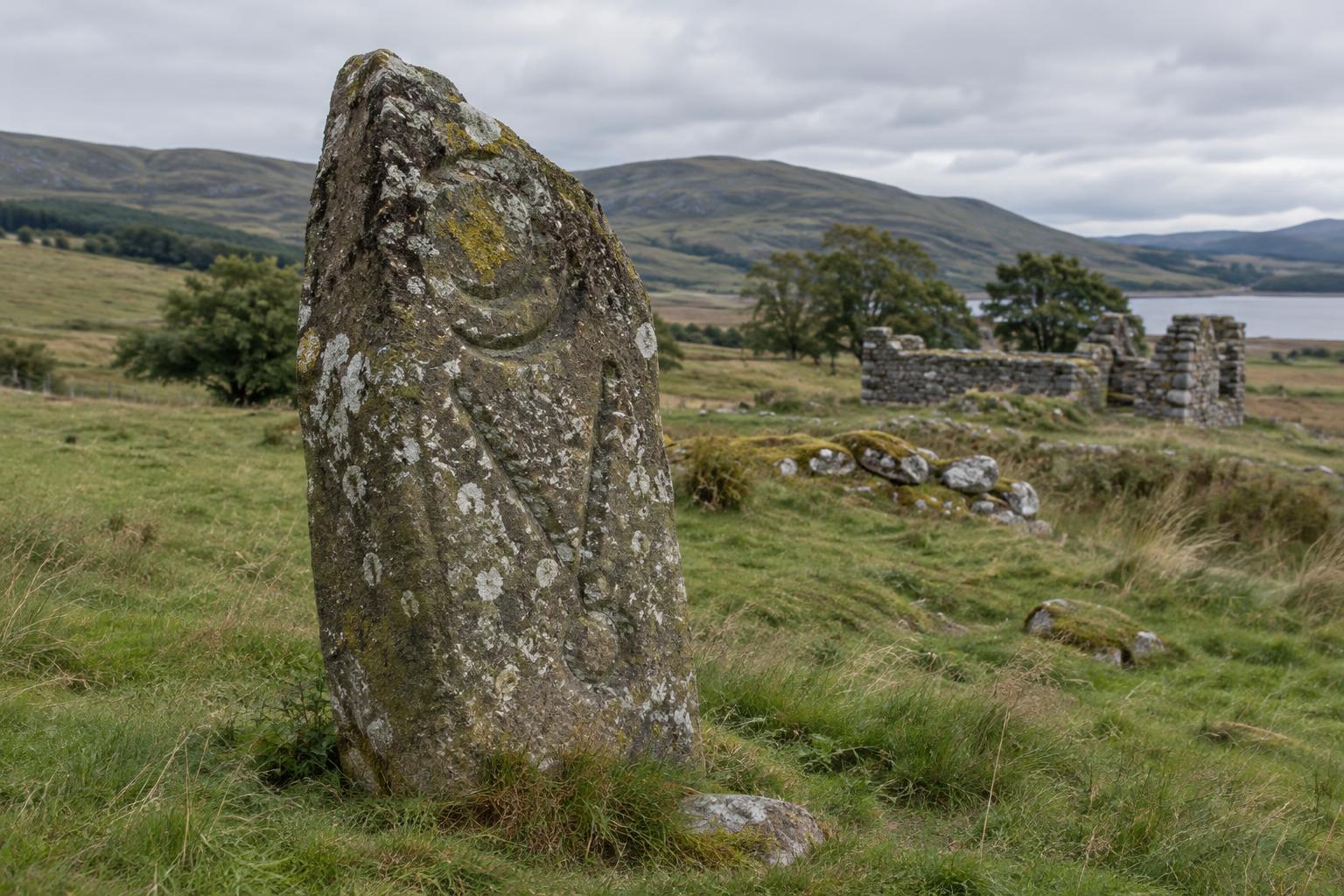
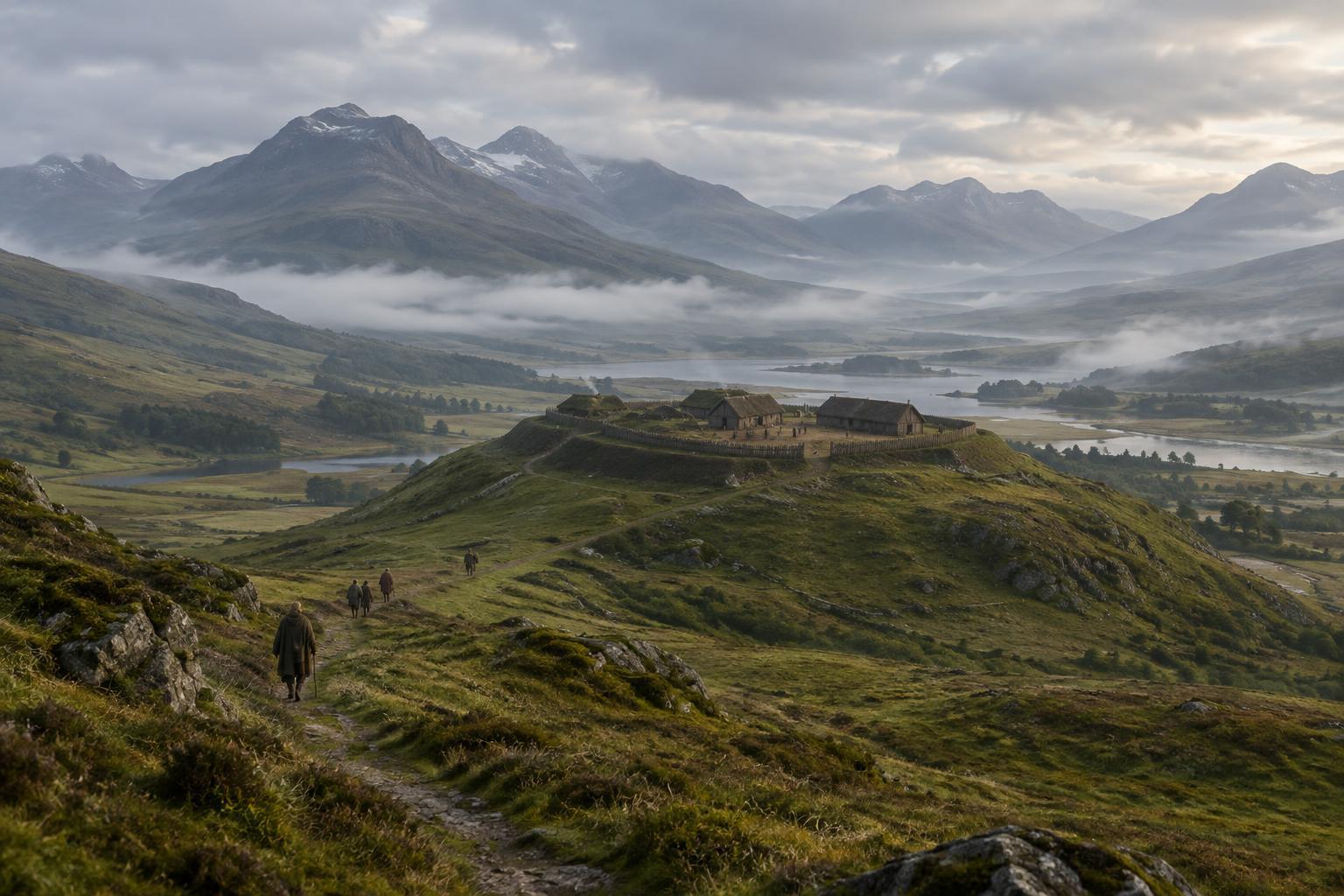
Material remains offer another view. Carved stones, church sites, fortified places and objects can show that communities had skilled makers, religious connections and places of status. They rarely provide a simple label for the language a person spoke or the kingdom to which everyone nearby belonged. For a film or visual account of Alba, this distinction matters: an atmospheric landscape or an image of a Pictish stone can illuminate the setting, but it should not be presented as a direct record of Kenneth’s court.
The rise of a name and a royal centre
By the tenth century, Alba was increasingly associated with a kingdom ruled by successors to the earlier Pictish kings. The name is Gaelic, but its use does not mean that every inhabitant abruptly changed identity or language. A royal title can spread more quickly than everyday speech or local custom. Gaelic gained importance in the kingdom’s public identity, while older traditions and regional differences persisted.
Royal power also depended on relationships with churches and local elites. Places such as Scone became important to the story of kingship, but a king’s authority was not exercised through a modern capital and fixed national border. The extent of the kingdom changed over time, and areas including Strathclyde, Lothian and the Northern Isles followed histories that cannot be folded into a single account of Alba’s birth.
A kingdom that became part of Scotland’s story
Alba matters because it marks a durable new way of naming and organising royal power in northern Britain. It did not yet match the Scotland of a modern map. Later rulers extended their reach, and later writers looked back for a clear beginning to the kingdom they knew. That hindsight can make gradual changes appear inevitable.
A useful way to picture Alba’s emergence is as a sequence rather than a scene: overlapping Pictish and Gaelic worlds, changing patterns of succession, new pressures around the coasts, and a royal identity that took shape over generations. Keeping those strands visible makes the story less tidy, but more revealing. It allows room for the many communities whose histories continued alongside the kings who gave Alba its name.