A changing landscape, not a single story
Nineteenth-century Scotland is often pictured through mills, shipyards and crowded tenements. Those images capture important changes, but they do not describe every Scottish community. Industrial growth was concentrated in particular places and trades. Meanwhile, farming, fishing, domestic service and small-scale crafts continued to shape work elsewhere. Even within one town, a skilled tradesperson, a mill worker and a household taking in laundry might have experienced change very differently.
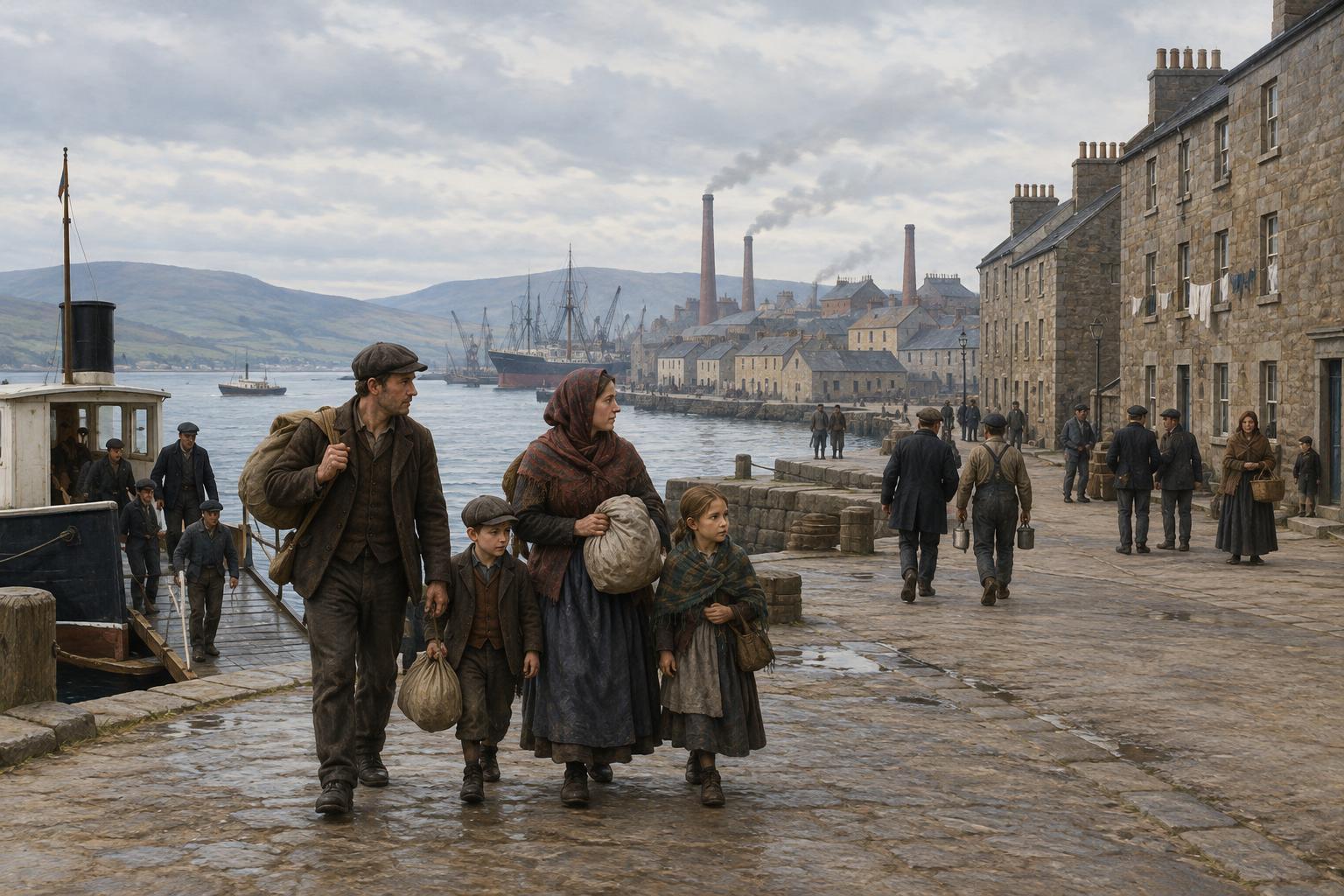
Industrialisation drew on earlier developments and unfolded over generations rather than arriving all at once. Coal, iron, textiles, engineering and shipbuilding created demand for labour and helped towns expand. Transport improvements made it easier to move materials and finished goods, while also connecting some communities more closely to growing markets. For a family considering a move, the promise of wages had to be weighed against the cost of housing, the uncertainty of employment and the loss of familiar support nearby.
From household rhythms to paid shifts
In many households, earning a living had never depended on one person alone. Families combined wages, seasonal work, home production and informal help. Industrial jobs altered that balance, particularly where work was organised around a mill, mine, workshop or yard. An employer’s hours and the pace of machinery could determine when workers left home, ate and rested. Yet older patterns did not disappear: people still took on extra work, kept household budgets and relied on relatives or neighbours when income fell short.
The kind of job mattered. Textile work might employ several members of one family, while a shipyard wage could depend on demand for particular skills. Mining communities faced their own conditions, including difficult and dangerous work and close ties between employment and local housing. Regular pay could offer opportunities, but illness, injury or interrupted work could quickly threaten a household’s security. It is therefore misleading to treat an industrial wage as either a straightforward improvement or a simple loss of independence.
Women, children and the work of keeping a home
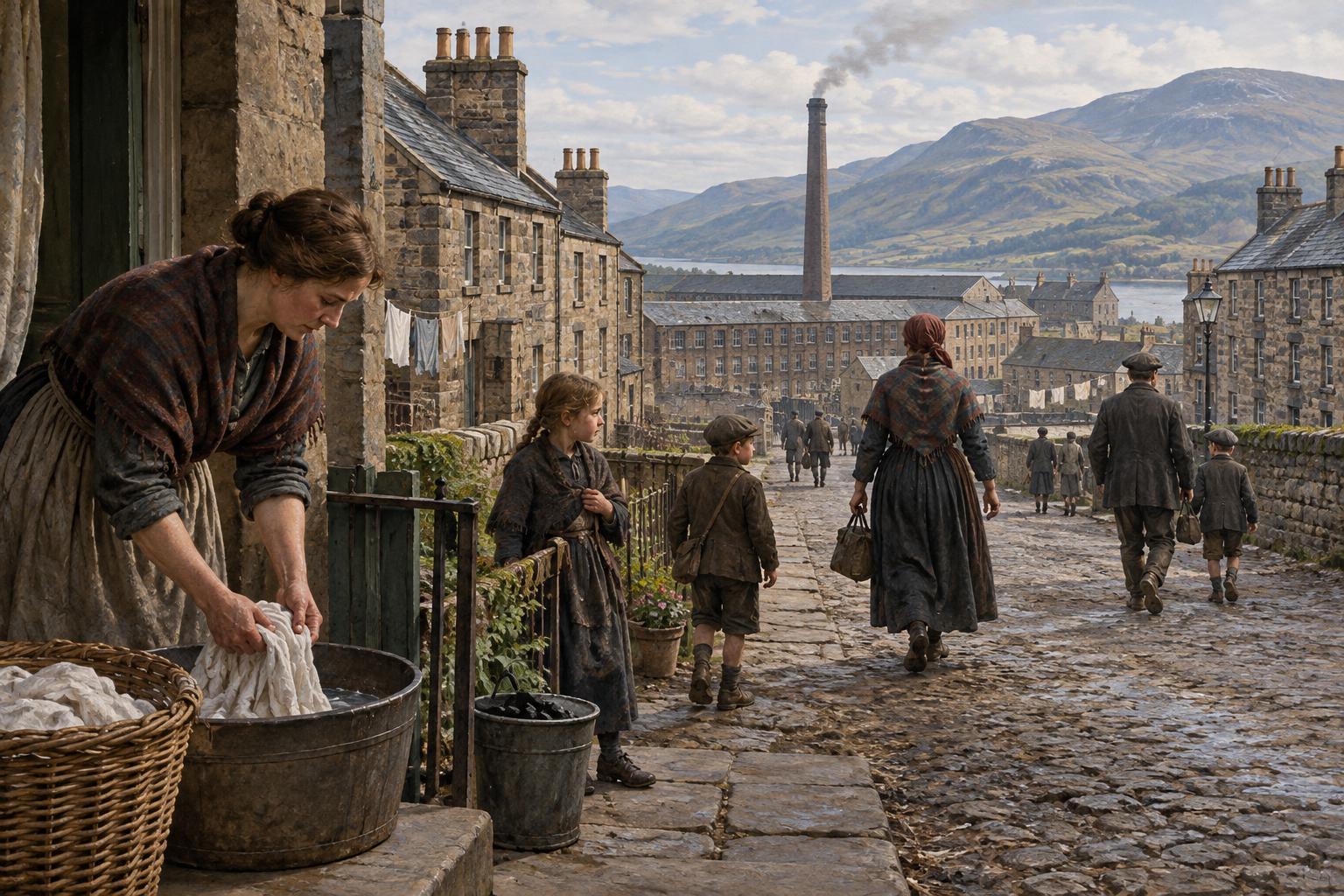
Industrial history is sometimes told mainly through men at heavy machinery. That leaves out both women’s paid employment and the unpaid work that kept households going. Women worked in textiles, domestic service, shops and other occupations, though opportunities and expectations varied. At home, cooking, cleaning, mending, caring and managing scarce money took time and skill. A household’s daily life depended on that work even when it was absent from wage records or photographs of workplaces.
Children’s experiences also differed. Some worked for pay or helped with family tasks; others attended school while contributing at home outside school hours. Over the century, changing rules and attitudes placed greater limits on some forms of child labour and gave schooling a larger role, but those shifts were uneven. For families with little financial cushion, a child’s earnings or help could matter. Reading this history with care means recognising that economic pressure shaped choices without assuming every child’s life followed the same path.
Moving to town and making a community
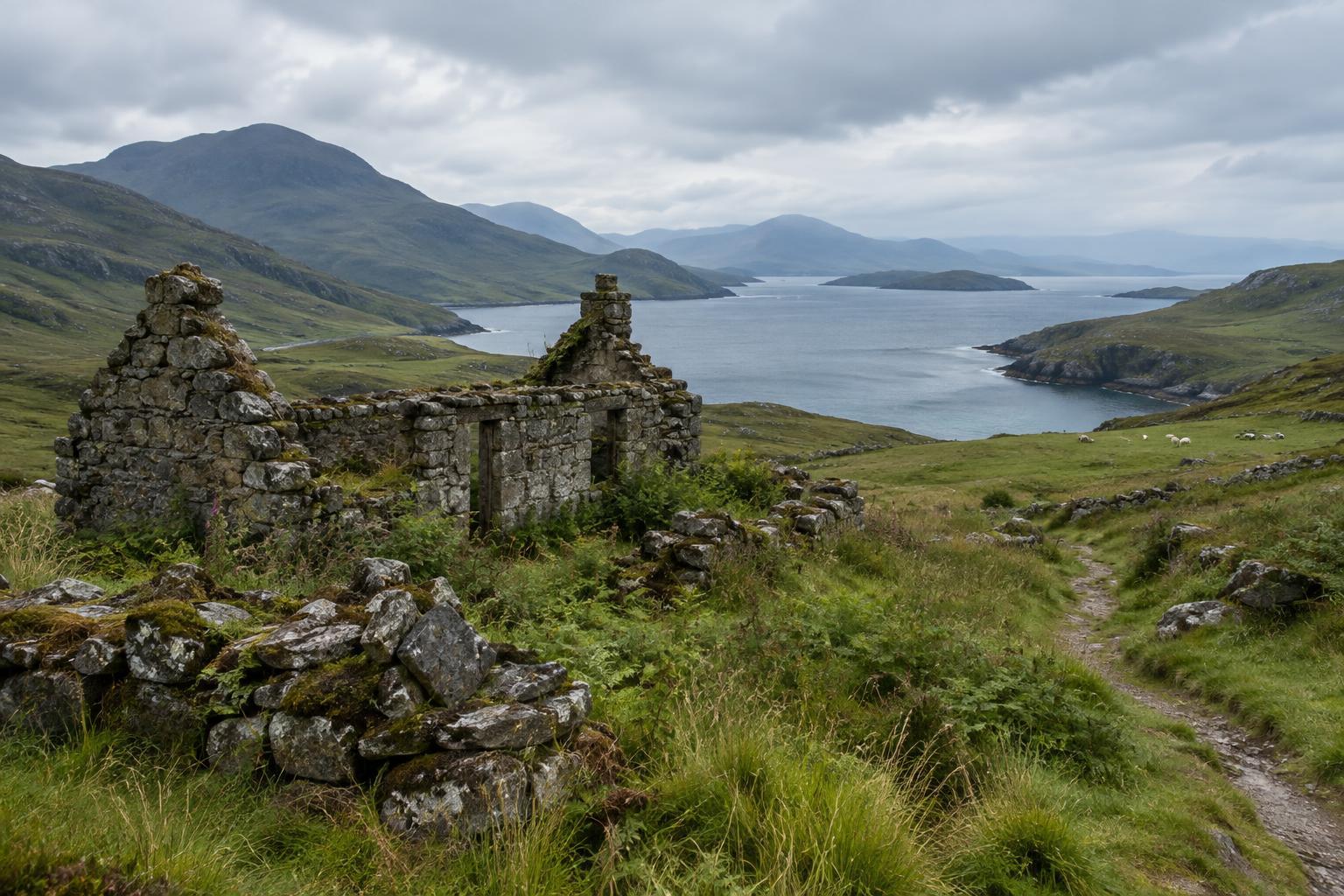
Industrial employment encouraged movement within Scotland and beyond it. Some people left rural districts for growing towns; others moved between industrial centres as work became available. A new address could bring wages, shops and social connections, but also unfamiliar surroundings and crowded housing. Tenements accommodated many urban families, with living conditions differing substantially by building, income and neighbourhood.
Family life extended beyond the front door. Kin could help newcomers find lodging or a job. Neighbours shared information and sometimes practical assistance. Religious congregations, friendly societies, unions and other associations offered places to meet and organise, though access and influence were not equal for everyone. Industrialisation changed communities as well as occupations: people built new networks while maintaining, adapting or losing ties to the places they had left.
What the visual record can and cannot show
A photograph of a mill, an image of a street or a film sequence about a shipyard can make industrial Scotland feel immediate. Each also has limits. A workplace image may show machinery but not pay, fatigue or the work waiting at home. A portrait may suggest respectability without revealing how a family managed rent or an uncertain wage. Images made later can help tell a historical story, but they should not be presented as direct evidence of an earlier moment.
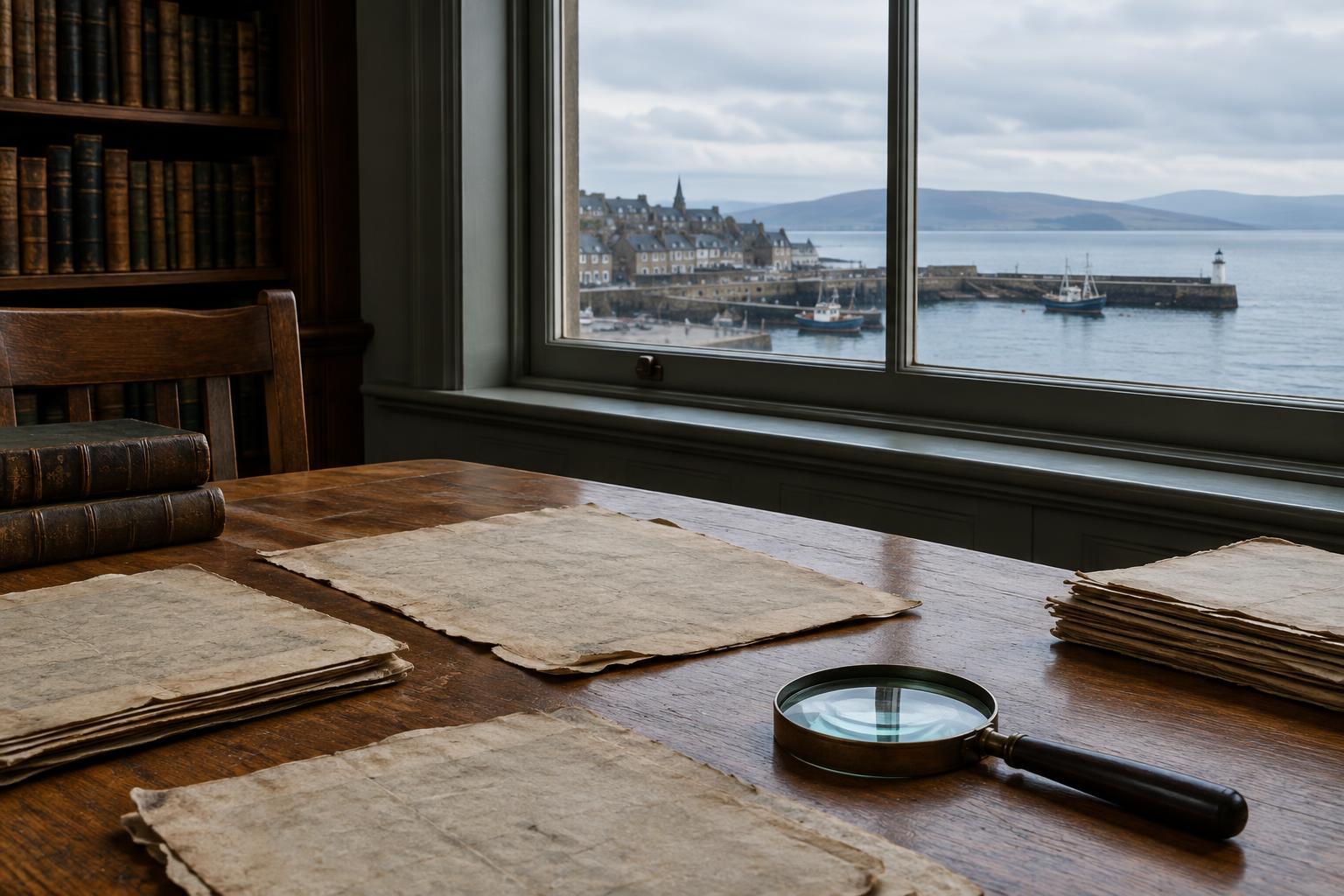
When exploring photographs, maps, buildings and family records, start with questions: Who made this record, when, and for what purpose? Whose experience is visible, and whose is missing? Reading visual traces alongside accounts of work, housing and migration can make the history more human without forcing one image to stand for a whole century. Industrialisation changed many Scottish lives, but its most revealing story is often the varied ways families adapted to change.