Two files with different jobs
Imagine finding footage of a harbour, a procession or a family gathering in a Scottish film collection. The version you watch online may start quickly and play smoothly on a phone. Behind it, the archive may hold a much larger file that is slower to handle but better suited to long-term care. These are often called an access copy and a preservation master.
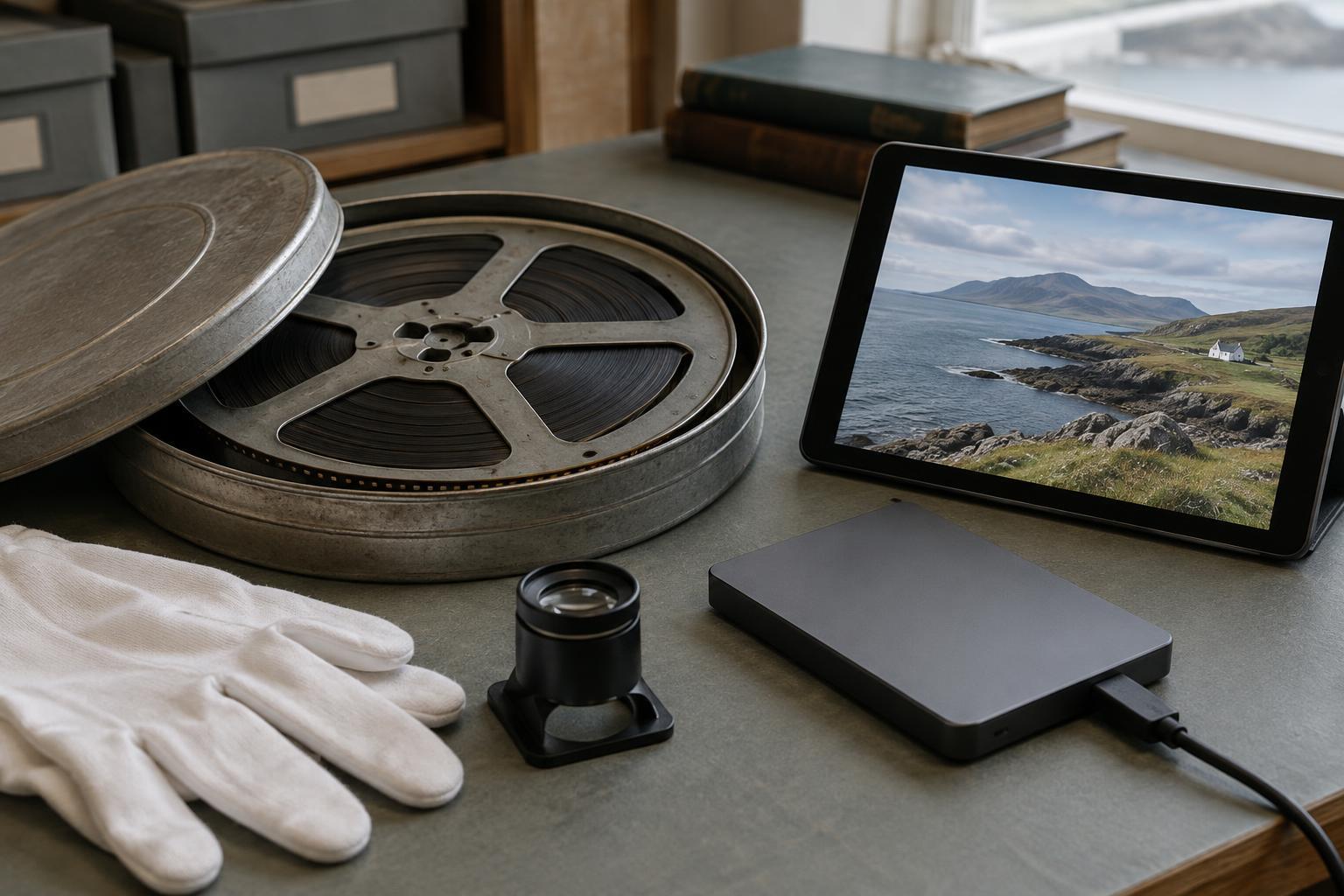
An access copy is made for use: viewing, research, teaching or, where permissions allow, reuse in a film. It might be smaller, compressed or presented in a format that common devices can play. A preservation master aims to retain the best practical record of the digitised material, with fewer changes made for convenience. The exact formats and workflows differ between collections, but the principle is consistent: a file optimised for easy viewing need not carry everything worth keeping.
What a viewing file can leave behind
Compression helps an access copy travel across an internet connection, but it can discard visual or audio detail. That loss may be barely noticeable during casual viewing and still matter later. A future filmmaker might need to examine a dark corner of a frame, stabilise a shot or work carefully with a faint soundtrack. Starting with a more complete master gives that work a better chance than starting with a small streaming file.
Access copies may also be cropped, resized or adjusted to look clearer on a screen. They can carry captions, a visible credit or other information useful to viewers. None of those choices is necessarily wrong; they serve a purpose. The important point is that an archive should not mistake a convenient presentation for the fullest surviving record. Keeping the master allows new access versions to be made when viewing technology, accessibility needs or editorial purposes change.
A master is not the same as the original
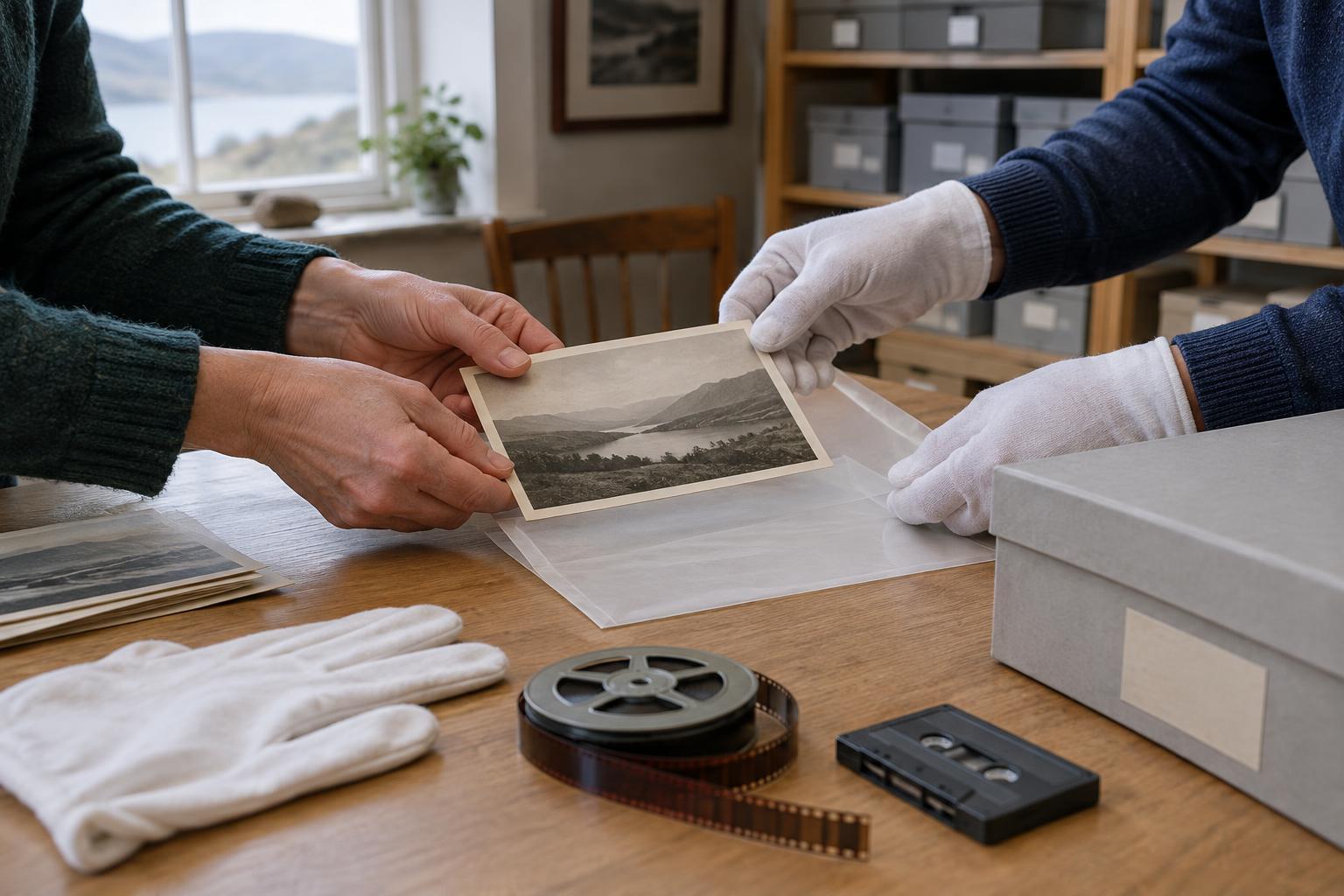
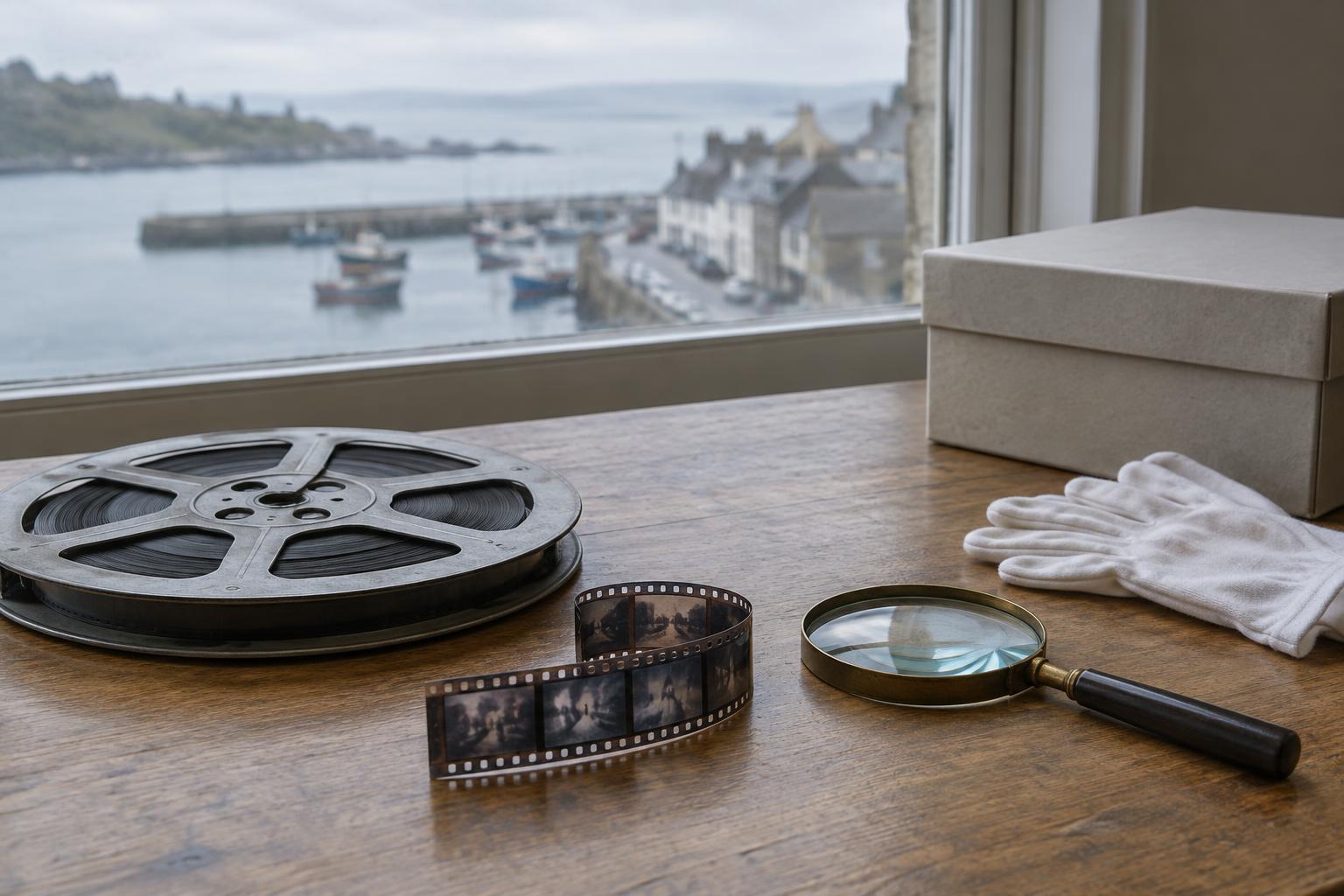
For footage that began on film or videotape, a preservation master is usually the result of a transfer. Its quality depends partly on the source item, the equipment and the decisions made during that transfer. It cannot restore detail that was never captured, and it does not automatically replace the physical original. Where feasible, retaining the original leaves open the possibility of a later transfer using improved methods or a different approach.
Born-digital material presents a related but different question. A camera file may already be the earliest available version, while an archive might also create a managed preservation version for dependable long-term use. In either case, notes about where a file came from, how it was created and what was changed are valuable. Without that context, a polished viewing copy can be mistaken for an untouched record, particularly when a clip is separated from its original collection.
Keeping files useful over time
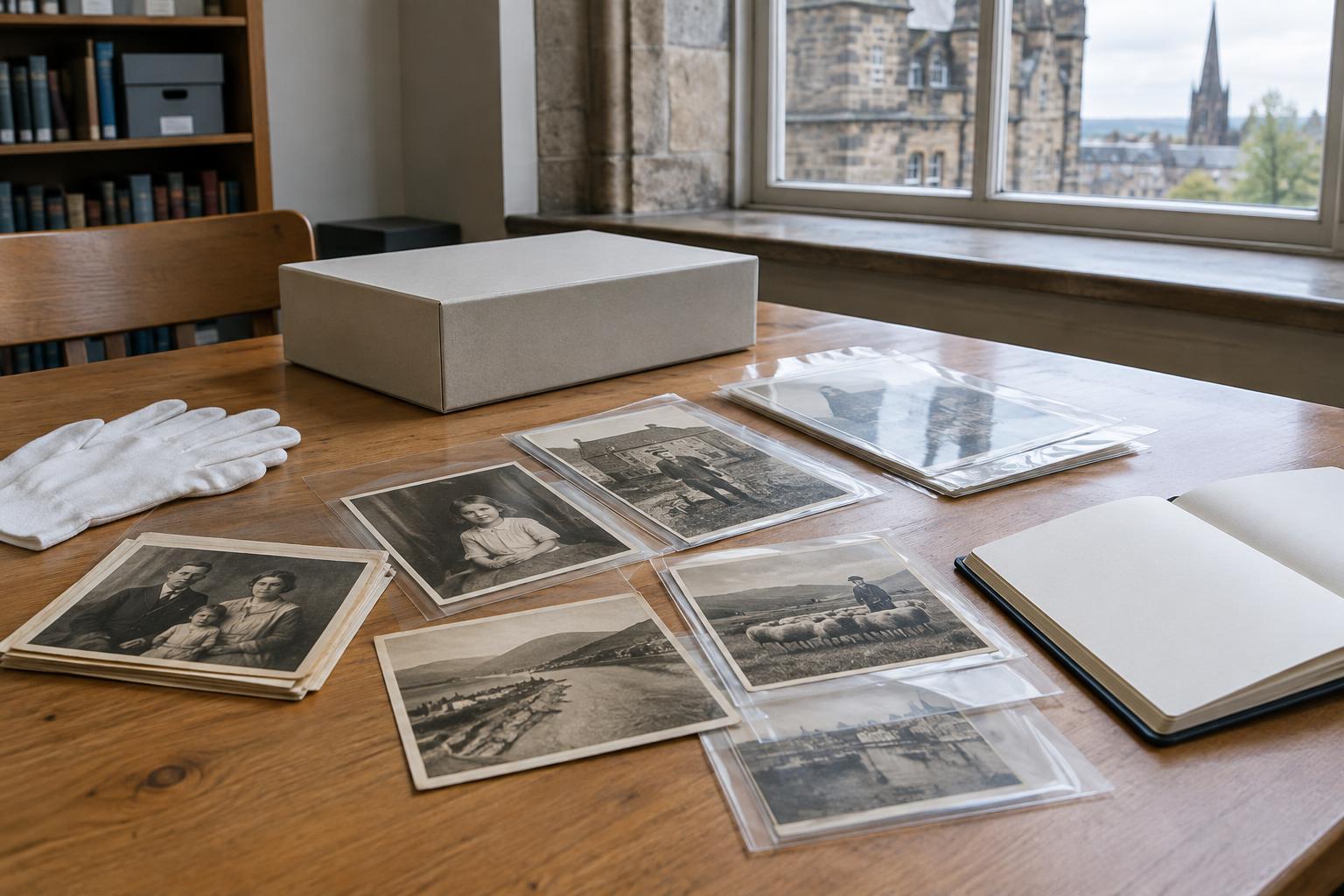
Making a large master is only the beginning of preservation. Files need organised storage, clear names or identifiers, and records connecting them to the item they represent. Archives may keep copies in separate locations, check that files have not changed unexpectedly and move them to new storage before old systems become unreliable. These practices matter because a file that cannot be found, opened or trusted offers little protection for the history it contains.
Access copies need care too. Captions may need correction, descriptive text may need improvement, and an older viewing format may stop working well for visitors. Because the master remains separate, an archive can revise the public-facing version without repeatedly altering its best available record. That division supports both preservation and interpretation: viewers receive something usable, while future workers retain room to make different choices.
What to ask when using archival footage
If you are making a documentary or researching a place, start by asking what version you have been shown. A streaming preview may be enough to identify a scene, but a higher-quality file could be more suitable for close study or production. Ask whether the archive holds an original item, a preservation master and any other versions; what is known about the transfer; and whether the copy you receive has been cropped, edited or otherwise altered.
Quality is not the only consideration. Access to some material may be limited by rights, privacy concerns or the conditions under which it was deposited. An archive may offer viewing access without permission to republish a clip. Respecting those distinctions helps keep collections available while treating the people and communities represented in them with care. The two-copy approach is therefore more than a technical habit: it gives Scottish visual history a usable present without closing off its future.