
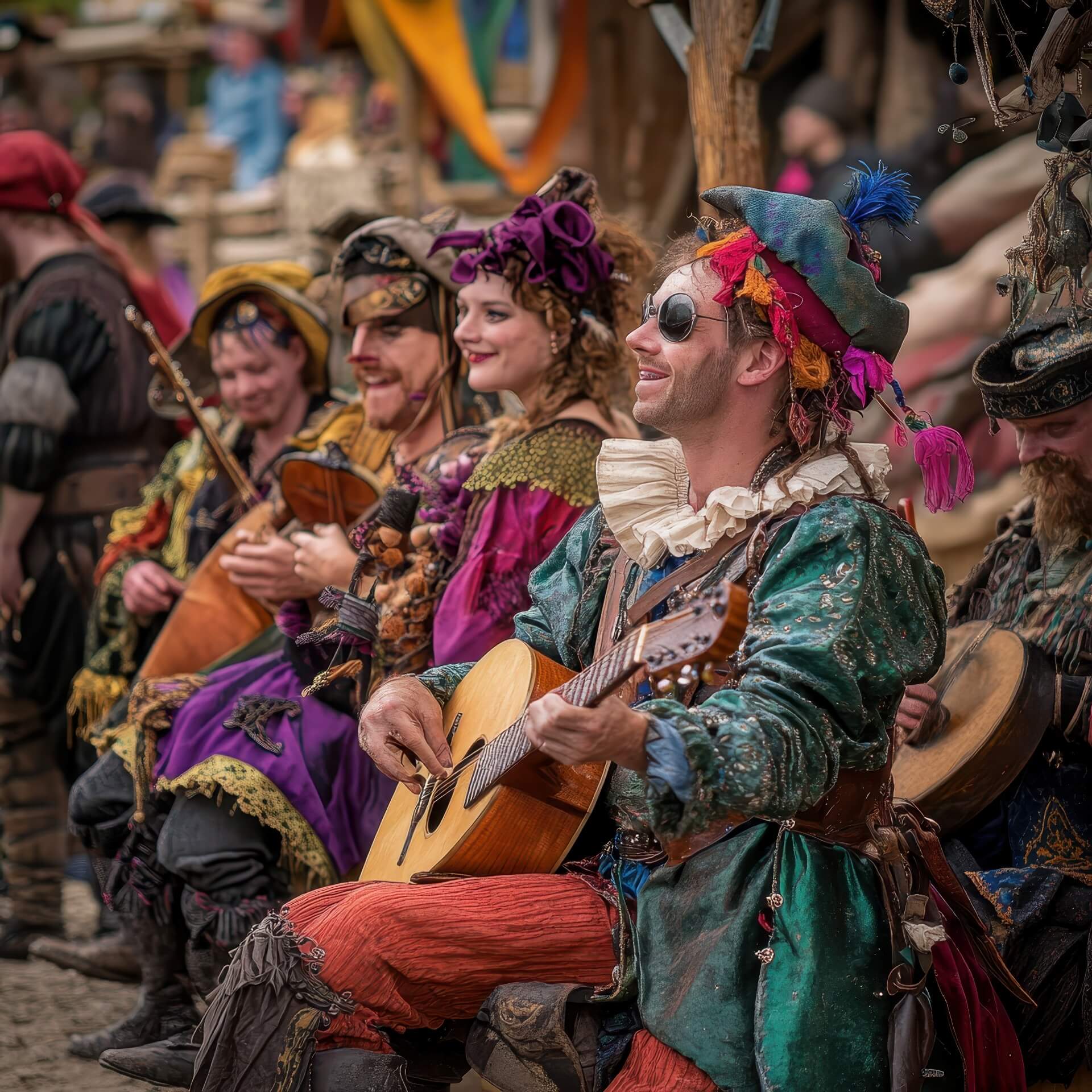
How Generations Preserved Scotland’s Oral Traditions
Scotland’s rich tapestry of oral traditions is a living legacy, intricately woven by generations of storytellers who have passed down tales, folklore, and historical narratives. Explore how these cherished cultural threads have been preserved, shaping Scotland’s unique identity through the enduring power of spoken word.
The Enduring Power of Scottish Storytelling
Scottish storytelling is more than just recounting tales; it’s a vibrant cultural force that has shaped national identity for centuries. From ancient myths and legends to historical accounts and personal anecdotes, these narratives have been the primary means of transmitting knowledge, values, and a shared sense of belonging across generations. The act of storytelling in Scotland has always been a communal experience, fostering connection and preserving a unique worldview.
Folk Heroes and Mythical Creatures
Central to Scottish folklore are its rich characters, from the cunning of the Selkie to the bravery of the Cailleach. These figures populate a landscape brimming with magic and mystery, offering moral lessons and entertaining audiences. The enduring popularity of these characters speaks to their deep resonance within the Scottish psyche.
Methods of Preserving Oral Traditions
The preservation of Scotland’s oral traditions has relied on a variety of methods, evolving over time but always centered on the spoken word and communal sharing. These techniques ensured that stories, songs, and historical accounts were not lost to the mists of time.
- Family and Community Transmission: The most fundamental method has been the passing down of stories within families and local communities. Gatherings around hearths, ceilidhs, and local events provided natural platforms for this oral transmission.
- Skilled Storytellers (Gaoideal): Scotland has a tradition of gifted storytellers, often referred to by Gaelic terms like ‘Gaoideal,’ who possessed exceptional memory and the ability to captivate audiences. These individuals were living libraries of their culture.
- Bards and Poets: For centuries, bards played a crucial role in composing and reciting epic poems, historical accounts, and elegies. Their performances were vital in documenting significant events and celebrating cultural heroes.
- Songs and Ballads: Music has always been a powerful vehicle for storytelling. Traditional Scottish songs and ballads often tell compelling narratives, embedding historical events and folklore in memorable melodies that are easily passed down.
- Written Records (Later Stages): While the tradition is primarily oral, later efforts by collectors and scholars to transcribe these tales into written form helped to solidify their preservation and reach a wider audience, ensuring their survival in a more permanent medium.
The Role of Historical Narratives
Beyond folklore and myth, oral traditions have been instrumental in preserving historical narratives. For communities where formal written records might have been scarce, the spoken word was the primary means of remembering significant events, genealogies, and the deeds of ancestors. These historical narratives often blend fact with embellishment, providing a unique and personal perspective on the past.
Island Traditions and Highland Sagas
Regions like the Scottish Highlands and Islands have particularly strong oral traditions, shaped by their distinct histories and environments. Gaelic storytelling, in particular, has a deep and rich heritage, with sagas and tales reflecting the life, beliefs, and challenges of these communities.
Cultural Heritage and Scottish Identity
The preservation of Scottish storytelling and oral traditions is inextricably linked to the shaping and maintenance of Scottish cultural heritage and identity. These narratives provide a sense of continuity, connecting contemporary Scots to their past and fostering a shared understanding of their cultural roots. In an increasingly globalized world, the power of these unique, locally preserved traditions becomes even more significant in defining who they are.
In conclusion, the enduring legacy of Scottish oral traditions is a testament to the power of the spoken word and the dedication of countless generations of storytellers, bards, and community members. These cherished cultural threads continue to weave the vibrant fabric of Scotland’s unique identity.
Discover more about Scotland’s rich cultural heritage and the enduring power of its oral traditions. Visit VideoHistoryScotland.com to explore further.